How to Choose the Right ASME Heat Exchanger for Your Application?
John Smith, Senior Thermal Engineer
Jul-06-2026
Selecting the appropriate ASME heat exchanger for a specific industrial application requires a thorough understanding of both regulatory standards and process performance demands. ASME Boiler and Pressure Vessel Code Section VIII governs the design, fabrication, and inspection of pressure vessels, ensuring safety and reliability under operating conditions. Key performance parameters such as thermal duty, allowable pressure drop, and temperature approach must be carefully balanced to achieve efficient heat transfer without exceeding system constraints. The choice between shell-and-tube, plate, or air-cooled heat exchangers depends on factors like fluid properties, operating temperatures, pressure levels, and space limitations. Material selection plays a critical role in long-term reliability, especially when dealing with corrosive fluids or high-temperature environments; options range from carbon steel and stainless steel to exotic alloys like Hastelloy or titanium. Additionally, maintenance requirements, cleaning methods, and overall lifecycle costs—including initial capital expenditure, energy consumption, and downtime—should be evaluated to ensure cost-effective operation over the equipment's lifespan. A systematic approach that integrates these considerations will lead to a well-informed decision, optimizing both performance and economic outcomes.
Understanding ASME Standards and Their Impact on Heat Exchanger Selection
ASME (American Society of Mechanical Engineers) standards define the design, material, fabrication, and testing requirements for pressure vessels and heat exchangers. Compliance with ASME Section VIII, Division 1 or Division 2 ensures mechanical integrity, safety, and long-term reliability under specified operating conditions. These standards directly influence material thickness, weld procedures, pressure ratings, and allowable stress values.
Key ASME Requirements for Heat Exchangers
When selecting a heat exchanger, the ASME code dictates the maximum allowable working pressure (MAWP) and minimum design metal temperature (MDMT). These parameters must match your process conditions. For example, a gasketed plate heat exchanger may be suitable for lower pressures, while a welded plate or printed circuit heat exchanger is often required for high-pressure or high-temperature applications under ASME standards.
Material selection is also governed by ASME standards. Carbon steel, stainless steel, and nickel alloys each have specific allowable stress tables. The code also mandates non-destructive examination (NDE) methods such as radiography or ultrasonic testing for critical welds, which affects both cost and lead time.
How ASME Standards Affect Selection Criteria
The choice between a gasketed, brazed, or welded plate heat exchanger often depends on ASME code compliance for leakage containment and thermal cycling. For applications involving hazardous fluids, a fully welded design such as the TP-Welded Plate Heat Exchanger is preferred to meet ASME safety requirements. Similarly, custom-engineered solutions like the Printed Circuit Heat Exchanger are designed to ASME standards for compactness and high-pressure capability.
Always verify that the manufacturer provides an ASME U-Stamp certification. This stamp confirms that the heat exchanger has been designed, fabricated, and inspected in accordance with ASME codes. Without this certification, the equipment may not be accepted in regulated environments or insurance inspections.
Practical Steps for ASME-Compliant Selection
Start by defining your process parameters: design pressure, design temperature, fluid properties, and allowable pressure drop. Then consult the ASME code to determine the required wall thickness, corrosion allowance, and joint efficiency. For example, a Wide Gap Welded Plate Heat Exchanger may be selected for viscous fluids while still meeting ASME standards for structural integrity.
Review the manufacturer's data reports and ensure that all pressure-containing parts comply with ASME Section II material specifications. For custom-engineered designs like Pillow Plates or HT-Bloc Welded Plate Heat Exchangers, request a detailed stress analysis and hydrostatic test report.
Finally, consider the impact of ASME standards on maintenance and inspection. Some designs offer easier access for tube inspection or plate removal, which can reduce downtime. For more information on specific ASME-compliant heat exchanger types, visit the product pages:
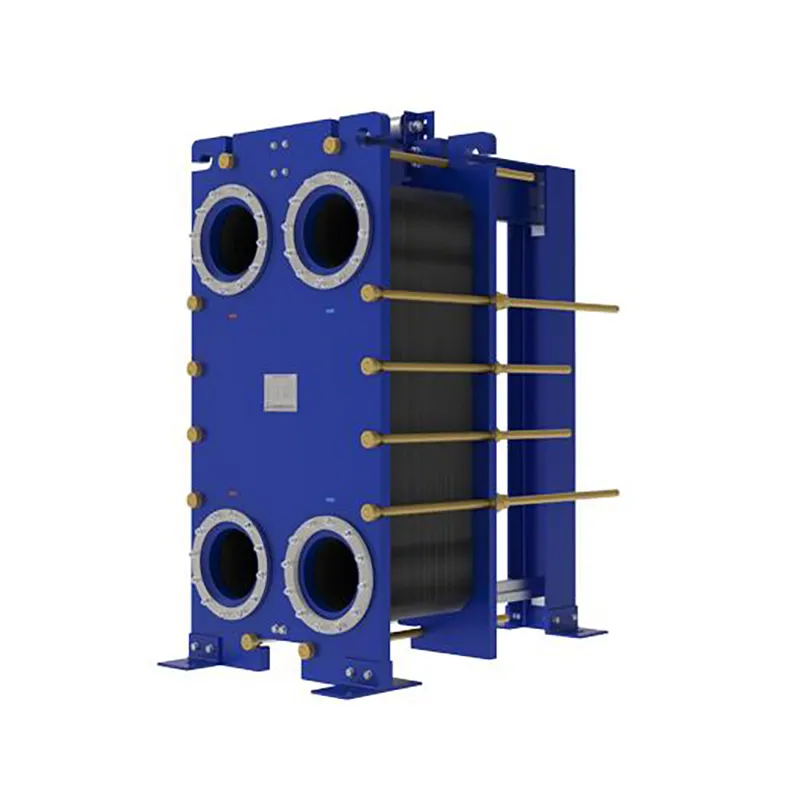
Gasketed Plate Heat Exchangers,
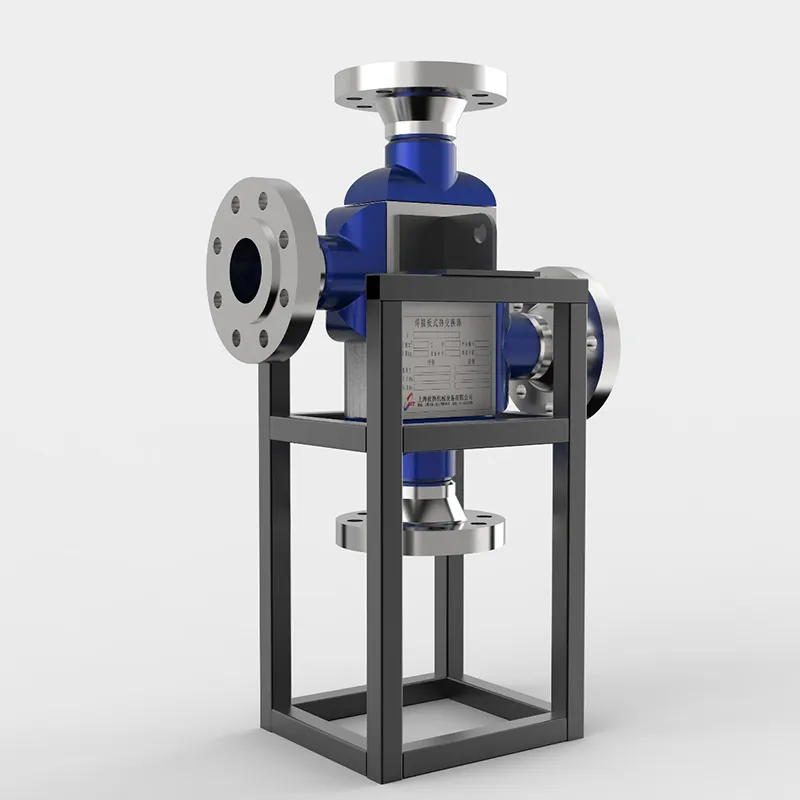
TP-Welded Plate Heat Exchanger,
Printed Circuit Heat Exchanger,
Wide Gap Welded Plate Heat Exchanger,
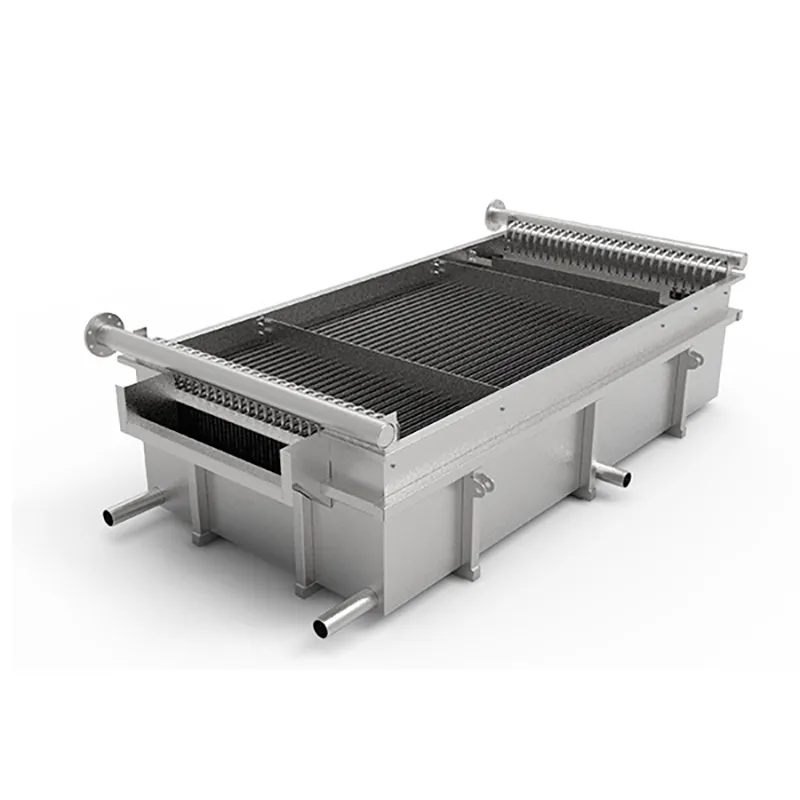
Pillow Plates,
HT-Bloc Welded Plate Heat Exchanger, and
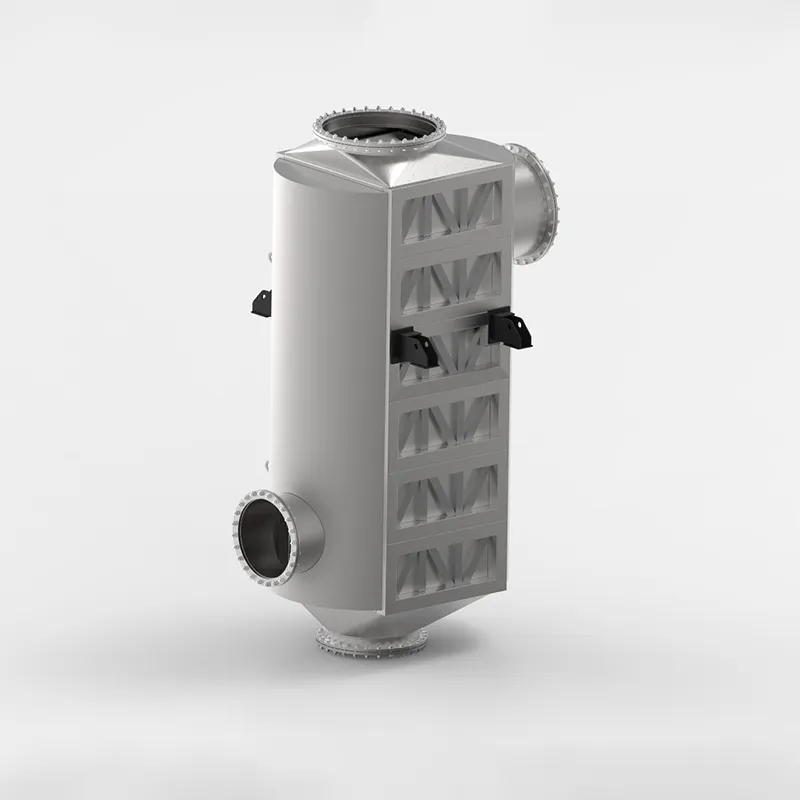
Custom Engineered Plate Air Preheaters.
Key Performance Parameters: Thermal Duty, Pressure Drop, and Temperature Approach
Thermal Duty defines the required heat transfer rate, typically measured in kW or BTU/hr. It directly influences the surface area and size of the ASME heat exchanger. Accurate calculation of thermal duty ensures the system meets process heating or cooling demands without oversizing.
Pressure Drop is the loss of fluid pressure as it flows through the exchanger. Lower pressure drop reduces pumping energy but may require larger passages. Balancing pressure drop with thermal performance is critical for cost-effective operation and compliance with ASME design limits.
Temperature Approach is the difference between outlet temperatures of the hot and cold fluids. A closer approach increases efficiency but demands more surface area and higher capital cost. Selecting the right approach optimizes both energy recovery and initial investment.
Matching Heat Exchanger Types (Shell-and-Tube, Plate, Air-Cooled) to Process Conditions
Selecting the correct heat exchanger type depends on operating parameters such as temperature, pressure, fluid properties, and maintenance requirements. Below is a comparison of the three primary ASME-compliant designs.
| Parameter |
Shell-and-Tube |
Plate |
Air-Cooled |
| Max Temperature |
Up to 1000°F (538°C) |
Up to 450°F (232°C) |
Up to 650°F (343°C) |
| Max Pressure |
Up to 6000 psi (414 bar) |
Up to 600 psi (41 bar) |
Up to 500 psi (34 bar) |
| Viscosity Handling |
Excellent (high viscosity) |
Good (low to medium) |
Fair (low viscosity only) |
| Fouling Tendency |
Low to moderate |
Moderate to high |
Low (air-side fouling) |
| Maintenance |
Easy (tube bundle removal) |
Moderate (plate access) |
Easy (fan & coil access) |
For high-temperature and high-pressure applications with viscous or fouling fluids, shell-and-tube exchangers remain the industry standard. Plate heat exchangers offer superior thermal efficiency for clean fluids at moderate conditions and are available in gasketed, welded, and custom-engineered designs such as gasketed plate, TP welded plate, and wide-gap welded plate variants. Air-cooled exchangers are ideal when cooling water is scarce or when process temperatures allow ambient air as the cooling medium.
Specialized plate designs further extend application range: custom-engineered plate air preheaters recover waste heat for combustion air, while printed circuit heat exchangers handle extreme pressures in compact footprints. For processes requiring gentle heating or cooling of slurries, custom-engineered pillow plates provide efficient heat transfer with minimal clogging. The HT-Bloc welded plate heat exchanger offers a fully welded, gasket-free solution for aggressive media at elevated temperatures.
Always verify ASME Section VIII Division 1 compliance for pressure vessel applications. For extreme conditions, consult a thermal engineer to validate fouling factors, allowable pressure drop, and material compatibility before final selection.
Material Selection and Corrosion Resistance for Long-Term Reliability
Selecting the appropriate materials is critical to ensuring the longevity and performance of ASME heat exchangers in demanding industrial environments. Corrosion resistance directly impacts maintenance costs, operational safety, and equipment lifespan.
Key factors in material selection include operating temperature, pressure levels, fluid composition, and potential for chemical attack. Common materials such as stainless steel, titanium, and nickel alloys offer varying degrees of resistance to pitting, crevice corrosion, and stress corrosion cracking.
Proper material choice, combined with regular inspection and maintenance protocols, ensures that the heat exchanger maintains its structural integrity and thermal efficiency over decades of service. Consulting with metallurgical experts and referencing ASME code requirements further enhances reliability.
Evaluating Maintenance, Cleaning, and Lifecycle Cost Considerations
Selecting an ASME heat exchanger involves more than initial performance metrics. Long-term operational efficiency depends heavily on how easily the unit can be maintained and cleaned, as well as the total cost over its lifecycle. Below are key factors to evaluate.
Maintenance Accessibility
Designs that allow quick access to heat transfer surfaces reduce downtime. For example, gasketed plate heat exchangers offer easy opening for inspection, while welded plate variants may require specialized procedures. Consider how often your application demands internal checks.
For high-fouling fluids, a wide-gap welded plate heat exchanger can reduce clogging and simplify cleaning schedules.
Cleaning Methods and Frequency
The cleaning approach—chemical, mechanical, or back-flushing—should align with the exchanger design. Units with smooth surfaces and no dead zones, such as custom engineered pillow plates, are easier to clean and resist fouling buildup.
For applications requiring frequent sanitation, a gasketed plate heat exchanger allows full access to each plate, while fully welded units may need longer chemical soak times.
Lifecycle Cost Analysis
Initial purchase price is only one component. Total lifecycle cost includes energy consumption, spare parts, cleaning chemicals, and labor for maintenance. A more expensive but robust design, like the HT-Bloc welded plate heat exchanger, may offer lower total cost in harsh thermal cycling conditions.
For extreme pressure or temperature requirements, a custom engineered printed circuit heat exchanger can provide exceptional durability, reducing replacement frequency despite higher upfront investment.
Material Compatibility and Wear
Corrosion and erosion directly impact lifecycle cost. Selecting materials suited to your fluid chemistry—stainless steel, titanium, or specialty alloys—can extend service intervals. The TP welded plate heat exchanger offers robust construction for corrosive environments.
For air preheating duties, a custom engineered plate air preheater can be tailored to resist thermal stress and particulate erosion, lowering maintenance overhead.
By weighing these maintenance, cleaning, and lifecycle cost factors against your specific operating conditions, you can select an ASME heat exchanger that delivers reliable performance and optimal total cost of ownership.
Summary – ASME Heat Exchanger Selection
Selecting the right ASME heat exchanger requires a systematic evaluation of thermal duty, pressure drop, and temperature approach.
Understanding ASME standards ensures compliance, safety, and performance consistency across different operating conditions.
The choice between shell-and-tube, plate, and air-cooled designs must align with process fluid properties, space constraints, and fouling tendencies.
Key takeaways
- ASME standards directly influence material selection, design pressure, and fabrication quality for long-term reliability.
- Thermal duty, allowable pressure drop, and temperature approach define the core sizing and configuration of the exchanger.
- Matching heat exchanger type to process conditions (viscosity, fouling, temperature) optimizes both performance and cost.
- Corrosion resistance and material compatibility are essential for minimizing downtime and extending equipment life.
- Lifecycle cost, cleaning frequency, and maintenance access should be evaluated early to avoid operational surprises.
A balanced approach that integrates thermal design, mechanical integrity, and serviceability will yield a heat exchanger that meets both process requirements and long-term economic goals.
Always verify that the selected unit carries appropriate ASME certification and that the materials of construction are compatible with the full range of expected operating conditions.
End of summary — refer to individual sections for detailed guidance.
Q: How to Choose the Right ASME Heat Exchanger for Your Application?
A: Begin by defining your process conditions—fluid types, temperature ranges, pressure limits, and flow rates. Then evaluate thermal duty, allowable pressure drop, and temperature approach. Cross-reference these with ASME Section VIII Div. 1 requirements to ensure code compliance. Consider future scalability and site constraints before finalizing.
Q: Understanding ASME Standards and Their Impact on Heat Exchanger Selection
A: ASME standards govern design, materials, fabrication, testing, and inspection. They directly affect wall thickness, nozzle sizing, weld procedures, and pressure ratings. Choosing a non-compliant exchanger risks safety violations and operational shutdowns. Always verify that the manufacturer holds a valid ASME U-stamp.
Q: Key Performance Parameters: Thermal Duty, Pressure Drop, and Temperature Approach
A: Thermal duty (kW or BTU/hr) determines the required surface area. Pressure drop affects pump/compressor sizing and operating cost. Temperature approach (the smallest temperature difference between streams) influences exchanger size and efficiency. A tighter approach increases surface area but improves heat recovery.
Q: Matching Heat Exchanger Types (Shell-and-Tube, Plate, Air-Cooled) to Process Conditions
A: Shell-and-tube exchangers handle high pressure and temperature, and are easy to clean. Plate exchangers offer high thermal efficiency in a compact footprint but are limited by pressure and gasket compatibility. Air-cooled exchangers suit locations with scarce cooling water, but require larger footprints and higher fan power.
Q: Material Selection and Corrosion Resistance for Long-Term Reliability
A: Material choice must resist process-side corrosion, erosion, and stress corrosion cracking. Common options include carbon steel, 304/316 stainless steel, duplex alloys, and titanium. Evaluate pH, chloride content, and operating temperature. Proper material selection reduces downtime and extends exchanger life.
Q: Evaluating Maintenance, Cleaning, and Lifecycle Cost Considerations
A: Consider access for tube cleaning, gasket replacement, and inspection. Plate exchangers require disassembly for cleaning; shell-and-tube units may need chemical cleaning or hydroblasting. Lifecycle cost includes initial purchase, energy consumption, maintenance labor, and spare parts. A lower upfront cost may lead to higher operating expenses.

 English EN





User Comments
Service Experience Sharing from Real Customers
Mike
Senior Process EngineerWe’ve been using this ASME heat exchanger for our pilot plant for the past six months, and it’s been rock solid. The thermal performance matches the spec sheet almost exactly, and the shell-side pressure drop was lower than I expected. Installation was straightforward, and the TEMA type BEM design fits our existing piping layout perfectly. I’ve seen cheaper units fail within a year, but this one feels built to last.
Lena
Maintenance SupervisorBought this for a small food processing line we upgraded last quarter. The ASME stamp gave us confidence for the local inspection, and so far no leaks or fouling issues, even with our viscous syrup runs. The only reason I’m not giving 5 stars is that the gasket kit wasn’t included—had to order it separately. But the build quality is solid, and cleaning the tube bundle is easier than our old unit.
Raj
Project ManagerWe needed a reliable heat exchanger for a new pharmaceutical skid, and this ASME model checked all the boxes. The documentation was thorough—material certs, weld maps, and hydrotest reports all in order. It passed our FAT with zero issues. The support team even helped us tweak the nozzle orientation to fit our tight layout. Would definitely order again for future projects.
Tom
Plant OperatorI’ve been running this heat exchanger on a steam-to-water duty for about eight months now. It handles the daily temperature swings without any trouble, and the stainless steel tubes show zero signs of corrosion so far. The only minor annoyance is the flange bolts—they’re a bit tight to reach with a standard wrench. But performance-wise, it’s a beast. Keeps our process temps exactly where I set them.