What Are the Key Applications and Design Considerations for Steam Heat Exchangers?
John A. Thompson, Emily R. Clarke
Jul-06-2026
This article provides a comprehensive overview of steam heat exchangers, focusing on their critical applications and the essential design parameters that ensure optimal performance and longevity. Key applications include industrial process heating and steam generation efficiency, where precise thermal transfer directly impacts production costs and energy consumption. In HVAC systems, steam heat exchangers are vital for space heating and humidification control, requiring careful sizing to maintain indoor air quality and thermal comfort. The discussion also covers condensate recovery and thermal energy optimization, highlighting how effective condensate management can significantly reduce fuel usage and operational expenses. Material selection and corrosion resistance under high temperature and pressure are examined, emphasizing the need for alloys and coatings that withstand aggressive environments. Additionally, thermal stress management and maintenance accessibility in design are addressed, with strategies to mitigate fatigue, expansion-related failures, and to facilitate routine inspection and cleaning. Together, these considerations form a framework for engineers and facility managers to select, design, and maintain steam heat exchangers that deliver reliable, efficient, and safe operation across diverse industrial and commercial settings.
Industrial Process Heating and Steam Generation Efficiency
Steam heat exchangers are central to industrial process heating and steam generation systems, enabling efficient thermal energy transfer across various sectors. Their design directly impacts overall plant efficiency, operational costs, and equipment longevity.
Key Applications in Industrial Heating
In chemical processing, steam heat exchangers provide precise temperature control for reactors and distillation columns. The food and beverage industry relies on them for pasteurization, sterilization, and cooking processes. Power generation facilities use steam exchangers in feedwater heating and condensate recovery systems to improve cycle efficiency. Additionally, pharmaceutical manufacturing depends on clean steam applications for sterilization and humidity control.
Design Considerations for Optimal Efficiency
Material selection is critical, with stainless steel and titanium often chosen for corrosion resistance in high-temperature steam environments. Proper sizing of heat transfer surface area ensures adequate thermal duty without excessive pressure drop. Condensate removal mechanisms, such as steam traps and drainage systems, must be designed to prevent water hammer and maintain heat transfer rates. Insulation thickness and type also affect energy losses and surface safety.
Enhancing Steam Generation Efficiency
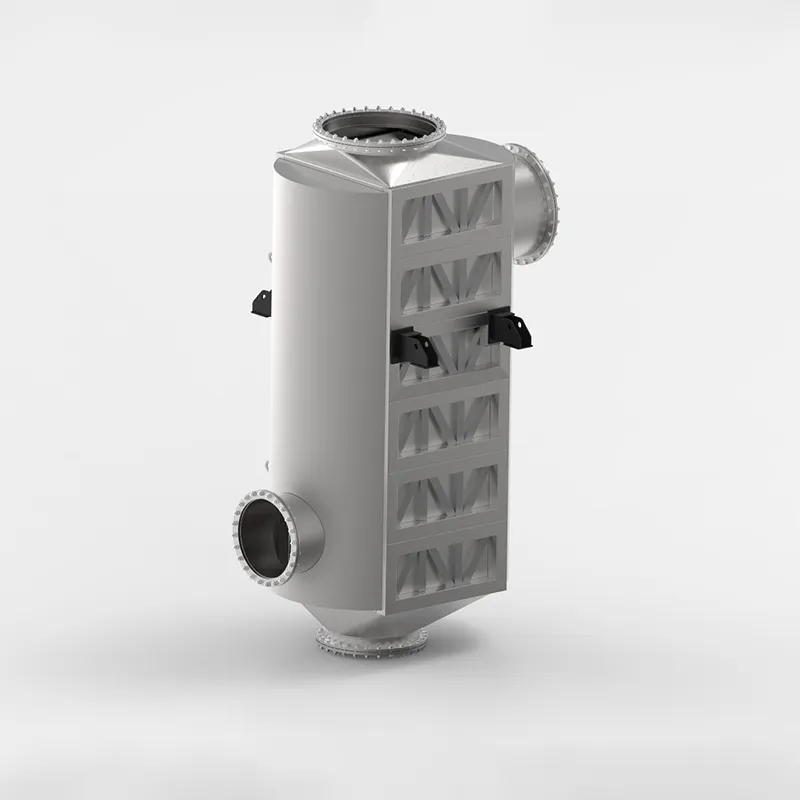
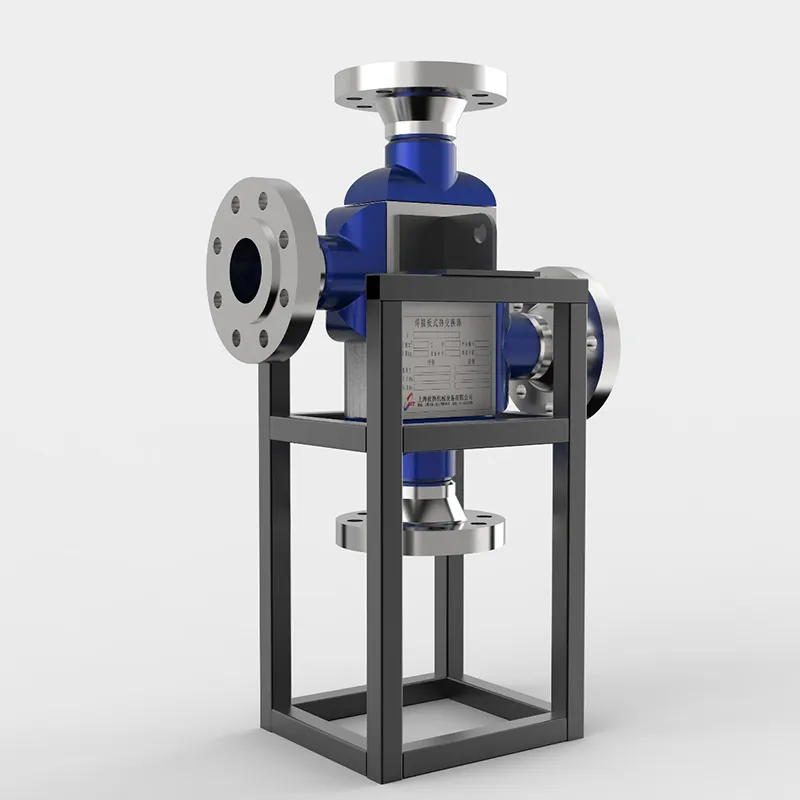
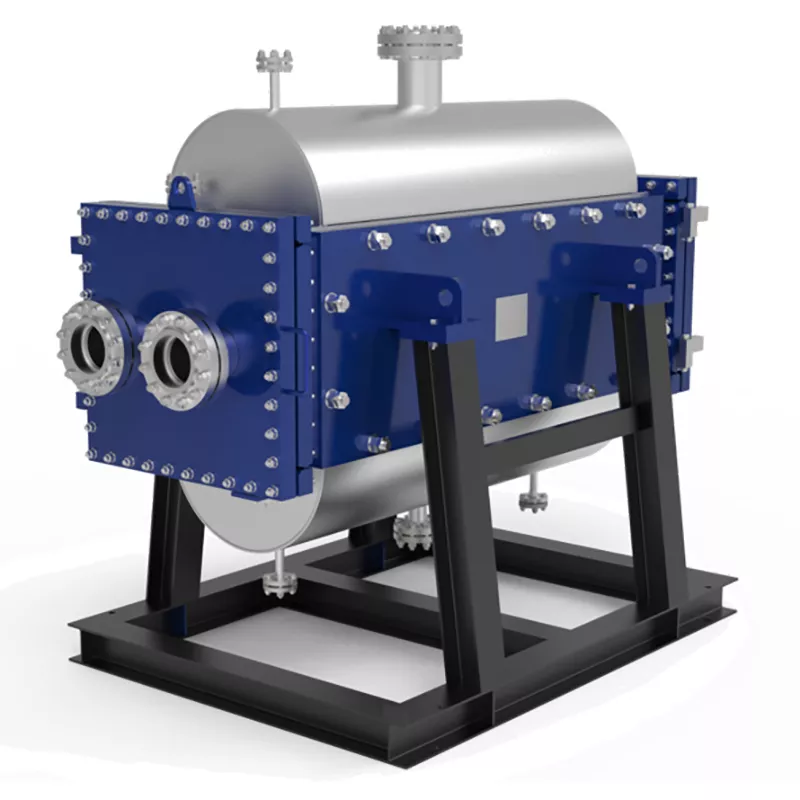
Integrating heat exchangers with economizers and air preheaters can recover waste heat from flue gases, reducing fuel consumption. For example, custom-engineered plate air preheaters are designed to maximize heat recovery in boiler systems. Similarly, gasketed plate heat exchangers offer high thermal efficiency in compact footprints, ideal for retrofitting existing steam plants. Welded plate heat exchangers, such as the HT-Bloc or TP welded types, provide durability for high-pressure steam applications.
Advanced Heat Exchanger Technologies
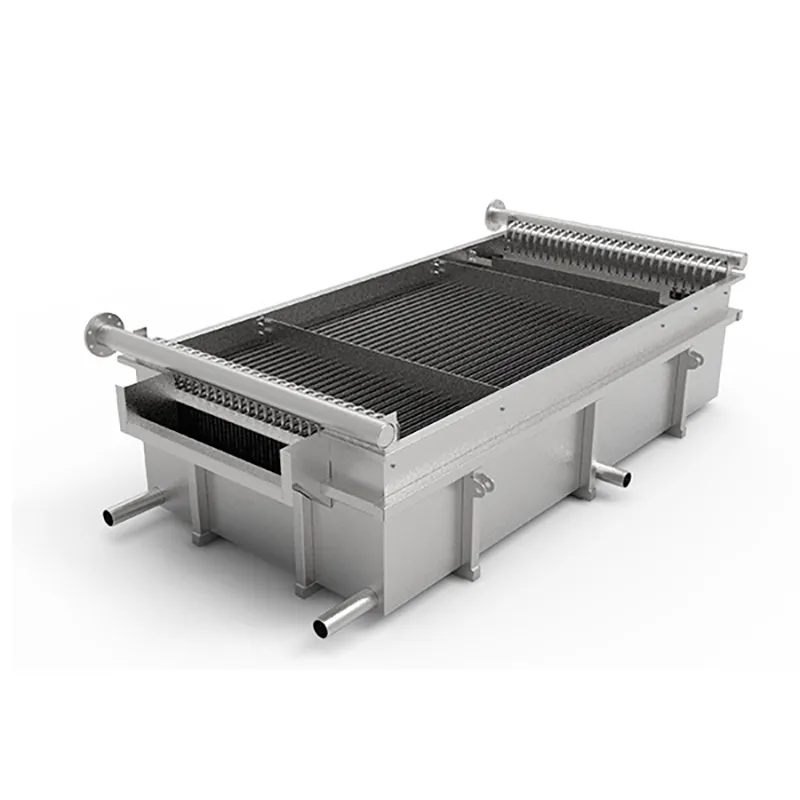
Printed circuit heat exchangers (PCHEs) enable high-temperature and high-pressure steam service with compact designs, suitable for advanced power cycles. Wide gap welded plate heat exchangers handle viscous fluids and fouling media common in biofuel and waste-to-energy plants. Pillow plate heat exchangers offer efficient heat transfer for jacketed vessels and steam heating panels. Each technology requires careful evaluation of thermal performance, mechanical integrity, and maintenance access.
For detailed specifications and engineering support, refer to product pages such as custom-engineered plate air preheaters, gasketed plate heat exchangers, HT-Bloc welded plate heat exchangers, printed circuit heat exchangers, wide gap welded plate heat exchangers, TP welded plate heat exchangers, and custom-engineered pillow plates.
HVAC Systems: Space Heating and Humidification Control
Steam heat exchangers are widely used in HVAC systems for space heating and humidification control. In space heating applications, steam is passed through coils or radiators to transfer thermal energy to the surrounding air, maintaining comfortable indoor temperatures in commercial and industrial buildings. The high latent heat of steam allows for efficient heat transfer with minimal equipment footprint.
For humidification control, steam heat exchangers inject clean steam directly into air handling units or ductwork. This process raises the moisture content of the supply air, preventing dryness and static electricity buildup while improving occupant comfort. Precise control of steam flow and temperature is essential to avoid over-humidification and condensation issues.
Key design considerations include selecting appropriate materials for corrosion resistance, sizing the heat exchanger to match the heating load, and incorporating condensate removal systems. Proper insulation and steam trap placement are critical to maintain efficiency and prevent water hammer. Modern systems often integrate modulating control valves for accurate temperature and humidity regulation.
Condensate Recovery and Thermal Energy Optimization
Condensate recovery is a critical process in steam systems, enabling the reuse of high-temperature water and reducing both energy consumption and water treatment costs. Effective thermal energy optimization through condensate recovery can improve overall plant efficiency by 10% to 30%.
Key design considerations include proper trapping, flash steam recovery, and material selection to handle corrosive condensate. The table below outlines typical performance parameters for optimized condensate recovery systems.
| Parameter |
Value Range |
Unit |
| Condensate Temperature |
80 – 120 |
°C |
| Recovery Efficiency |
85 – 95 |
% |
| Fuel Savings |
10 – 30 |
% |
| Flash Steam Recovery |
Up to 50 |
% of total steam |
The data indicates that recovering condensate at higher temperatures yields greater fuel savings and reduces the need for fresh boiler feedwater treatment. Proper insulation of condensate return lines and the use of flash tanks further enhance system performance.
For advanced heat exchanger designs that integrate condensate recovery, explore custom engineered plate air preheaters and gasketed plate heat exchangers for optimized thermal performance.
Material Selection and Corrosion Resistance Under High Temperature and Pressure
Selecting appropriate materials for steam heat exchangers operating under high temperature and pressure is critical to ensure long-term reliability and safety. Common materials include stainless steels (e.g., 304, 316, 321), nickel-based alloys (e.g., Inconel, Hastelloy), and titanium, each offering distinct corrosion resistance and mechanical strength profiles.
Corrosion mechanisms such as stress corrosion cracking, pitting, and oxidation are accelerated at elevated temperatures and pressures. Material selection must consider the steam chemistry, potential for condensate acidity, and cyclic thermal stresses. Proper alloy choice, combined with surface treatments or cladding, can mitigate these risks.
Design considerations include wall thickness calculations per ASME standards, allowance for corrosion/erosion, and compatibility with gasket or welding materials. Regular inspection and maintenance protocols are essential to detect early signs of material degradation.
Thermal Stress Management and Maintenance Accessibility in Design
Effective thermal stress management is critical in steam heat exchanger design to prevent material fatigue and failure. Designers must account for temperature gradients, differential expansion, and cyclic thermal loads. Common strategies include the use of expansion joints, flexible tube bundles, and carefully selected materials with compatible thermal expansion coefficients. Proper stress analysis, often via finite element methods, ensures that the equipment can withstand start-up, shutdown, and transient operating conditions without compromising structural integrity.
Maintenance accessibility is equally important for long-term operational efficiency. Heat exchangers should be designed with adequate space for tube cleaning, inspection, and replacement. Removable covers, hinged headers, and easy-to-disassemble gasketed joints facilitate routine maintenance. For welded plate designs, consideration of access points for non-destructive testing and repair is essential. Integrating these features from the initial design phase reduces downtime and extends the service life of the equipment.
Key Design Considerations:
- Selection of materials with matched thermal expansion rates
- Incorporation of expansion bellows or sliding tube supports
- Thermal barrier coatings or insulation to reduce gradients
- Design for easy access to tube sheets and sealing surfaces
- Provision of lifting points and clearance for maintenance tools
- Integration of inspection ports and drain connections
For further details on engineered solutions, refer to product-specific guidelines such as custom plate air preheaters or gasketed plate heat exchangers. Advanced designs like HT-bloc welded plate units and printed circuit heat exchangers offer improved thermal performance. For challenging fluids, consider wide-gap welded plate designs or TP welded plate exchangers. Specialized applications may benefit from custom pillow plates.
Summary
Steam heat exchangers are integral to industrial process heating, HVAC systems, and thermal energy optimization. Their design must balance high-temperature and high-pressure operation with material durability, corrosion resistance, and effective thermal stress management. Proper condensate recovery enhances overall system efficiency, while maintenance accessibility remains a critical factor for long-term reliability and operational safety.
Industrial Process Heating & Steam Generation Efficiency
Efficient steam generation and heat transfer directly impact production throughput and energy consumption. Design must optimize surface area, flow configuration, and insulation to minimize thermal losses.
HVAC Systems: Space Heating & Humidification Control
In building services, steam heat exchangers provide consistent space heating and precise humidification. Sizing and control responsiveness are key to maintaining indoor comfort and air quality.
Condensate Recovery & Thermal Energy Optimization
Recovering condensate reduces water treatment costs and recovers sensible heat. System design should incorporate efficient drainage, flash steam recovery, and proper piping to maximize energy reuse.
Material Selection & Corrosion Resistance
High temperatures and pressures demand materials such as stainless steel, alloys, or specialized coatings. Resistance to corrosion, erosion, and scaling extends equipment life and maintains performance.
Thermal Stress Management & Maintenance Accessibility
Differential thermal expansion can cause mechanical failure; design must include expansion joints, flexible supports, and stress-relief features. Accessible layout simplifies inspection, cleaning, and tube replacement, reducing downtime.
Effective steam heat exchanger design integrates efficiency, durability, and serviceability. Prioritizing condensate recovery, corrosion-resistant materials, and thermal stress mitigation ensures reliable operation across industrial and HVAC applications.
What Are the Key Applications and Design Considerations for Steam Heat Exchangers?
Steam heat exchangers are widely used in industrial process heating, HVAC systems, and condensate recovery. Key design considerations include material selection for corrosion resistance, thermal stress management, and maintenance accessibility.
How Does Steam Generation Efficiency Impact Industrial Process Heating?
Steam generation efficiency directly affects fuel consumption and operating costs. High-efficiency boilers and proper insulation reduce heat loss, while optimized steam distribution minimizes pressure drops and energy waste.
What Role Do Steam Heat Exchangers Play in HVAC Space Heating and Humidification Control?
In HVAC systems, steam heat exchangers provide consistent space heating and precise humidification. They transfer thermal energy to air handlers or radiant panels, ensuring comfortable indoor conditions and stable humidity levels.
Why Is Condensate Recovery Important for Thermal Energy Optimization?
Condensate recovery captures latent heat and reduces water treatment costs. Returning condensate to the boiler improves overall system efficiency, lowers fuel usage, and minimizes thermal pollution in discharge streams.
How Do Material Selection and Corrosion Resistance Affect Design Under High Temperature and Pressure?
Materials like stainless steel or high-alloy steels are chosen for their strength and corrosion resistance at elevated temperatures. Proper material selection prevents scaling, pitting, and stress corrosion cracking, extending equipment life and ensuring safety.

 English EN





User Comments
Service Experience Sharing from Real Customers
Elena
Process EngineerWe swapped out our old shell-and-tube units for these plate-style steam heat exchangers six months ago. The temperature control is way tighter—our batch consistency has never been this good. Plus, the footprint is smaller, which freed up floor space we desperately needed. Only gripe is the gaskets were a bit fiddly to install on the first go, but once you get the hang of it, it's smooth sailing.
Marcus
Maintenance SupervisorI've been in facilities maintenance for fifteen years, and these heat exchangers are a solid workhorse. They handle the steam hammer from our old boiler better than I expected. We did have one minor leak at a flange after three months, but the tech support was quick to send a replacement gasket kit. Easy to clean during shutdowns, which is a big plus for our team.
Priya
HVAC Systems DesignerSpec'd these for a new district heating project in a mixed-use building. The thermal efficiency numbers are legit—we hit a 94% recovery rate on the steam condensate side. Installation was straightforward, and the compact design let us fit it into a tight mechanical room without custom ductwork. My only note: make sure your piping alignment is spot-on; the flanges are a bit unforgiving if you're off by even a centimeter.
Jack
Shift OperatorWe use these in a small pharmaceutical pilot plant. They do the job for low-pressure steam, but I've noticed the pressure drop is higher than what the spec sheet suggested. Not a deal-breaker for our scale, but if you're pushing high flow rates, double-check your pump sizing. The build quality feels decent, though—no rust issues after a year of daily use with deionized water.