How to Choose the Right Stainless Steel Plate Heat Exchanger for Your Process?
Author: Industry Expert | Date: Jul-06-2026
Selecting the appropriate stainless steel plate heat exchanger for your industrial process requires a thorough evaluation of several critical factors to ensure optimal performance, longevity, and cost-efficiency. First, you must precisely define your process requirements including operating temperature range, maximum allowable pressure drop, and required flow rate, as these parameters directly influence the heat exchanger's design and material selection. Second, careful assessment of fluid media compatibility and corrosion resistance is essential; aggressive chemicals or high-chloride environments may demand specialized stainless steel grades such as 316L or duplex alloys to prevent premature failure. Third, comparing different plate types, chevron patterns, and gasket materials can significantly impact heat transfer coefficients and fouling tendencies, with high-efficiency patterns offering better thermal performance at the cost of increased pressure drop. Fourth, proper sizing and configuration decisions between single-pass and multi-pass arrangements, along with accurate plate count calculations, determine whether the unit meets your thermal duty while fitting within space constraints. Finally, evaluating long-term operational costs including maintenance accessibility, cleaning frequency, and gasket replacement intervals will help you avoid unexpected downtime and excessive lifecycle expenses. A well-chosen stainless steel plate heat exchanger not only enhances process efficiency but also provides reliable service under demanding conditions.
1. Understanding Your Process Requirements: Temperature, Pressure, and Flow Rate
Before selecting a stainless steel plate heat exchanger, it is essential to define the operating parameters of your process. The three critical factors are temperature, pressure, and flow rate, as they directly influence the heat exchanger design, material selection, and overall performance.
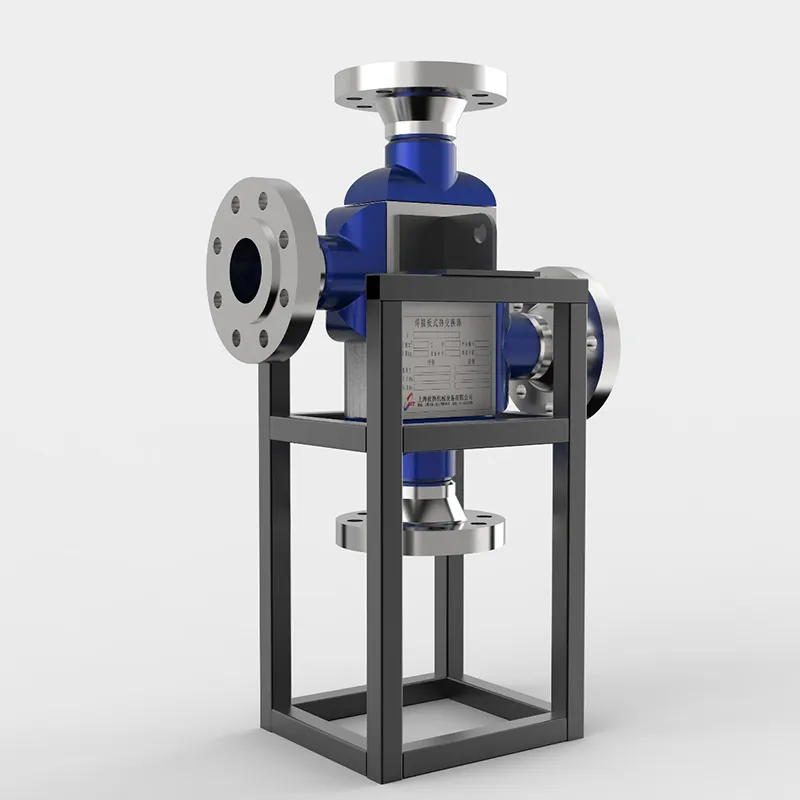
Temperature determines the thermal duty and the required heat transfer area. Both inlet and outlet temperatures of the hot and cold fluids must be known. High-temperature applications may require special gasket materials or welded plate designs, such as the HT-Bloc welded plate heat exchanger.
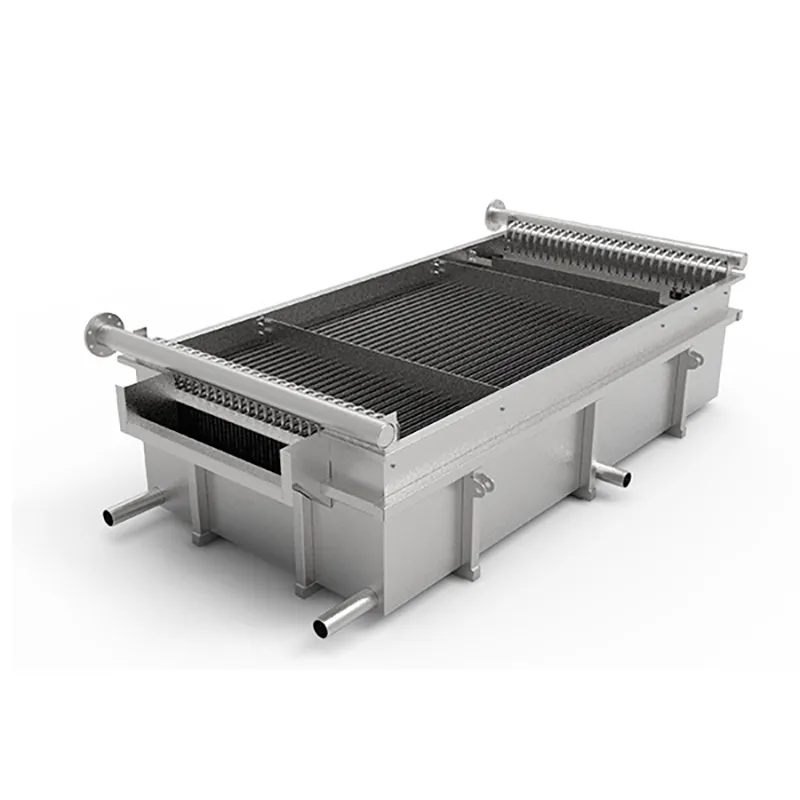
Pressure affects the mechanical strength of the plates and the sealing method. Higher pressures often necessitate fully welded or custom-engineered solutions, like the custom-engineered pillow plates or printed circuit heat exchangers.
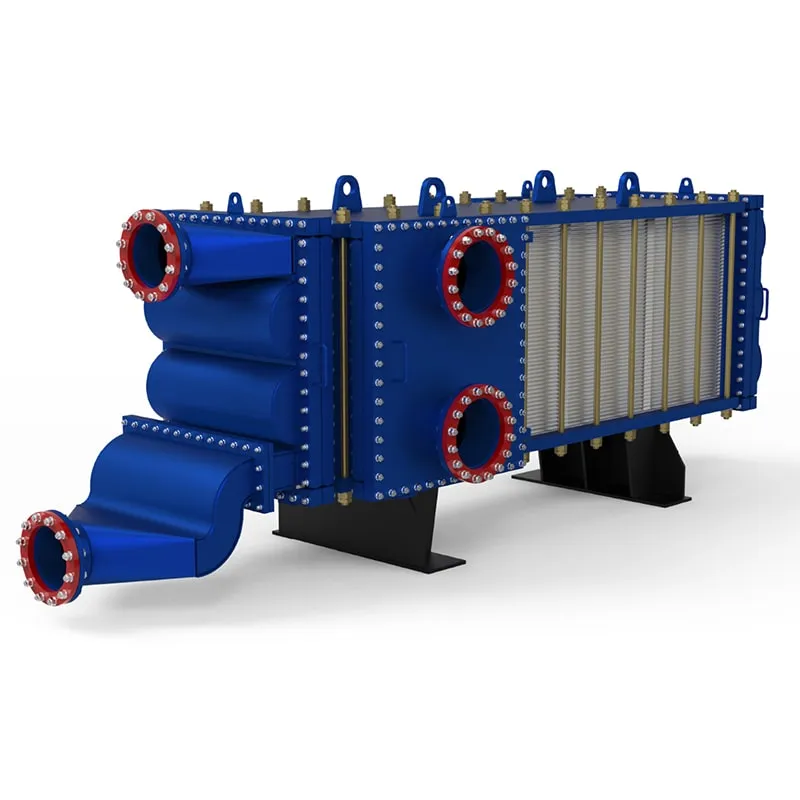
Flow rate determines the velocity through the channels and influences pressure drop. For processes with high flow rates or fluids containing solids, consider a wide-gap welded plate heat exchanger to avoid clogging.
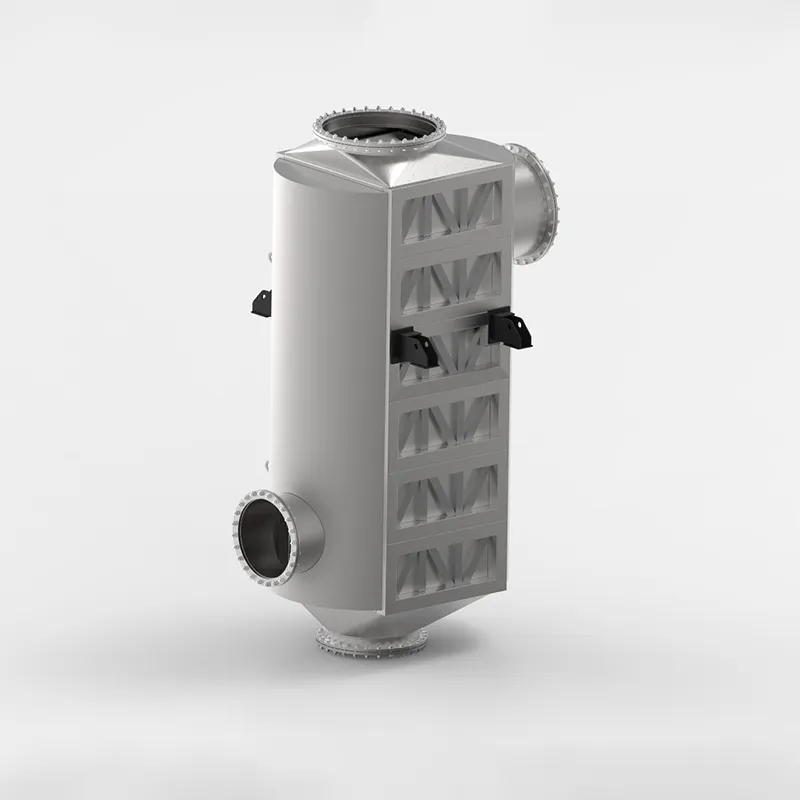
For standard applications, a gasketed plate heat exchanger offers flexibility and ease of maintenance. If your process involves air or gas heating, explore the custom-engineered plate air preheaters. For high-temperature and high-pressure duties, the TP welded plate heat exchanger is a robust choice.
Accurate process data ensures the heat exchanger is correctly sized and specified, leading to optimal efficiency and long service life.
2. Evaluating Material Compatibility and Corrosion Resistance for Your Fluid Media
The selection of stainless steel grade must align with the chemical composition, temperature, and concentration of your process fluids. Incompatible materials can lead to pitting, stress corrosion cracking, or general wastage, compromising heat transfer efficiency and equipment lifespan.
For chloride-rich media or acidic environments, higher alloyed stainless steels such as 316L or duplex grades offer enhanced resistance. Always consult corrosion charts and consider factors like pH levels, flow velocity, and potential for fouling to ensure long-term reliability.
Key considerations include verifying the material's resistance to specific ions (e.g., chlorides, sulfides) and ensuring the gasket or weld material matches the fluid's corrosivity. Regular inspection and proper fluid treatment further mitigate corrosion risks.
3. Comparing Plate Types, Patterns, and Gasket Materials for Optimal Heat Transfer
Selecting the correct plate geometry and gasket material is critical for maximizing thermal efficiency while ensuring long-term reliability. The table below outlines key differences among common stainless steel plate configurations.
| Plate Type |
Pattern |
Gasket Material |
Max Temp (°C) |
Typical Application |
| Herringbone |
Chevron |
NBR (Buna-N) |
120 |
General process heating/cooling |
| Washboard |
Corrugated |
EPDM |
150 |
Food & dairy processing |
| Dimpled |
Pillow |
Viton (FKM) |
200 |
High-temperature chemical processes |
| Flat |
Smooth |
PTFE |
230 |
Corrosive fluids, pharmaceutical |
Herringbone chevron patterns are widely used for their high turbulence and self-cleaning effect, making them suitable for fouling fluids. Washboard corrugated plates offer a balance between heat transfer area and pressure drop, ideal for viscous media. Dimpled pillow plates provide excellent strength under high pressure, while flat smooth plates minimize particle entrapment for sanitary applications.
Gasket material selection depends on temperature and chemical compatibility. NBR is cost-effective for moderate temperatures, EPDM resists ozone and steam, Viton handles aggressive chemicals and high heat, and PTFE offers near-universal chemical resistance but requires careful handling. For detailed product specifications, refer to the gasketed plate heat exchanger or wide gap welded plate designs.
Always verify operating limits with your supplier. Custom engineered solutions such as pillow plates or printed circuit heat exchangers may offer better performance for extreme conditions.
4. Sizing and Configuration: Single-Pass vs. Multi-Pass and Plate Count Considerations
Selecting the correct sizing and configuration is critical for thermal performance and operational efficiency. The choice between single-pass and multi-pass arrangements, along with the total plate count, directly impacts heat transfer rate, pressure drop, and maintenance accessibility.
Single-Pass Configuration: In a single-pass arrangement, both fluids flow through the entire plate pack without reversing direction. This design offers the lowest pressure drop and is ideal for processes where the temperature approach is moderate and flow rates are high. It simplifies cleaning and reduces fouling risks due to consistent flow velocity across all channels.
Multi-Pass Configuration: Multi-pass designs route one or both fluids through the plate pack multiple times by using internal dividers or external piping. This increases the effective heat transfer surface area within a compact footprint, enabling closer temperature approaches (as low as 1°C). However, it results in higher pressure drop and may complicate cleaning procedures. Multi-pass is preferred for temperature cross situations or when space is limited.
Plate Count Considerations: The number of plates determines the total heat transfer area and directly influences thermal duty. Increasing plate count enhances heat transfer but also raises pressure drop and capital cost. A minimum plate count is required to maintain turbulent flow and prevent laminar zones that cause fouling. For viscous fluids or those with suspended solids, fewer plates with wider gaps may be necessary to avoid clogging. Always balance plate count against allowable pressure drop and cleaning frequency.
When sizing, consider the thermal length (number of thermal plates) and the number of passes to achieve the desired outlet temperatures. Use manufacturer sizing software or consult with thermal engineers to optimize the combination of pass arrangement and plate count for your specific process conditions.
5. Assessing Maintenance, Cleaning, and Long-Term Operational Costs
Evaluating the ease of maintenance and cleaning is essential for minimizing downtime. Gasketed plate heat exchangers allow for easy disassembly and manual cleaning, while welded or brazed units may require chemical cleaning or backflushing. Consider the fouling tendency of your process fluid and the accessibility of the unit.
Long-term operational costs include energy consumption, spare parts availability, and the frequency of gasket replacements. For high-temperature or corrosive applications, HT-Bloc welded plate heat exchangers offer robust performance with reduced maintenance needs. Similarly, wide-gap welded designs handle viscous fluids and solids with lower cleaning frequency.
When assessing total cost of ownership, factor in the expected lifespan of the heat exchanger and the cost of cleaning agents or replacement parts. For processes requiring high hygiene standards, gasketed plate heat exchangers provide full access for inspection and sanitation. In contrast, custom-engineered pillow plates offer a sealed, low-maintenance solution for specialized applications.
Always request detailed maintenance schedules and cleaning recommendations from the manufacturer. For extreme conditions, printed circuit heat exchangers provide compact, durable designs with minimal fouling. Similarly, TP welded plate heat exchangers are built for high-pressure duties with reduced maintenance intervals. For air preheating applications, custom-engineered plate air preheaters offer long service life with straightforward cleaning access.
Ultimately, selecting a design that balances initial investment with predictable, low long-term operational costs will ensure optimal process efficiency and return on investment.
Summary
Selecting the appropriate stainless steel plate heat exchanger requires a thorough evaluation of your process parameters, including temperature, pressure, and flow rate. Material compatibility with your fluid media is essential to prevent corrosion and ensure long-term reliability. Comparing plate geometries, flow patterns, and gasket materials directly influences heat transfer efficiency and system performance.
Proper sizing and configuration—whether single-pass or multi-pass—along with the correct plate count, determine the exchanger's ability to meet thermal duties while minimizing pressure drop. Maintenance requirements, cleaning accessibility, and total operational costs over the equipment lifecycle should also guide your final decision.
A balanced approach that integrates these technical and economic factors will lead to a heat exchanger solution that delivers consistent performance, durability, and cost-effectiveness for your specific process application.
How to Choose the Right Stainless Steel Plate Heat Exchanger for Your Process?
Q: What process parameters should I start with when selecting a heat exchanger?
A: Begin by defining your process requirements: temperature range, operating pressure, and flow rate. These three factors determine the thermal duty, plate material thickness, and pressure drop calculations needed for proper sizing.
Q: How do I evaluate material compatibility for my fluid media?
A: Analyze the chemical composition, pH level, chloride content, and potential for fouling or scaling. For corrosive fluids, stainless steel 316L or higher-grade alloys (e.g., 904L, titanium) may be required. Always consult corrosion resistance charts specific to your media.
Q: What plate types and patterns are best for optimal heat transfer?
A: Chevron (herringbone) patterns provide high turbulence and heat transfer coefficients. Low-angle plates suit low-pressure drops, while high-angle plates maximize heat transfer. Gasket materials (NBR, EPDM, Viton) must match temperature and chemical resistance needs.
Q: How do I decide between single-pass and multi-pass configurations?
A: Single-pass designs are simpler and better for clean fluids with low pressure drop requirements. Multi-pass configurations increase velocity and heat transfer for viscous or fouling fluids but raise pressure drop. Plate count is adjusted to meet the required thermal duty and available space.
Q: What should I consider for long-term maintenance and operational costs?
A: Evaluate ease of disassembly for cleaning, gasket replacement frequency, and availability of spare parts. Plate heat exchangers with bolted frames allow easy access, while brazed units are more compact but harder to service. Factor in downtime, cleaning chemicals, and energy efficiency over the equipment lifecycle.

 English EN





User Comments
Service Experience Sharing from Real Customers
Liam
Maintenance SupervisorWe swapped out our old gasketed units for these stainless steel plate heat exchangers in the cooling loop, and the difference is night and day. No more worrying about gasket blowouts or corrosion from the glycol mix. The pressure drop is lower than I expected, and cleaning the plates has been straightforward. Solid build quality for the price.
Chloe
Process EngineerI specified these for a dairy pasteurization skid. The 316L stainless steel holds up well to the CIP chemicals we run daily. My only minor gripe is that the frame bolts could be a bit beefier for our high-vibration setup, but once torqued properly, they stay put. Thermal efficiency is excellent—we cut our steam usage by about 8%.
Ethan
HVAC Project ManagerInstalled a bank of these in a district cooling plant. The stainless steel construction was non-negotiable for the brackish water loop, and they’ve been running flawlessly for eight months now. No pitting, no leaks. The compact footprint saved us a lot of space compared to shell-and-tube. Would definitely buy again.
Olivia
Reliability EngineerThey work fine for moderate temperature differentials, but I pushed them near the rated limit on a heat recovery application and saw some slight plate distortion after a few cycles. Customer support was helpful and replaced the pack, but it made me cautious. For standard duty, they’re a good value. Just don’t expect them to handle sustained thermal shock like a more expensive brand.