How to Select the Right Stainless Plate Heat Exchanger for Your Application?
Author: Engineering Team
Date: Jul-06-2026
Selecting the right stainless plate heat exchanger requires a thorough evaluation of material compatibility with process fluids to prevent corrosion and fouling, alongside an understanding of plate geometry and flow configuration to maximize heat transfer efficiency. Operating parameters such as temperature, pressure, and thermal duty must be carefully assessed to ensure the unit meets system demands without exceeding design limits. Maintenance needs, cleanability, and long-term reliability are critical for minimizing downtime and extending service life. Cost comparison, proper sizing, and careful supplier selection further determine the optimal fit for the application. A well-chosen heat exchanger balances performance, durability, and economic factors, delivering consistent thermal management under varying operational conditions while adhering to industry standards and safety requirements.
Key Considerations for Material Selection and Compatibility with Process Fluids
Selecting the correct material for a stainless plate heat exchanger is critical to ensuring long-term performance and resistance to corrosion. The choice depends heavily on the chemical composition, temperature, and pressure of the process fluids involved.
Fluid Corrosivity and Material Grade
For mildly corrosive fluids such as clean water or steam, standard 304 stainless steel often provides sufficient durability. In contrast, aggressive media containing chlorides or acids typically require higher-grade alloys like 316L or 904L to prevent pitting and stress corrosion cracking.
Temperature and Pressure Limits
Each stainless steel grade has defined operating ranges. For high-temperature applications exceeding 400°C, specialized materials such as Incoloy or Hastelloy may be necessary to maintain structural integrity. Always verify the maximum allowable working pressure for the selected plate material.
Compatibility with Cleaning Agents
Process fluids often require periodic cleaning with strong acids or alkalis. Ensure the plate material can withstand the cleaning chemical concentration and temperature without degradation. For example, titanium offers excellent resistance to chlorinated cleaners.
Gasket and Seal Material Interaction
The compatibility of gasket materials with both the process fluid and the stainless steel plates must be evaluated. Elastomers like EPDM or Viton should be selected based on fluid type and temperature to avoid swelling or hardening.
Industry Standards and Certifications
Compliance with standards such as ASME, PED, or FDA is often required depending on the application. For food or pharmaceutical processes, the material must be non-reactive and easy to sanitize. Review relevant certifications before final selection.
Further Technical Resources
For detailed material compatibility charts and application-specific guidance, refer to the following product pages:
Understanding Plate Geometry, Flow Configuration, and Heat Transfer Efficiency
Plate geometry directly influences turbulence and heat transfer surface area. Chevron patterns, herringbone angles, and plate depth determine fluid flow characteristics and pressure drop. Selecting the correct plate geometry ensures optimal thermal performance for your specific fluid properties and operating conditions.
Flow configuration, whether counter-current, co-current, or cross-flow, affects the temperature approach and overall heat transfer coefficient. Counter-current flow typically provides the highest thermal efficiency, making it suitable for applications requiring close temperature approaches. Understanding your process temperatures and flow rates helps determine the ideal configuration.
Heat transfer efficiency is governed by the overall heat transfer coefficient (U-value), which depends on plate material, fouling resistance, and fluid properties. Stainless steel plates offer excellent corrosion resistance and thermal conductivity. Proper selection of plate thickness and surface enhancements maximizes efficiency while maintaining durability in demanding environments.
Evaluate your application parameters including flow rates, inlet/outlet temperatures, pressure drop limits, and fluid characteristics. Consulting with experienced manufacturers ensures the plate heat exchanger design meets your performance requirements while providing long-term reliability and energy savings.
Evaluating Operating Parameters: Temperature, Pressure, and Thermal Duty Requirements
The selection process begins with a thorough evaluation of your system's operating parameters. Temperature extremes, pressure levels, and thermal duty directly influence the plate material, gasket type, and overall design of the heat exchanger. Accurate specification of these parameters ensures optimal performance and long-term reliability.
Temperature affects material selection and thermal expansion considerations. Pressure determines the plate thickness and the type of sealing technology required. Thermal duty, measured in kW or BTU/hr, defines the required heat transfer area and flow configuration.
Typical Operating Parameter Ranges for Stainless Plate Heat Exchangers
| Parameter |
Typical Range |
Considerations |
| Operating Temperature |
-20°C to 200°C |
Higher temperatures may require special gasket materials or welded construction. |
| Operating Pressure |
Up to 30 bar (435 psi) |
Higher pressures require thicker plates and robust frame designs. |
| Thermal Duty |
10 kW to 10,000 kW |
Larger duties require more plates or larger plate sizes. |
| Flow Rate |
1 m³/h to 500 m³/h |
Flow rate affects pressure drop and channel velocity. |
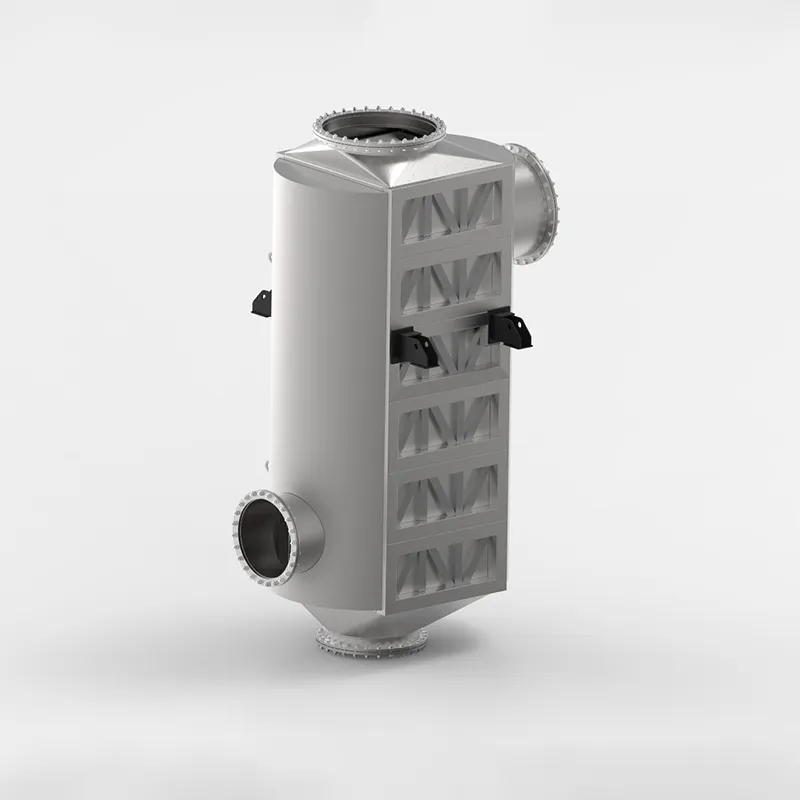
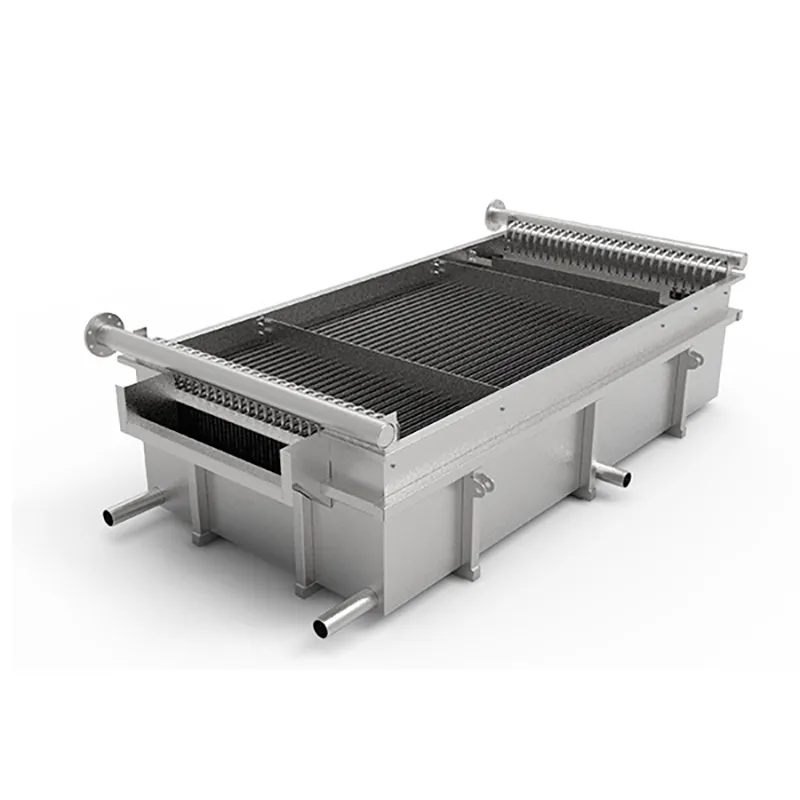
The data above provides a general guideline. For applications exceeding these ranges, custom-engineered solutions are available. For example, custom plate air preheaters are designed for high-temperature gas-to-gas heat recovery, while pillow plate designs offer enhanced pressure handling for demanding industrial processes.
When evaluating thermal duty, consider both the sensible and latent heat components. For applications involving phase change, such as steam condensation or fluid evaporation, the thermal duty calculation must account for the latent heat of vaporization. This is critical for sizing the heat exchanger correctly.
Pressure drop is another important factor. While stainless plate heat exchangers are known for high thermal efficiency, they also create a certain pressure drop. Balancing thermal performance with acceptable pressure loss is key. For viscous fluids or fluids containing solids, wide-gap plate designs such as wide gap welded plate heat exchangers provide unobstructed flow paths.
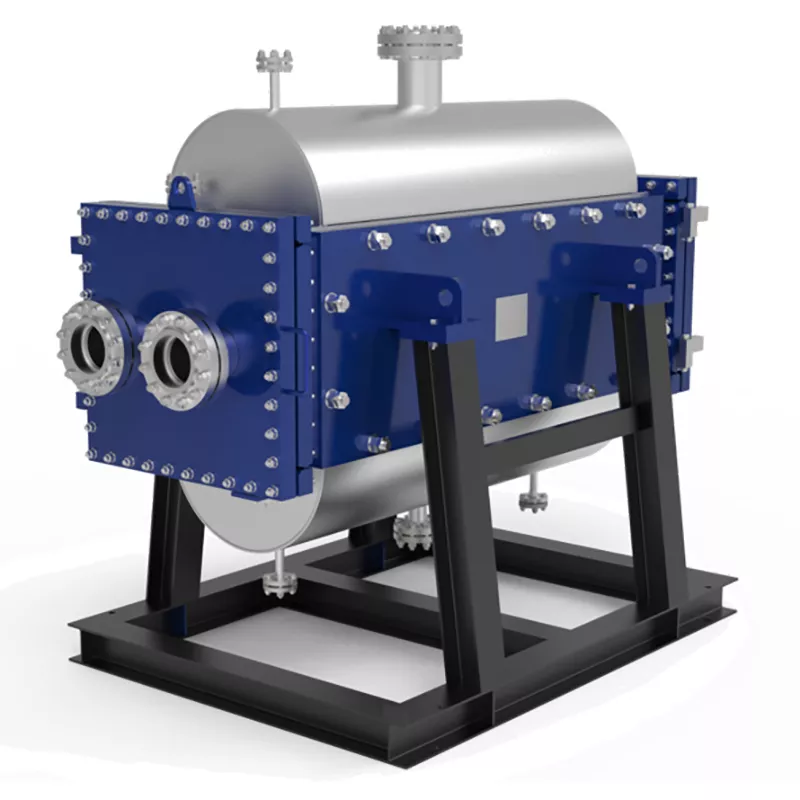
For extreme high-pressure or high-temperature applications, consider printed circuit heat exchangers (PCHEs) which can withstand pressures exceeding 200 bar and temperatures up to 600°C. Alternatively, HT-Bloc welded plate heat exchangers offer a robust solution for high-temperature duties without gaskets.
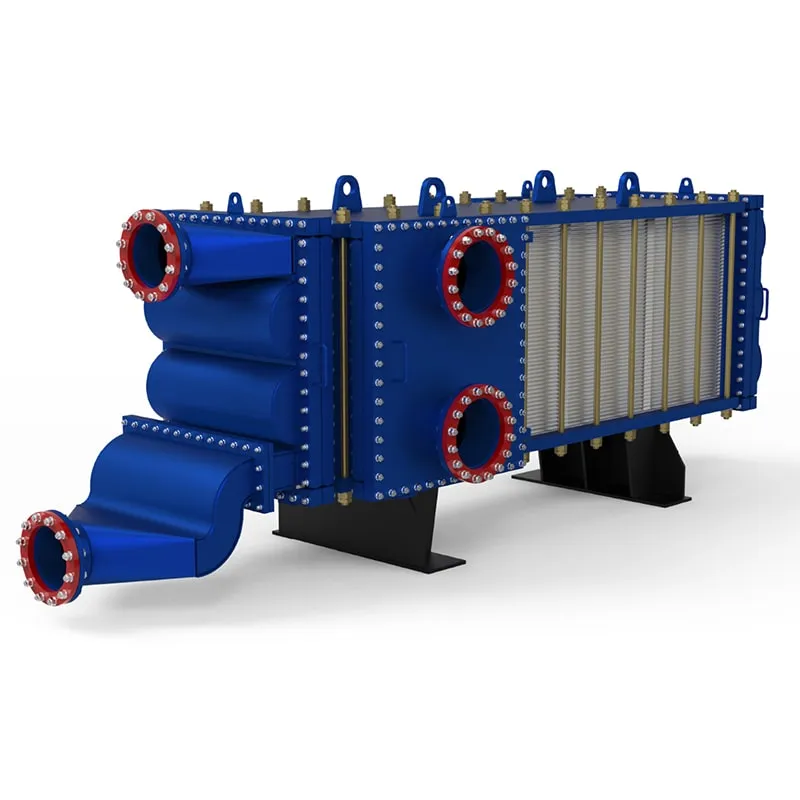
Always consult with a thermal engineer to validate your operating parameters before final selection. Proper evaluation of temperature, pressure, and thermal duty ensures that the selected stainless plate heat exchanger will deliver reliable, efficient performance over its entire service life. For gasketed applications, gasketed plate heat exchangers provide flexibility and ease of maintenance, while TP welded plate heat exchangers offer a fully welded alternative for aggressive media.
Assessing Maintenance Needs, Cleanability, and Long-Term Reliability
Maintenance requirements vary significantly across different stainless plate heat exchanger designs. Units with smooth plate surfaces and wide gap channels generally offer superior cleanability, reducing downtime for chemical or mechanical cleaning. For applications involving fouling fluids or particulate matter, selecting a model with accessible plate packs and simple disassembly features is critical to maintaining thermal performance over time.
Long-term reliability depends on material quality, gasket compatibility, and resistance to thermal cycling. Stainless steel grades such as 304 or 316L provide excellent corrosion resistance in most industrial environments, while proper gasket selection ensures leak-free operation under varying temperatures and pressures. Regular inspection of gasket condition and plate alignment can extend service life significantly.
When evaluating options, consider the ease of on-site cleaning without full disassembly. Some designs support CIP (Clean-in-Place) protocols, which reduce labor costs and process interruptions. Additionally, modular plate configurations allow for future capacity adjustments, enhancing the exchanger's long-term value and adaptability to changing process demands.
For detailed technical specifications and application guidance, consult the product documentation provided by the manufacturer. This resource includes maintenance schedules, cleaning recommendations, and reliability data to support informed decision-making for your specific process conditions.
Comparing Cost, Sizing, and Supplier Selection for Optimal Application Fit
Selecting the correct stainless plate heat exchanger requires a balanced evaluation of initial investment, thermal performance, and long-term reliability. Cost analysis should include not only the purchase price but also installation, maintenance, and energy consumption over the equipment lifecycle.
Cost Considerations
Plate material grade, gasket type, and pressure rating directly affect the upfront cost. For high-temperature or corrosive fluids, stainless steel 316L or titanium plates may be necessary, increasing the budget. Compare total cost of ownership rather than just the initial quote.
Sizing and Thermal Duty
Accurate sizing depends on flow rates, temperature differentials, and allowable pressure drop. Oversizing leads to unnecessary expense, while undersizing causes performance shortfalls. Use process data to calculate required heat transfer area and number of plates.
Supplier Selection Criteria
Evaluate suppliers based on engineering support, customization capability, and after-sales service. A reliable partner should provide detailed thermal calculations, material certifications, and warranty terms. Review industry references and request sample specifications.
Application-Specific Matching
Different applications demand different plate geometries and flow arrangements. For viscous fluids or fluids with solids, consider wide-gap or welded plate designs. For high-pressure duties, printed circuit heat exchangers may offer better performance.
Explore relevant product options:
Summary & Final Recommendations
Selecting the optimal stainless plate heat exchanger requires a balanced evaluation of material compatibility, thermal performance, and long-term serviceability. The following key points consolidate the critical decision factors discussed throughout this guide.
Material Selection & Fluid Compatibility
Verify that plate and gasket materials resist corrosion, erosion, and chemical attack from your process fluids. Stainless grades 316L, 304, or duplex alloys offer varying levels of chloride resistance; always match the material to fluid pH, temperature, and fouling tendency.
Plate Geometry & Flow Configuration
Chevron angle, channel depth, and plate corrugation directly affect turbulence and heat transfer coefficient. Counter-current flow maximizes thermal efficiency; parallel or series arrangements should be chosen based on allowable pressure drop and temperature cross requirements.
Operating Parameters & Thermal Duty
Accurately define maximum working temperature, design pressure, and required heat duty. Oversizing leads to unnecessary cost; undersizing risks performance failure. Always include safety margins for transient conditions and fouling factors.
Maintenance, Cleaning & Reliability
Plate heat exchangers offer high cleanability when designed with accessible gasket systems and adequate port sizes. Evaluate CIP (clean-in-place) compatibility, gasket lifespan, and ease of plate replacement to ensure long-term operational reliability.
Cost, Sizing & Supplier Selection
Compare total lifecycle cost — not only initial purchase price but also energy consumption, maintenance intervals, and spare parts availability. Choose a supplier with proven application expertise, responsive technical support, and a track record of delivering correctly sized units.
A well-selected stainless plate heat exchanger delivers efficient heat transfer, resists process fluid attack, and remains serviceable over decades. By systematically evaluating material compatibility, plate geometry, operating limits, maintenance requirements, and total cost, you can confidently specify a unit that aligns with both process demands and business objectives. Always request detailed thermal datasheets and material certificates from suppliers before finalizing your selection.
How to Select the Right Stainless Plate Heat Exchanger for Your Application?
Key Considerations for Material Selection and Compatibility with Process Fluids
Selecting materials that resist corrosion and chemical attack from your specific process fluids is critical. For aggressive media, higher-grade stainless steel (e.g., 316L) or specialty alloys may be required. Always verify material compatibility with fluid pH, chloride content, and temperature to prevent premature failure.
Understanding Plate Geometry, Flow Configuration, and Heat Transfer Efficiency
How does plate geometry affect performance?
Chevron angle, plate depth, and corrugation pattern directly influence turbulence and heat transfer coefficient. High-angle plates (60°) provide higher efficiency but greater pressure drop, while low-angle plates (30°) offer lower pressure drop with reduced thermal performance. Counter-flow configuration typically maximizes temperature approach.
Evaluating Operating Parameters: Temperature, Pressure, and Thermal Duty Requirements
What operating limits should be checked?
Verify maximum allowable working pressure (MAWP) and temperature range against your system's peak conditions. Thermal duty (kW or BTU/hr) determines required surface area. Oversizing by 10-15% is common for fouling allowance, but excessive oversizing reduces velocity and increases fouling risk.
Assessing Maintenance Needs, Cleanability, and Long-Term Reliability
How to ensure easy maintenance?
Choose designs with accessible plate packs and removable end covers. Gasket materials (EPDM, NBR, Viton) must match fluid and temperature. For frequent cleaning, consider frame designs that allow in-place CIP (clean-in-place) or easy plate removal. Regular inspection intervals should be planned for gasket replacement.
Comparing Cost, Sizing, and Supplier Selection for Optimal Application Fit
What factors influence total cost?
Beyond initial purchase price, consider installation footprint, energy consumption (pressure drop), maintenance frequency, and spare parts availability. Request thermal performance guarantees from suppliers. Evaluate at least three vendors for competitive pricing and check references for reliability in similar applications.

 English EN





User Comments
Service Experience Sharing from Real Customers
Ethan
Maintenance SupervisorWe swapped out our old gasketed units for these stainless plate heat exchangers in the dairy pasteurization line. The CIP cycle is way more effective now—no more milkstone buildup between plates. Solid build quality, and the pressure drop stayed within spec even after three months of continuous use. Highly recommend for any food processing setup.
Liam
Chemical Process EngineerNeeded a compact solution for a solvent cooling loop in our pilot plant. These stainless units handled the thermal cycling without any leaks. Only giving 4 stars because the bolt torque specs in the manual were a bit conservative—had to tighten them a second time after the first heat-up. Otherwise, performs exactly as expected for aggressive fluids.
Olivia
HVAC TechnicianInstalled this in a geothermal heat pump system for a commercial building. The 316L stainless plates are holding up great against the slightly acidic groundwater. Took a bit of effort to align the plates during assembly, but once torqued, it sealed perfectly. Been running six months with zero maintenance. Quiet operation too.
Mason
Marine EngineerUsing these on a fishing vessel for engine jacket water cooling. Seawater side is brutal on metals, but the stainless plates have no pitting after two seasons. The frame could use a slightly thicker coating for salt spray environments, but the plates themselves are top-notch. Would buy again for the next refit.