Why a Marine Plate Heat Exchanger Is Essential for Shipboard Cooling Systems
A marine plate heat exchanger is a critical component in shipboard cooling systems, ensuring efficient heat transfer for engines, hydraulics, and auxiliary machinery. This article explains how these compact units handle seawater and freshwater circuits, their typical performance parameters, and why selecting the right design—whether gasketed, welded, or wide gap—can improve vessel reliability and reduce maintenance. We also discuss how SHPHE, a Shanghai-based manufacturer with ISO9001 and ASME U certifications, provides free thermal design services to help you match the correct heat exchanger to your marine application.
What Is a Marine Plate Heat Exchanger and Why Does It Matter?
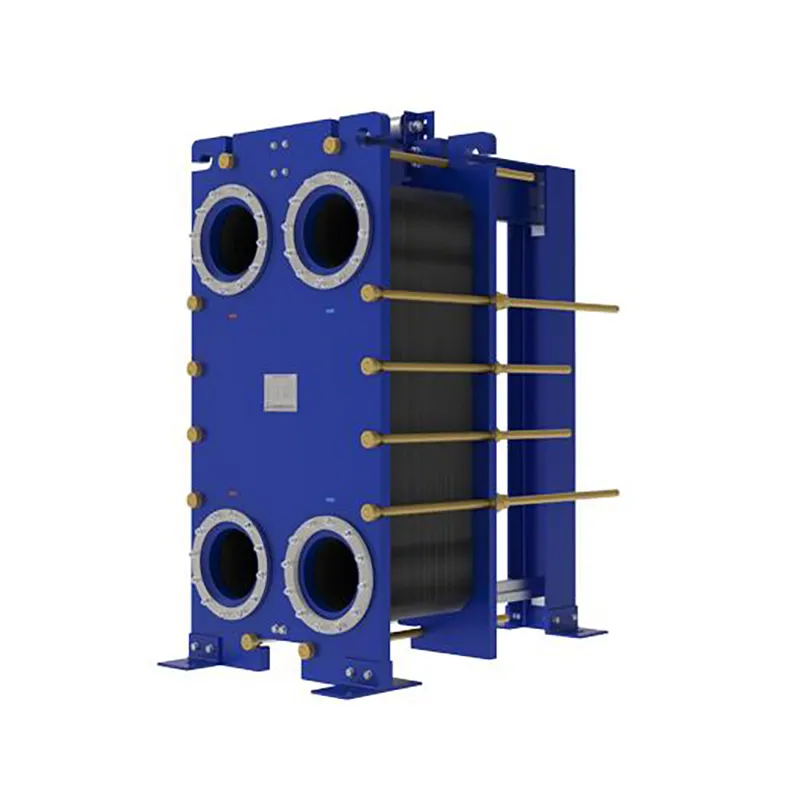
A marine plate heat exchanger uses a stack of corrugated metal plates to transfer heat between two fluids—typically seawater on one side and freshwater or engine coolant on the other. In shipboard cooling systems, this device prevents overheating of main engines, generators, and hydraulic systems. Without a reliable marine plate heat exchanger, vessels risk thermal stress, reduced efficiency, and costly downtime. The compact design saves valuable engine-room space, while the plate geometry provides high turbulence for superior heat transfer coefficients compared to shell-and-tube units.
How Does a Marine Plate Heat Exchanger Work in a Shipboard Environment?
In a typical marine cooling circuit, seawater is drawn from the sea chest, filtered, and pumped through the heat exchanger. The hot freshwater from the engine jacket passes through alternate plate channels, transferring heat to the seawater. The corrugated plates create turbulent flow, which enhances heat transfer and reduces fouling. Many vessels use a central freshwater loop with a marine plate heat exchanger as the interface between the closed circuit and raw seawater. This arrangement protects engine components from corrosion and allows precise temperature control.
Key Features and Typical Parameter Ranges for Marine Plate Heat Exchangers
Marine plate heat exchangers are built to withstand harsh operating conditions. Common features include:
- Plate materials: titanium (for seawater resistance) or stainless steel 316L
- Gasket materials: EPDM, NBR, or Viton for temperature and chemical compatibility
- Design pressure: up to 25 bar (gasketed) and 40 bar (welded)
- Design temperature: -20°C to 180°C for gasketed; up to 350°C for welded
- Flow capacity: from 10 m³/h to 2,000 m³/h per unit
These ranges are industry-standard and apply to most shipboard cooling applications. For specific duty requirements, SHPHE offers free thermal design and selection to ensure the marine plate heat exchanger meets your exact flow, temperature, and pressure conditions.
What Are the Common Applications for Marine Plate Heat Exchangers?
Marine plate heat exchangers are used across various shipboard systems:
- Main engine jacket water cooling
- Lubricating oil cooling for engines and gearboxes
- Hydraulic oil cooling for deck machinery and thrusters
- Central freshwater cooling systems
- Air conditioning and refrigeration condensers
Each application requires careful consideration of fluid properties, fouling tendency, and allowable pressure drop. For example, seawater cooling often demands titanium plates to prevent pitting corrosion, while oil cooling benefits from wide-gap designs that handle viscous fluids without clogging.
Why Choose SHPHE for Your Marine Plate Heat Exchanger Needs?
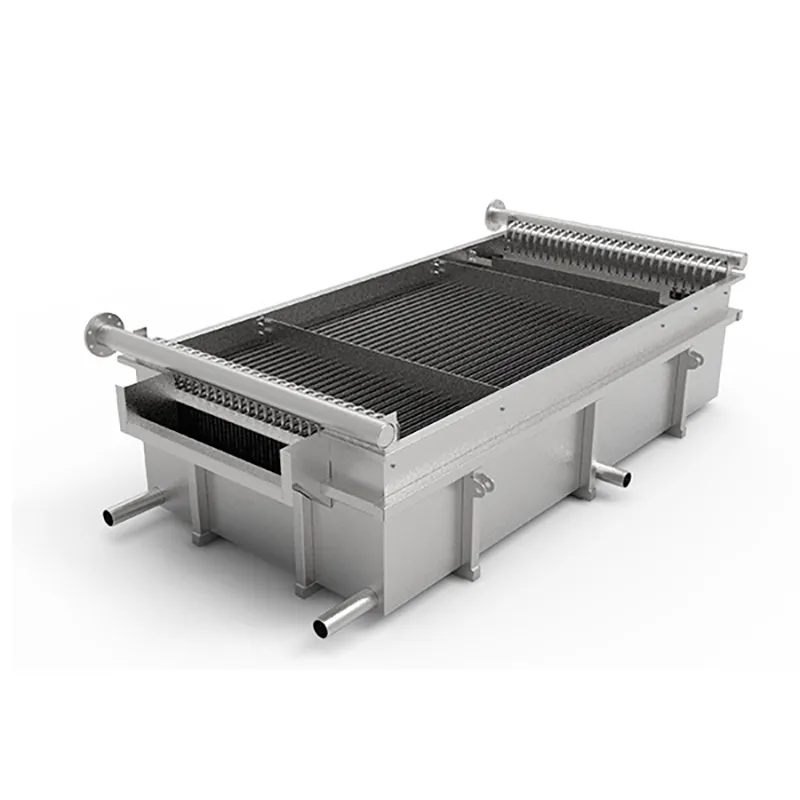
SHPHE, founded in 2005 in Shanghai, has exported plate heat exchangers to more than 20 countries. The company holds ISO9001 and ASME U certifications, ensuring quality and safety for marine applications. Their product range includes gasketed plate heat exchangers, HT-Bloc/TP welded plate heat exchangers, wide gap welded plate heat exchangers, and PCHE units. These designs are compatible with or serve as alternatives to Alfa Laval, Compabloc, and GEA equipment. SHPHE provides free thermal design and selection, helping you choose the right marine plate heat exchanger without upfront engineering costs. Their experienced team also offers custom-engineered solutions like plate air preheaters and pillow plates for specialized shipboard needs.
Frequently Asked Questions About Marine Plate Heat Exchangers
What material is best for a marine plate heat exchanger in seawater service?
Titanium is the preferred material for plates in seawater applications because it resists pitting and crevice corrosion. Stainless steel 316L can be used in lower-chloride environments but is not recommended for direct seawater contact over long periods.
How often should a marine plate heat exchanger be cleaned?
Cleaning frequency depends on seawater quality and operating conditions. Typically, inspection every 6 to 12 months is recommended. If you notice a pressure drop increase or reduced cooling capacity, cleaning should be scheduled sooner. Gasketed designs allow easy plate access for mechanical or chemical cleaning.
Can a gasketed plate heat exchanger be used for high-temperature marine applications?
Gasketed units are generally suitable up to 180°C with appropriate gasket materials like Viton. For temperatures above that, welded plate heat exchangers (such as HT-Bloc or TP welded designs) are recommended to avoid gasket failure and leakage.
What is the difference between a wide gap and a standard plate heat exchanger for marine use?
Wide gap plate heat exchangers have larger plate spacing, typically 5 to 10 mm, allowing fluids with suspended solids or high viscosity to pass without clogging. Standard plate heat exchangers have tighter gaps (2 to 4 mm) and are better for clean fluids like freshwater or low-viscosity oils.
How do I select the right marine plate heat exchanger for my vessel?
You need to provide flow rate, inlet and outlet temperatures, allowable pressure drop, and fluid type (including seawater salinity if applicable). SHPHE offers free thermal design and selection—simply submit these parameters, and their engineers will recommend the optimal plate configuration and material.
Are SHPHE marine plate heat exchangers compatible with existing Alfa Laval or GEA systems?
Yes, SHPHE designs gasketed and welded plate heat exchangers that are compatible with or serve as direct alternatives to Alfa Laval, Compabloc, and GEA equipment. They match port dimensions, plate patterns, and gasket profiles to ensure drop-in replacement without piping modifications.
Request a Quote for Your Marine Plate Heat Exchanger
To get a precise recommendation for your shipboard cooling system, please provide the following details: flow rate (m³/h), inlet and outlet temperatures (°C), operating pressure (bar), fluid type (seawater, freshwater, oil, or other), and any space constraints. SHPHE offers free thermal design and selection to ensure your marine plate heat exchanger delivers reliable performance. Contact their engineering team today to start your custom solution.
A well-chosen marine plate heat exchanger is essential for maintaining efficient shipboard cooling systems. Whether you need a gasketed, welded, or wide gap design, SHPHE provides certified products and free engineering support to match your vessel's requirements. Don't compromise on cooling reliability—reach out with your process parameters and let their experts guide you to the right solution.

 English EN





User Comments
Service Experience Sharing from Real Customers
Tom
Chief EngineerWe installed this marine plate heat exchanger on our supply vessel six months ago. It handles the seawater side like a champ—no clogging issues even in tropical waters. The titanium plates are a lifesaver for corrosion resistance. Saved us a ton on maintenance compared to the old shell-and-tube unit.
Emma
Maintenance TechnicianHad to replace a gasket last week, but honestly, the design is way easier to open and clean than I expected. The manual could be clearer about torque specs, but once you figure it out, it's solid. Runs quiet and efficient on our fish processing trawler. Would buy again.
Liam
Offshore Installation ManagerFor a high-pressure duty on an FPSO, this exchanger hasn't missed a beat. The plate count was spot-on for our cooling loop, and delivery was faster than quoted. My crew appreciates the compact footprint—frees up space in a tight engine room. No leaks after three months of continuous operation.
Sophie
Marine Systems DesignerSpec'd this for a newbuild research vessel. Thermal performance matches the datasheet closely, and the pressure drop is within acceptable limits. Only minor gripe: the flange bolt holes on our unit were slightly misaligned with the pipework—took an extra hour to fit. Otherwise, great value for the price.