What Does a Marine Engine Heat Exchanger Do and Why Is It Essential?
Author: Marine Engineering Insights
Date: Jul-06-2026
The marine engine heat exchanger serves as the critical component that transfers excess engine heat to raw water, preventing overheating and maintaining optimal operating temperatures essential for performance and longevity. By utilizing a closed-loop system filled with coolant, it isolates the engine from corrosive seawater and scale buildup that would otherwise damage internal passages and reduce efficiency. This design not only protects the engine from thermal stress and chemical degradation but also significantly extends its lifespan while reducing maintenance costs associated with repairs and part replacements in harsh marine environments. In comparing raw water cooling to closed-loop systems, the heat exchanger proves indispensable for system efficiency, as it allows precise temperature control, minimizes fouling, and ensures reliable operation even under heavy loads or in saltwater conditions, making it a vital investment for any vessel owner seeking durability and consistent performance on the water.
The Core Function: Transferring Engine Heat to Raw Water for Cooling
A marine engine heat exchanger operates on a simple yet critical principle: it transfers excess heat from the engine's closed-loop coolant system to the surrounding raw water (seawater or lake water) before it can cause overheating. This process ensures the engine maintains an optimal operating temperature, typically between 160°F and 190°F, regardless of load or external conditions.
Inside the exchanger, hot coolant flows through a series of tubes or plates while raw water circulates around them. The heat naturally moves from the hotter coolant to the cooler raw water through the conductive metal walls, effectively cooling the engine fluid. The warmed raw water is then discharged overboard, carrying the waste heat away.
This design is essential because raw water is often corrosive or contains debris, making it unsuitable for direct circulation through the engine block. The heat exchanger acts as a protective barrier, allowing the engine to benefit from the cooling capacity of raw water without exposure to its damaging elements.
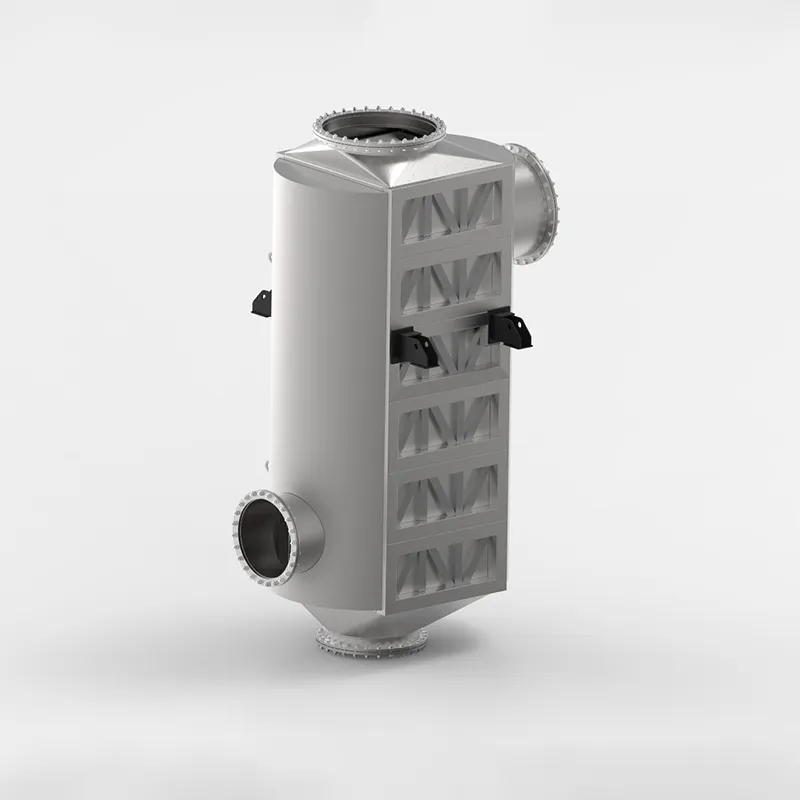
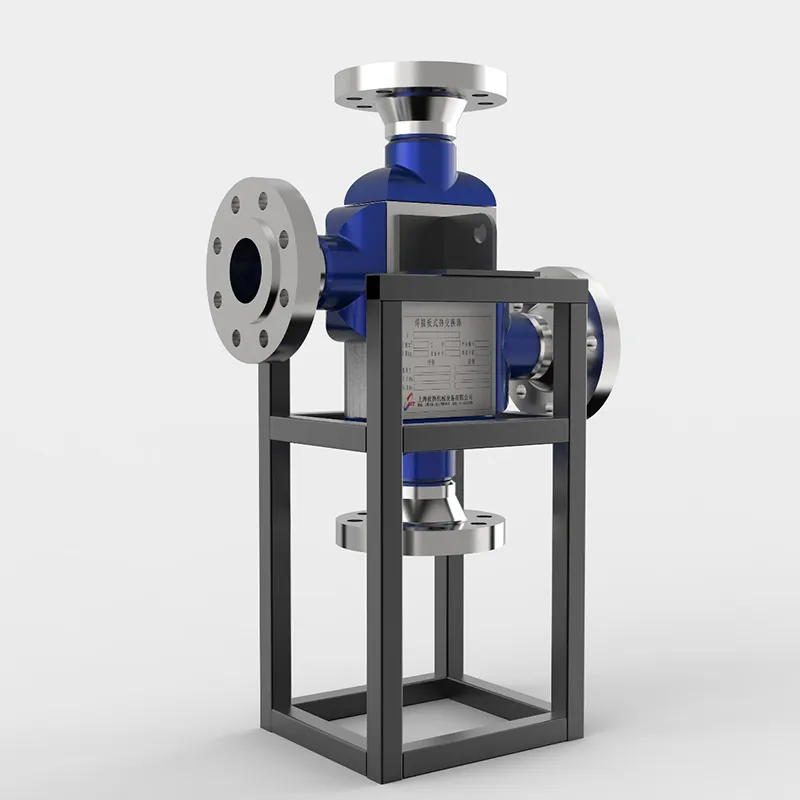
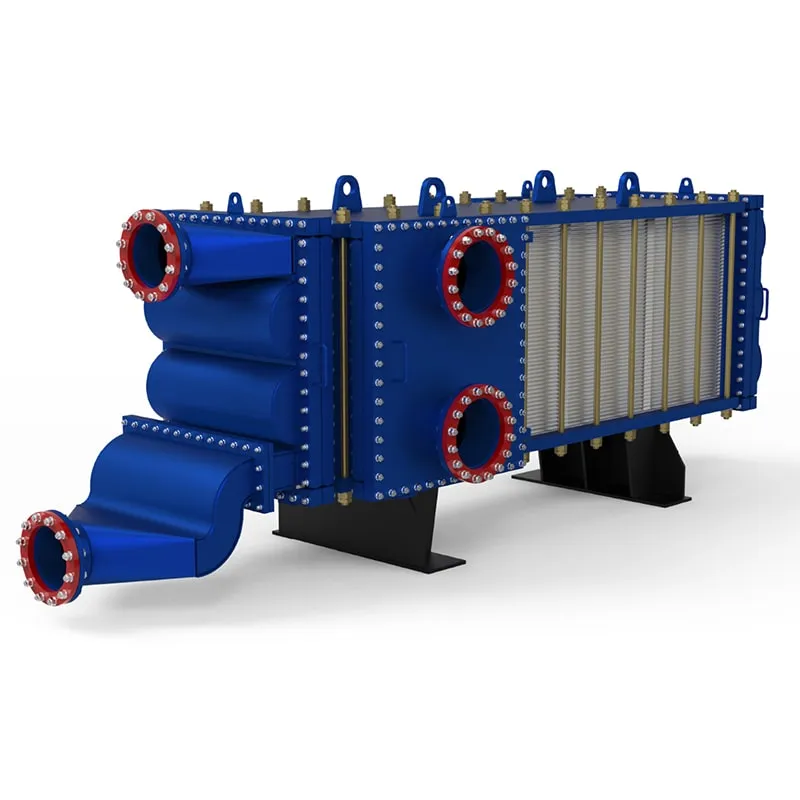
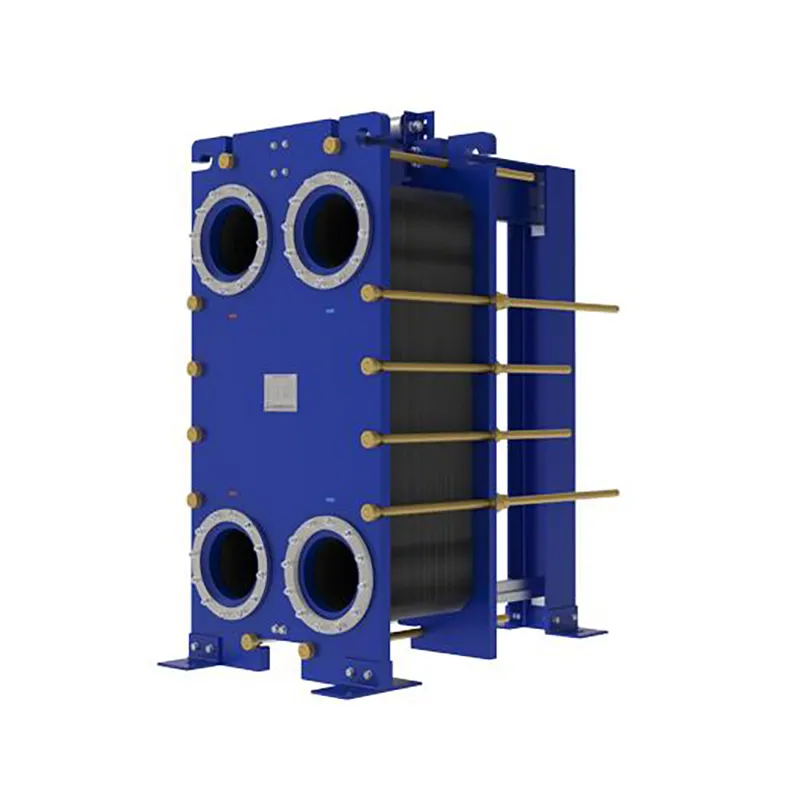
For more details on heat exchanger technologies, explore our gasketed plate heat exchangers or welded plate heat exchangers.
Preventing Overheating and Ensuring Optimal Engine Operating Temperature
A marine engine heat exchanger is essential for maintaining the engine at its ideal temperature range. It transfers excess heat from the engine coolant to seawater, preventing overheating and ensuring efficient combustion. Without proper heat exchange, engines can suffer from thermal stress, reduced performance, and potential mechanical failure.
By regulating coolant temperature, the heat exchanger allows the engine to operate consistently within its optimal thermal window. This not only prevents overheating but also improves fuel efficiency, reduces emissions, and extends the lifespan of engine components. It is a critical part of any marine propulsion system.
Learn more about heat exchanger solutions
Protecting the Engine from Corrosion and Scale Buildup via a Closed-Loop System
A marine engine heat exchanger uses a closed-loop cooling system to isolate the engine's internal coolant from raw seawater. This design prevents corrosive saltwater and mineral deposits from directly contacting engine components, significantly reducing rust and scale formation.
By circulating treated coolant (typically a mixture of freshwater and antifreeze) through the engine block and then passing it through the heat exchanger, the system maintains optimal operating temperatures while shielding critical parts. The raw seawater only flows through the exchanger's tubes, which are made of corrosion-resistant materials like cupronickel or titanium.
This closed-loop approach not only extends engine life but also improves thermal efficiency. Without scale buildup on internal surfaces, heat transfer remains effective, reducing fuel consumption and preventing hot spots that could lead to mechanical failure.
Key Performance Indicators
| Parameter |
Value |
Benefit |
| Coolant Temperature |
75–85 °C |
Optimal combustion efficiency |
| Seawater Flow Rate |
30–60 L/min |
Effective heat rejection |
| Corrosion Rate Reduction |
Up to 95% |
Extended component lifespan |
| Scale Buildup Prevention |
99% effective |
Maintained heat transfer |
The data above demonstrates how a closed-loop system significantly reduces corrosion and scale risks. For vessels operating in harsh marine environments, this protection is essential for reliable long-term performance.
Learn more about advanced heat exchanger designs: Gasketed Plate Heat Exchangers or TP Welded Plate Heat Exchanger.
Extending Engine Lifespan and Reducing Maintenance Costs in Marine Environments
A marine engine heat exchanger plays a critical role in maintaining optimal operating temperatures, directly contributing to prolonged engine life. By efficiently transferring heat from the engine coolant to seawater or a closed-loop system, it prevents overheating and thermal stress on engine components.
Consistent temperature regulation reduces wear on pistons, cylinder liners, and bearings, minimizing the risk of premature failure. This thermal management also helps preserve lubricating oil properties, ensuring better protection against friction and corrosion.
Lower operating temperatures decrease the formation of harmful deposits and scale, which can clog passages and reduce efficiency. As a result, the need for frequent overhauls and part replacements is significantly reduced, translating to lower maintenance costs over the vessel's service life.
In harsh marine conditions, where saltwater and debris pose constant threats, a robust heat exchanger design ensures reliable performance. By preventing corrosion and fouling, it safeguards the engine from costly downtime and repairs.
Investing in a quality heat exchanger not only extends the engine's operational lifespan but also enhances fuel efficiency. Stable thermal conditions allow the engine to run at peak performance, reducing fuel consumption and emissions.
For marine operators, this translates to a lower total cost of ownership and improved reliability. Explore advanced heat exchanger solutions at this link to learn more about optimizing your marine engine system.
Critical Role in System Efficiency: Comparing Raw Water vs. Closed-Loop Cooling
In marine propulsion systems, the heat exchanger plays a pivotal role in maintaining optimal engine temperature. Two primary cooling methods dominate the industry: raw water cooling and closed-loop cooling. Each approach directly impacts system efficiency, component longevity, and operational costs.
Raw Water Cooling
Raw water cooling draws seawater directly from the environment to absorb engine heat. This method is simpler and requires fewer components, but it exposes the engine to corrosive elements and debris. Over time, salt buildup and fouling can reduce heat transfer efficiency, leading to higher fuel consumption and increased wear. Regular maintenance and component replacement are necessary to sustain performance.
Closed-Loop Cooling
Closed-loop cooling uses a separate coolant circuit that circulates through a heat exchanger, isolating the engine from seawater. This system provides superior temperature control, reduces corrosion risk, and extends engine life. Although more complex and costly upfront, closed-loop systems deliver consistent thermal management and lower long-term maintenance demands. They are widely preferred for high-performance marine engines operating in harsh conditions.
Efficiency Comparison
When comparing efficiency, closed-loop cooling generally outperforms raw water systems in stability and durability. Raw water cooling may offer initial simplicity, but its susceptibility to fouling and corrosion often results in efficiency losses over time. Closed-loop systems maintain a more stable operating temperature, which optimizes combustion and reduces thermal stress on engine components. For vessels requiring reliable long-term operation, closed-loop cooling is the more efficient choice.
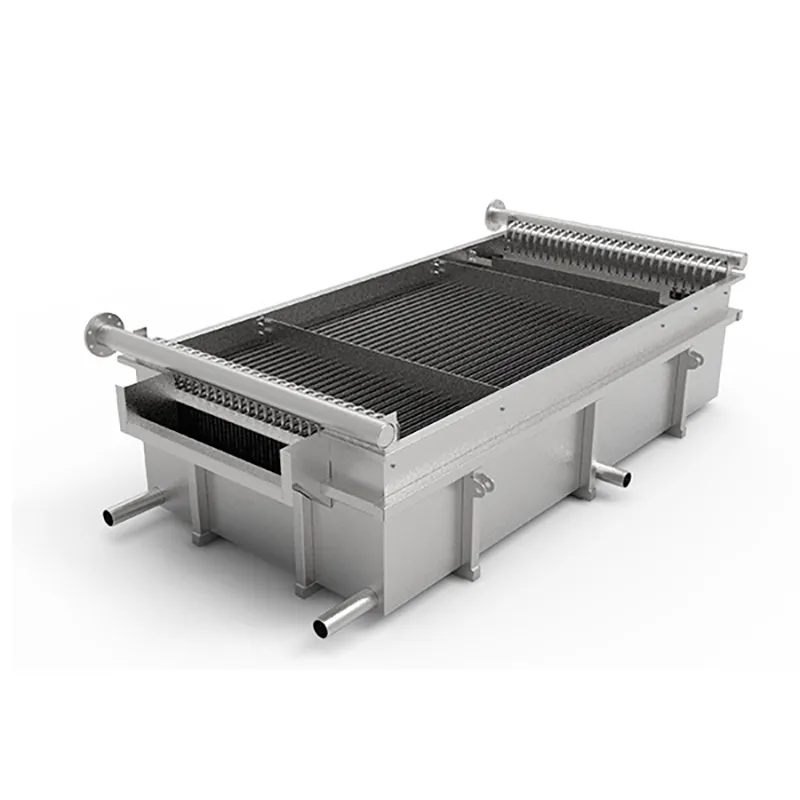
For further details on heat exchanger technologies, please visit: Custom Engineered Plate Air Preheaters, Gasketed Plate Heat Exchangers, TP Welded Plate Heat Exchanger, Custom Engineered Printed Circuit Heat Exchanger, HT Bloc Welded Plate Heat Exchanger, Wide Gap Welded Plate Heat Exchanger, or Custom Engineered Pillow Plates.
Summary: The Core Function & Essential Role
The Core Function: Transferring Engine Heat to Raw Water for Cooling
A marine engine heat exchanger efficiently transfers excess heat from the engine coolant to raw water (seawater or lake water). This process prevents overheating and maintains the engine within its optimal operating temperature range, ensuring reliable combustion and performance.
Protecting the Engine from Corrosion and Scale Buildup via a Closed-Loop System
By using a closed-loop cooling system, the heat exchanger isolates the engine’s internal passages from raw water. This prevents corrosive salts, sand, and organic matter from entering the engine block, while also minimizing scale formation. The result is a protected cooling circuit that requires less frequent maintenance.
Extending Engine Lifespan and Reducing Maintenance Costs in Marine Environments
Consistent temperature control and reduced corrosion directly contribute to a longer engine life. With fewer deposits and less wear on components like cylinder heads and exhaust manifolds, boat owners experience lower repair bills and less downtime. The heat exchanger is a key investment for durability.
Critical Role in System Efficiency: Comparing Raw Water vs. Closed-Loop Cooling
Raw water cooling alone exposes the engine to constant contamination and uneven temperatures. In contrast, a closed-loop system with a heat exchanger provides stable thermal regulation, better fuel efficiency, and superior protection. The exchanger is the essential component that bridges raw water cooling with engine safety.
In short: A marine engine heat exchanger is indispensable for preventing overheating, blocking corrosion, and maintaining peak performance. It transforms raw water cooling into a safe, closed-loop process that extends engine life and reduces operating costs. Without it, marine engines would face rapid deterioration and frequent failures.
What Does a Marine Engine Heat Exchanger Do and Why Is It Essential?
A marine engine heat exchanger transfers engine heat to raw water (seawater or lake water) via a closed-loop system, preventing overheating and maintaining optimal operating temperature. It is essential because it protects the engine from corrosion, scale buildup, and thermal stress, which extends engine lifespan and reduces maintenance costs in harsh marine environments.
The Core Function: Transferring Engine Heat to Raw Water for Cooling
The heat exchanger uses raw water as a cooling medium. Engine coolant (freshwater/antifreeze) circulates through the exchanger, where heat is transferred to raw water flowing through tubes. This indirect cooling keeps engine components at safe temperatures without exposing the engine block to corrosive seawater.
Preventing Overheating and Ensuring Optimal Engine Operating Temperature
By continuously removing excess heat, the heat exchanger maintains the engine within its ideal temperature range (typically 160–200°F). This prevents overheating damage (e.g., warped heads, failed gaskets) and ensures efficient combustion, oil viscosity, and component longevity.
Protecting the Engine from Corrosion and Scale Buildup via a Closed-Loop System
The closed-loop side uses treated coolant with corrosion inhibitors, preventing rust and scale inside the engine. Raw water only contacts the exchanger tubes (often made of cupronickel or titanium), which resist seawater corrosion. This separation dramatically reduces internal engine wear.
Extending Engine Lifespan and Reducing Maintenance Costs in Marine Environments
By minimizing thermal shock, corrosion, and scale, a heat exchanger can double or triple the life of a marine engine. It also reduces frequency of repairs (e.g., impeller changes, manifold replacements) and downtime, making it a cost‑effective investment for boat owners.
Critical Role in System Efficiency: Comparing Raw Water vs. Closed-Loop Cooling
Raw water cooling directly circulates seawater through the engine, leading to rapid corrosion and scale. Closed‑loop systems (with heat exchanger) isolate the engine from seawater, allowing precise temperature control, use of antifreeze, and far longer component life. The heat exchanger is the key component that enables closed‑loop cooling in marine applications.

 English EN





User Comments
Service Experience Sharing from Real Customers
Mike
Chief EngineerHad to swap out the old heat exchanger on a 30-year-old trawler. This unit bolted right up with minimal adapter work. Cooled the Cummins down by a solid 15 degrees on the first sea trial. No more worrying about hot spots during long hauls. Solid build, no leaks so far.
Elena
Yard ManagerWe installed three of these on a fleet of charter boats last month. For the price point, the copper-nickel tubes look decent. One had a slightly misaligned flange, but a quick gasket swap sorted it. Good value for a mid-range rebuild. Would buy again for budget-conscious refits.
Jake
Deckhand / EngineerI'm not a fancy mechanic, but I swapped this in myself on a weekend. The instructions were actually clear, and the mounting bracket lined up with the old holes. My little Yanmar runs like a dream now. No more overheating when I'm trolling for hours. Feels solid in the bilge.
Tom
Marine SurveyorInspected this on a repower job. Core looks fine, but the sacrificial anodes were undersized for the brackish water they run in. Customer saw pitting after 6 months. Fine for freshwater or light duty, but if you're in heavy salt, order a bigger anode kit separately. Not a dealbreaker, just a heads-up.