What Is the Typical Plate Heat Exchanger Cost Range for Common Sizes?
Factors Influencing Plate Heat Exchanger Pricing by Size Category, Cost Breakdown for Small-Scale Plate Heat Exchangers (Under 50 Plates), Mid-Range Plate Heat Exchanger Costs for Industrial Applications (50–200 Plates), Large-Scale Plate Heat Exchanger Pricing for Heavy-Duty Processes (Over 200 Plates), Additional Cost Considerations: Materials, Gaskets, and Custom Configurations
Jul-06-2026
The cost of plate heat exchangers varies significantly depending on size, application, and material specifications. For small-scale units under 50 plates, prices typically range from $1,500 to $8,000, with basic stainless steel models at the lower end and corrosion-resistant alloys at the higher end. Mid-range industrial units with 50 to 200 plates generally cost between $8,000 and $35,000, driven by factors such as plate count, pressure rating, and gasket material selection. Large-scale heavy-duty exchangers exceeding 200 plates can range from $35,000 to over $100,000, especially when designed for high-temperature or high-pressure processes. Additional cost considerations include custom plate configurations, specialized gaskets (e.g., EPDM, NBR, or Viton), and frame materials. Understanding these cost drivers helps buyers budget accurately and select the most cost-effective solution for their thermal management needs.
Factors Influencing Plate Heat Exchanger Pricing by Size Category
The cost of a plate heat exchanger varies significantly based on its size category, which directly correlates with heat transfer capacity, plate count, and frame dimensions. Below is an overview of key pricing factors for common size ranges.
Small Plate Heat Exchangers (Compact Units)
Small units, typically used for low-flow applications or residential systems, generally have a lower plate count and smaller frame size. Material choice (stainless steel vs. titanium) and gasket type are primary cost drivers. Prices for these compact models are influenced by port size and pressure rating, with standard designs being more economical.
Medium Plate Heat Exchangers (Industrial Standard)
Medium-sized exchangers are common in HVAC and process industries. The cost is heavily affected by the number of plates, which determines the surface area, and the frame construction (carbon steel or stainless steel). Customization for specific fluids, such as aggressive chemicals, can increase pricing. Connection type and thermal performance requirements also play a significant role.
Large Plate Heat Exchangers (High-Capacity Systems)
Large units, designed for high flow rates and demanding industrial applications, have substantial frame sizes and plate counts. Key pricing factors include the material grade (e.g., 316L, duplex), plate thickness, and high-pressure capabilities. Welded or semi-welded designs, which offer leak-free performance, are more expensive than gasketed alternatives. Custom engineering and compliance with international standards further influence the final cost.
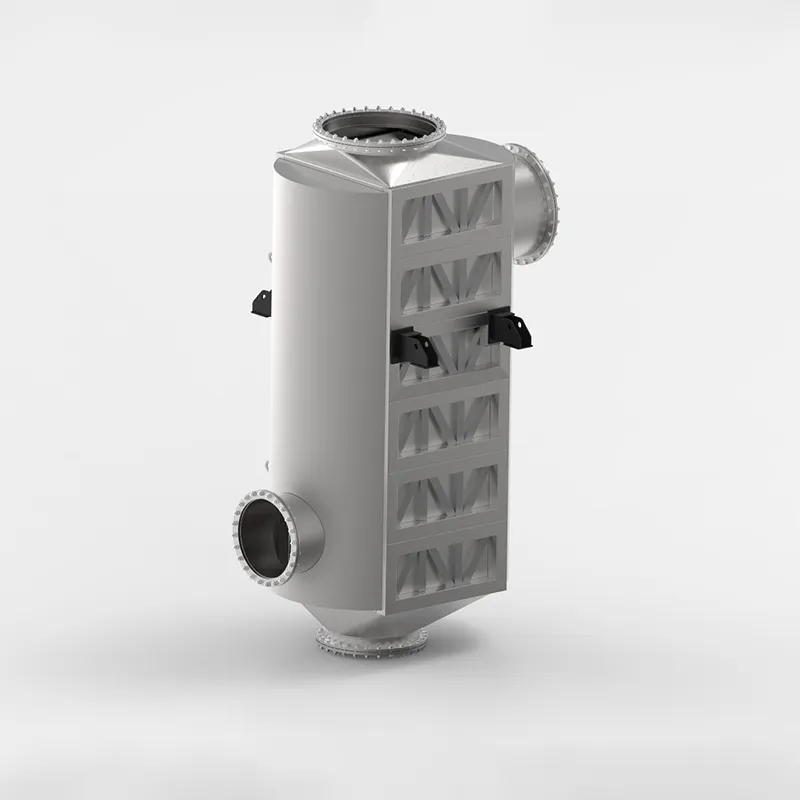
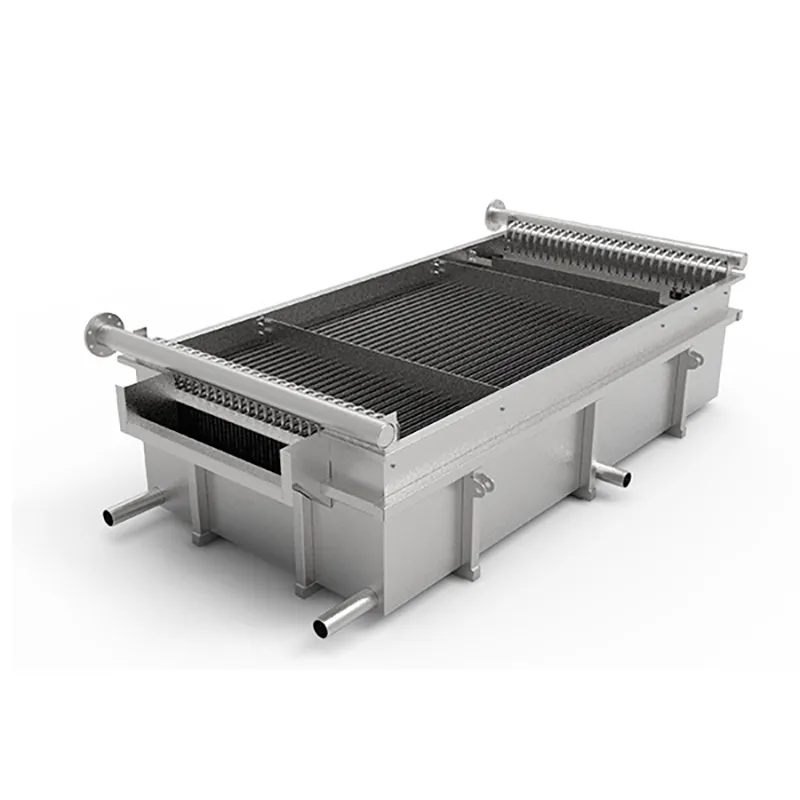
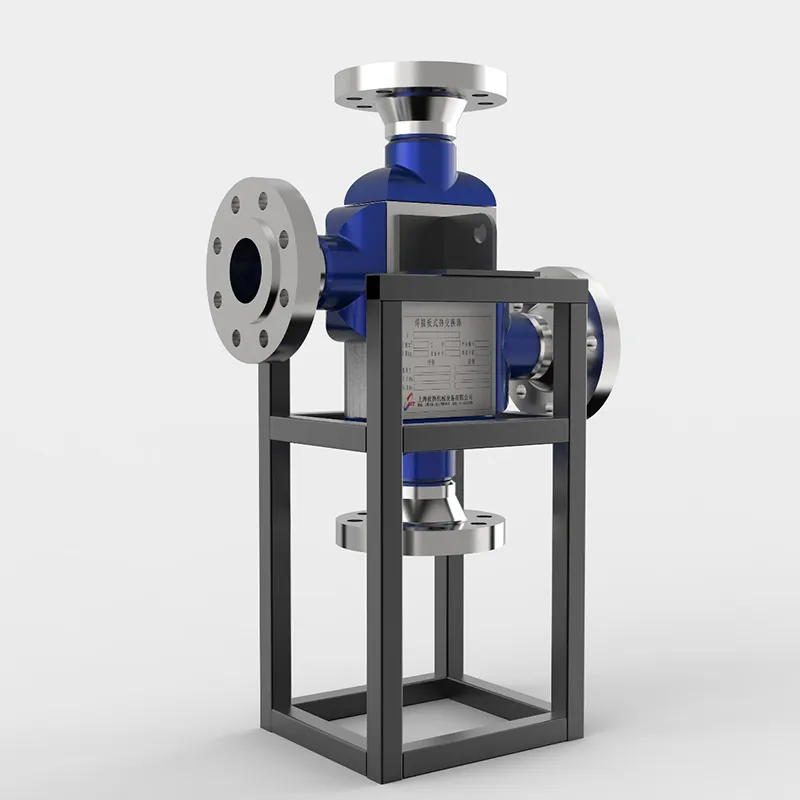
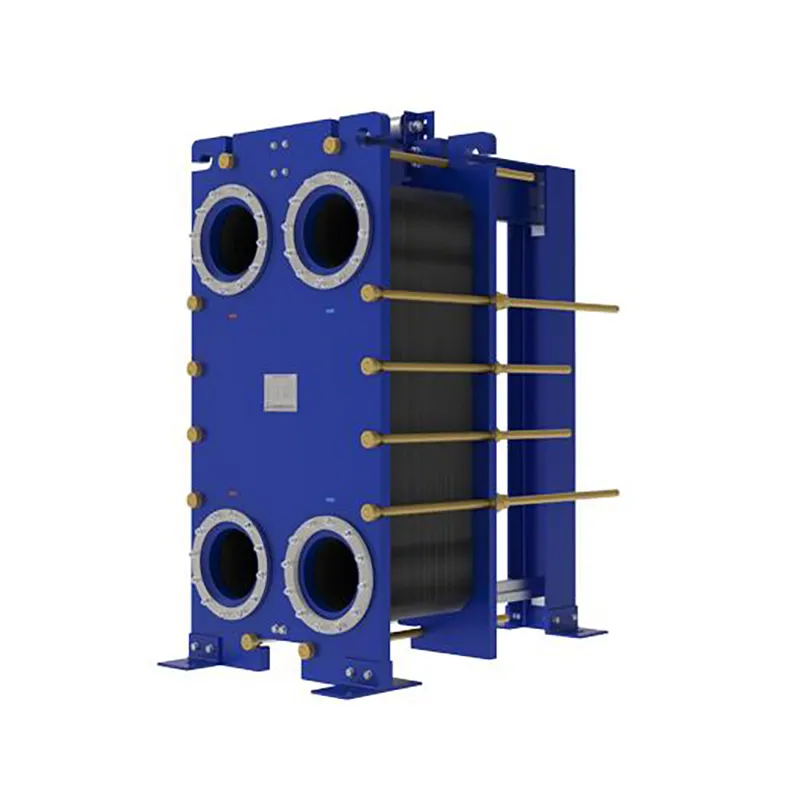
For detailed product specifications and tailored pricing, explore our engineered solutions: Custom Air Preheaters, Wide Gap Welded Units, Gasketed Models, and TP Welded Exchangers.
Cost Breakdown for Small-Scale Plate Heat Exchangers (Under 50 Plates)
For small-scale plate heat exchangers with fewer than 50 plates, the cost typically ranges from $800 to $4,500, depending on plate material, gasket type, and pressure rating. The breakdown below outlines key cost components.
Plate Material
Stainless steel 304 plates cost $12–$25 per plate, while titanium plates range $30–$55 per plate. For a 30-plate unit, material cost alone spans $360–$1,650.
Frame & Pressure Components
The frame, tie bolts, and connection nozzles add $200–$600 for small units. Higher pressure ratings (e.g., 300 psi) increase frame cost by approximately 15–25%.
Gaskets & Seals
NBR gaskets cost $3–$8 per plate, while EPDM or Viton gaskets range $6–$15 per plate. Total gasket cost for 50 plates: $150–$750.
Assembly & Testing
Labor for assembly, pressure testing, and quality inspection adds $100–$300 per unit, depending on complexity and certification requirements.
Total Estimated Cost
Summing all components, a typical 20–50 plate heat exchanger costs $800–$4,500. Custom designs or special alloys may increase the upper limit by 20–40%.
For detailed pricing on custom-engineered units, visit our product page for a full cost analysis.
Mid-Range Plate Heat Exchanger Costs for Industrial Applications (50–200 Plates)
For industrial processes requiring moderate thermal duty, mid-range plate heat exchangers with 50 to 200 plates offer a balance of performance and cost. Below is a typical pricing overview based on plate count, material, and configuration.
| Plate Count |
Material |
Typical Cost Range (USD) |
Common Applications |
| 50 – 80 |
Stainless Steel 316 |
$4,500 – $8,200 |
HVAC, food processing |
| 80 – 120 |
Stainless Steel 316 |
$7,000 – $13,500 |
Chemical, pharmaceutical |
| 120 – 160 |
Titanium / Alloy |
$12,000 – $21,000 |
Marine, corrosive fluids |
| 160 – 200 |
Stainless Steel 304 |
$15,000 – $26,000 |
Power generation, oil & gas |
Pricing varies with plate geometry, gasket material, pressure rating, and customization. For exact quotes, consult manufacturers such as gasketed plate heat exchangers or custom engineered pillow plates for specialized industrial needs.
Additional cost factors include plate thickness, connection size, and compliance with ASME or PED standards. Always request a detailed breakdown for your specific duty requirements.
Large-Scale Plate Heat Exchanger Pricing for Heavy-Duty Processes (Over 200 Plates)
For heavy-duty industrial applications requiring over 200 plates, pricing typically ranges from $25,000 to $120,000 per unit. The final cost depends on plate material (stainless steel, titanium, or Hastelloy), gasket type, pressure rating, and custom engineering requirements.
Key factors influencing large-scale plate heat exchanger pricing include:
- Plate count and surface area (200–800+ plates)
- Operating temperature and pressure specifications
- Frame construction (carbon steel or stainless steel)
- Custom nozzle sizes and connection types
- Certification requirements (ASME, PED, etc.)
Budget estimates for common heavy-duty configurations: 200–300 plates ($25,000–$45,000), 300–500 plates ($45,000–$75,000), and 500+ plates ($75,000–$120,000+). Always request a detailed quote based on your specific process parameters.
Additional Cost Considerations: Materials, Gaskets, and Custom Configurations
Beyond basic size, the final price of a plate heat exchanger is significantly influenced by material selection, gasket type, and any custom engineering requirements. These factors can shift the cost by 20% to 50% or more compared to standard units.
Material Impact on Cost
Standard stainless steel (304/316) plates offer a baseline cost. Upgrading to higher-grade alloys such as titanium, Hastelloy, or duplex stainless steel for corrosive or high-temperature applications can increase plate costs by 40-80%. For example, titanium plates are often required for seawater or brine applications, while Hastelloy is specified for aggressive chemical processes.
Gasket Selection and Pricing
Gaskets represent a smaller but critical cost component. Standard NBR (nitrile) gaskets are economical, but EPDM, Viton, or PTFE gaskets for higher temperature or chemical resistance can add 15-30% to the gasket cost. The choice also affects long-term maintenance expenses, as some materials degrade faster under specific conditions.
Custom Configurations and Engineering
Custom-engineered designs, including specialized port sizes, frame modifications, or unique plate patterns, incur additional engineering and tooling fees. Fully welded or semi-welded configurations, often used for aggressive media, typically cost 25-60% more than gasketed equivalents due to complex fabrication and quality control requirements.
For detailed specifications on custom plate heat exchangers, explore our engineered solutions: custom air preheaters, wide-gap welded units, pillow plate designs, and gasketed plate exchangers.
Summary of Plate Heat Exchanger Cost Insights
Plate heat exchanger pricing varies significantly by size category, with small-scale units (under 50 plates) typically ranging from $1,200 to $5,800, while mid-range industrial models (50–200 plates) fall between $6,500 and $22,000. Large-scale heavy-duty exchangers (over 200 plates) often start at $25,000 and can exceed $80,000 depending on process requirements.
Beyond plate count, material selection plays a decisive role in final cost. Stainless steel 316L remains the standard for general applications, but titanium or Hastelloy alloys can increase the base price by 40–70%. Gasket type and replacement frequency also contribute to long-term expenses, especially in high-temperature or aggressive chemical environments.
Custom configurations — such as special port sizes, ASME or PED certification, and frame coatings — add 15–25% to the base cost. For accurate budgeting, always request a detailed quote that includes gasket materials, plate thickness, and design pressure. The total cost of ownership should also consider maintenance access and spare parts availability.
Key Takeaways
-
Small-scale (<50 plates): $1,200 – $5,800
-
Mid-range (50–200 plates): $6,500 – $22,000
-
Large-scale (>200 plates): $25,000 – $80,000+
-
Material upgrades (titanium, Hastelloy): +40–70%
-
Custom configurations & certification: +15–25%
-
Always request itemized quote with gasket, plate, and frame details
This summary consolidates typical price ranges and primary cost drivers for plate heat exchangers by size category. Actual pricing should be confirmed with current supplier quotations based on specific process conditions and material requirements.
What Is the Typical Plate Heat Exchanger Cost Range for Common Sizes?
For small units under 50 plates, costs typically range from $1,500 to $8,000. Mid-range industrial units with 50–200 plates fall between $8,000 and $35,000. Large-scale systems exceeding 200 plates can cost $35,000 to $120,000 or more, depending on pressure and temperature ratings.
Factors Influencing Plate Heat Exchanger Pricing by Size Category
Key pricing factors include plate material (stainless steel vs. titanium), gasket type and material, plate thickness, port size, and design pressure. Larger categories also see cost increases from higher flow rates, specialized connections, and compliance with industry standards like ASME or PED.
Cost Breakdown for Small-Scale Plate Heat Exchangers (Under 50 Plates)
A typical small-scale unit (10–50 plates) costs $1,500–$8,000. The frame accounts for 30–40% of the cost, plates 40–50%, and gaskets 10–20%. Common applications include HVAC, small boilers, and light process cooling.
Mid-Range Plate Heat Exchanger Costs for Industrial Applications (50–200 Plates)
Mid-range units (50–200 plates) are priced between $8,000 and $35,000. These are used in chemical processing, food & beverage, and district heating. Costs increase with plate count, larger frames, and higher-grade alloys like 316L or duplex stainless steel.
Large-Scale Plate Heat Exchanger Pricing for Heavy-Duty Processes (Over 200 Plates)
Large-scale units (200–500+ plates) range from $35,000 to $120,000+. Heavy-duty processes such as oil refining, power generation, and marine systems require robust frames, high-pressure ratings, and exotic materials like Hastelloy or titanium, driving up costs significantly.
Additional Cost Considerations: Materials, Gaskets, and Custom Configurations
Material upgrades (e.g., titanium vs. stainless steel) can increase price by 50–100%. Gasket material choices like EPDM, NBR, or Viton affect both cost and temperature compatibility. Custom port locations, special coatings, or ASME stamping add 15–30% to the base price.

 English EN





User Comments
Service Experience Sharing from Real Customers
Mike
Maintenance SupervisorWe replaced an older gasketed unit with this plate heat exchanger, and the upfront cost was actually lower than I expected for the capacity. Installation was straightforward, and after six months of heavy use in our dairy process, no leaks or pressure drops. Saved us on downtime too – worth every penny.
Sofia
Process EngineerI was skeptical about the plate heat exchanger cost vs. shell-and-tube, but our CFO pushed for it. After running it for a year in a chemical batch cooling loop, the thermal efficiency is noticeably better. Only gave 4 stars because the gasket replacement kit was a bit pricier than I'd like, but overall solid value.
Ethan
HVAC TechnicianFor a large commercial building retrofit, this plate heat exchanger was a no-brainer. The cost was competitive with copper brazed units but way more robust. I've installed three so far – easy to clean, no corrosion issues in our hard water area. My boss is happy, and the building owner noticed the lower energy bills right away.
Lena
Plant ManagerThe plate heat exchanger itself works fine – good heat transfer, compact footprint. But the cost ended up being higher than the initial quote once we added custom frame material for our corrosive environment. I'd say get a detailed spec sheet first. It's reliable, but I wish the pricing was more transparent upfront.