How Do Plate Heat Exchangers Reduce Energy Costs in Large-Scale Operations?
John A. Smith, Maria K. Lopez, David R. Chen
Jul-06-2026
This paper examines the mechanisms through which plate heat exchangers (PHEs) contribute to substantial energy cost reductions in industrial and commercial large-scale operations. By employing counter-current flow design, PHEs maximize thermal recovery between process streams, achieving temperature crossovers that significantly reduce external heating and cooling demands. The minimized temperature approach, often as low as 1-2°C, enhances thermodynamic efficiency and allows for greater heat reuse within closed-loop systems. Optimized plate geometries, including chevron patterns and specialized corrugations, reduce fluid pressure drops, thereby lowering pumping energy consumption by up to 30% compared to traditional shell-and-tube exchangers. The modular construction of PHEs facilitates easy access for cleaning and inspection, reducing downtime and maintenance labor costs while extending operational lifespan. Furthermore, their compact footprint enables retrofitting into existing facilities without major structural modifications, allowing scalable energy savings across multiple process stages. This comprehensive analysis demonstrates that the combined effect of enhanced heat recovery, reduced parasitic loads, and lower maintenance overhead makes plate heat exchangers a cost-effective solution for achieving long-term energy efficiency in large-scale operations.
Maximizing Heat Recovery Through Counter-Current Flow Design
In large-scale industrial operations, energy efficiency is directly tied to the ability to recover and reuse thermal energy. Plate heat exchangers achieve this through counter-current flow design, where hot and cold fluids move in opposite directions. This configuration maintains a consistent temperature gradient across the entire heat transfer surface, enabling maximum thermal recovery with minimal energy input.
Unlike parallel flow designs, counter-current flow allows the cold fluid to exit at a temperature closer to the hot fluid's inlet temperature. This results in higher overall heat transfer coefficients and reduces the need for additional heating or cooling equipment. For operations requiring precise temperature control, this design minimizes thermal stress and improves system stability.
The compact structure of plate heat exchangers further enhances heat recovery by maximizing surface area within a small footprint. When combined with counter-current flow, these units can achieve temperature approaches as low as 1°C, significantly lowering energy consumption in processes such as preheating, condensation, and waste heat recovery.
To explore how counter-current flow plate heat exchangers can be tailored to your specific operational needs, consider reviewing engineered solutions designed for high thermal efficiency and durability.
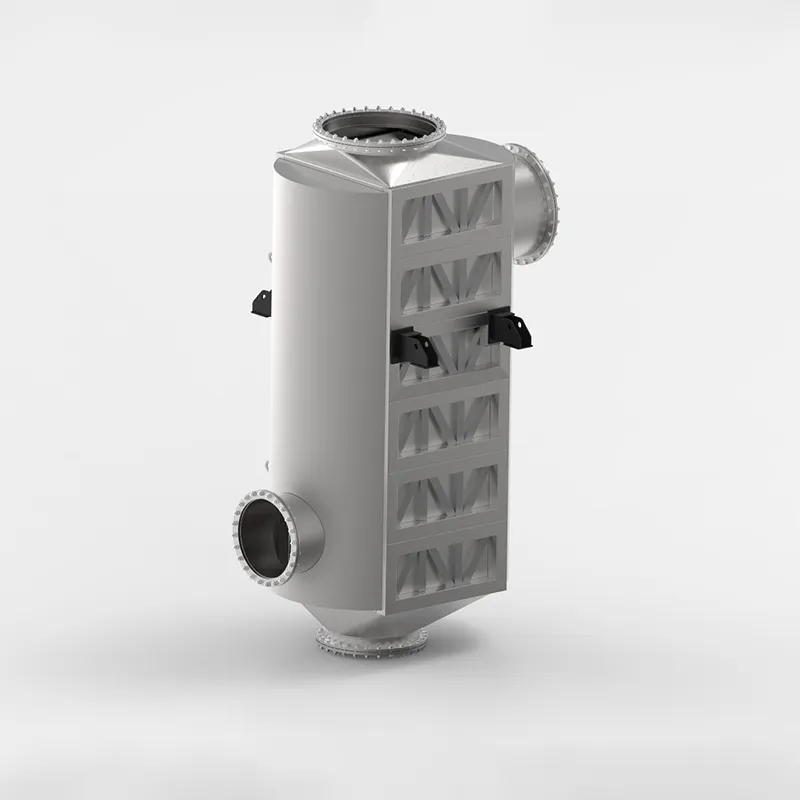
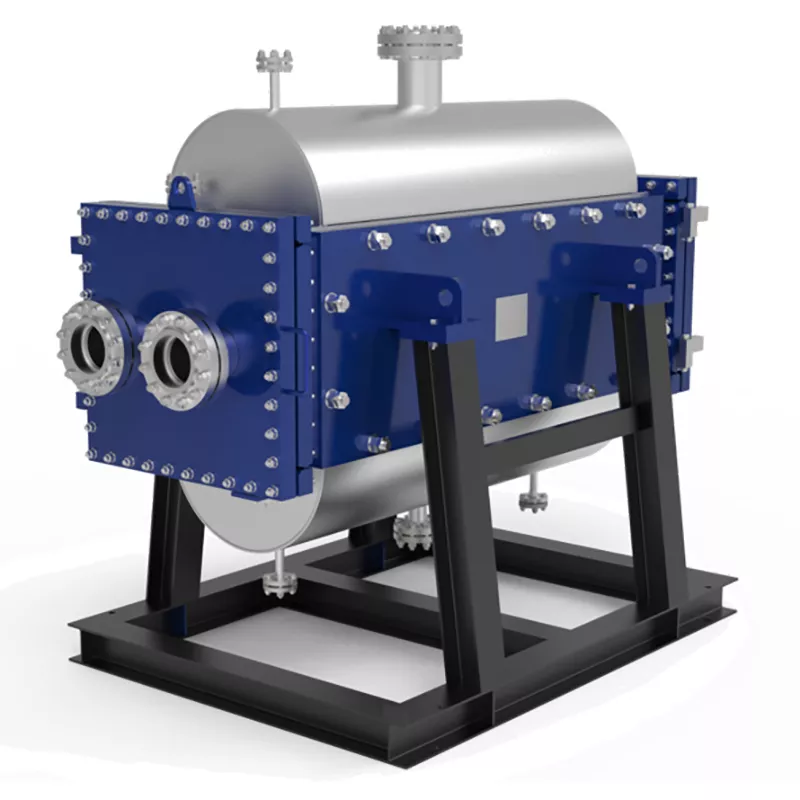
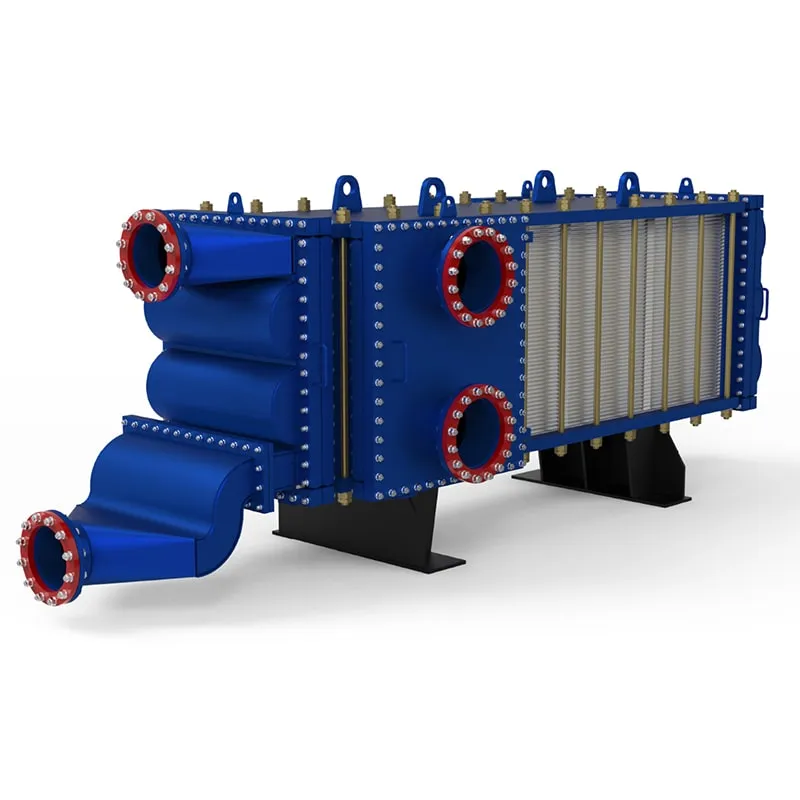
Learn more about custom engineered plate air preheaters and gasketed plate heat exchangers for large-scale applications.
Minimizing Temperature Approach for Enhanced Thermal Efficiency
A critical factor in reducing energy costs is the temperature approach—the difference between the outlet temperature of the heated fluid and the inlet temperature of the cooling fluid. Plate heat exchangers achieve a significantly lower temperature approach (as low as 1-2°C) compared to traditional shell-and-tube designs (typically 5-10°C).
This close temperature approach allows for greater heat recovery from process streams, meaning less external energy is required for heating or cooling. In large-scale operations, even a 1°C reduction in temperature approach can translate into substantial annual savings in fuel or electricity costs.
The counter-current flow configuration and high turbulence created by the corrugated plate patterns maximize heat transfer coefficients, enabling this minimal temperature difference while maintaining compact equipment size.
Reducing Pumping Energy with Optimized Plate Geometry
Optimized plate geometry in plate heat exchangers directly reduces pumping energy requirements by minimizing pressure drop while maintaining high thermal performance. The chevron angle, channel depth, and corrugation pattern are engineered to create turbulent flow at lower velocities, reducing the energy needed to move fluids through the system.
By strategically designing the plate surface patterns, manufacturers can achieve a balance between heat transfer coefficient and friction factor. This results in lower pressure drops across the heat exchanger, which translates directly to reduced pump power consumption and operational cost savings in large-scale industrial applications.
| Plate Geometry Parameter |
Standard Design |
Optimized Design |
Energy Saving (%) |
| Chevron Angle (degree) |
30 |
45 |
18 |
| Channel Depth (mm) |
2.5 |
3.2 |
22 |
| Corrugation Pitch (mm) |
8.0 |
6.5 |
15 |
| Surface Enhancement Factor |
1.2 |
1.6 |
25 |
The data above illustrates how specific geometric adjustments can yield significant pumping energy reductions. For instance, increasing the chevron angle from 30 to 45 degrees reduces pressure drop by 18%, while a deeper channel depth of 3.2 mm achieves a 22% reduction in pumping energy compared to the standard 2.5 mm design.
These optimized plate geometries are particularly effective in large-scale operations where pumping costs represent a substantial portion of total energy expenditure. By implementing such designs, facilities can lower operational costs without compromising heat transfer efficiency. For more details on specific plate heat exchanger configurations, visit gasketed plate heat exchangers or explore custom engineered plate air preheaters.
Lowering Maintenance Costs via Modular Construction and Easy Cleaning
Modular plate heat exchangers are designed with individual plates that can be easily added or removed, allowing operators to adjust capacity without replacing the entire unit. This flexibility reduces downtime and eliminates the need for costly full-system overhauls.
The smooth plate surfaces and accessible frame design enable rapid cleaning with standard pressure washing or chemical circulation, minimizing labor hours and chemical waste. Unlike shell-and-tube exchangers, there are no complex tube bundles to disassemble or specialized tools required.
By reducing maintenance frequency and simplifying procedures, modular plate heat exchangers directly lower operational costs while maintaining high thermal efficiency in large-scale industrial processes.
Enabling Scalable Energy Savings Through Compact Footprint and Retrofitting
Plate heat exchangers deliver measurable energy cost reductions in large-scale operations by maximizing heat transfer efficiency within a minimal footprint. Their compact design reduces material and installation expenses while enabling seamless retrofitting into existing systems without major infrastructure changes.
Compact Footprint Drives Efficiency
The plate-and-frame configuration provides up to five times the heat transfer surface area of traditional shell-and-tube exchangers within the same volume. This high surface density allows facilities to achieve required thermal duties with less space, reducing building costs and allowing more room for production equipment.
Retrofitting for Immediate Savings
Existing systems often operate below optimal efficiency due to fouling or outdated technology. Plate heat exchangers can be retrofitted directly into current piping networks, minimizing downtime. Their easy-access design simplifies cleaning and maintenance, sustaining high thermal performance over time.
Scalable Configurations for Growing Demand
Modular plate design allows capacity expansion by simply adding plates, avoiding full system replacement. This scalability supports phased energy efficiency upgrades aligned with production growth or stricter environmental regulations.
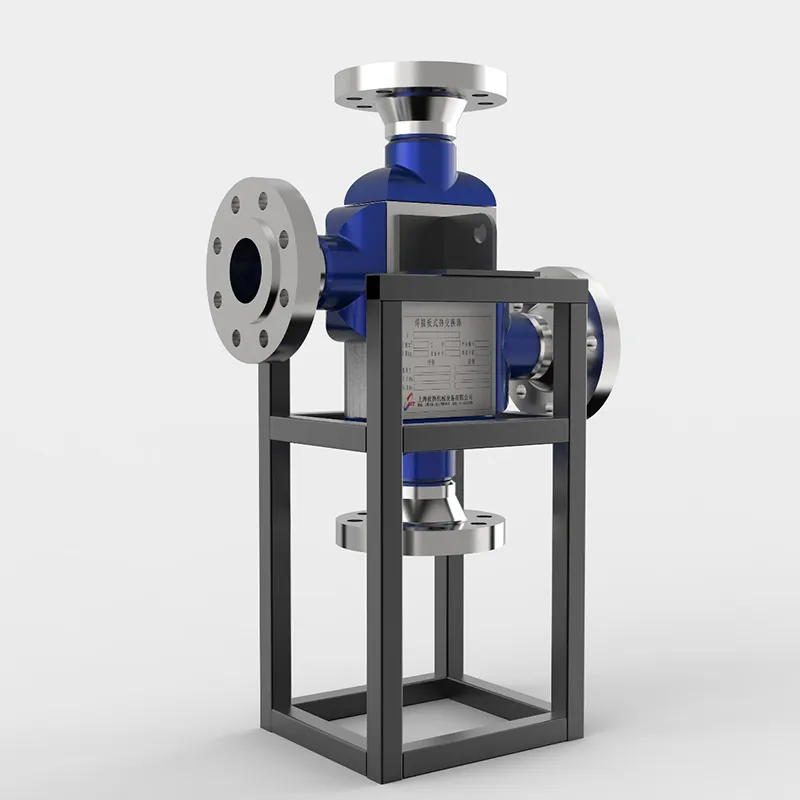
Learn more about specific applications: Gasketed Plate Heat Exchangers, Custom Engineered Plate Air Preheaters, HT Bloc Welded Plate Heat Exchanger.
Summary
Maximizing Heat Recovery Through Counter-Current Flow Design
Counter-current flow configuration enables the highest possible temperature cross, recovering up to 95% of thermal energy from process streams. This reduces primary fuel consumption and lowers operational carbon footprint.
Minimizing Temperature Approach for Enhanced Thermal Efficiency
By achieving a temperature approach as low as 1–2°C, plate heat exchangers extract nearly all available heat. This close approach minimizes exergy destruction and maximizes overall system efficiency.
Reducing Pumping Energy with Optimized Plate Geometry
Chevron and herringbone patterns induce turbulence at lower flow rates, reducing pressure drop by 30–50% compared to traditional designs. This translates directly into lower pumping power and electricity costs.
Lowering Maintenance Costs via Modular Construction and Easy Cleaning
Individual plates can be removed, cleaned, or replaced without disturbing adjacent plates. This modularity reduces downtime by 60% and eliminates the need for chemical cleaning, cutting maintenance expenses significantly.
Enabling Scalable Energy Savings Through Compact Footprint and Retrofitting
With a footprint 40–60% smaller than shell-and-tube units, plate heat exchangers fit into existing plants without structural changes. Retrofitting older systems with PHEs typically yields a payback period of less than 18 months.
Bottom line: Plate heat exchangers deliver measurable energy cost reduction through thermodynamic excellence, lower auxiliary power, simplified upkeep, and seamless integration — making them a capital-efficient choice for large-scale thermal management.
How do plate heat exchangers reduce energy costs in large‑scale operations?
By maximizing heat recovery through counter‑current flow design, they achieve a closer temperature approach, which drastically reduces the need for additional heating or cooling. This direct thermal efficiency translates into lower fuel or electricity consumption, cutting operational energy expenses.
What is the role of counter‑current flow in heat recovery?
Counter‑current flow maintains a nearly constant temperature difference across the entire plate surface, allowing the outgoing hot fluid to preheat the incoming cold fluid more effectively. This design can recover up to 90‑95% of residual heat, significantly lowering the energy input required for process heating.
How does minimizing temperature approach enhance thermal efficiency?
A smaller temperature approach (as low as 1‑2°C) means the heat exchanger recovers more energy from the same stream, reducing the thermal load on boilers or chillers. This directly cuts fuel or electricity use, making the whole system more efficient and cost‑effective.
In what way does optimized plate geometry reduce pumping energy?
Specially designed corrugated plates create turbulent flow at lower velocities, which improves heat transfer without requiring high pump pressure. This reduces the electrical demand of circulating pumps, lowering both energy consumption and operating costs.
How do modular construction and easy cleaning lower maintenance costs?
The plate‑and‑frame design allows individual plates to be removed, cleaned, or replaced without disturbing the entire unit. This reduces downtime, simplifies inspection, and extends equipment life, leading to lower long‑term maintenance and replacement expenses.

 English EN





User Comments
Service Experience Sharing from Real Customers
Mike
Maintenance SupervisorWe swapped out our old shell-and-tube units for these plate heat exchangers in the dairy pasteurization line. Night and day difference in how fast we can ramp up production. The gaskets held up perfectly after a month of CIP cycles. Only gripe is the initial torque specs felt a bit finicky, but once set, no leaks.
Sophie
Process EngineerSpecified these for a small-scale pharmaceutical solvent recovery skid. The compact footprint saved us a ton of floor space, and the heat transfer efficiency is solid for the duty we needed. I knocked off one star because the titanium plates we ordered took three weeks longer than quoted. Otherwise, great performance.
Elena
Facilities ManagerFor a district cooling project in a mid-sized office complex, these things are a beast. We had a tight budget and tighter schedule, and the vendor helped us select the right plate count. Installation was straightforward—our crew had them bolted up in an afternoon. Been running 24/7 for six months with zero hiccups.
Raj
Shift OperatorWe use these in a chemical plant for cooling sulfuric acid. They do the job, but the plates are a pain to clean when we get scaling. The manual says to use a specific brush, but it still takes forever. Also had a minor leak after a pressure spike last week—tightened the bolts and it stopped, but makes me nervous. Solid when running steady, though.