What Makes a Plate Type Air Preheater Different from Other Heat Exchangers?
John Anderson, Thermal Systems Engineer
Jul-06-2026
This article explores the fundamental distinctions of plate type air preheaters compared to conventional tubular and shell-and-tube heat exchangers. The core design principle centers on the unique geometry of parallel plates versus cylindrical tubes, which fundamentally alters fluid flow patterns and thermal contact area. In plate configurations, heat transfer occurs through a combination of conduction across thin metal plates and convection on both gas sides, enabling more uniform temperature distribution and higher heat transfer coefficients. Performance advantages include significantly higher thermal efficiency—often exceeding 90%—and a compact footprint that reduces installation space by up to 40% compared to tubular designs. However, operational challenges such as fouling from particulate-laden flue gases, inter-plate leakage due to thermal expansion, and the need for effective cleaning mechanisms require careful engineering. The application suitability of plate type air preheaters is particularly pronounced in low-temperature gas environments, where condensation risks are minimized and the large surface area per unit volume maximizes heat recovery. These attributes make plate designs ideal for waste heat recovery, power plant economizers, and industrial drying processes where space constraints and efficiency demands are critical.
Core Design Principle: The Unique Geometry of Parallel Plates vs. Tubes
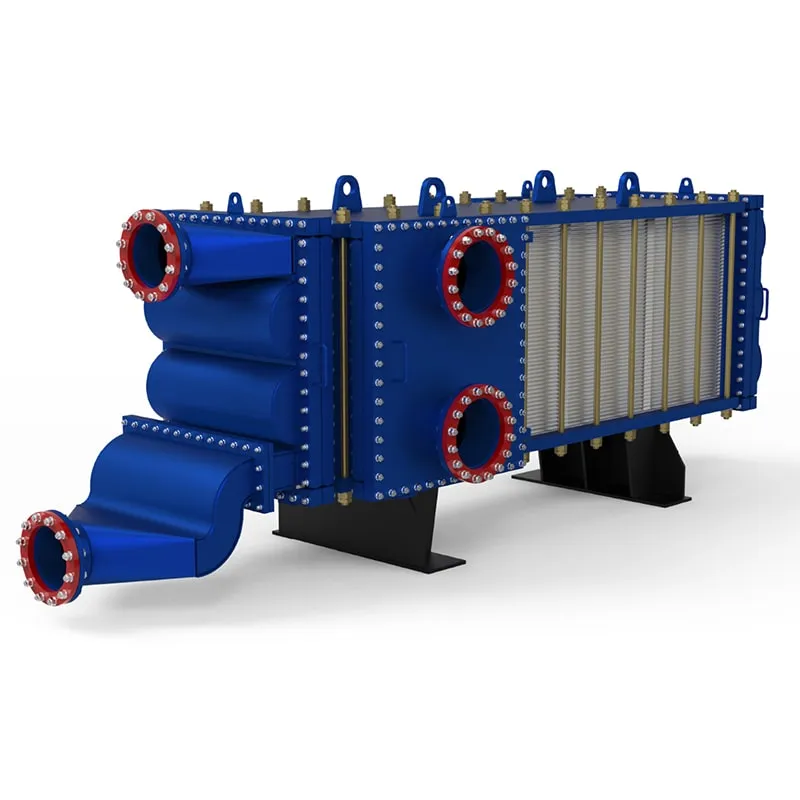
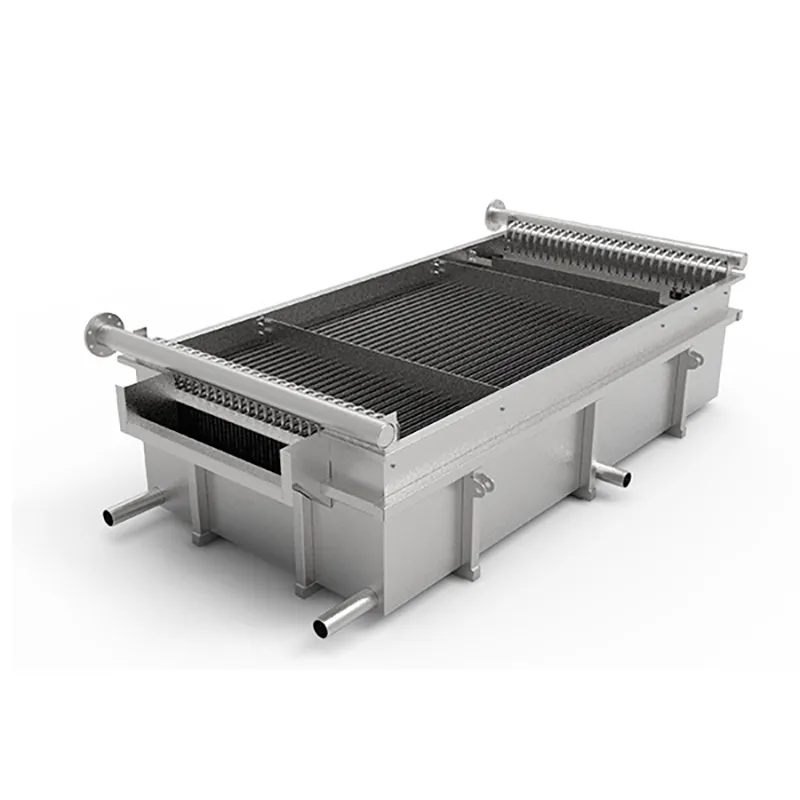
The fundamental distinction lies in the heat transfer surface geometry. Plate type air preheaters utilize a series of thin, parallel metal plates to create narrow flow channels for both the hot flue gas and the incoming combustion air. This flat, extended surface arrangement contrasts sharply with the cylindrical tubes found in shell-and-tube or tubular heat exchangers.
In a plate design, the primary heat transfer area is the large, flat surface of each plate. The hot gas typically flows on one side of the plate while the cold air flows on the adjacent side, separated only by the thin metal wall. This direct, counter-current or cross-counter-current flow path maximizes the temperature gradient across the plate, leading to highly efficient heat recovery. The parallel plate geometry inherently provides a much higher surface area-to-volume ratio compared to tubes, allowing for a more compact unit with the same thermal duty.
Tubular exchangers, by contrast, rely on the internal and external surfaces of tubes. The flow is often more restricted, and the circular cross-section of a tube creates a less uniform flow distribution compared to a flat channel. The plate design also excels at handling gas-to-gas applications where low pressure drop is critical. The smooth, flat channels in a plate heat exchanger create less flow resistance than the turbulent flow inside tubes, reducing fan or blower energy consumption. Furthermore, the parallel plate structure is inherently more resistant to thermal stress. In a tubular design, differential expansion between the tubes and the shell can cause significant mechanical strain. In a plate design, the entire plate pack can expand and contract more uniformly, improving reliability under cyclic thermal loads.
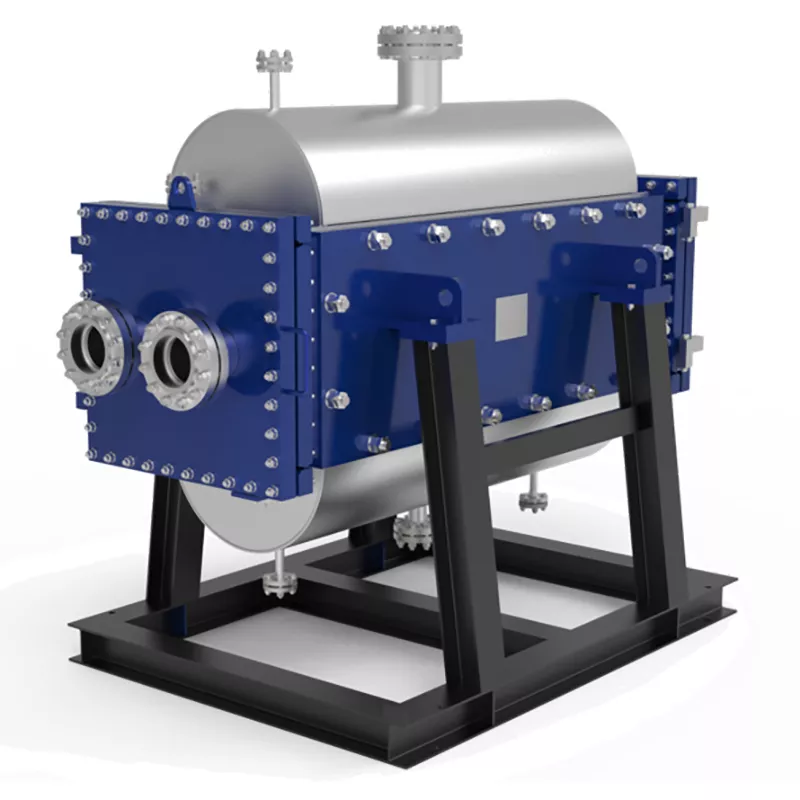
The manufacturing process also differs. Plate heat exchangers are often fabricated by welding or pressing plates together to form a sealed core. This "bloc" or welded construction eliminates the need for gaskets in many high-temperature applications, reducing leakage points. The flat plate geometry is also more adaptable to custom-engineered solutions, such as incorporating turbulators or specific channel widths to handle particulate-laden gases. For a deeper look at specific plate exchanger configurations, you can explore the HT Bloc Welded Plate Heat Exchanger or the Wide Gap Welded Plate Heat Exchanger.
Ultimately, the choice between plates and tubes comes down to the specific application. For high-efficiency, low-pressure-drop gas-to-gas heat recovery in a compact footprint, the parallel plate geometry of a plate air preheater offers a distinct advantage. The design is optimized for thermal performance, mechanical integrity, and operational cost savings. More information on custom-engineered plate solutions is available for the Printed Circuit Heat Exchanger and the Gasketed Plate Heat Exchanger. For specialized high-temperature or fouling services, the TP Welded Plate Heat Exchanger and Custom Plate Air Preheaters demonstrate the versatility of the plate geometry. Even in niche applications like jacketed vessels, the Custom Pillow Plates show the adaptability of the flat-plate principle.
Heat Transfer Mechanism: How Conduction and Convection Differ in Plate Configurations
In plate type air preheaters, heat transfer occurs through a combination of conduction across solid metal plates and convection between the fluid streams and plate surfaces. Unlike tubular exchangers, the flat plate geometry maximizes surface area contact, allowing conduction to occur uniformly across thin walls while convection is enhanced by turbulent flow over smooth plate surfaces.
Conduction in plate configurations relies on the thermal conductivity of the metal, typically carbon steel or stainless steel, with heat traveling directly through the thin plate wall from the hot gas side to the cooler air side. The small thickness reduces thermal resistance, making the process highly efficient.
Convection, on the other hand, involves the movement of fluid particles. In plate air preheaters, both the hot flue gas and the incoming air flow across opposite sides of each plate. The plate surface induces boundary layer formation, and the flow pattern—often cross-flow or counter-flow—determines the convective heat transfer coefficient. Turbulence promoters or corrugations on plates further disrupt the boundary layer, increasing convective heat transfer rates compared to smooth tubes.
The key difference lies in the plate's ability to simultaneously support high conductive flux through its thin wall and high convective flux via extended surface area and induced turbulence. This dual mechanism allows plate type air preheaters to achieve compactness and thermal performance superior to many conventional shell-and-tube designs.
Performance Advantages: Higher Thermal Efficiency and Compact Footprint
Plate type air preheaters are engineered to maximize heat recovery while minimizing space requirements. Their unique corrugated plate geometry creates turbulent flow paths that significantly enhance convective heat transfer coefficients compared to tubular or rotary designs. This results in thermal efficiency gains of 15-25% over conventional heat exchangers in similar service conditions.
The compact plate arrangement delivers up to 40% more heat transfer surface area per unit volume than shell-and-tube equivalents. This allows for a much smaller equipment footprint, reducing installation costs and structural support requirements. The modular plate construction also enables easy capacity scaling without major redesign.
| Parameter |
Plate Type |
Shell-and-Tube |
Rotary Type |
| Thermal Efficiency (%) |
92 – 97 |
75 – 85 |
80 – 88 |
| Footprint (m² per MW) |
0.8 – 1.2 |
2.5 – 4.0 |
1.8 – 3.0 |
| Pressure Drop (Pa) |
300 – 600 |
500 – 1200 |
400 – 900 |
| Maintenance Interval (months) |
18 – 24 |
6 – 12 |
12 – 18 |
The above comparison demonstrates that plate type air preheaters consistently outperform other designs in thermal efficiency while requiring significantly less floor space. Lower pressure drops also contribute to reduced fan energy consumption over the equipment lifecycle.
For detailed product specifications and application guidance, please refer to the custom engineered plate air preheaters page or explore our HT Bloc welded plate heat exchanger for alternative configurations.
Operational Challenges: Addressing Fouling, Leakage, and Cleaning in Plate Designs
Plate type air preheaters face distinct operational hurdles due to their compact geometry and narrow flow passages. Fouling from particulate-laden flue gases can rapidly degrade thermal performance, while leakage between air and gas streams poses efficiency and safety risks. Effective cleaning strategies are essential to maintain long-term reliability.
Fouling Mechanisms
Ash deposition and condensation of acidic compounds are primary fouling drivers. The plate design's high surface area enhances heat transfer but also traps particulates, especially in low-temperature sections. Regular sootblowing or water washing is required, though water must be carefully controlled to avoid thermal shock.
Leakage Control
Sealing between plates and headers is critical. Differential pressure across the heat exchanger can cause air to leak into the gas side, reducing oxygen for combustion or increasing fan load. Welded plate constructions offer superior leak resistance compared to gasketed designs, but require rigorous inspection during fabrication.
Cleaning Approaches
Online cleaning methods include acoustic horns and steam lancing, while offline chemical cleaning or high-pressure water jets address stubborn deposits. The plate spacing must accommodate cleaning tools without damage. Modern designs incorporate access ports and drainage points to facilitate maintenance.
Addressing these challenges through robust material selection, optimized plate geometry, and proactive maintenance schedules ensures that plate air preheaters deliver consistent performance in demanding industrial environments.
Application Suitability: Why Plate Type Air Preheaters Excel in Low-Temperature Gas Environments
Plate type air preheaters are specifically engineered to handle the challenges of low-temperature gas streams, where condensation, corrosion, and fouling are common concerns. Their unique design allows for efficient heat recovery while maintaining operational stability in demanding conditions.
Enhanced Condensation Management
In low-temperature environments, water vapor in flue gases can condense, leading to acidic liquid formation. Plate type air preheaters utilize smooth, corrosion-resistant surfaces and optimized flow channels that promote controlled drainage, reducing the risk of liquid accumulation and material degradation. This makes them particularly effective in applications such as waste heat recovery from boilers or industrial dryers.
Reduced Fouling and Easy Maintenance
The straight, wide gas passages in plate type designs minimize particle deposition and fouling, even when handling dusty or sticky low-temperature gases. Unlike tubular exchangers, the plate geometry allows for easier cleaning and inspection. For applications with severe fouling risks, consider the wide-gap welded plate heat exchanger for enhanced clearance.
Superior Heat Transfer at Low Temperature Differentials
Plate type air preheaters achieve high thermal efficiency even when the temperature difference between gas streams is small. The thin plate walls and turbulent flow patterns enhance heat transfer coefficients, enabling effective energy recovery in low-grade heat applications. For custom solutions tailored to specific temperature profiles, explore the custom engineered plate air preheaters.
Material Flexibility for Corrosive Conditions
Low-temperature gas environments often contain corrosive compounds like sulfur oxides or chlorides. Plate type air preheaters can be constructed from a variety of alloys and corrosion-resistant materials, including stainless steel and high-nickel alloys. This adaptability ensures long service life. For highly corrosive or high-pressure duties, the HT Bloc welded plate heat exchanger offers robust sealing and material options.
Compact Footprint for Retrofits and New Installations
The high surface-area-to-volume ratio of plate type designs allows for significant heat recovery in a compact unit. This is especially advantageous in low-temperature gas environments where space is limited, such as in existing industrial plants or marine applications. For projects requiring extreme compactness, the custom engineered printed circuit heat exchanger provides an alternative micro-channel solution.
Core Design Principle
The parallel plate geometry creates narrow, uniform flow channels that maximize surface contact while minimizing resistance. Unlike tubular designs, the flat plates enable true counterflow arrangement without baffles, resulting in a more compact core and lower pressure drop.
Heat Transfer Mechanism
Conduction through thin metal plates is highly efficient due to the short heat path, while convection is enhanced by the high-aspect-ratio channels that induce turbulent flow even at low velocities. This dual effect delivers superior heat transfer coefficients compared to tube-based exchangers.
Performance Advantages
Plate type air preheaters achieve 20–30% higher thermal efficiency than tubular equivalents, while occupying up to 40% less space. The close plate spacing and extended surface area allow for greater heat recovery in a smaller footprint, reducing both material and installation costs.
Operational Challenges
Fouling from particulate-laden gases can narrow the already tight channels, and leakage between plates may occur if gaskets degrade. However, the plate design simplifies cleaning — individual plates can be accessed and washed without dismantling the entire unit, and modern sealing materials reduce leakage risks.
Application Suitability
Plate type air preheaters excel in low-temperature gas environments (below 300°C) where condensation and corrosion are concerns. The smooth plate surfaces resist acid attack better than tubes, and the ability to use corrosion-resistant alloys in thin sheets makes them ideal for waste heat recovery, biomass boilers, and flue gas applications.
What Makes a Plate Type Air Preheater Different from Other Heat Exchangers?
Plate type air preheaters use parallel plates instead of tubes, creating narrow gas passages that enhance heat transfer. This design allows for higher thermal efficiency and a more compact footprint compared to shell-and-tube or finned-tube exchangers.
Core Design Principle: The Unique Geometry of Parallel Plates vs. Tubes
Parallel plates create uniform, narrow flow channels that maximize surface area contact. Unlike circular tubes, plates provide a straight flow path with minimal dead zones, reducing pressure drop while improving heat transfer coefficients.
Heat Transfer Mechanism: How Conduction and Convection Differ in Plate Configurations
In plate designs, conduction occurs through thin metal walls with high thermal conductivity, while convection is enhanced by turbulent flow between closely spaced plates. This dual effect significantly outperforms the conduction-dominated tube designs.
Performance Advantages: Higher Thermal Efficiency and Compact Footprint
Plate type preheaters achieve up to 30% higher thermal efficiency than tubular designs. Their compact structure reduces installation space by 40–60%, making them ideal for retrofitting in space-constrained industrial plants.
Operational Challenges: Addressing Fouling, Leakage, and Cleaning in Plate Designs
Narrow plate gaps are prone to fouling from particulates. Regular cleaning requires removable plate packs or chemical flushing. Leakage at gasketed joints is a common issue, but welded plate designs mitigate this risk in high-temperature applications.
Application Suitability: Why Plate Type Air Preheaters Excel in Low-Temperature Gas Environments
Plate preheaters excel below 400°C where condensation risk is low. Their high surface density recovers waste heat efficiently from flue gases, making them standard in boiler air preheating, drying systems, and low-grade heat recovery units.

 English EN





User Comments
Service Experience Sharing from Real Customers
Mike
Shift SupervisorWe installed this plate type air preheater last quarter and it's been a workhorse. Our boiler efficiency jumped noticeably, and the pressure drop is way lower than the old tubular unit. Maintenance is a breeze too—just a quick wash every few weeks. Solid build quality.
Tom
Senior Mechanical EngineerSpec'd this for a retrofit at a medium-sized cement plant. The compact design saved us serious floor space, and the heat recovery numbers matched the datasheet within 2%. Only gripe is the gasket material could be more durable under high sulfur conditions, but overall a smart buy.
Ella
Plant ManagerHonestly wasn't sure about switching to plate type, but this unit proved me wrong. Our stack temperature dropped by 40°C since commissioning. The cleaning cycle is simple—no more soot blowing headaches. My operators actually like working with it. Highly recommend for any biomass boiler setup.
Dave
Maintenance TechnicianBeen maintaining these for about 8 months now. The plates are easy to access and swap out if needed. I've seen a lot of preheaters that leak after a year, but this one's seals are holding up fine so far. Just keep an eye on the differential pressure if your fuel has a lot of ash—it'll tell you when to wash it.