Optimizing Thermal Efficiency in Refinery Crude Oil Preheaters
Crude oil preheaters are a critical link in refinery energy recovery. This article explores how optimizing thermal efficiency in refinery crude oil preheaters can reduce fuel consumption and operational costs. We cover working principles, key design parameters, application scenarios, and why SHPHE stands out as a reliable partner for your heat exchanger needs.
In any modern refinery, the crude distillation unit (CDU) relies heavily on a network of heat exchangers to recover waste heat from product streams and recycle it back into the process. The crude oil preheater train is where cold crude is gradually heated before entering the furnace. Even a small improvement in thermal efficiency here translates directly into lower fired duty, reduced emissions, and significant annual savings. For process engineers and purchasing managers tasked with upgrading or troubleshooting these systems, understanding the available technology options and their real-world trade-offs is essential.
What Makes a Crude Oil Preheater Thermally Efficient?
Thermal efficiency in a preheater is determined by how effectively heat transfers from the hot side (typically atmospheric residue, gas oil, or pumparound streams) to the cold crude side. Key factors include the heat transfer coefficient, fouling resistance, pressure drop, and the temperature approach. A well-designed preheater minimizes the temperature difference between the hot and cold outlets, allowing the crude to reach a higher temperature before the furnace. This reduces the furnace fuel gas consumption by roughly 1–2% for every 10 °C increase in preheat temperature, depending on the specific configuration.
How Do Welded Plate Heat Exchangers Perform in Crude Service?
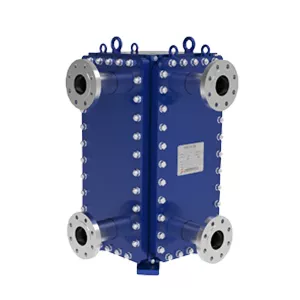
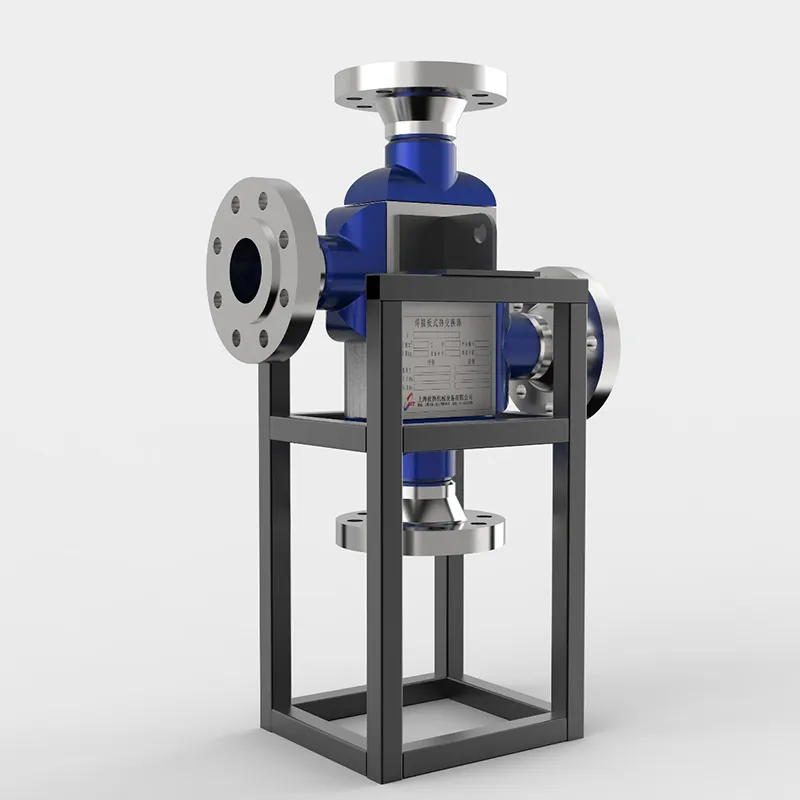
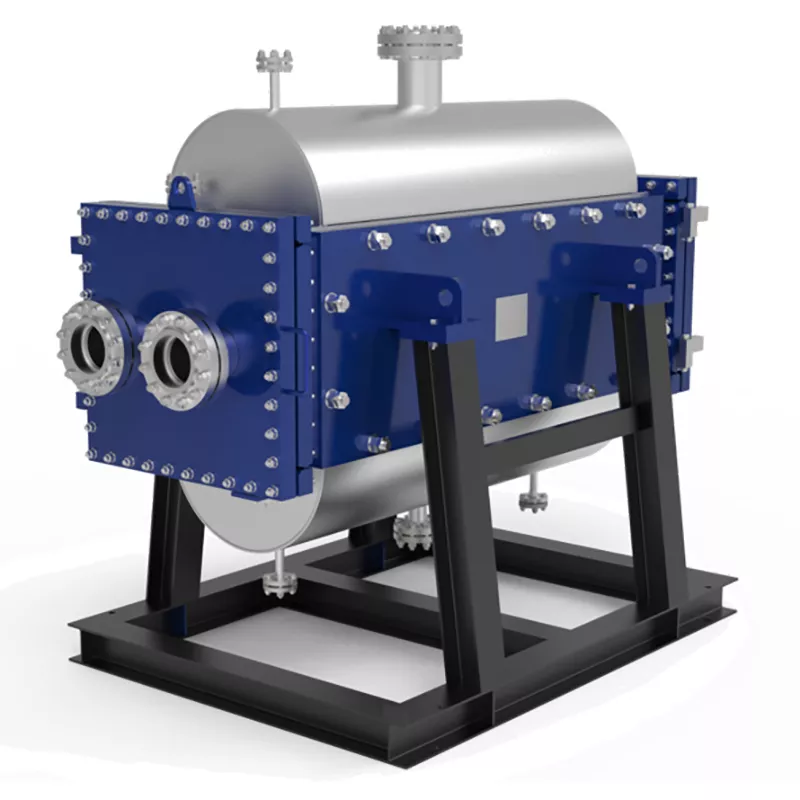
Welded plate heat exchangers, such as the HT-Bloc/TP Welded Plate Heat Exchanger, have become a popular alternative to traditional shell-and-tube units in crude preheat service. They offer a compact footprint, higher thermal efficiency, and better resistance to fouling when designed with wide-gap or fully welded channels. Unlike gasketed units, welded plate designs eliminate the risk of gasket failure at high temperatures and pressures, making them suitable for the demanding conditions of a crude preheat train.
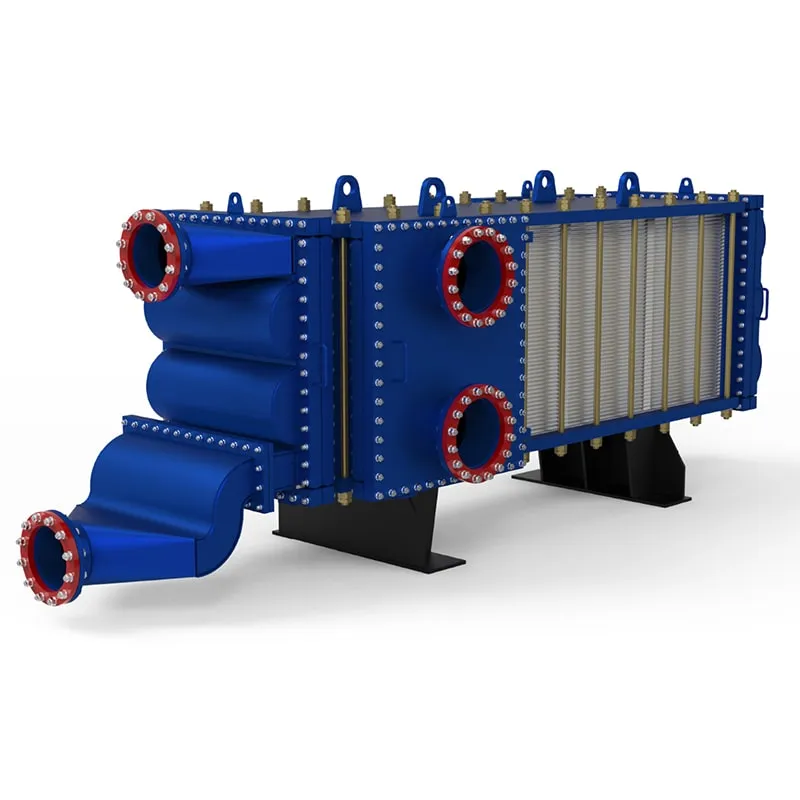
Typical operating parameters for these exchangers in crude service include design pressures up to 30 bar and temperatures up to 350 °C. The all-welded construction also allows for easier cleaning through chemical or mechanical methods, which is a major advantage when dealing with fouling crudes. For refineries processing heavy or sour crudes, the Wide Gap Welded Plate Heat Exchanger is often recommended because its larger channel spacing can handle particulates and high-viscosity fluids without clogging.
Key Parameters to Consider When Selecting a Preheater
When evaluating a heat exchanger for crude oil preheating, the following parameters should be reviewed carefully:
- Flow rate: Typically ranges from 100 to 5,000 m³/h depending on refinery capacity.
- Temperature range: Cold crude inlet at 20–40 °C, hot side up to 350 °C.
- Pressure drop: Usually limited to 0.5–1.5 bar per exchanger to avoid excessive pumping costs.
- Fouling factor: A design allowance of 0.0003–0.0006 m²·K/W is common for crude oil.
- Materials: 316L stainless steel or duplex for plates, carbon steel for frames.
| Parameter |
Typical Range |
Impact on Efficiency |
| Heat transfer coefficient |
500–1,500 W/m²·K |
Higher coefficient reduces surface area needed |
| Temperature approach |
5–15 °C |
Lower approach improves heat recovery |
| Fouling resistance |
0.0003–0.0006 m²·K/W |
Higher resistance reduces effective U-value |
What Are the Common Applications for Plate Heat Exchangers in Refineries?
Plate heat exchangers are used in several areas of a refinery beyond crude preheating. These include:
- Crude oil preheat trains (the primary focus of this article).
- Slurry oil and residue cooling.
- Gas plant intercoolers and aftercoolers.
- Hydrotreater feed/effluent exchangers.
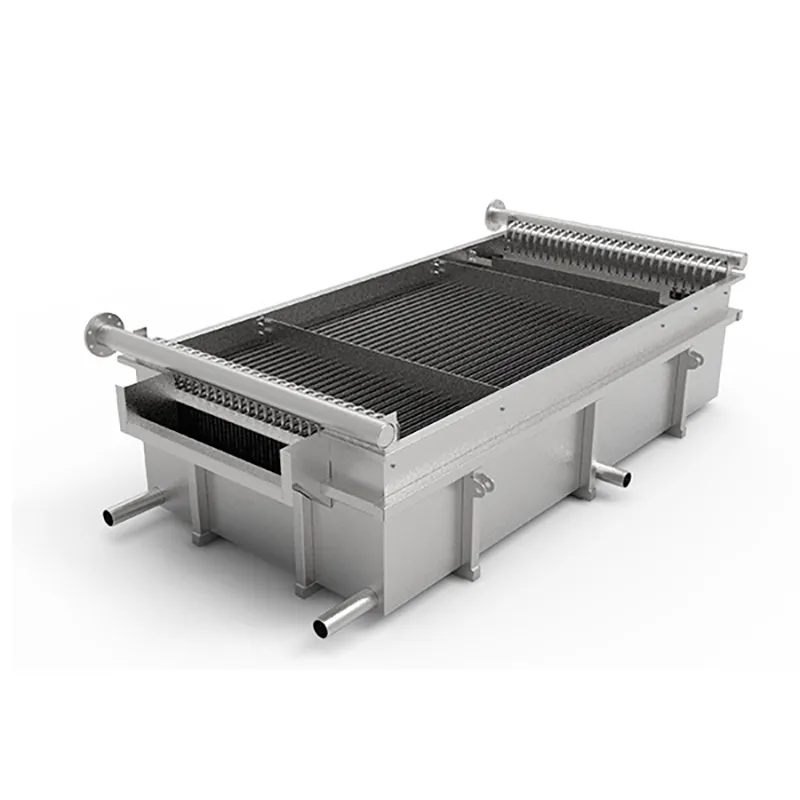
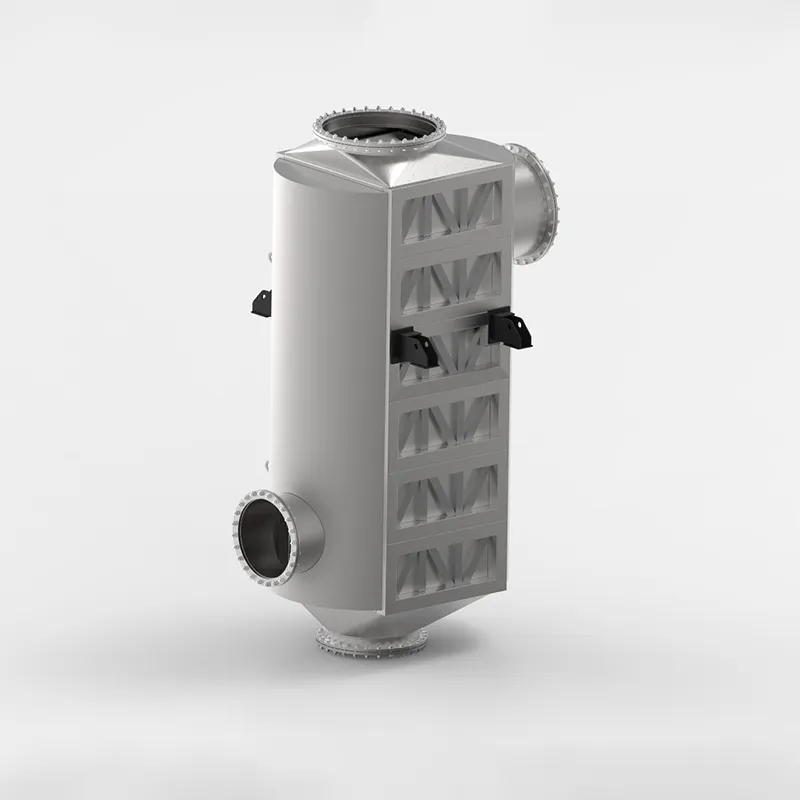
- Waste heat recovery from flue gas using Plate Air Preheaters.
For each application, the choice between gasketed, welded, or printed circuit heat exchangers depends on the fluid properties, pressure, and temperature. For example, PCHE units are ideal for high-pressure gas services, while gasketed units work well for clean, low-pressure duties.
Why Choose SHPHE for Your Crude Oil Preheater Needs?
SHPHE is a Shanghai-based plate heat exchanger manufacturer founded in 2005. We export to more than 20 countries and hold ISO9001 and ASME U certifications. Our product range includes HT-Bloc/TP Welded Plate Heat Exchangers, Wide Gap Welded Plate Heat Exchangers, Gasketed Plate Heat Exchangers, PCHE, Plate Air Preheaters, and Pillow Plates. We offer free thermal design and selection services to help you find the optimal solution for your specific crude oil preheating application.
Our welded plate heat exchangers are fully compatible with existing systems and can serve as a direct alternative to brands like Alfa Laval, Compabloc, or GEA. We focus on delivering robust, high-efficiency equipment that stands up to the fouling and thermal cycling common in refinery service. Our engineering team works closely with your process engineers to ensure the selected unit meets your pressure drop, temperature, and material requirements without oversizing.
Frequently Asked Questions About Crude Oil Preheaters
Q: What is the typical payback period for upgrading a crude preheater?
A: The payback period usually ranges from 12 to 24 months, depending on the fuel cost and the level of efficiency gain. A 10–15 °C increase in preheat temperature can reduce furnace duty by 2–3%, which adds up quickly in a large refinery.
Q: Can welded plate heat exchangers handle high fouling crude?
A: Yes. Wide-gap welded plate designs are specifically built for fouling services. Their larger channel spacing reduces the risk of blockage, and the all-welded construction allows for chemical cleaning without disassembly.
Q: How does a gasketed plate exchanger compare to a welded one for crude preheat?
A: Gasketed units are less expensive but have temperature and pressure limitations (typically up to 180 °C and 25 bar). Welded units can operate at higher temperatures and pressures, making them more suitable for the hot end of the preheat train.
Q: What maintenance is required for a welded plate heat exchanger?
A: Routine maintenance includes monitoring pressure drop and temperature approach. When fouling occurs, chemical cleaning or backflushing is typically used. The welded design eliminates gasket replacement, reducing downtime.
Q: Can SHPHE provide a custom design for my refinery?
A: Absolutely. We offer free thermal design and selection services. Just provide your process data, and our engineers will recommend the optimal heat exchanger configuration for your crude oil preheating application.
Q: Are SHPHE products compatible with existing Alfa Laval or GEA systems?
A: Yes. Our gasketed and welded plate heat exchangers are designed as drop-in alternatives to major brands. We ensure dimensional and performance compatibility for retrofit projects.
Request a Quote for Your Crude Oil Preheater Project
Optimizing thermal efficiency in refinery crude oil preheaters starts with the right equipment. To get a tailored recommendation, please provide your process details: flow rate, temperature range, pressure, and media composition. Our team will prepare a free thermal design and quotation based on your specific requirements.

 English EN





User Comments
Service Experience Sharing from Real Customers
TommyR
Senior Process EngineerWe swapped out our old shell-and-tube for this preheater last quarter. The thermal efficiency gain was immediately noticeable—our furnace duty dropped by nearly 8%. The fouling resistance is also better than I expected. Only gripe is the initial pressure drop was a bit higher than the spec sheet suggested, but after a week of operation it settled down. Solid piece of kit.
LenaM
Maintenance SupervisorI’ve been dealing with preheaters for 15 years, and this one is definitely easier to clean than the previous brand we used. The U-tube bundle pulls out without a fight, and the gasket design means fewer leaks during reassembly. Not giving it 5 stars because the drain valve placement is awkward—you need a special wrench to get at it. But overall, it's a workhorse and the metal quality looks solid.
RajK
Shift Operations ManagerInstalled this on a crude unit that was bottlenecking us. The preheater took the load beautifully and we saw a steady 12°C rise in the inlet temperature to the desalter. That alone saved us a ton on chemical demulsifier. My only small complaint is the insulation jacket could be thicker—it gets pretty hot to the touch on the shell side. But performance-wise, I'm very happy.
PeteW
Plant TechnicianIt works fine most days, but we’ve had two nuisance shutdowns from the high-pressure trip on the cold start-up sequence. The control logic seems a bit touchy. Once it’s running steady, the heat transfer is good and the vibration is minimal compared to our old unit. Just wish the startup procedure was more forgiving. For the price, I expected a bit more robustness in the controls.