 English EN


What Is a Wide Gap Welded Plate Heat Exchanger? A Complete Technical Guide
A wide gap plate heat exchanger uses welded plates and wide channels to handle viscous, fibrous fluids efficiently in demanding industrial processes.
More
A plate heat exchanger (PHE) is one of the most efficient thermal transfer devices used across process industries. Whether you are selecting equipment for a chemical plant, HVAC system, or food processing line, understanding its working principle helps you make informed decisions. This article explains the core mechanics, key components, and performance parameters of a plate heat exchanger, with practical guidance for engineers and procurement managers.
A plate heat exchanger consists of a stack of thin, corrugated metal plates clamped together in a frame. Each plate is separated by a gasket or welded seal, creating alternating channels for two fluids to flow. The working principle of a plate heat exchanger relies on countercurrent flow: hot fluid enters one set of channels, and cold fluid enters the adjacent set. Heat transfers from the hot side to the cold side through the plate surface, without the fluids mixing.
The corrugations induce turbulence even at low flow velocities, which significantly improves heat transfer coefficients compared to shell-and-tube designs. Typical overall heat transfer coefficients for a gasketed plate heat exchanger range from 3,000 to 7,000 W/m²·K for water-to-water applications, depending on plate geometry and flow conditions.
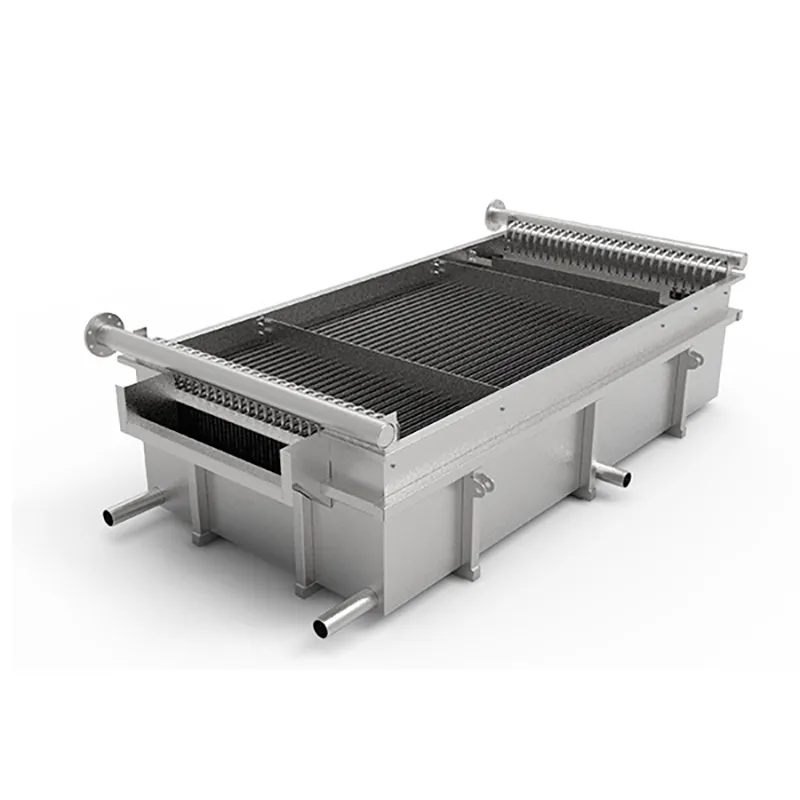
Understanding the parts helps you maintain and troubleshoot the equipment. Every plate heat exchanger includes these core elements:
For applications requiring high pressure or temperature, TP welded plate heat exchangers offer a fully welded channel design, compatible with ammonia, hydrocarbons, and steam.
The efficiency comes from three design features. First, the thin plates (0.4–0.8 mm) minimize conductive resistance. Second, the corrugated surface creates turbulent flow at Reynolds numbers as low as 100–200, which disrupts the thermal boundary layer. Third, countercurrent flow allows a temperature approach as close as 1–2 °C, far tighter than typical shell-and-tube exchangers.
In practice, this means a plate heat exchanger can achieve the same duty with 20–40% less surface area than a comparable shell-and-tube unit. For process engineers, this translates to lower capital cost and a smaller footprint.
The following table summarizes commonly accepted operating ranges for industrial plate heat exchangers:
| Parameter | Gasketed PHE | Welded PHE |
|---|---|---|
| Max design pressure | 25 bar | 40 bar |
| Max design temperature | 180 °C | 350 °C |
| Flow rate range | 1 – 2,500 m³/h | 5 – 1,500 m³/h |
| Plate material | SS304, SS316L, Ti | SS316L, Hastelloy |
| Gasket material | NBR, EPDM, Viton | N/A (welded) |
These values are industry-generic. Always consult the manufacturer for specific duty conditions. SHPHE offers free thermal design to match your exact process parameters.
Plate heat exchangers serve a wide range of industries. Here are typical scenarios and the recommended product type:
For air-to-gas heat recovery, plate air preheaters provide robust performance in boiler and furnace applications.
SHPHE is a Shanghai-based manufacturer founded in 2005, with ISO9001 and ASME U certifications. We export to over 20 countries and offer six product lines: HT-Bloc welded, TP welded, wide gap welded, gasketed plate heat exchangers, PCHE, plate air preheaters, and custom-engineered pillow plates. Our engineering team provides free thermal design and selection service, ensuring the right unit for your process.
Whether you need an alternative to GEA or a direct replacement for an existing frame, SHPHE delivers compatible solutions with shorter lead times. The working principle of a plate heat exchanger is at the core of every design we produce, optimized for your specific temperature, pressure, and media conditions.
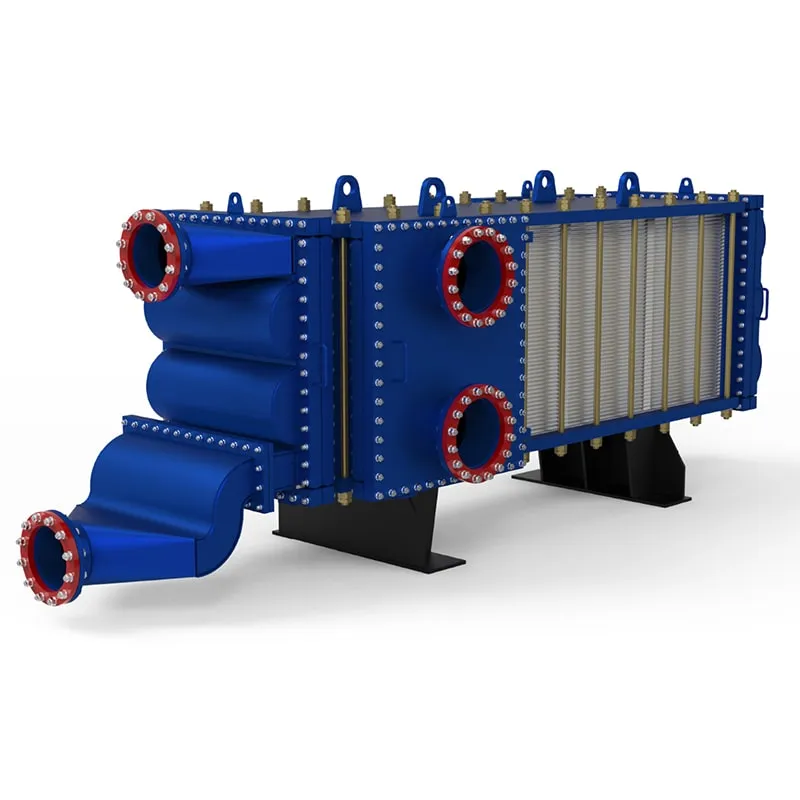
Cleaning frequency depends on the fluid quality and operating temperature. For clean water applications, inspect every 12 months. For process fluids with fouling potential, schedule cleaning every 3–6 months. Visual inspection of pressure drop increase is a reliable indicator.
Yes, but you need a wide gap design. Standard gasketed PHEs handle viscosities up to about 1,000 cP. For fluids like sludge, syrup, or pulp, wide gap welded plate heat exchangers with 5–15 mm plate spacing prevent clogging and maintain thermal performance.
Gasketed designs typically go up to 25 bar. Fully welded plate heat exchangers, such as the HT-Bloc series, can handle up to 40 bar. For higher pressures above 100 bar, printed circuit heat exchangers (PCHE) are the recommended solution.
Yes, SHPHE offers replacement plate packs and gaskets compatible with Alfa Laval, GEA, and other major brands. We match the original plate geometry and port dimensions to ensure proper fit and thermal performance.
For clean water and HVAC, AISI 304 stainless steel is sufficient. For seawater or chloride-containing fluids, use titanium or SS316L. For highly corrosive chemicals, Hastelloy or nickel alloys are recommended. SHPHE provides free material consultation based on your media analysis.
Standard gasketed units ship within 4–6 weeks. Welded and custom-engineered products typically require 8–12 weeks, depending on complexity and material availability. SHPHE offers expedited options for urgent projects.
To receive a free quotation and thermal design, please provide the following details: flow rate (hot and cold side), inlet and outlet temperatures, operating pressure, and media type (including viscosity and any corrosive components). Our engineers will select the optimal plate heat exchanger configuration for your duty.
Understanding the working principle of a plate heat exchanger is the first step toward a reliable, energy-efficient thermal solution. Contact SHPHE today with your process parameters, and we will deliver a design that meets your exact requirements.
We provide you with comprehensive foreign trade solutions to help enterprises achieve global development
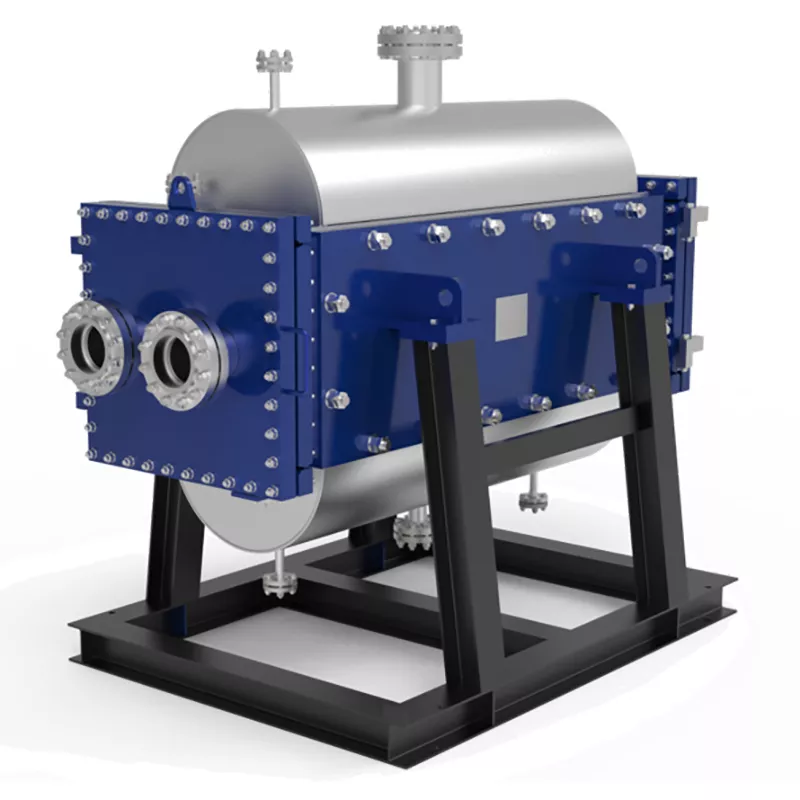
Industrial processes involving particle-laden slurries, high-viscosity syrups, or fiber-rich pulp demand more than standard equipment—they require target-engineered thermal management. At SHPHE, we configure the TP Welded Plate Heat Exchanger to directly conquer your plant's severe fouling, blockage, and erosion threats. Combining custom-tailored channel geometries, wear-resistant metallurgy, and integrated CIP (Cleaning-in-Place) systems, we deliver absolute production continuity where conventional heat exchangers fail.
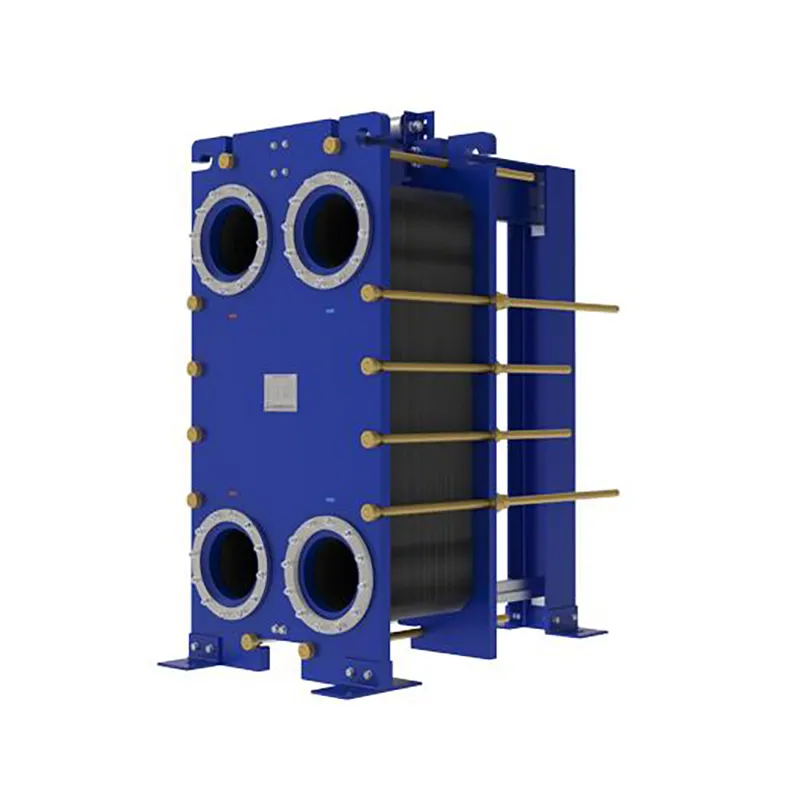
Since the invention of the plate heat exchanger (PHE) in 1923, thermal technology has evolved from standard food-grade processing to highly complex industrial operations. At SHPHE, we take this classic, versatile design and transform it into highly bespoke heat transfer solutions tailored to your unique process fluids and thermal loads. While traditional gasketed PHEs offer high efficiency and compact footprints, SHPHE optimizes plate corrugations, metallurgy, and sealing systems to handle your specific chemical, HVAC, or energy recovery parameters. Our custom-engineered gasketed plate heat exchangers provide outstanding scalability and ease of maintenance, serving as an indispensable asset for heavy industries—including oil and gas, metallurgy, and food processing—where uptime, energy recovery, and long-term sustainability are top priorities.
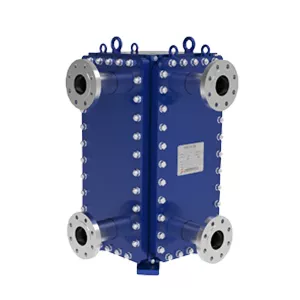
Custom-Engineered for Severe Process Demands. At SHPHE, we don't just supply equipment; we design tailored thermal solutions. Our HT-Bloc welded plate heat exchangers are custom-configured by our experienced engineers to overcome your specific industry challenges—whether handling high-viscosity media, extreme temperatures, or strict space constraints.
Custom-Engineered Anti-Clogging Solutions for High-Viscosity Slurries:
Deployed specifically to conquer severe industrial fouling, SHPHE wide gap welded plate heat exchangers are tailor-built to handle complex media containing dense fibers, coarse crystals, or solid suspensions without clogging. Each non-obstructed channel is calculated and formed by laser-welded plate packs matching your fluid’s exact rheology and grain size, completely eliminating structural "dead zones" and media stagnation. Available in highly compact vertical and versatile horizontal configurations, our vertical engineering drastically reduces plant footprints while maintaining unhindered product throughput, minimal pressure drops, and flawless continuous operations across harsh process loops.
Select the most popular foreign trade service products to meet your diverse needs
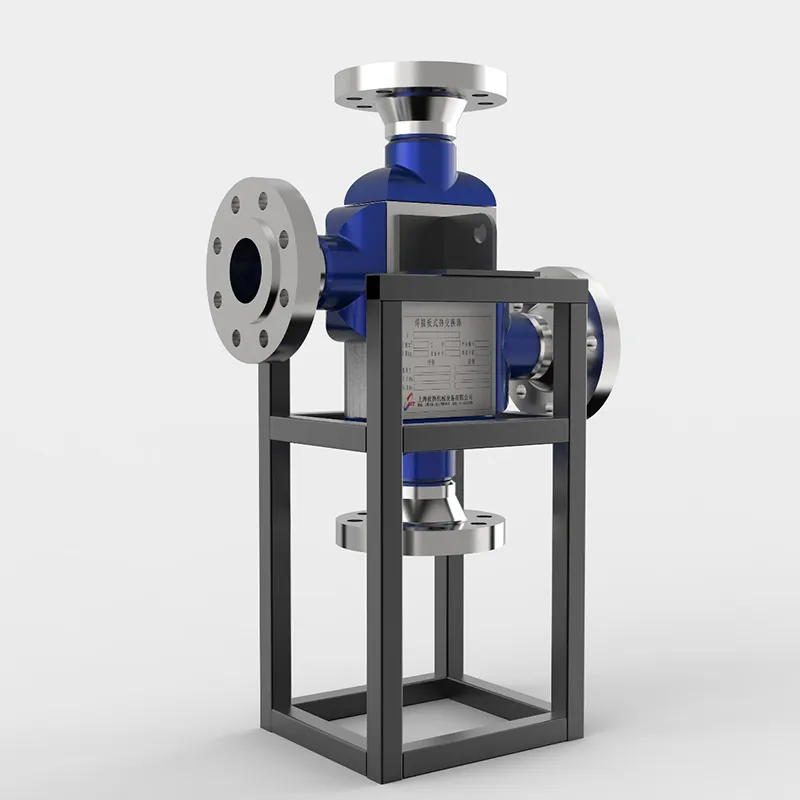
The SHPHE Printed Circuit Heat Exchanger (PCHE) is an advanced diffusion bonded microchannel heat exchanger engineered for demanding high-pressure and high-temperature thermal duties. Compared with conventional shell-and-tube equipment, its chemically etched microchannel structure provides exceptionally high heat-transfer surface density within a compact core. Combined with solid-state diffusion bonding, the design delivers high thermal effectiveness, mechanical integrity, and reliable containment under extreme operating conditions.
Designed as a compact high pressure heat exchanger, the SHPHE PCHE supports critical thermal processes across LNG, natural gas processing, offshore energy systems, supercritical CO₂ power cycles, hydrocarbon processing, and high-pressure hydrogen applications. Its combination of compact size, high pressure capability, low fluid inventory, and efficient heat recovery makes PCHE technology particularly suitable for applications where equipment footprint, weight, safety, and thermal performance are equally important.
Custom-Engineered Anti-Clogging Solutions for High-Viscosity Slurries:
Deployed specifically to conquer severe industrial fouling, SHPHE wide gap welded plate heat exchangers are tailor-built to handle complex media containing dense fibers, coarse crystals, or solid suspensions without clogging. Each non-obstructed channel is calculated and formed by laser-welded plate packs matching your fluid’s exact rheology and grain size, completely eliminating structural "dead zones" and media stagnation. Available in highly compact vertical and versatile horizontal configurations, our vertical engineering drastically reduces plant footprints while maintaining unhindered product throughput, minimal pressure drops, and flawless continuous operations across harsh process loops.
Industrial processes involving particle-laden slurries, high-viscosity syrups, or fiber-rich pulp demand more than standard equipment—they require target-engineered thermal management. At SHPHE, we configure the TP Welded Plate Heat Exchanger to directly conquer your plant's severe fouling, blockage, and erosion threats. Combining custom-tailored channel geometries, wear-resistant metallurgy, and integrated CIP (Cleaning-in-Place) systems, we deliver absolute production continuity where conventional heat exchangers fail.



User Comments
Service Experience Sharing from Real Customers
Mike Torres
Maintenance SupervisorI was always a bit fuzzy on the actual mechanics until I watched a few videos and read some clear diagrams. Now it makes total sense—the alternating plates with gaskets create separate channels for hot and cold fluid, and the heat just transfers through the thin metal. We use these in our dairy pasteurization line, and the efficiency is insane. Clean them once a week and they run like a dream.
Sarah Jenkins
Chemical EngineerFor anyone new to process engineering: a PHE works by sandwiching a bunch of corrugated metal plates together. Hot fluid goes on one side of a plate, cold on the other, and they never mix because of the gaskets. The corrugations create turbulence which massively boosts heat transfer. We just installed a new Alfa Laval unit for a solvent recovery loop—took me a day to fully understand the flow paths, but once you visualize it, it’s elegant.
Tom Bradley
HVAC TechnicianHonestly, I’m not the biggest theory guy, but after swapping out a fouled shell-and-tube for a plate exchanger in a hotel’s hot water system, I get it. The plates stack up, hot water goes one way, cold goes the other in a counter-flow pattern, and because the plates are so thin and close together, the heat jumps across fast. Saved the client 15% on gas bills. Only downside is cleaning if the water is hard, but totally worth it.
Emma Kowalski
Process OperatorI’ve been running a plate heat exchanger for our brewery’s wort cooling for two years now. The principle is simple: the hot wort runs through every other plate, and cold water runs through the gaps in between. The plates are pressed with herringbone patterns that make the fluid swirl around, so it cools the wort from boiling down to pitching temp in seconds. It’s a workhorse—just make sure you torque the bolts evenly when you reassemble it.