What Should You Look for When Selecting a Plate Heat Exchanger Manufacturer?
John Anderson, Senior Industrial Engineer
Jul-06-2026
Selecting the right plate heat exchanger manufacturer is a critical decision that directly impacts operational efficiency, equipment longevity, and total cost of ownership. Beyond basic product specifications, buyers must thoroughly assess manufacturing quality and certifications such as ISO 9001 and ASME standards, which ensure consistent production processes and adherence to safety regulations. Equally important is evaluating customization capabilities and engineering support, as industrial applications often require tailored plate patterns, port sizes, and frame configurations to meet specific thermal duties and space constraints. Material options and corrosion resistance must be carefully analyzed based on the fluid media, operating temperatures, and cleaning protocols, with common choices including stainless steel 316L, titanium, and Hastelloy for aggressive environments. After-sales service and warranty terms should be reviewed to guarantee prompt technical assistance, spare parts availability, and coverage periods that protect your investment. Finally, comparing industry experience and customer references provides real-world insight into a manufacturer’s reliability, problem-solving track record, and long-term partnership approach. A comprehensive evaluation across these dimensions ensures that the selected manufacturer not only delivers a high-performance heat exchanger but also supports your process requirements for years to come.
Assessing Manufacturing Quality and Certifications
When evaluating a plate heat exchanger manufacturer, the foundation of reliability lies in their production standards and accredited credentials. A commitment to precision engineering and rigorous testing protocols ensures long-term performance and safety.
Key Quality Indicators
Look for manufacturers that utilize advanced CNC machining and automated welding processes. Consistent plate pressing tolerances and leak-tight assembly methods are non-negotiable for high-pressure applications. Verify their in-house quality control measures, including hydrostatic testing and helium leak detection.
Essential Certifications
A reputable manufacturer should hold internationally recognized certifications such as ISO 9001 for quality management and ASME U-Stamp for pressure vessel design. Compliance with PED (Pressure Equipment Directive) or CRN (Canadian Registration Number) is critical for global projects. Additionally, check for material traceability certificates and third-party inspection reports.
Production Facility Standards
Evaluate whether the manufacturer operates a clean, organized facility with dedicated R&D departments. Access to in-house thermal engineering and finite element analysis (FEA) capabilities often correlates with higher product quality. A manufacturer that invests in continuous staff training and equipment upgrades demonstrates long-term commitment to excellence.
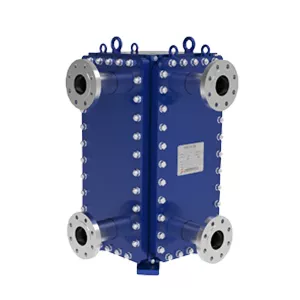
For specific product lines, review their certified capabilities: Gasketed Plate Heat Exchangers, Wide Gap Welded Plate Heat Exchangers, and TP Welded Plate Heat Exchangers each require specific manufacturing expertise and certification adherence.
Evaluating Customization Capabilities and Engineering Support
When selecting a manufacturer, assess their ability to tailor plate heat exchangers to specific process requirements. A strong partner offers bespoke design options, including custom plate geometries, materials, and port configurations, ensuring optimal thermal performance and fit within existing systems.
Engineering support is equally critical. Look for manufacturers that provide comprehensive technical assistance, from initial concept and thermal calculations to installation guidance and troubleshooting. Dedicated engineers should be available to collaborate on complex projects, offering simulation data and performance guarantees.
Verify the manufacturer's track record in delivering customized solutions across industries like HVAC, chemical processing, and power generation. Their portfolio should demonstrate flexibility in handling varying pressures, temperatures, and fluid types, backed by robust quality control and after-sales service.
Analyzing Material Options and Corrosion Resistance
Selecting the right material for plate heat exchangers is critical to ensuring long-term performance and resistance to corrosive fluids. Common materials include stainless steel 304, 316L, titanium, and nickel alloys, each offering distinct advantages depending on the application environment.
Stainless steel 304 is suitable for general-purpose applications with neutral fluids, while 316L provides enhanced resistance to chlorides and acidic media. Titanium excels in seawater and high-chloride environments, and nickel alloys like Hastelloy are ideal for extreme chemical resistance under high temperatures.
| Material |
Corrosion Resistance |
Typical Application |
| Stainless Steel 304 |
Good for neutral fluids |
Food processing, HVAC |
| Stainless Steel 316L |
Excellent against chlorides |
Chemical, pharmaceutical |
| Titanium |
Superior in seawater |
Marine, desalination |
| Nickel Alloy (Hastelloy) |
Extreme chemical resistance |
High-temp, aggressive acids |
The table above summarizes key material options and their corrosion resistance profiles. When evaluating a manufacturer, confirm that they offer a range of materials and can provide corrosion data specific to your process fluids. A reliable supplier will also offer surface treatments or coatings to further enhance durability.
For more details on engineered solutions, explore our custom plate air preheaters and gasketed plate heat exchangers.
Reviewing After-Sales Service and Warranty Terms
A reliable manufacturer offers comprehensive after-sales support, including installation guidance, maintenance training, and responsive technical assistance. Verify that service engineers are available locally or remotely to address operational issues promptly.
Warranty terms should clearly cover parts and labor for a defined period, typically 12 to 24 months from commissioning. Scrutinize exclusions such as damage from improper use, corrosion, or unauthorized modifications.
Check if the warranty includes replacement of defective plates or gaskets without hidden costs. A manufacturer confident in their product will offer extended warranty options and a straightforward claims process.
Request references from existing customers to evaluate the responsiveness and fairness of the manufacturer’s after-sales team. Long-term partnerships often indicate dependable service and durable equipment.
Comparing Industry Experience and Customer References
When evaluating a plate heat exchanger manufacturer, industry experience serves as a foundational indicator of reliability and technical competence. A company with decades of operation has likely encountered diverse engineering challenges and refined its manufacturing processes accordingly. Look for a track record in your specific sector, whether it involves chemical processing, power generation, or HVAC systems. Experienced manufacturers often possess deeper insights into material selection, thermal design optimization, and compliance with international standards such as ASME or PED.
Customer references provide real-world validation of a manufacturer's claims. Request contact information for past clients with similar application requirements. Inquire about product performance over time, responsiveness to service needs, and adherence to delivery schedules. A reputable manufacturer will readily supply references and may offer case studies demonstrating successful installations. For instance, projects involving custom-engineered solutions often reveal the manufacturer's ability to adapt to unique specifications.
To further assess credibility, explore independent reviews or industry forums where previous customers share their experiences. Consistent positive feedback regarding durability and thermal efficiency is a strong sign. Additionally, verify if the manufacturer holds relevant certifications, as these often correlate with rigorous quality control. Combining documented experience with direct customer insights helps ensure a well-informed selection process.
Related product references:
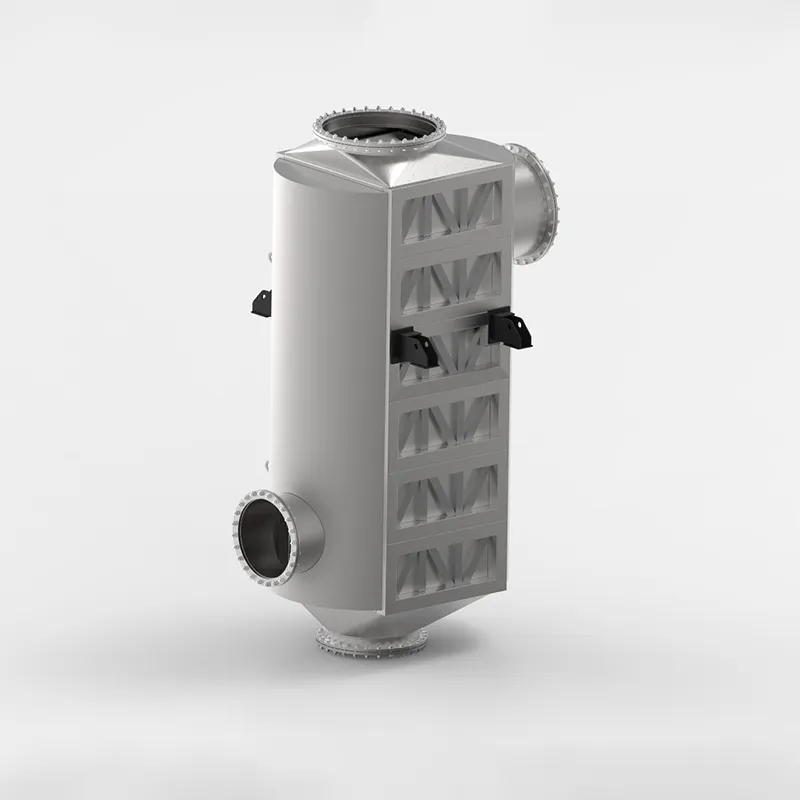
Custom Engineered Plate Air Preheaters
HT Bloc Welded Plate Heat Exchanger
Custom Engineered Pillow Plates
Custom Engineered Printed Circuit Heat Exchanger
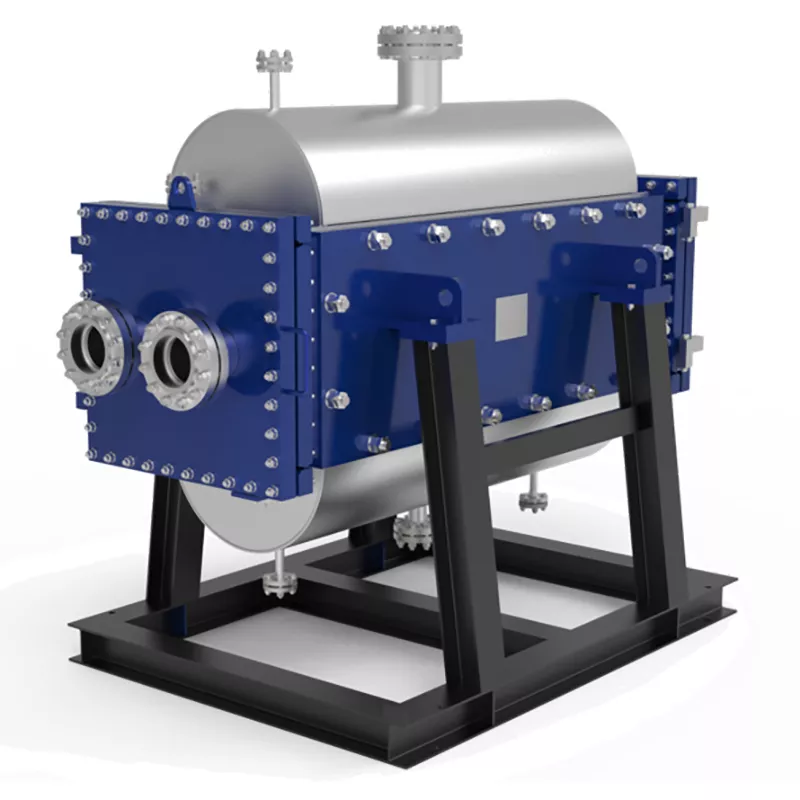
Wide Gap Welded Plate Heat Exchanger
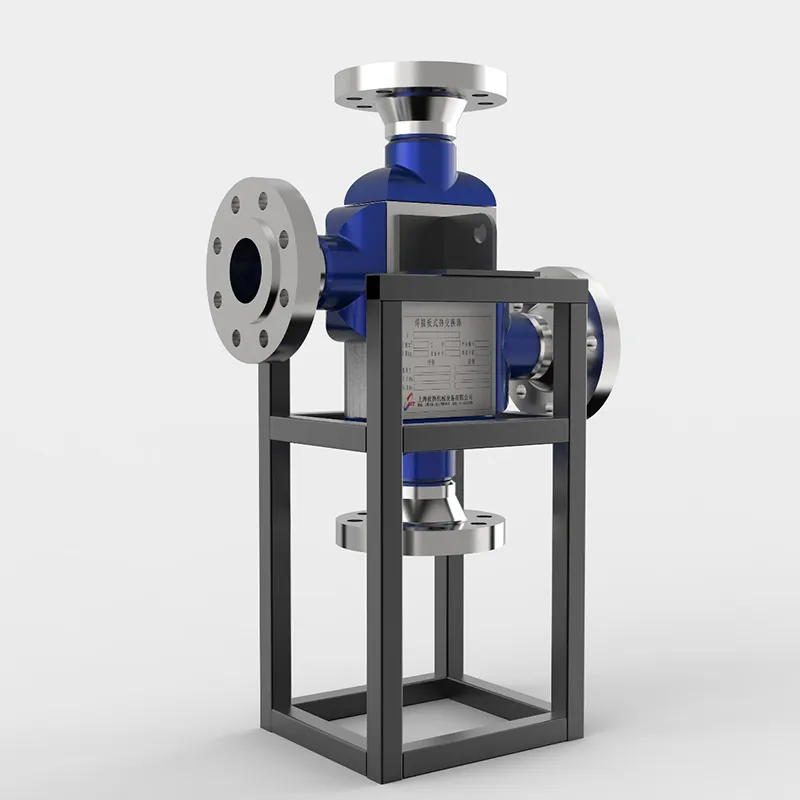
TP Welded Plate Heat Exchanger
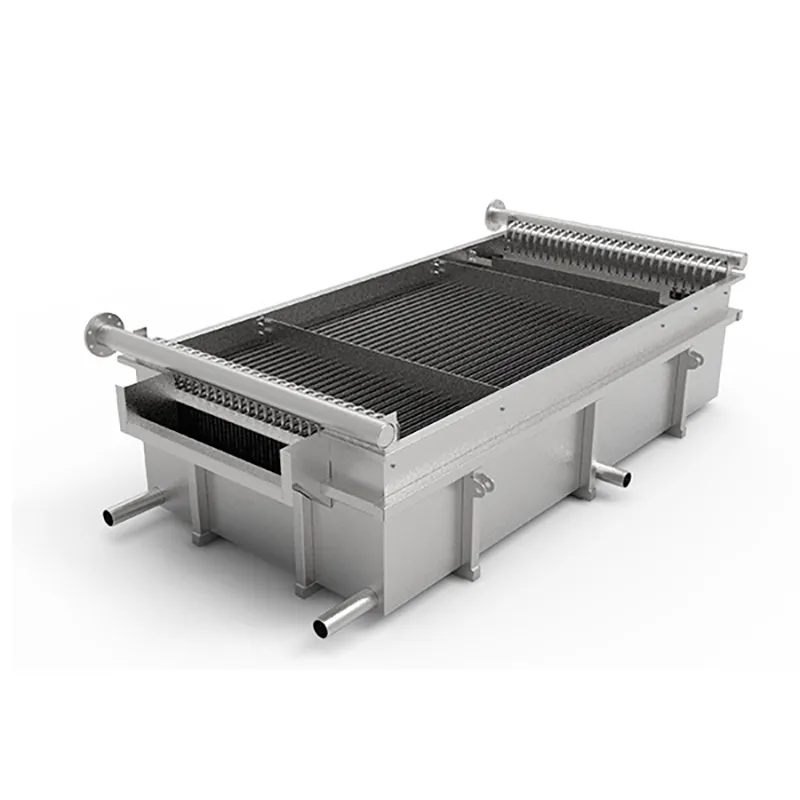
Gasketed Plate Heat Exchangers
Key Takeaways for Choosing a Reliable Manufacturer
Assessing Manufacturing Quality and Certifications
Prioritize manufacturers with ISO 9001, ASME, or PED certifications. Audited production lines, traceable welding procedures, and rigorous pressure testing reflect consistent quality. Request factory audit reports and third-party inspection records to verify compliance.
Evaluating Customization Capabilities and Engineering Support
Choose a partner that offers thermal design software, plate pattern optimization, and frame modifications. Experienced engineers should provide nozzle sizing, gasket material selection, and pressure drop calculations tailored to your process conditions.
Analyzing Material Options and Corrosion Resistance
Verify availability of stainless steel 316L, titanium, Hastelloy, and nickel alloys. Check chloride stress corrosion cracking resistance, gasket compatibility (EPDM, NBR, Viton), and surface passivation procedures. Material certificates per EN 10204 3.1 are essential.
Reviewing After-Sales Service and Warranty Terms
Look for minimum 3-year warranty on plates and frames, 24/7 technical support, and local service centers. Spare parts availability within 48 hours, on-site commissioning, and clear return policies indicate a manufacturer committed to long-term reliability.
Comparing Industry Experience and Customer References
Select a manufacturer with at least 15 years in plate heat exchanger production, proven references in chemical, HVAC, marine, and food processing sectors. Request contact details of three similar-scale clients and verify project performance, delivery adherence, and post-installation feedback.
Final Recommendation
Combine certification audits, customization depth, material traceability, responsive after-sales support, and verifiable industry tenure. A manufacturer that excels in all five areas will deliver optimal thermal performance, extended equipment life, and lower total cost of ownership.
What Should You Look for When Selecting a Plate Heat Exchanger Manufacturer?
Prioritize verified certifications (ISO 9001, ASME), proven experience in your industry, transparent material sourcing, and responsive engineering support. A reliable manufacturer will also offer clear warranty terms and accessible after-sales service.
Assessing Manufacturing Quality and Certifications
Look for international standards such as ISO 9001, ASME U-stamp, or PED. Request factory audit reports and inspect weld quality, plate pressing tolerances, and gasket groove consistency. Certifications should be current and verifiable.
Evaluating Customization Capabilities and Engineering Support
Confirm the manufacturer can tailor plate patterns, port sizes, frame dimensions, and gasket materials to your process. Ask about in-house thermal design software and whether they provide CFD or FEA analysis for non‑standard applications.
Analyzing Material Options and Corrosion Resistance
A reputable supplier offers alloys like 316L, 254SMO, titanium, Hastelloy, and nickel. They should provide corrosion data, passivation procedures, and compatibility charts for your fluid chemistry and operating temperature range.
Reviewing After-Sales Service and Warranty Terms
Check warranty duration (typically 12–24 months), coverage on plates and gaskets, and response time for replacement parts. Ask about local service centers, commissioning support, and availability of spare gaskets or plate packs.

 English EN





User Comments
Service Experience Sharing from Real Customers
Liam
Maintenance SupervisorWe switched to this plate heat exchanger manufacturer about six months ago for our dairy cooling system. The build quality is night and day compared to the old units — no leaks, easy to pull apart for cleaning, and the gaskets actually hold up under CIP cycles. My crew doesn't dread the weekly washdown anymore.
Elena
Process EngineerI've specified a lot of heat exchangers over the years, and these guys deliver consistent performance. The thermal rating matched our specs without any fudging, and delivery was actually two weeks early. Only giving 4 stars because the documentation could be a bit clearer for installation, but their tech support answered my call in ten minutes.
Omar
Facilities ManagerHonestly, I was skeptical about importing a plate heat exchanger for our HVAC system, but the price was right and they offered a solid warranty. Three years in, zero issues. The plates are still tight, no cross-contamination, and the pressure drop hasn't crept up. Saved us a ton on energy costs compared to the old shell-and-tube setup.
Sofia
Brewing Operations LeadWe needed a compact unit for wort chilling in our microbrewery, and this manufacturer custom-built one that fits our tight space perfectly. It knocks the temp down fast and the stainless finish looks great in the brew house. Only minor complaint: the bolts could use a nicer coating — they started showing surface rust after a few months, but functionally it's flawless.