What Should You Look for When Selecting a Heat Exchanger Manufacturer?
Author: Industry Expert
Date: Jul-06-2026
Selecting the right heat exchanger manufacturer is a critical decision that impacts operational efficiency, safety, and long-term costs. A thorough evaluation begins with examining the manufacturer’s industry experience and technical expertise, as years of proven performance and specialized engineering knowledge often correlate with reliable product design and problem-solving capabilities. Equally important is assessing product quality, certifications, and compliance with international standards such as ASME, TEMA, or ISO, which ensure that equipment meets rigorous safety and performance benchmarks. Customization capabilities and robust engineering support are essential for projects requiring unique specifications, as they allow for tailored solutions that optimize heat transfer and fit within existing systems. Furthermore, comprehensive after-sales service, including responsive warranty terms and accessible maintenance support, can significantly reduce downtime and extend equipment lifespan. Finally, comparing cost competitiveness and delivery reliability helps balance upfront investment with long-term value, ensuring that the chosen manufacturer can meet both budget constraints and project timelines without compromising quality or service.
Evaluating the Manufacturer's Industry Experience and Technical Expertise
When selecting a heat exchanger manufacturer, the depth of their industry experience and technical expertise directly impacts product reliability, performance, and long-term operational efficiency. A manufacturer with decades of field-proven knowledge understands the nuances of thermal design, material selection, and application-specific challenges.
Look for a track record of successful projects across diverse industries such as chemical processing, oil and gas, power generation, and HVAC. Experienced manufacturers offer comprehensive engineering support, including custom design capabilities, finite element analysis, and compliance with international standards like ASME, TEMA, and PED.
Technical expertise is demonstrated through innovative solutions, such as advanced plate heat exchanger designs or custom-engineered systems for high-pressure and high-temperature applications. A reputable manufacturer will provide detailed documentation, performance guarantees, and after-sales technical assistance.
To further evaluate their capabilities, explore specific product lines and case studies:
Assessing Product Quality, Certifications, and Compliance with Standards
Product quality is the cornerstone of reliable heat exchanger performance. Look for manufacturers that use high-grade materials such as stainless steel, titanium, or specialized alloys to ensure durability and resistance to corrosion, thermal stress, and pressure fluctuations. Precision in manufacturing processes, including welding, brazing, and gasketing, directly impacts leak prevention and thermal efficiency. Request detailed material certifications and inspect sample units or case studies to verify consistency in production standards.
Certifications serve as independent validation of a manufacturer's commitment to quality. Key certifications include ISO 9001 for quality management systems, ASME Boiler and Pressure Vessel Code for pressure vessel safety, and PED (Pressure Equipment Directive) for European markets. Additionally, look for certifications specific to your industry, such as API for oil and gas or FDA for food processing. These credentials demonstrate that the manufacturer adheres to rigorous testing, documentation, and continuous improvement protocols.
Compliance with international and local standards ensures that the heat exchanger meets safety, environmental, and performance requirements. Standards such as TEMA (Tubular Exchanger Manufacturers Association), HEI (Heat Exchange Institute), and EN 13445 provide guidelines for design, fabrication, and testing. Verify that the manufacturer follows these standards and can provide compliance certificates. A manufacturer that prioritizes regulatory adherence reduces the risk of operational failures, legal liabilities, and costly downtime.
Ultimately, a thorough evaluation of product quality, certifications, and standards compliance safeguards your investment. Engage with manufacturers that offer transparent documentation, third-party test reports, and a track record of meeting diverse industry codes. This approach ensures that your heat exchanger delivers optimal performance, longevity, and safety in demanding applications.
Analyzing Customization Capabilities and Engineering Support
A reliable manufacturer offers tailored solutions for specific thermal and mechanical requirements. Evaluate their ability to modify designs, materials, and configurations based on your process parameters.
Engineering support includes application analysis, thermal sizing, pressure drop calculations, and material selection. Look for manufacturers with in-house design teams and experience in your industry.
| Customization Aspect |
Standard Capability |
Advanced Capability |
| Material Selection |
Stainless steel, carbon steel |
Hastelloy, titanium, duplex alloys |
| Design Pressure |
Up to 30 bar |
Up to 100 bar or higher |
| Temperature Range |
-20°C to 200°C |
-200°C to 800°C |
| Plate Geometry |
Standard corrugation patterns |
Custom chevron angles, deep patterns |
| Connection Types |
Threaded, flanged |
Custom nozzle orientations, sanitary fittings |
The table above outlines typical customization levels. A manufacturer with strong engineering support can guide you from concept to commissioning, ensuring optimal heat transfer performance and long-term reliability.
Request case studies or references from similar applications to verify their expertise. Direct communication with their engineering team during the proposal phase is a positive indicator of collaborative support.
Reviewing After-Sales Service, Warranty, and Maintenance Support
Reliable after-sales service ensures your heat exchanger operates efficiently throughout its lifecycle. A manufacturer offering comprehensive warranty coverage and responsive maintenance support minimizes downtime and extends equipment longevity.
Look for providers with dedicated service teams, clear warranty terms covering parts and labor, and scheduled maintenance programs. Quick access to spare parts and technical assistance is critical for industrial operations.
Evaluate response times for service requests and availability of remote diagnostics. A manufacturer that offers training for your maintenance staff adds significant value, reducing reliance on external support.
Comparing Cost Competitiveness and Delivery Reliability
When evaluating heat exchanger manufacturers, two critical factors often determine the success of your project: cost competitiveness and delivery reliability. A manufacturer that offers both ensures you stay within budget while meeting project timelines.
Cost Competitiveness
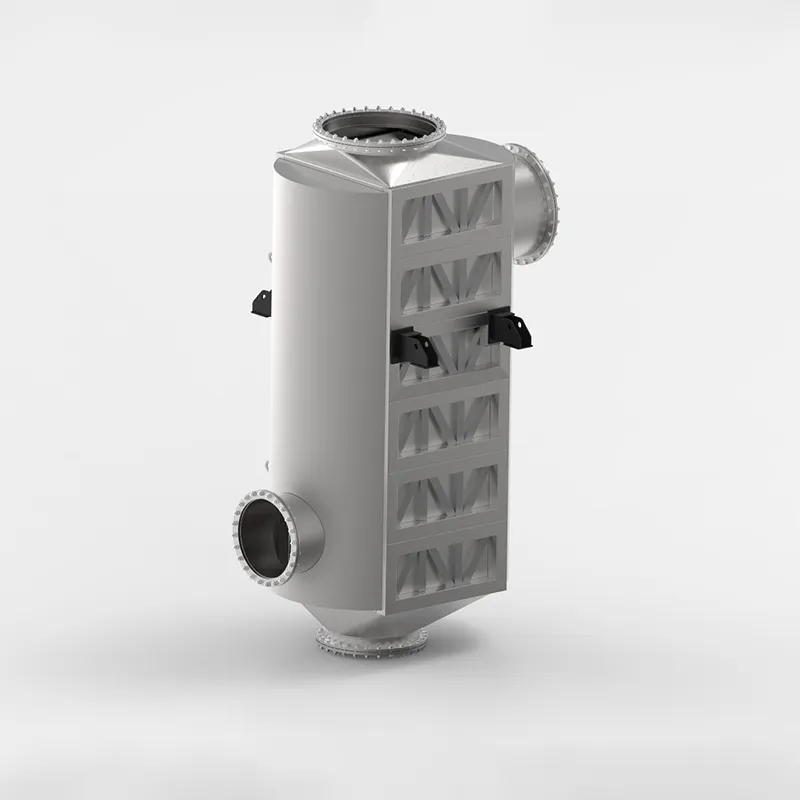
Cost competitiveness goes beyond the initial purchase price. It includes long-term operational efficiency, maintenance costs, and the durability of the heat exchanger. Manufacturers that use advanced engineering and efficient production processes can offer competitive pricing without compromising quality. For example, custom-engineered solutions like
plate air preheaters can reduce energy consumption, lowering lifetime costs. Similarly,
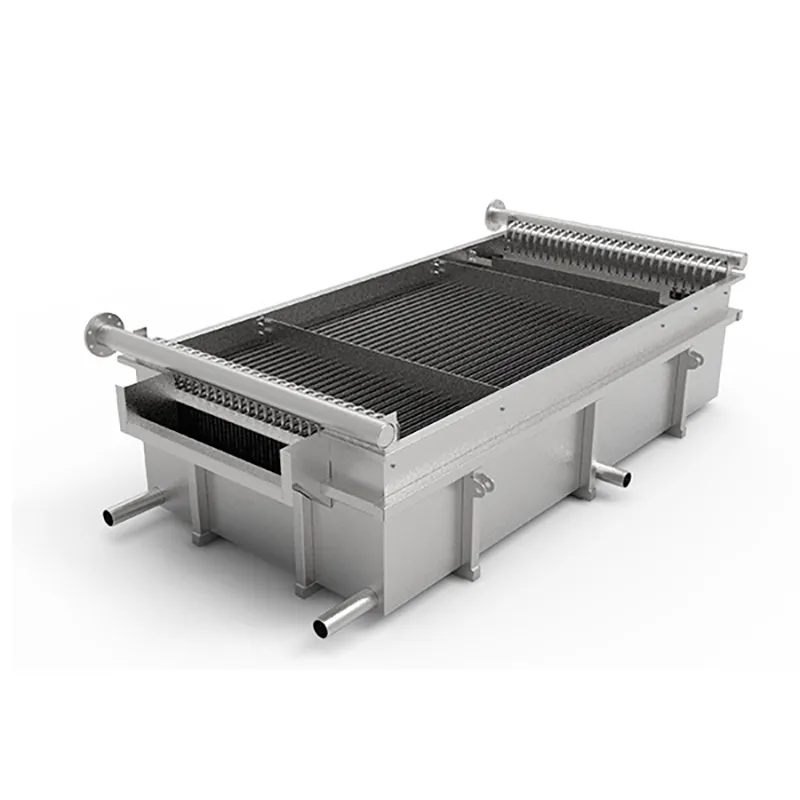
HT Bloc welded plate heat exchangers provide robust performance at a lower total cost of ownership.
Delivery Reliability
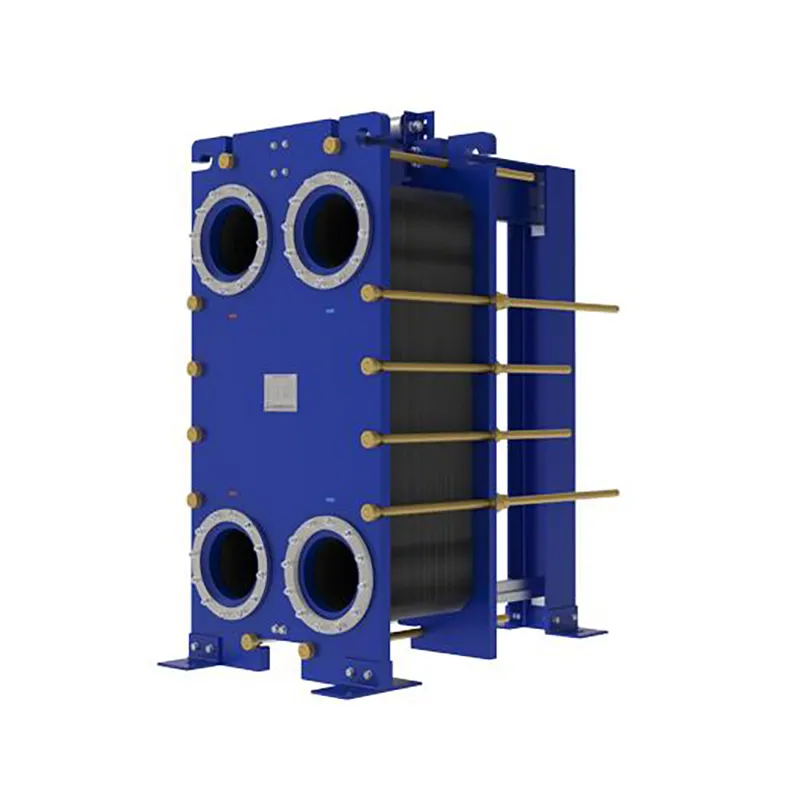
Delivery reliability ensures that your heat exchanger arrives on time, preventing costly project delays. Reliable manufacturers maintain strict production schedules and transparent communication. They often stock key components or use modular designs to accelerate manufacturing. For instance,
gasketed plate heat exchangers are known for faster lead times due to their standardized assembly. Meanwhile,
printed circuit heat exchangers offer high precision but require careful planning to ensure timely delivery.
Balancing Both Factors
Ultimately, selecting a manufacturer with proven cost competitiveness and delivery reliability protects your investment and ensures project success. Always request detailed quotes and delivery timelines, and verify their track record with similar projects.
Evaluating the Manufacturer's Industry Experience and Technical Expertise
A manufacturer with extensive industry experience and proven technical expertise ensures reliable design and efficient problem-solving for complex heat transfer applications.
Assessing Product Quality, Certifications, and Compliance with Standards
High product quality, relevant certifications, and strict compliance with international standards are critical indicators of a manufacturer's commitment to safety and performance.
Analyzing Customization Capabilities and Engineering Support
The ability to offer tailored solutions and strong engineering support is essential for meeting specific system requirements and optimizing heat exchanger integration.
Reviewing After-Sales Service, Warranty, and Maintenance Support
Comprehensive after-sales service, clear warranty terms, and reliable maintenance support are vital for long-term operational efficiency and reduced downtime.
Comparing Cost Competitiveness and Delivery Reliability
Balancing cost competitiveness with consistent on-time delivery ensures that your project remains within budget and on schedule without compromising quality.
Selecting the right heat exchanger manufacturer requires a thorough evaluation of experience, quality, customization, support, and cost. A careful assessment across these areas leads to a more reliable and efficient partnership.
What Should You Look for When Selecting a Heat Exchanger Manufacturer?
Look for proven industry experience, relevant technical certifications, and a track record of delivering reliable heat exchangers for your specific application. Evaluate their engineering team’s depth and whether they offer full support from design to commissioning.
Evaluating the Manufacturer's Industry Experience and Technical Expertise
Assess how long the manufacturer has served your sector (e.g., chemical, HVAC, power). Request case studies or references that demonstrate their ability to solve complex thermal challenges. Verify that their engineers hold relevant professional memberships and continuously update their skills.
Assessing Product Quality, Certifications, and Compliance with Standards
Check for ISO 9001, ASME, PED, or other relevant certifications. Ask about material traceability, testing procedures (hydrostatic, helium leak), and adherence to TEMA or API standards. A quality manufacturer will provide detailed inspection reports and third-party test certificates.
Analyzing Customization Capabilities and Engineering Support
Determine if the manufacturer offers bespoke design (materials, dimensions, connections) and provides dedicated project engineers. Ask about their use of simulation tools (CFD, FEA) and whether they can adapt existing designs to meet unique process conditions or space constraints.
Reviewing After-Sales Service, Warranty, and Maintenance Support
Confirm warranty duration and what it covers (parts, labor, performance). Inquire about availability of spare parts, remote troubleshooting, and on-site service contracts. A responsive after-sales team minimizes downtime and extends equipment life.

 English EN





User Comments
Service Experience Sharing from Real Customers
Connor
Maintenance SupervisorWe swapped out an old shell-and-tube unit from a different supplier for one of these plate heat exchangers six months ago. The pressure drop was immediately lower, and we haven't had a single fouling issue despite running glycol at 85°C. Installation was straightforward—the flange alignment was spot-on. Finally, a manufacturer that actually machines their ports to spec instead of leaving us to shim everything.
Maya
Process EngineerI specified this brand for a pilot plant project because their thermal rating data was more conservative than the competitors'. It paid off—the actual approach temperature was within 0.5°C of the design, which is rare. Only reason I’m not giving five stars is that the gasket replacement instructions could be clearer for a first-timer. But the build quality is solid, and the laser-welded core looks immaculate.
Elena
Facilities ManagerWe needed a compact unit for an HVAC retrofit in a tight mechanical room. The sales engineer actually visited the site, measured everything, and recommended a model that fit with 2 inches to spare. It's been running our chiller loop for eight months now with zero leaks and noticeably quieter operation than the old brazed plate unit. Customer service even followed up to ask if we needed training for the cleaning procedure. That’s rare.
Tomas
Lead FabricatorI’ve been welding pipe for twenty years, and I’ve seen a lot of heat exchangers come through the shop. These guys make a clean product. The nozzle welds on the stainless unit we got were consistent, no slag inclusions, and the passivation was done right. Only hiccup was the delivery was a day late, but the crating was bombproof—not a scratch. I’d buy from them again for a critical line.