How a Plate Heat Exchanger Evaporator Optimizes Thermal Management in Industrial Processes
In many industrial operations, managing heat transfer efficiently is a constant challenge. A plate heat exchanger evaporator offers a compact, high-performance solution for evaporation duties, helping process engineers reduce energy consumption and improve system reliability. This article explains how these units work, their key parameters, and how to select the right design for your application.
What Is a Plate Heat Exchanger Evaporator?
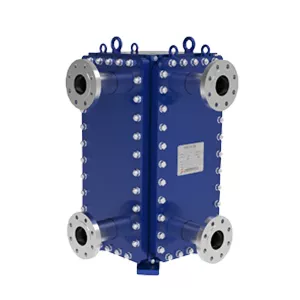
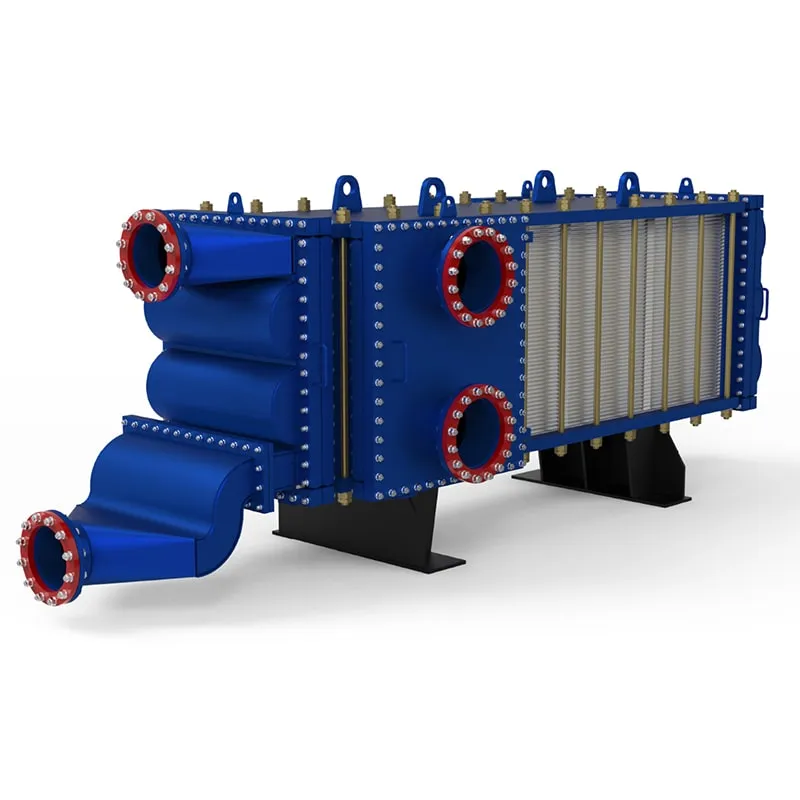
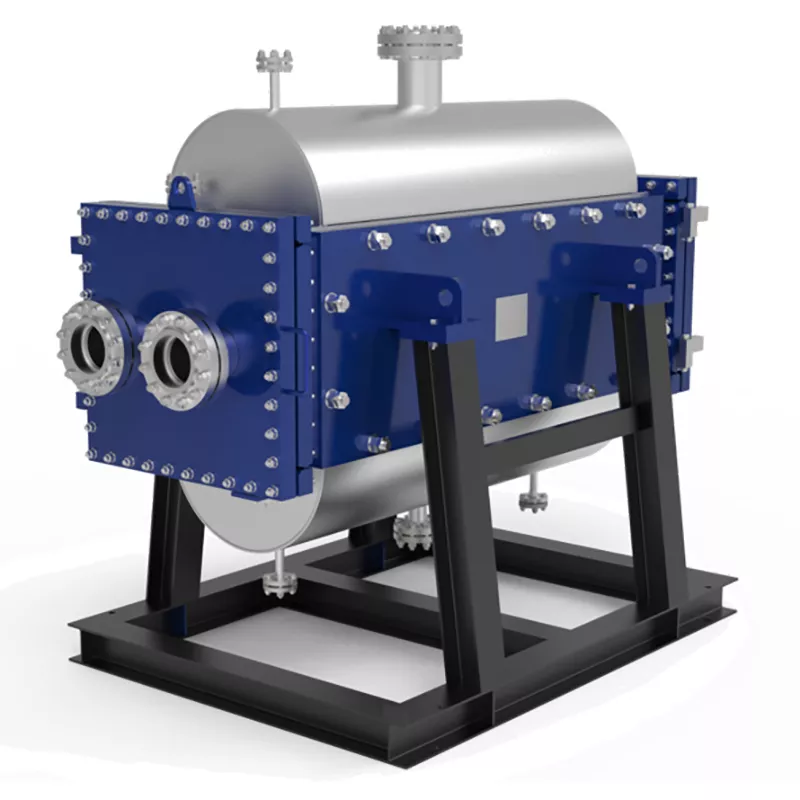
A plate heat exchanger evaporator is a specialized heat transfer device designed to handle phase change from liquid to vapor. It uses a series of corrugated plates to create narrow channels where the process fluid absorbs heat from a hot medium, typically steam or thermal oil. The compact design provides a large surface area in a small footprint, making it ideal for industries like chemical processing, food and beverage, and HVAC.
Unlike traditional shell-and-tube evaporators, plate designs offer higher heat transfer coefficients and easier maintenance. For process engineers looking to upgrade existing systems, these units are often a direct alternative to gasketed plate heat exchangers when evaporation is required.
How Does a Plate Evaporator Work in a Process Loop?
The working principle is straightforward. The liquid feed enters the plate pack and flows through alternating channels. A heating medium, such as saturated steam, flows through the opposite channels. As heat transfers across the thin plates, the process fluid reaches its boiling point and begins to vaporize. The vapor exits the top of the unit, while any remaining liquid is recirculated or drained.
Key factors influencing performance include plate geometry, flow arrangement, and pressure drop. For example, wide-gap plates are better suited for fluids with solids or high viscosity, while herringbone patterns enhance turbulence for clean liquids. Many manufacturers, including SHPHE, offer free thermal design and selection services to match the evaporator to your specific process conditions.
What Are the Typical Parameters for Plate Evaporators?
Understanding common operating ranges helps in preliminary sizing. Below is a table of typical parameters for industrial plate heat exchanger evaporators:
| Parameter |
Typical Range |
| Maximum operating pressure |
Up to 30 bar (gasketed) / 100 bar (welded) |
| Maximum operating temperature |
Up to 200°C (gasketed) / 400°C (welded) |
| Heat transfer coefficient |
3,000–7,000 W/m²·K (depending on fluid and plate type) |
| Plate material |
Stainless steel 304/316L, titanium, Hastelloy |
| Flow capacity |
0.5–500 m³/h per unit |
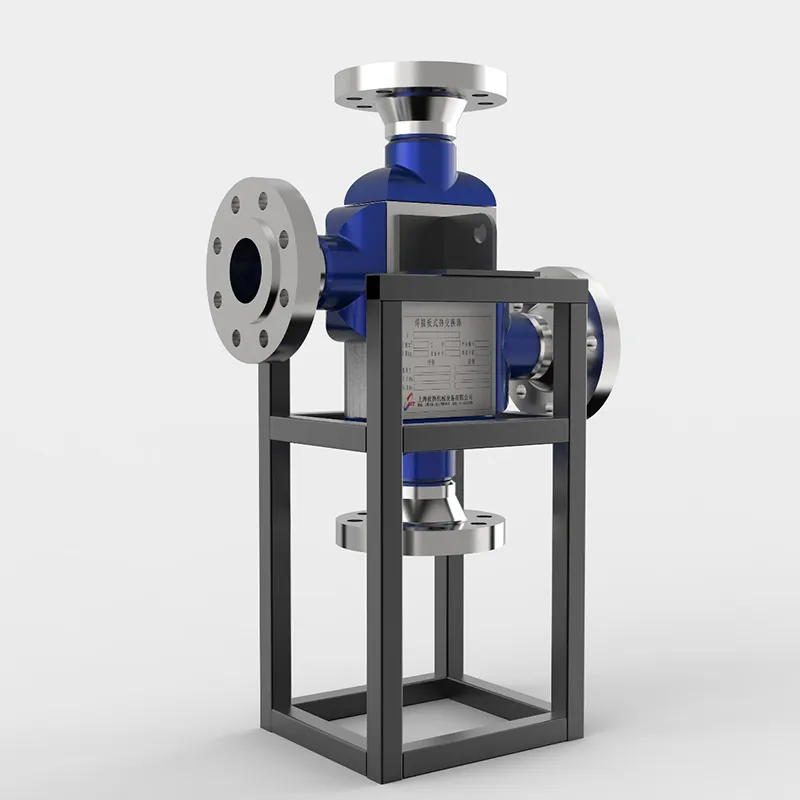
These values are industry-generic and should be verified with a manufacturer for your specific application. For high-temperature or high-pressure evaporation, welded designs like the HT-Bloc welded plate heat exchanger are often recommended.
Key Features That Improve Thermal Management
Plate heat exchanger evaporators offer several advantages that directly impact thermal management:
- Compact footprint: Up to 80% smaller than shell-and-tube units for the same duty.
- High thermal efficiency: Turbulent flow in plate channels enhances heat transfer and reduces fouling.
- Modular design: Plates can be added or removed to adjust capacity without replacing the entire unit.
- Low hold-up volume: Minimizes inventory of expensive or hazardous process fluids.
- Easy maintenance: Gasketed designs allow full access for cleaning; welded designs require less frequent service.
For applications with fouling or viscous media, wide-gap welded plate heat exchangers are a robust alternative to standard plate designs.
Common Applications and Recommended Solutions
Plate evaporators are used across many industries. Below are typical scenarios and suitable product types:
- Chemical concentration: Use gasketed or welded plate evaporators for heat-sensitive chemicals. Compatible with Alfa Laval and GEA designs.
- Food juice evaporation: Wide-gap welded plates handle pulp and fibers without clogging.
- Wastewater treatment: Plate evaporators recover water from brine or industrial effluents. The wide gap welded plate heat exchanger is ideal for this duty.
- Refrigeration and HVAC: Compact plate evaporators serve as chillers or condensers in ammonia or CO₂ systems.
- Pharmaceutical distillation: Low hold-up volume ensures minimal product loss and fast batch changeovers.
When selecting a solution, consider factors like fluid corrosiveness, operating pressure, and required evaporation rate. SHPHE provides free thermal design to help you choose between gasketed, welded, or hybrid configurations.
Why Choose SHPHE for Plate Evaporator Solutions?
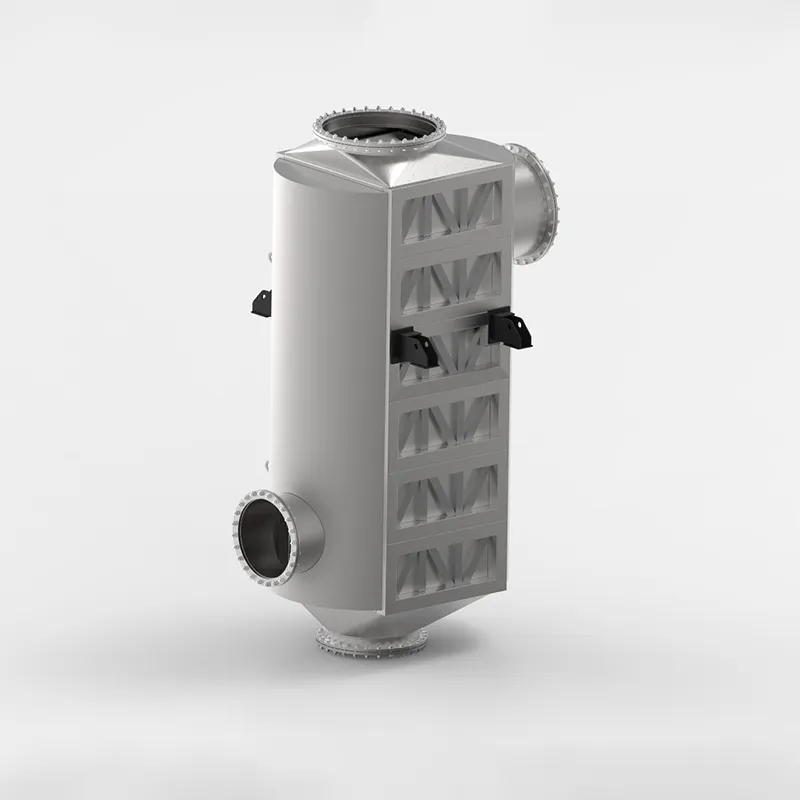
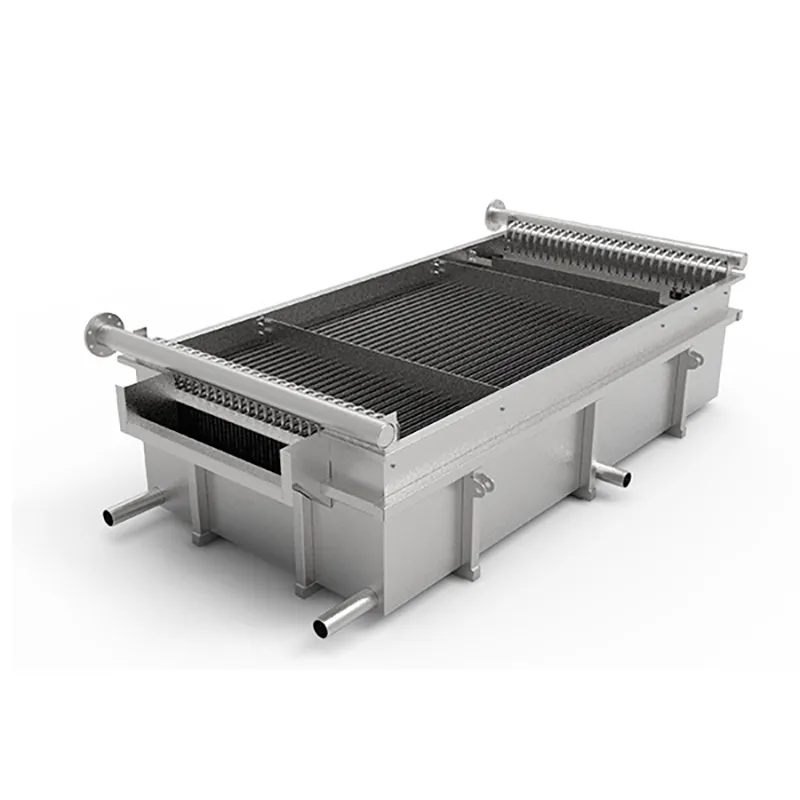
SHPHE is a Shanghai-based plate heat exchanger manufacturer founded in 2005, exporting to over 20 countries. The company holds ISO9001 and ASME U certifications, ensuring consistent quality across its product lines. Their portfolio includes HT-Bloc and TP welded plate heat exchangers, wide gap welded units, gasketed plate heat exchangers, PCHE, plate air preheaters, and pillow plates.
For evaporation duties, SHPHE offers free thermal design and selection services. Their engineering team can recommend the optimal plate geometry, material, and flow arrangement based on your process data. Whether you need a replacement for an existing Compabloc unit or a custom solution for a new plant, SHPHE provides a reliable, cost-effective alternative.
Frequently Asked Questions
Q: Can a plate heat exchanger evaporator handle high-viscosity fluids?
Yes, but you need a wide-gap or free-flow plate design. These plates have larger channel gaps, typically 5–15 mm, to prevent clogging and reduce pressure drop. For extremely viscous fluids, consider a welded wide-gap unit.
Q: What is the typical lifespan of a plate evaporator?
With proper maintenance, gasketed plate evaporators last 10–15 years, while welded designs can exceed 20 years. Regular inspection of gaskets and plates is recommended. SHPHE offers replacement parts for all its models.
Q: How do I size a plate evaporator for my process?
You need to provide flow rate, inlet and outlet temperatures, pressure, and media properties. The manufacturer uses thermal design software to calculate required surface area, number of plates, and pressure drop. SHPHE provides this service free of charge.
Q: Are plate evaporators compatible with corrosive chemicals?
Yes. Plates can be made from titanium, Hastelloy, or stainless steel with special coatings. Gasket materials like EPDM or Viton are selected based on chemical compatibility. Always consult the manufacturer for material recommendations.
Q: Can I use a plate evaporator as a direct replacement for a shell-and-tube unit?
In many cases, yes. Plate evaporators offer higher heat transfer coefficients and smaller footprints. However, you must verify pressure and temperature ratings. For high-pressure steam applications, welded plate designs are recommended.
Q: What maintenance does a plate evaporator require?
For gasketed units, periodic gasket replacement and plate cleaning are needed. Welded units require less maintenance but should be inspected for fouling. SHPHE provides maintenance guidelines and spare parts for all product lines.
Request a Quote for Your Plate Heat Exchanger Evaporator
To get started with a plate heat exchanger evaporator that optimizes your thermal management, please provide the following details in your inquiry:
- Flow rate (kg/h or m³/h) for both process and heating media
- Inlet and outlet temperatures
- Operating pressure
- Media type and composition (including any solids or corrosive elements)
- Preferred plate material and gasket type (if known)
SHPHE offers free thermal design and selection services. Contact their engineering team today to discuss your specific requirements and receive a tailored solution.

 English EN





User Comments
Service Experience Sharing from Real Customers
Liam
Maintenance SupervisorSwapped out our old shell-and-tube for this plate heat exchanger evaporator last quarter. The thermal efficiency jump is undeniable—our cooling load dropped by nearly 15% without any extra pump work. Cleaned it once after three months of heavy syrup duty, and the plates came out spotless. No leaks, no fouling headaches. Solid upgrade for any food plant.
Chloe
Process EngineerWe spec'd this unit for a pilot-scale dairy evaporation line. The compact footprint saved us floor space, and the heat transfer coefficient is exactly where we needed it for gentle concentration. Only hiccup was the gasket material—had to swap to EPDM for our acidic CIP cycles, but that's standard practice. Reliable once dialed in.
Ethan
Refrigeration TechnicianInstalled this as a chiller evaporator in a medium-sized cold storage facility. It handles the ammonia charge like a champ—no vibration issues, and the pressure drop is lower than the old flooded bundle we yanked out. Service access is a breeze; I can pull plates in under an hour. My lead tech is already asking for two more for the next retrofit.
Mia
Utility OperatorIt works fine for our juice concentration line, but the initial installation was a pain—the manual had a couple of torque specs that didn't match the actual bolts. Once we figured that out, it's been running steady for six weeks. Not blown away, but it gets the job done. I'd give it a solid 'okay' for the price point.