How a Custom Plate Heat Exchanger Optimizes Thermal Performance in Industrial Systems
Article Summary: In demanding industrial environments, off-the-shelf heat exchangers often fall short of achieving peak thermal efficiency. This article explores how a custom plate heat exchanger addresses specific process challenges, from handling viscous fluids to withstanding extreme pressures. We break down the working principles, key design parameters, and application scenarios, with a focus on how SHPHE’s engineering expertise delivers tailored solutions. Whether you are upgrading an existing system or designing a new plant, understanding the value of customization can lead to significant energy savings and operational reliability.
For process engineers and purchasing managers, selecting the right heat exchanger is not just about matching flow rates. It is about achieving precise thermal control while minimizing downtime and maintenance. A custom plate heat exchanger offers the flexibility to meet exact specifications, whether you are dealing with corrosive media, high fouling tendencies, or space constraints. In this guide, we will walk through how customization directly impacts thermal performance and why it matters for your bottom line.
What Makes a Custom Plate Heat Exchanger Different from Standard Units?
Standard heat exchangers are designed for average conditions. They work well when your process fluid is clean, temperatures are moderate, and pressure drops are within a narrow range. However, real-world industrial systems rarely fit this mold. A custom plate heat exchanger allows you to adjust plate geometry, material selection, and flow path configuration. This means you can optimize heat transfer coefficients, reduce fouling, and extend equipment life without over-engineering the system.
For example, if your process involves high-viscosity fluids, a wide gap design can prevent clogging. If you need to handle aggressive chemicals, titanium or Hastelloy plates can be specified. The ability to fine-tune these parameters is what sets a custom solution apart from a generic one.
How Does a Custom Design Improve Thermal Efficiency in Practice?
Thermal efficiency in a plate heat exchanger is driven by turbulence and surface area. By customizing the chevron angle and plate depth, engineers can increase turbulence without raising pressure drop excessively. This leads to higher overall heat transfer coefficients (U-values). In many industrial applications, a custom design can achieve U-values 15–20% higher than standard units, translating directly into energy savings.
Another factor is the approach temperature. A custom plate heat exchanger can be designed for a closer temperature approach (as low as 1–2°C), which is critical for heat recovery systems. This is particularly valuable in processes like chemical distillation or power generation, where every degree of recovered heat reduces fuel consumption.
Key Parameters to Specify in a Custom Plate Heat Exchanger
When requesting a custom design, you will need to provide several critical parameters. Below is a typical range of values that engineers use to size and select the right unit:
| Parameter |
Typical Range |
Impact on Performance |
| Flow rate (per circuit) |
1 – 500 m³/h |
Determines plate size and number of channels |
| Operating temperature |
-20°C to 200°C (gasketed); up to 900°C (welded) |
Affects gasket material and plate metallurgy |
| Design pressure |
Up to 30 bar (gasketed); up to 100 bar (welded) |
Influences plate thickness and frame strength |
| Pressure drop allowance |
10 – 100 kPa |
Balances pumping cost vs. heat transfer |
| Media type |
Water, oil, chemicals, slurries |
Guides material selection and gap width |
These parameters are not just numbers. They directly influence whether your system runs efficiently or suffers from frequent shutdowns. A well-specified custom plate heat exchanger can reduce fouling rates by up to 40% compared to a standard unit, especially in dirty service applications.
What Are the Most Common Applications for Custom Plate Heat Exchangers?
Custom plate heat exchangers are used across a wide range of industries. In the chemical sector, they handle aggressive solvents and high-temperature reactions. In food and beverage processing, they provide hygienic heating and cooling for viscous products like sauces and dairy. The oil and gas industry relies on them for crude oil heating and gas cooling. Power plants use them in district heating networks and waste heat recovery systems.
For each of these applications, a standard unit would require oversized safety margins, leading to higher capital costs and lower efficiency. A custom design, on the other hand, matches the exact duty point, reducing both initial investment and operating expenses.
Why Choose SHPHE for Your Custom Plate Heat Exchanger?
SHPHE is a Shanghai-based manufacturer with over 18 years of experience in plate heat exchanger design and production. Since 2005, we have been exporting to more than 20 countries, serving clients in chemical, petrochemical, power, and food processing industries. Our facility is ISO9001 and ASME U certified, ensuring that every unit meets international quality standards.
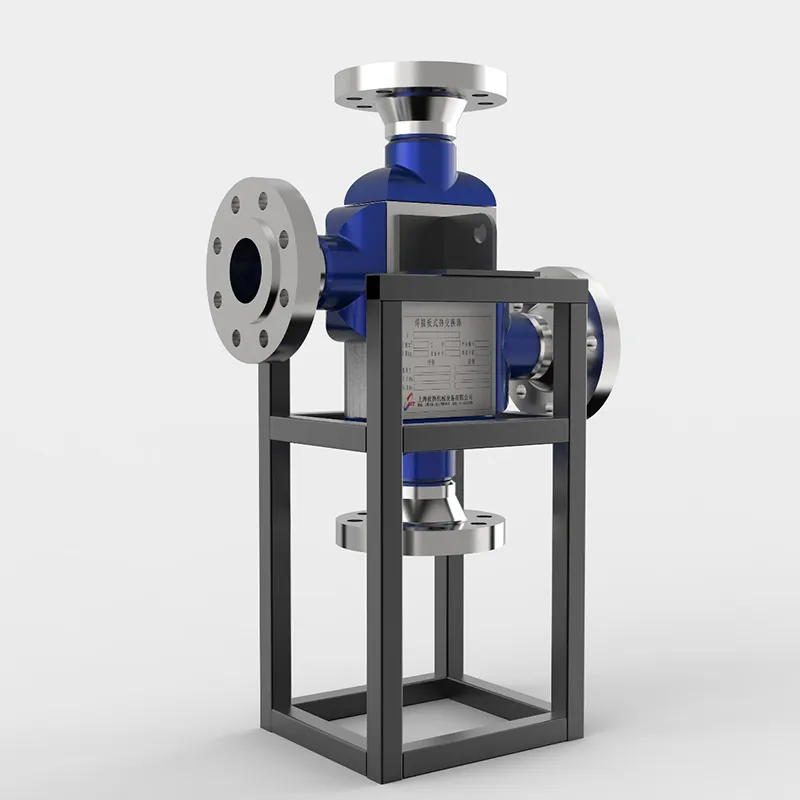
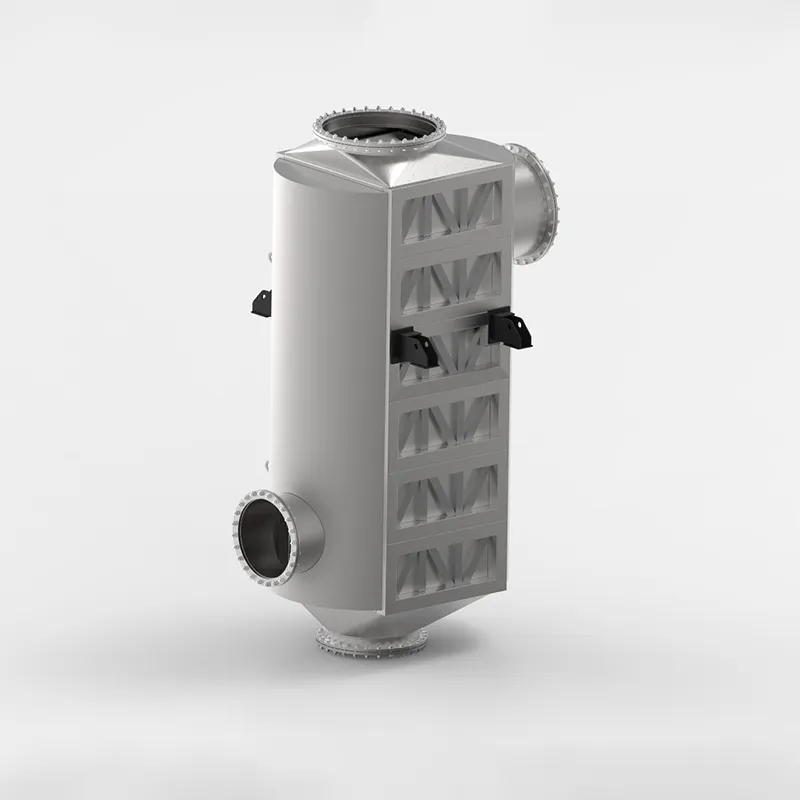
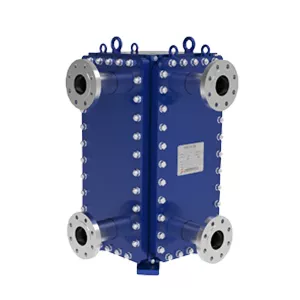
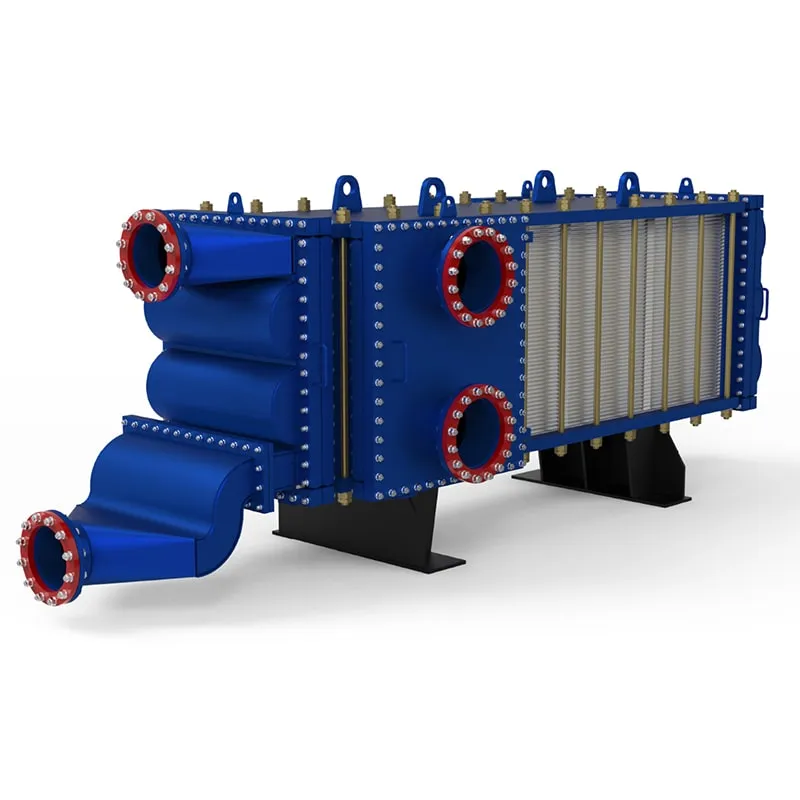
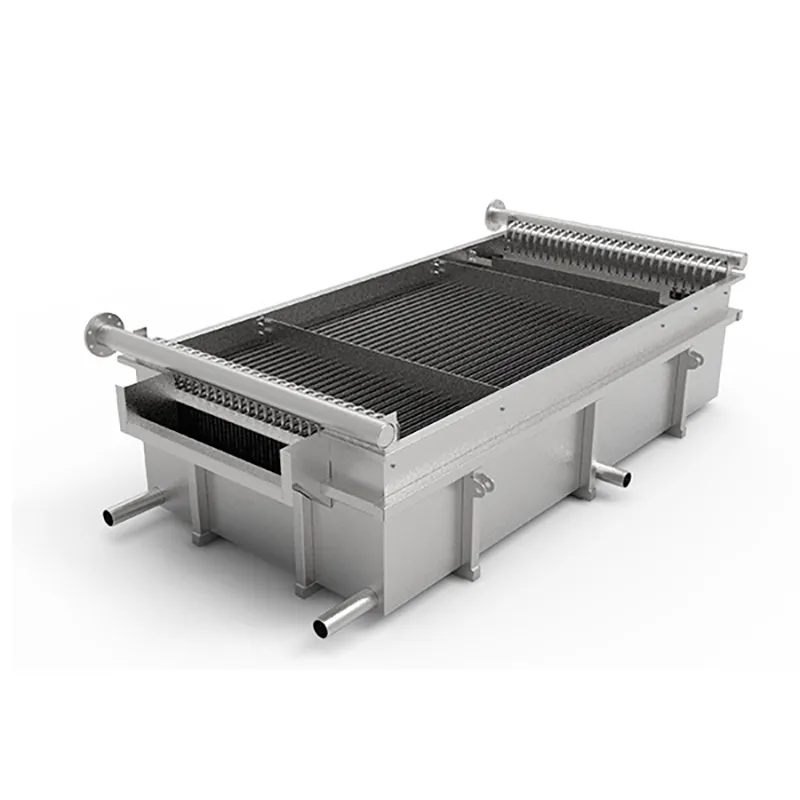
Our product lines include HT-Bloc Welded Plate Heat Exchangers, TP Welded Plate Heat Exchangers, Wide Gap Welded Plate Heat Exchangers, Gasketed Plate Heat Exchangers, PCHE, Plate Air Preheaters, and Pillow Plates. We offer free thermal design and selection services, helping you find the optimal configuration without upfront engineering costs. Our team works closely with your process engineers to ensure the custom plate heat exchanger integrates seamlessly into your existing system.
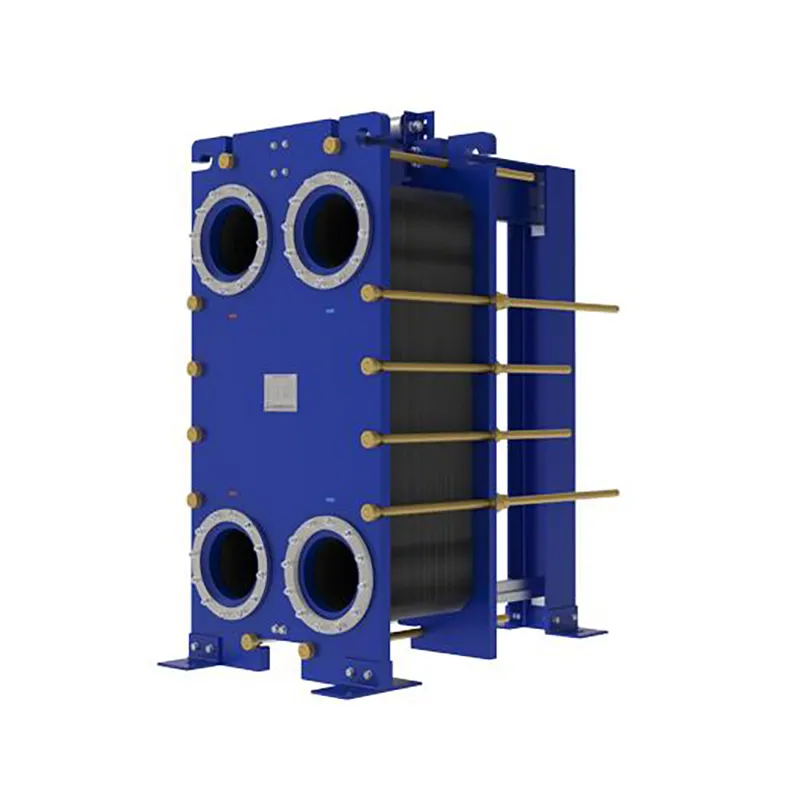
For those looking for an alternative to traditional shell-and-tube units, our welded plate designs offer superior thermal performance in a compact footprint. We also provide units compatible with Alfa Laval and GEA frame geometries, making retrofits straightforward.
Frequently Asked Questions About Custom Plate Heat Exchangers
1. What is the typical lead time for a custom plate heat exchanger?
Lead times vary based on complexity and material availability. For standard custom designs, expect 4–6 weeks from order confirmation. Complex welded units may require 8–10 weeks. SHPHE provides a detailed schedule during the quotation phase.
2. Can I retrofit a custom plate heat exchanger into an existing system?
Yes. Many of our units are designed as drop-in replacements for existing frames. We offer plates that are compatible with Alfa Laval and GEA gasketed designs, as well as custom nozzle locations to match your piping.
3. How do I know if I need a gasketed or welded custom plate heat exchanger?
Gasketed units are suitable for moderate temperatures and pressures (up to 200°C and 30 bar) and allow easy disassembly for cleaning. Welded units are better for high temperatures, high pressures, or aggressive fluids where gasket failure is a concern.
4. What materials are available for custom plates?
Common materials include stainless steel (304, 316L), titanium, Hastelloy C-276, and nickel alloys. The choice depends on the corrosiveness of your process fluids and operating temperature.
5. Do you provide thermal design support for custom units?
Absolutely. SHPHE offers free thermal design and selection services. Our engineers will analyze your process conditions and recommend the optimal plate configuration, including number of passes and plate count.
6. How does a custom plate heat exchanger compare to a shell-and-tube design?
Plate heat exchangers typically offer 3–5 times higher heat transfer coefficients than shell-and-tube units in the same footprint. They also require less fluid inventory and are easier to maintain. For clean fluids, a custom plate design is almost always the more efficient choice.
Request a Quote for Your Custom Plate Heat Exchanger
To get started on your custom plate heat exchanger, please provide the following details in your inquiry: flow rate for each circuit, inlet and outlet temperatures, operating pressure, allowable pressure drop, and the media involved (including any known fouling tendencies or chemical composition). Our engineering team will review your requirements and provide a tailored thermal design and quotation within 48 hours.
Whether you need a wide gap design for fibrous fluids or a high-pressure welded unit for demanding applications, SHPHE has the expertise to deliver. A properly engineered custom plate heat exchanger will optimize your thermal performance, reduce energy costs, and improve process reliability.

 English EN





User Comments
Service Experience Sharing from Real Customers
Megan
Process EngineerWe swapped out an old shell-and-tube unit for a custom plate heat exchanger from this supplier, and the difference in thermal efficiency is night and day. The team actually listened to our flow rate constraints and got the plate count and gasket material exactly right. Installation was straightforward, and it's been running without a single leak for three months now. Highly recommend for anyone dealing with viscous fluids.
Elena
Maintenance SupervisorI was a bit skeptical about going custom because lead times can be a nightmare, but these guys delivered in under five weeks. The heat exchanger fits our skid perfectly, and the titanium plates are holding up great against the chlorides in our cooling water. Only reason I'm not giving 5 stars is that the mounting brackets could have been a bit beefier, but that's a minor quibble. Solid build quality overall.
Raj
Senior HVAC DesignerSpec'd a custom plate heat exchanger for a large commercial building's heat recovery loop. The compact footprint saved us roughly 40% floor space compared to the standard options we were looking at. Performance data matched the design specs within 2%, which is impressive. My clients are happy, and the commissioning went smoothly. Will definitely use them again for future projects.
Liam
Plant OperatorThe custom plate heat exchanger works fine for our dairy pasteurization line—temperature control is stable and cleaning in place is easy. But I had to knock off two stars because the documentation that came with it was confusing, and we spent a whole afternoon figuring out the correct tightening torque for the frame bolts. Once we got past that, it's been reliable. Just wish the manual was clearer for guys like me on the floor.