How Often Should You Schedule Plate and Frame Heat Exchanger Cleaning?
By Industrial Maintenance Team
Jul-06-2026
Determining the optimal cleaning frequency for plate and frame heat exchangers is critical to maintaining thermal efficiency and preventing unplanned downtime. While general guidelines suggest cleaning every 6 to 12 months, the actual interval depends on several key factors including fluid composition, operating temperature, flow velocity, and the presence of scaling or fouling agents. Industries such as food processing, chemical manufacturing, and HVAC each have specific standards that influence maintenance schedules. Early warning signs like increased pressure drop, reduced heat transfer rates, or visible fouling on plates indicate that immediate cleaning is necessary. A cost-benefit analysis consistently shows that preventive cleaning—though requiring upfront investment in labor and chemicals—reduces long-term expenses by avoiding emergency repairs, energy waste, and production losses. Developing a customized maintenance calendar based on real-time monitoring data, historical performance trends, and manufacturer recommendations ensures that cleaning intervals are neither too frequent (wasting resources) nor too infrequent (risking equipment failure). This tailored approach maximizes heat exchanger lifespan and operational reliability across varying industrial applications.
Key Factors Influencing Cleaning Frequency
1. Fluid Type and Quality
The nature of the process fluids directly impacts fouling rates. Hard water, high mineral content, oils, or fluids with suspended solids accelerate deposit buildup, requiring more frequent cleaning cycles.
2. Operating Temperature
Higher operating temperatures increase the risk of scaling and chemical reactions on plate surfaces. Temperature differentials between fluids also influence deposition rates and thermal degradation of residues.
3. Flow Velocity and Turbulence
Low flow velocities reduce shear forces, allowing particles to settle and adhere to plate surfaces. Maintaining adequate turbulence helps minimize fouling and extends intervals between cleanings.
4. Performance Monitoring Data
Tracking pressure drop, heat transfer efficiency, and outlet temperatures provides objective indicators. A decline of 10-15% in thermal performance typically signals the need for cleaning.
5. Manufacturer Recommendations
Original equipment guidelines offer baseline intervals based on design parameters. Adhering to these suggestions helps maintain warranty validity and optimal operation.
6. Industry Standards and Regulations
Food, pharmaceutical, and hygienic applications often mandate strict cleaning schedules. Compliance with standards such as FDA or EHEDG may dictate more frequent intervals regardless of performance data.
7. Historical Fouling Patterns
Reviewing past cleaning records and fouling trends helps predict future needs. Units with consistent seasonal or operational fouling patterns benefit from proactive scheduling adjustments.
Industry-Specific Cleaning Schedules and Standards
Cleaning frequency for plate and frame heat exchangers varies significantly across industries due to differences in fluid composition, operating temperatures, and fouling potential. Adhering to established standards ensures optimal thermal performance and equipment longevity.
Food and Beverage Industry
In dairy, brewing, and juice processing, heat exchangers often require cleaning every 8 to 24 hours of operation. Standards such as 3-A Sanitary Standards recommend CIP (Clean-in-Place) cycles after each production run to prevent biofilm buildup and cross-contamination.
Chemical and Petrochemical Industry
For processes involving polymers, resins, or high-fouling fluids, cleaning intervals typically range from 1 to 6 months. TEMA (Tubular Exchanger Manufacturers Association) guidelines suggest monitoring pressure drop and heat transfer coefficient to trigger cleaning before performance degrades beyond 15%.
Pharmaceutical and Biotechnology
Strict cGMP and FDA regulations mandate cleaning after every batch or at least every 72 hours. Validation protocols require documented cleaning procedures with passivation and sanitization steps to eliminate any risk of product contamination.
HVAC and Refrigeration
In commercial and industrial HVAC systems, cleaning is typically scheduled quarterly or biannually. ASHRAE Standard 180 recommends inspection every 3 months with cleaning triggered by fouling factors exceeding 0.001 h·ft²·°F/Btu.
Power Generation
Cooling water systems in power plants often require cleaning every 1 to 3 months depending on water quality. EPRI guidelines recommend online cleaning when approach temperature increases by 5°F or pressure drop rises by 10% above baseline.
Marine and Offshore
Seawater-cooled exchangers on vessels need cleaning every 2 to 4 weeks to mitigate biofouling and scaling. IMO guidelines and classification society rules (e.g., DNV, ABS) mandate regular maintenance logs and performance monitoring to ensure compliance.
Always consult OEM specifications and industry-specific standards to establish a cleaning schedule tailored to your operational conditions. Regular monitoring of key performance indicators helps optimize intervals and reduce unplanned downtime.
Signs Your Heat Exchanger Needs Immediate Cleaning
Recognizing early warning signs can prevent costly downtime and efficiency loss. Below are key indicators that your plate and frame heat exchanger requires urgent maintenance.
| Indicator |
Observation |
Action Required |
| Reduced Thermal Performance |
Outlet temperatures deviate from design specs by more than 5% |
Schedule cleaning within 48 hours |
| Increased Pressure Drop |
Pressure difference across plates rises by 15% or more above baseline |
Inspect and clean immediately |
| Visible Fouling or Scaling |
Deposits on plate surfaces or in fluid samples |
Perform chemical or mechanical cleaning |
| Fluid Leakage or Cross-Contamination |
Drips, puddles, or unexpected changes in fluid composition |
Shut down and inspect gaskets/plates |
| Unusual Noise or Vibration |
Rattling, humming, or shaking during operation |
Check for blockages and clean |
If any of these signs are present, prompt cleaning restores heat transfer efficiency and extends equipment life. For detailed product specifications and maintenance guidance, refer to our engineered heat exchanger solutions.
Learn more about our gasketed plate heat exchangers or explore welded plate options for demanding applications.
Cost-Benefit Analysis of Preventive vs. Reactive Cleaning
Preventive cleaning at scheduled intervals reduces long-term operational costs by maintaining thermal efficiency and minimizing energy consumption. Reactive cleaning, performed only after performance drops, often leads to higher energy bills, unplanned downtime, and accelerated wear on plates and gaskets.
A preventive approach typically costs 30-50% less over a year compared to reactive cleaning when factoring in lost production, emergency labor rates, and potential damage from fouling buildup. Regular cleaning also extends equipment lifespan, delaying capital replacement expenses.
Reactive cleaning may appear cheaper in the short term but carries hidden costs: process interruptions, reduced heat transfer rates, and higher pressure drops that strain pumps and increase electricity usage. These indirect costs often exceed direct cleaning expenses by a factor of three or more.
For most industrial applications, scheduling cleaning every 6-12 months based on fouling tendency provides the optimal balance between maintenance expenditure and operational efficiency, delivering a positive return on investment through sustained performance and reliability.
Developing a Customized Maintenance Calendar
A one-size-fits-all cleaning schedule rarely works for plate and frame heat exchangers. The optimal frequency depends on operating conditions, fluid properties, and performance data. Building a tailored maintenance calendar ensures efficiency, reduces downtime, and extends equipment life.
Step 1: Assess Operating Parameters
Start by reviewing your heat exchanger’s duty cycle, temperature differentials, and flow rates. Units running continuously at high temperatures or with dirty process fluids require more frequent cleaning. Record baseline pressure drop and heat transfer efficiency to detect early fouling.
Step 2: Analyze Fluid Characteristics
The type of fluid being processed directly impacts fouling rates. High-viscosity fluids, those with suspended solids, or liquids prone to scaling (e.g., hard water or certain chemical streams) will require shorter intervals between cleanings. Consult fluid data sheets and historical fouling trends.
Step 3: Monitor Performance Indicators
Track key metrics such as pressure drop across the plate pack, outlet temperature vs. setpoint, and overall heat transfer coefficient. A 10-15% drop in efficiency or a steady rise in pressure differential signals the need for cleaning. Use data loggers or manual readings weekly.
Step 4: Establish Cleaning Intervals
Based on the above factors, set a preliminary schedule. For example:
- Light duty (clean fluids, moderate temps): every 6-12 months
- Medium duty (some fouling potential): every 3-6 months
- Heavy duty (scaling, particulates, high temps): every 1-3 months
Adjust intervals as you gather operational data.
Step 5: Create a Dynamic Calendar
Use a spreadsheet or maintenance software to build a calendar that includes cleaning dates, inspection notes, and next scheduled service. Leave room for adjustments based on real-time performance. Review and update the calendar quarterly to reflect changes in process conditions or equipment upgrades.
For more detailed guidance on heat exchanger types and maintenance best practices, explore our product resources:
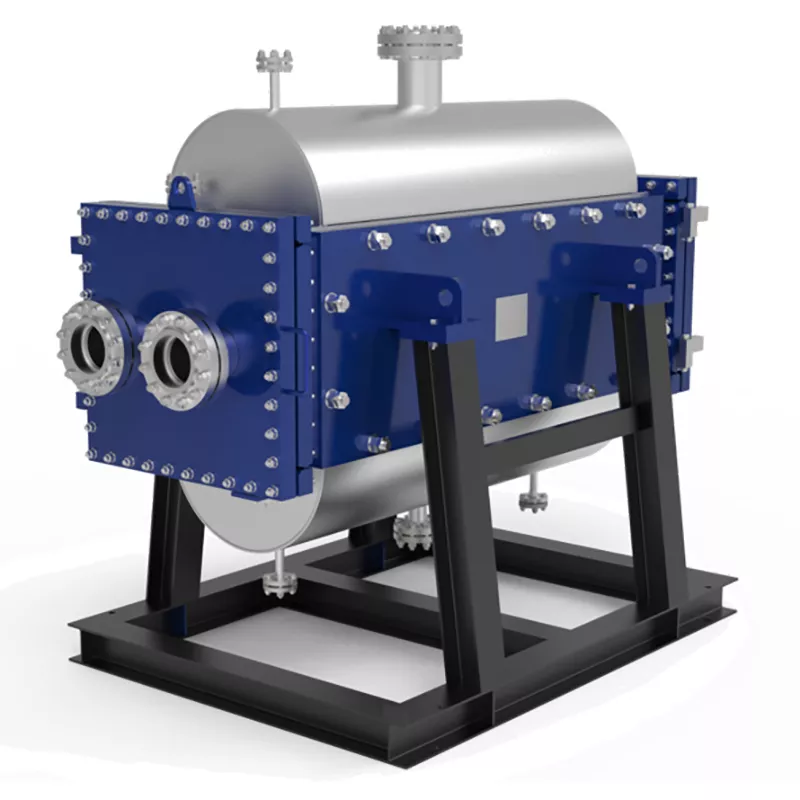
gasketed plate heat exchangers,
TP welded plate heat exchangers,
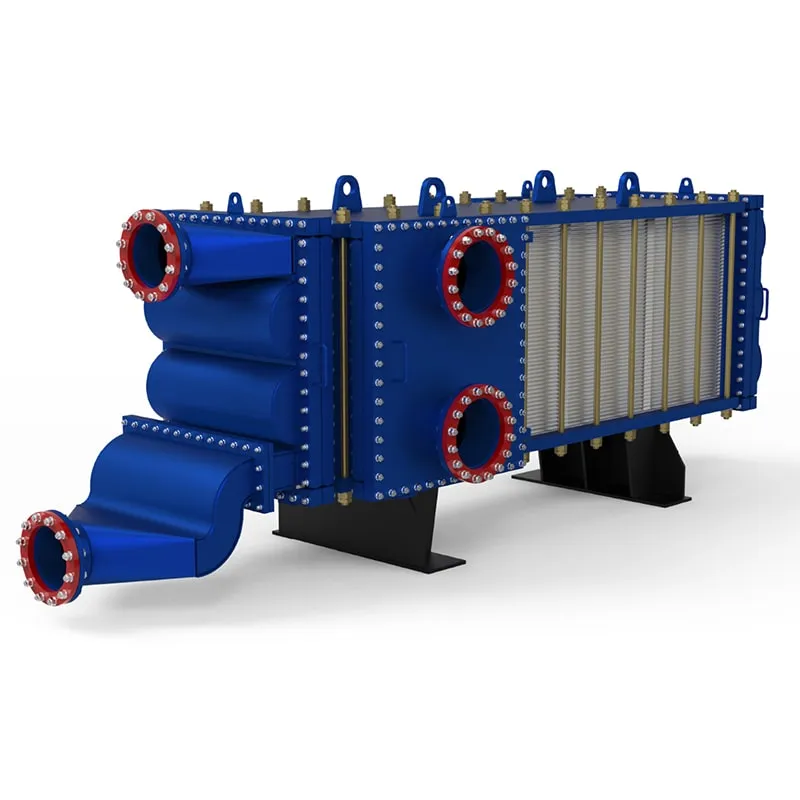
wide gap welded plate heat exchangers,
HT Bloc welded plate heat exchangers,
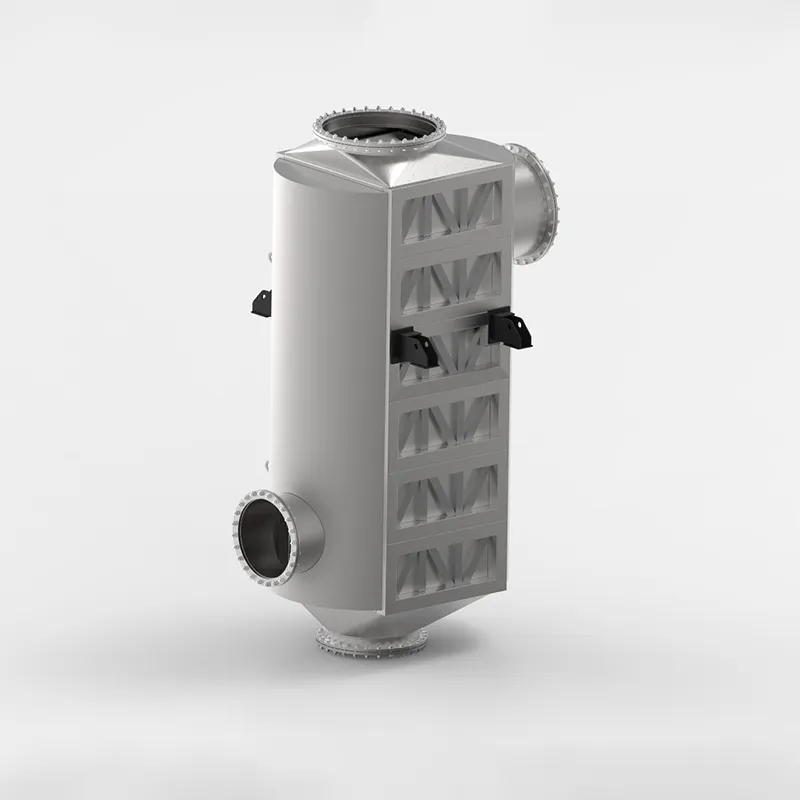
custom engineered plate air preheaters,
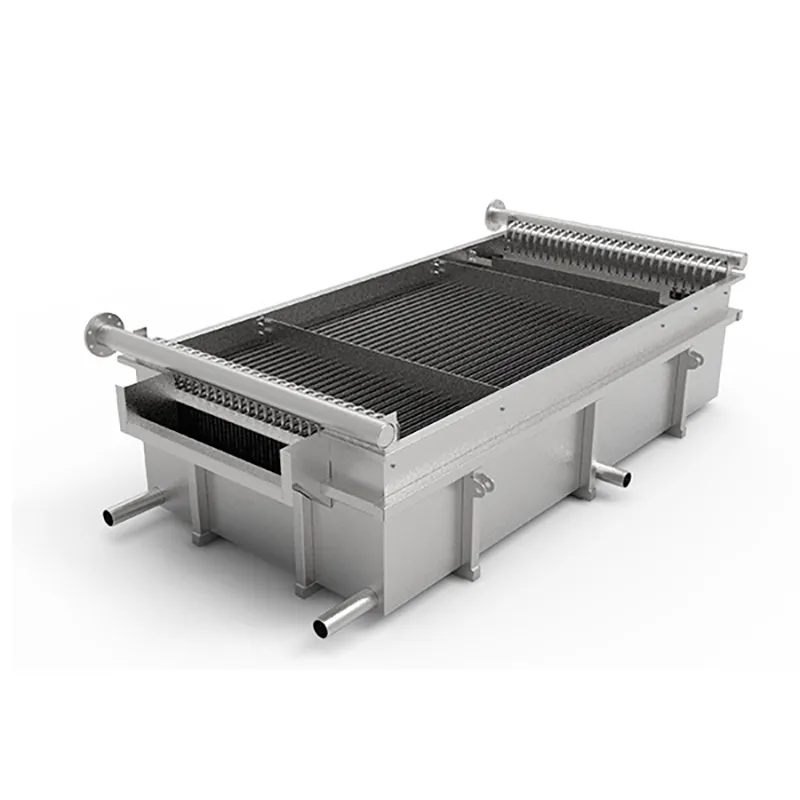
custom engineered pillow plates, and
custom engineered printed circuit heat exchangers.
Key Factors Influencing Cleaning Frequency
Process fluid characteristics such as fouling tendency, viscosity, and temperature directly determine how often cleaning is required. Higher particulate loads or scaling potential necessitate shorter intervals between maintenance cycles.
Industry-Specific Cleaning Schedules and Standards
Food and beverage sectors typically follow weekly or biweekly cleaning protocols due to hygiene regulations, while oil and gas operations may extend intervals to quarterly or semi-annual schedules based on crude quality and operating conditions.
Signs Your Heat Exchanger Needs Immediate Cleaning
Reduced thermal efficiency, increased pressure drop across the plate pack, visible fouling on plate surfaces, and abnormal vibration or noise are critical indicators that cleaning cannot be delayed without risking operational integrity.
Cost-Benefit Analysis of Preventive vs. Reactive Cleaning
Preventive cleaning reduces long-term maintenance costs by avoiding unplanned downtime, extending plate lifespan, and maintaining energy efficiency. Reactive cleaning often incurs higher expenses due to emergency labor, production losses, and potential equipment damage.
Developing a Customized Maintenance Calendar
A tailored schedule integrates manufacturer recommendations, historical fouling data, seasonal process variations, and real-time performance monitoring. Regular review and adjustment ensure the calendar remains aligned with actual operating conditions and production demands.
Summary: Establishing an optimal cleaning frequency for plate and frame heat exchangers requires balancing process characteristics, industry standards, and economic factors. Preventive maintenance schedules tailored to specific operating conditions deliver the best long-term reliability and cost efficiency.
How Often Should You Schedule Plate and Frame Heat Exchanger Cleaning?
Typically every 6 to 12 months, but frequency depends on fluid type, operating temperature, and fouling tendency. High-fouling applications may require quarterly cleaning, while clean systems can extend to 18 months.
Key Factors Influencing Cleaning Frequency
Fluid composition, flow velocity, temperature differential, water hardness, particulate load, and presence of scaling or biological growth all directly impact how often cleaning is needed.
Industry-Specific Cleaning Schedules and Standards
Food & beverage: every 3–6 months (hygiene critical). Chemical processing: every 6–12 months. HVAC: annually. Power generation: every 12–18 months. Pharmaceutical: quarterly or per validation protocol.
Signs Your Heat Exchanger Needs Immediate Cleaning
Reduced heat transfer efficiency, increased pressure drop, higher outlet temperature deviation, visible fouling on plates, unusual noise or vibration, and frequent fouling-related shutdowns.
Cost-Benefit Analysis of Preventive vs. Reactive Cleaning
Preventive cleaning reduces energy costs by 10–30%, extends equipment life by 2–3x, and avoids unplanned downtime. Reactive cleaning often costs 3–5x more due to production loss and emergency labor.
Developing a Customized Maintenance Calendar
Start with baseline cleaning intervals from manufacturer specs, then adjust based on actual fouling rate, performance monitoring data, and seasonal changes. Use a digital CMMS to track trends and automate reminders.

 English EN





User Comments
Service Experience Sharing from Real Customers
Mike
Maintenance SupervisorWe were having constant downtime due to fouling in our plate and frame exchangers. Tried this cleaning service based on a colleague's recommendation, and the difference is night and day. The heat transfer efficiency is back to what it was when the units were new. No more emergency shutdowns mid-shift. Absolutely worth every penny.
Sarah
Plant OperatorHonestly, I was skeptical at first because we've tried DIY cleaning kits before and they barely made a dent. This professional clean took our old dairy plate heat exchanger from barely holding temp to running smooth again. Only reason it's not 5 stars is the turnaround took a day longer than promised, but the results are solid.
Tom
Facilities ManagerManaging a large hospital means our HVAC plate heat exchangers run 24/7. They were getting clogged with scale and we noticed our energy bills creeping up. After this cleaning, the pressure drop normalized and our chiller is actually keeping up with demand again. The crew was also respectful of our sterile zones. Highly recommend.
Jake
Process EngineerWe had a stubborn fouling issue with polymer residue in our plate heat exchangers that standard caustic rinses couldn't touch. This specialized cleaning method broke it down without damaging the gaskets. I'd give it 5 stars, but the initial quote was a bit higher than I expected. However, considering the production time we saved, it was a net win.