Effective Plate Heat Exchanger CIP Cleaning Procedures
Proper cleaning-in-place (CIP) procedures are critical for maintaining thermal efficiency and extending the service life of plate heat exchangers. This guide covers the working principles, cleaning parameters, and best practices for gasketed and welded plate heat exchangers. Whether you manage a dairy pasteurization line or a chemical processing plant, understanding the correct CIP cycle—including detergent concentration, flow velocity, and temperature—can prevent fouling, reduce downtime, and lower operating costs. We also address common questions about cleaning frequency and chemical compatibility.
What Is CIP Cleaning and Why Does It Matter?
CIP, or cleaning-in-place, is a method of cleaning the interior surfaces of pipes, vessels, and heat exchangers without disassembling the equipment. For plate heat exchangers, fouling from scale, organic deposits, or particulate matter can drastically reduce heat transfer coefficients. A well-designed CIP procedure restores performance and prevents cross-contamination between batches. The key is to circulate cleaning solutions at controlled velocities and temperatures to remove deposits while protecting the plate material and gaskets.
How Does a Plate Heat Exchanger CIP Cycle Work?
A typical CIP cycle for a plate heat exchanger involves several sequential steps. First, a pre-rinse with warm water removes loose debris. Next, a caustic solution (typically 1–3% sodium hydroxide at 70–80°C) is circulated to dissolve organic fouling. An intermediate rinse follows, then an acid wash (0.5–2% nitric or phosphoric acid at 60–70°C) removes mineral scale. A final rinse with potable water ensures no chemical residue remains. The entire cycle can take 45–90 minutes depending on the degree of fouling and the equipment size.
Key Parameters for Effective Plate Heat Exchanger CIP
To achieve consistent cleaning results, you need to control three main variables:
- Flow velocity: Maintain a minimum of 1.5 m/s in the plate channels to create turbulent flow. Lower velocities may leave dead zones where deposits remain.
- Temperature: Caustic solutions work best at 70–80°C; acid solutions at 60–70°C. Exceeding 85°C can damage gaskets in gasketed plate heat exchangers.
- Concentration: Follow chemical supplier recommendations. Over-concentration wastes chemicals and may corrode plates; under-concentration fails to clean effectively.
Common CIP Challenges and Solutions
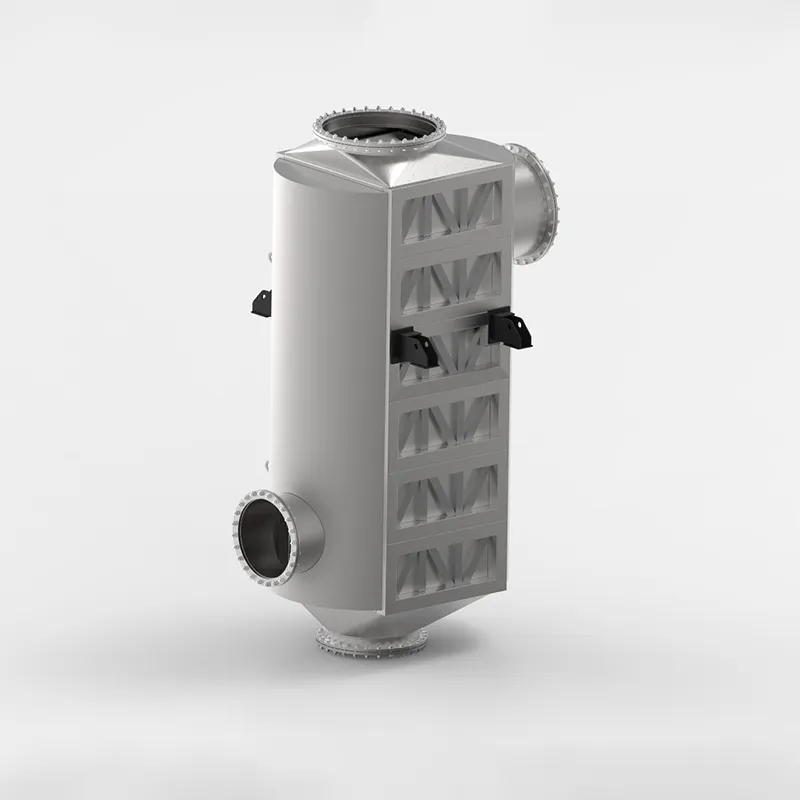
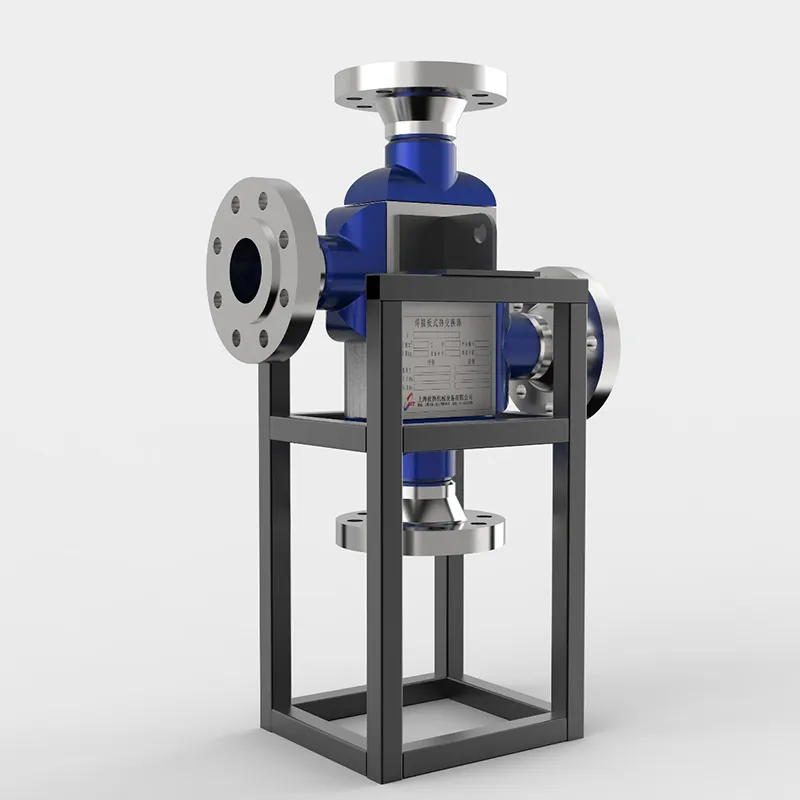
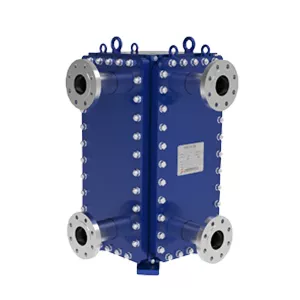
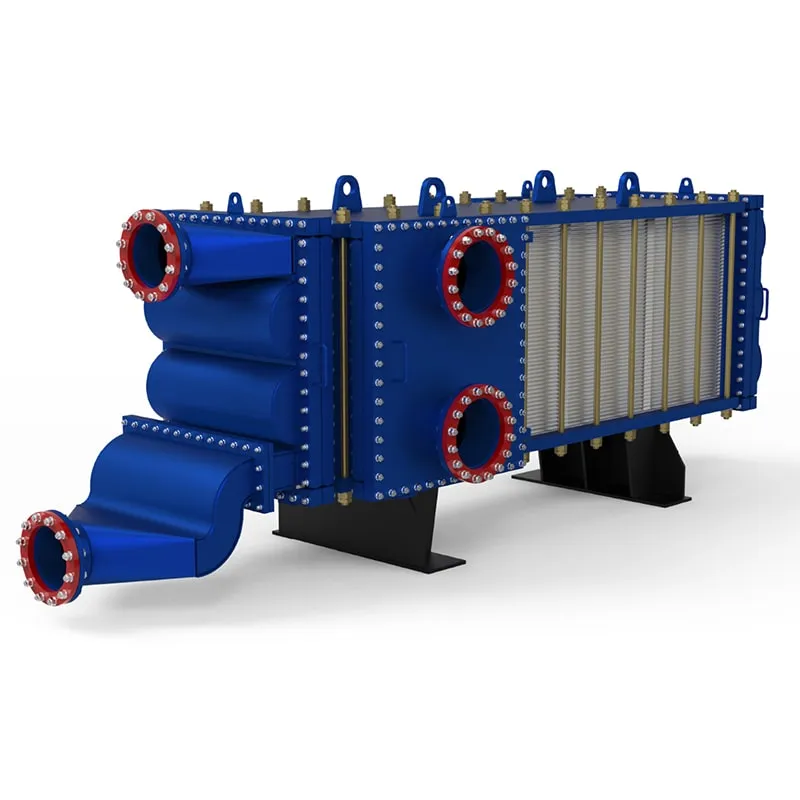
One frequent issue is incomplete cleaning due to channel blockage. If your plate heat exchanger handles fluids with high solids content, consider using a wide gap welded plate heat exchanger that offers wider channels to reduce clogging. Another challenge is gasket degradation from aggressive chemicals. For such applications, a TP welded plate heat exchanger eliminates gaskets entirely, allowing more aggressive cleaning without risk of leaks.
What Are the Recommended Cleaning Frequencies?
Cleaning frequency depends on the application. In dairy processing, where protein fouling is rapid, CIP is often performed daily or after every production run. In chemical plants with clean process fluids, weekly or monthly cleaning may suffice. A good rule of thumb: monitor the pressure drop across the heat exchanger. If it increases by 15–20% above baseline, it is time for a CIP cycle. Also track the outlet temperature—a drop of 2–3°C from normal indicates fouling.
Which Chemicals Are Safe for Plate Heat Exchanger Cleaning?
For stainless steel plates (304 or 316L), sodium hydroxide and nitric acid are standard. Avoid hydrochloric acid as it can cause pitting corrosion. For titanium plates, use inhibited acids to prevent hydrogen embrittlement. Always check the gasket material compatibility: EPDM handles caustic and mild acids well, while Viton is better for higher temperatures and aggressive chemicals. If you are unsure, consult the manufacturer or a chemical supplier.
Why Choose SHPHE for Your Plate Heat Exchanger Needs?
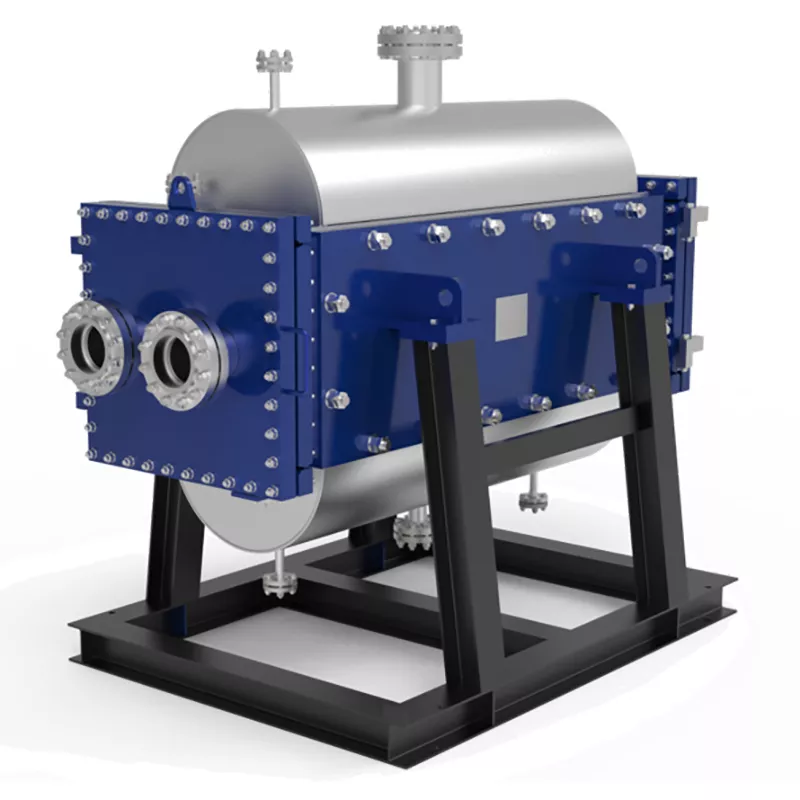
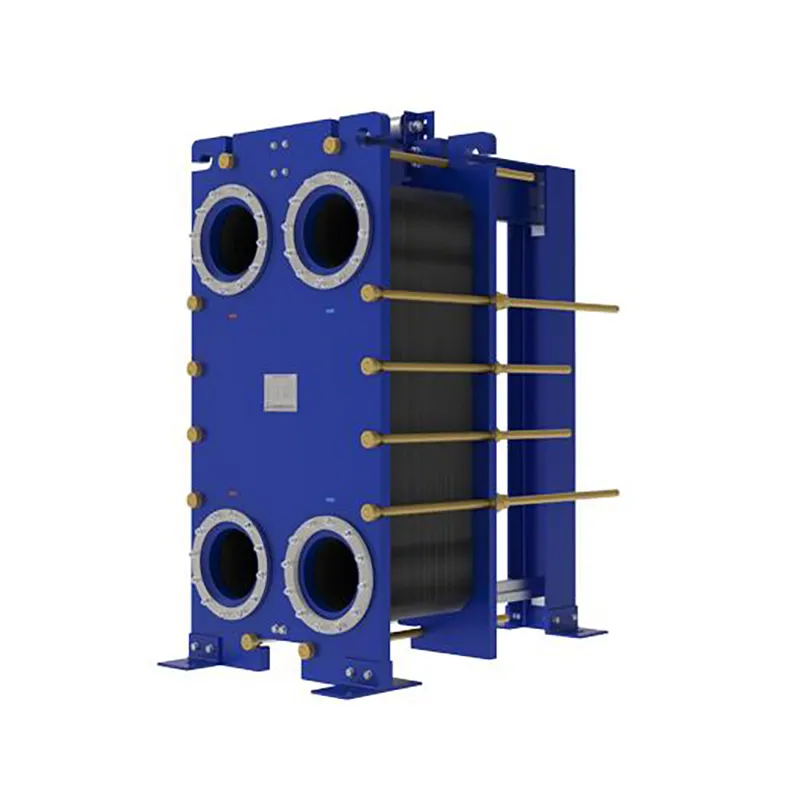
SHPHE, founded in 2005 in Shanghai, is a reliable manufacturer of plate heat exchangers with ISO9001 and ASME U certifications. Our product lines include HT-Bloc welded plate heat exchangers, wide gap welded units, gasketed plate heat exchangers, PCHE, plate air preheaters, and pillow plates. We export to over 20 countries and offer free thermal design and selection services. Our gasketed plate heat exchangers are compatible with Alfa Laval and GEA frames, making them a cost-effective alternative. For high-temperature or high-pressure applications, our HT-Bloc welded plate heat exchangers provide robust performance without gasket maintenance.
Frequently Asked Questions About Plate Heat Exchanger CIP
Can I use the same CIP solution for both sides of the heat exchanger?
Yes, but only if both fluids are compatible with the cleaning chemicals. In most cases, you should clean each side separately to avoid cross-contamination. For example, in a milk pasteurizer, the product side requires a more thorough caustic wash than the water side.
How do I know when the CIP cycle is complete?
Monitor the conductivity and pH of the return solution. When the rinse water shows stable conductivity close to the incoming water value and neutral pH, the cycle is complete. Some automated systems also track turbidity to confirm no visible particles remain.
What is the maximum CIP temperature for gasketed plate heat exchangers?
For standard EPDM gaskets, do not exceed 85°C. Viton gaskets can tolerate up to 120°C, but always verify with the manufacturer. Higher temperatures can cause gasket swelling or hardening, leading to leaks.
Can I use a plate heat exchanger CIP procedure for welded units?
Absolutely. Welded plate heat exchangers, such as the TP welded or HT-Bloc types, are even more tolerant of aggressive cleaning because there are no gaskets to degrade. You can use higher temperatures and stronger chemical concentrations if needed.
How often should I replace the CIP solution?
For batch CIP systems, replace the solution after each cycle to maintain cleaning effectiveness. In continuous recirculation systems, monitor the chemical concentration and replenish as needed. Typically, solutions lose potency after 4–6 hours of use.
What should I do if the pressure drop remains high after cleaning?
A high pressure drop after CIP indicates that some channels are still blocked. You may need to repeat the cleaning cycle with a higher flow rate or use a mechanical cleaning method. In severe cases, disassemble the unit and manually clean the plates. For welded units, consider a specialized chemical soak.
Request a Custom CIP Solution for Your Plate Heat Exchanger
Every process is unique, and the right CIP procedure depends on your specific operating conditions. To get a tailored cleaning recommendation and a free thermal design for your plate heat exchanger, please provide the following details: flow rate, inlet and outlet temperatures, operating pressure, and the type of media being processed. Our engineering team at SHPHE will help you select the optimal equipment and cleaning protocol to maximize uptime and efficiency.

 English EN





User Comments
Service Experience Sharing from Real Customers
Ethan
Maintenance SupervisorWe switched to this specific plate heat exchanger for our dairy pasteurization line, and the CIP cleaning cycle is a lifesaver. It used to take the guys four hours to manually scrub the old unit; now we just run the automated CIP and it's spotless in under 90 minutes. No more missed gaskets or bacterial hotspots.
Liam
Process EngineerPretty solid unit overall. The CIP cleaning flow distribution is much better than the previous brand we had—less channeling and dead zones. I knocked off one star because the initial pressure drop was a bit higher than the spec sheet claimed, but after a few cleaning cycles it settled down. Works great for our brewery's wort cooling.
Priya
Sanitation ManagerFinally, a heat exchanger that doesn't make me dread the end-of-week deep clean. The plate pack opens smoothly, and the CIP spray nozzles actually reach every channel. We're a sauce manufacturing plant, so we deal with chunky, sticky residues—this thing handles the hot caustic recirc like a champ. No more foul odors between batches.
Omar
Plant OperatorI've been running this exchanger on our pharmaceutical water-for-injection skid for about six months. The CIP validation was straightforward, and it passes the conductivity rinse test on the first try every time. My only gripe is that the tightening bolts are a little finicky if you over-torque them, but once you get the feel, it's fine.