Understanding the Shell and Plate Heat Exchanger Design and Working Principle
Shell and plate heat exchangers (SHPHE) combine the ruggedness of a shell-and-tube design with the thermal efficiency of plate technology. This article explains how they work, where they excel, and what specifications matter for industrial applications. Whether you are evaluating a replacement for an existing unit or planning a new process line, understanding the shell and plate heat exchanger design and working principle helps you make informed procurement decisions.
What Is a Shell and Plate Heat Exchanger?
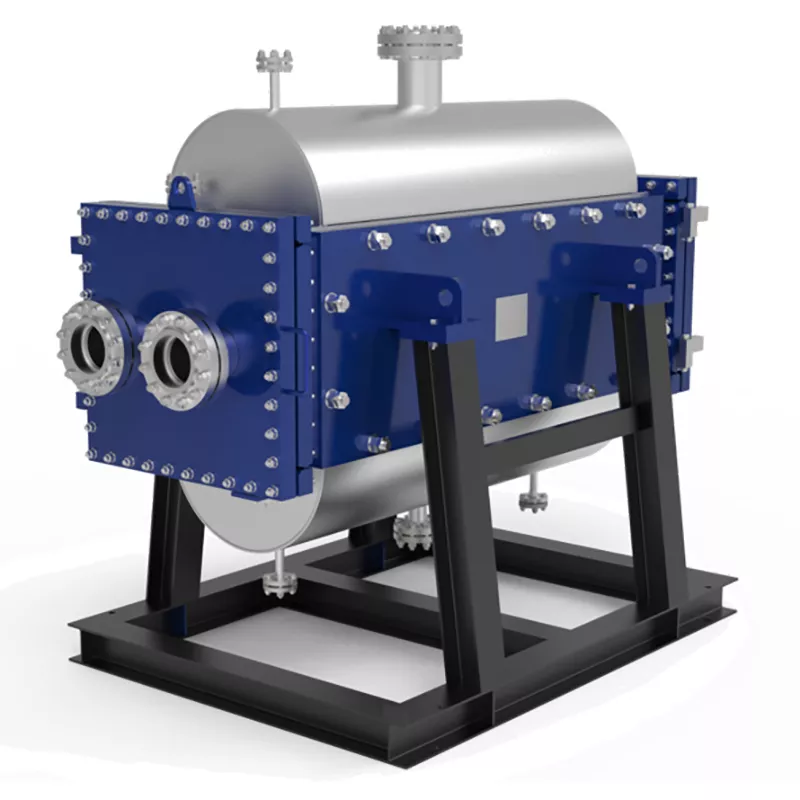
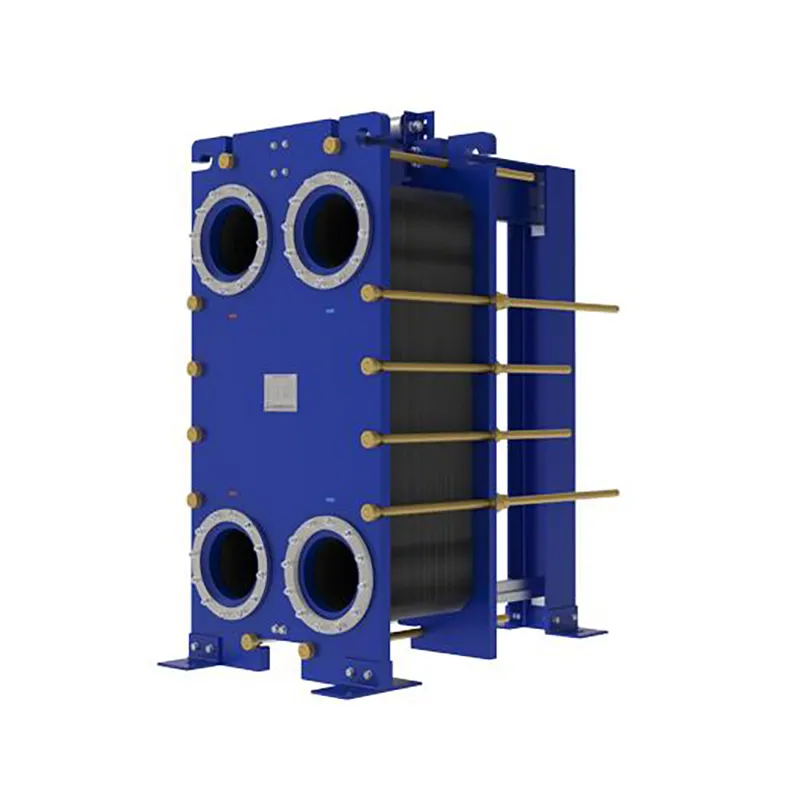
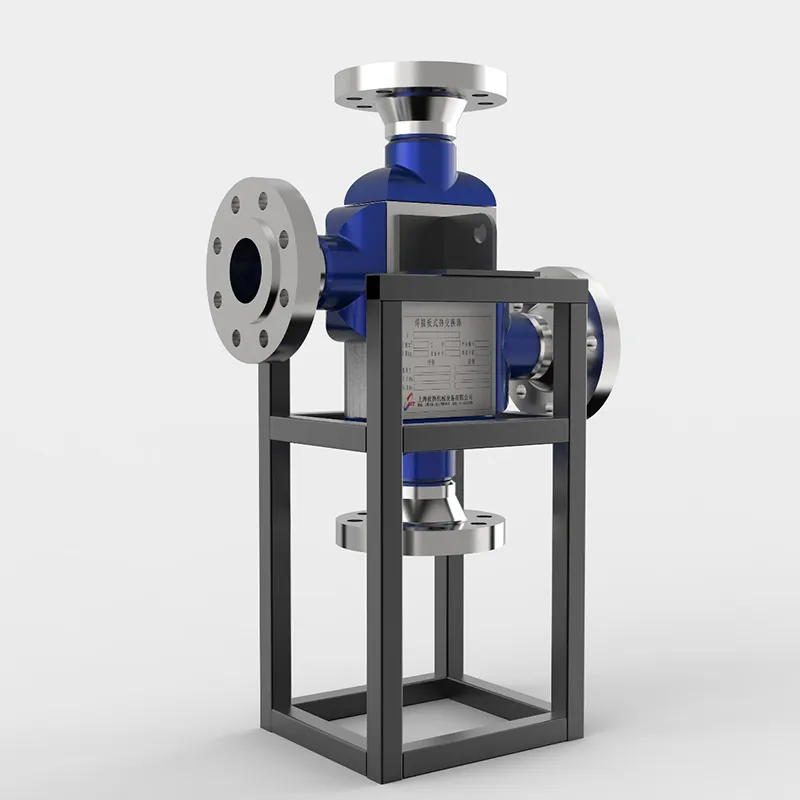
A shell and plate heat exchanger is a compact, welded-plate device housed inside a cylindrical pressure vessel. Unlike traditional gasketed plate exchangers, the plate pack in a shell and plate unit is fully welded, eliminating gasket failure risks. This design handles higher pressures and temperatures while maintaining the high heat transfer coefficients typical of plate geometries.
The core concept is straightforward: process fluid flows through channels formed by welded plates, while a secondary fluid circulates around the plate bundle inside the shell. The result is a robust exchanger that resists fouling, reduces leakage points, and delivers consistent thermal performance.
How Does the Working Principle Differ from Other Designs?
The working principle of a shell and plate heat exchanger relies on countercurrent flow. Hot fluid enters one side of the plate pack, cold fluid enters the opposite side, and the two streams pass on alternate sides of the welded plates. Heat transfers through the thin metal walls without mixing the fluids.
Key differences from conventional designs include:
- No gaskets: Welded plate pairs eliminate elastomer seals, reducing maintenance and leak paths.
- Higher pressure rating: Typical design pressures range from 10 to 40 bar, with some units rated up to 60 bar.
- Compact footprint: A shell and plate unit can deliver the same duty as a shell-and-tube exchanger in 30–50% less space.
- Easy cleaning: The shell side can be mechanically cleaned; the plate side is accessible after removing the shell cover.
For engineers familiar with gasketed plate heat exchangers, the shell and plate variant offers a logical upgrade for aggressive media or high-pressure duties.
What Are the Typical Design Parameters?
When specifying a shell and plate heat exchanger, the following parameters are commonly referenced. These figures represent industry-accepted ranges, not proprietary values.
| Parameter |
Typical Range |
| Design pressure |
10–60 bar |
| Design temperature |
-40°C to 350°C |
| Heat transfer coefficient |
1,000–6,000 W/m²·K |
| Plate material |
SS316L, titanium, Hastelloy, duplex |
| Shell material |
Carbon steel, stainless steel |
| Flow capacity |
Up to 500 m³/h per unit |
These ranges make the shell and plate design suitable for applications where gasketed units would leak or fail, and where shell-and-tube units would be too large or inefficient.
Key Applications and Recommended Solutions
Shell and plate heat exchangers are widely used in chemical processing, oil and gas, pharmaceutical, and food industries. Common duties include:
- Heating or cooling aggressive chemicals (acids, solvents, caustics).
- High-pressure steam heating of process streams.
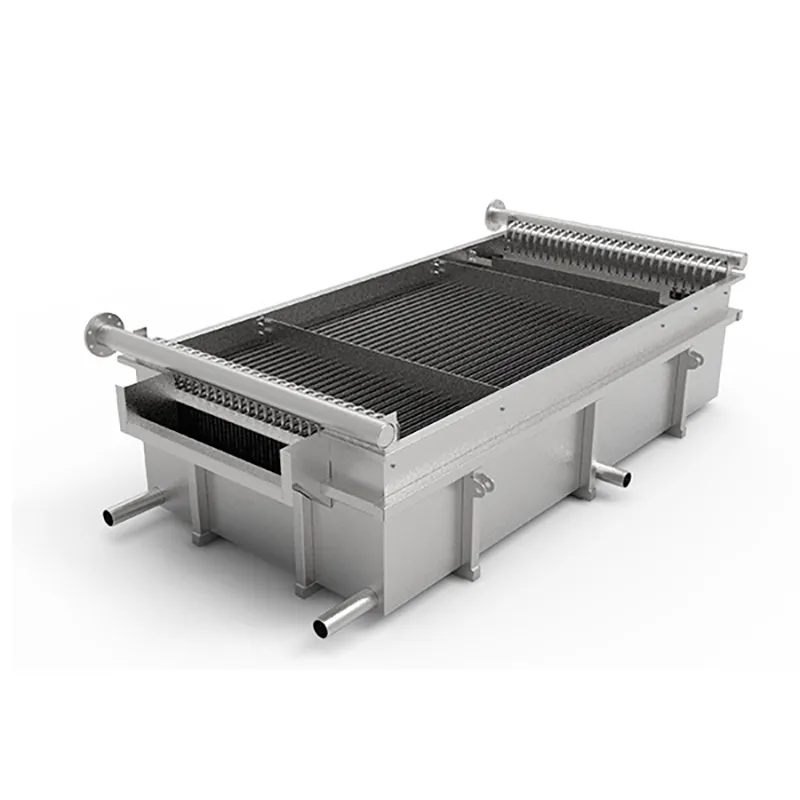
- Heat recovery from hot gases or vapors.
- Slurry or viscous fluid processing where wide gaps are needed.
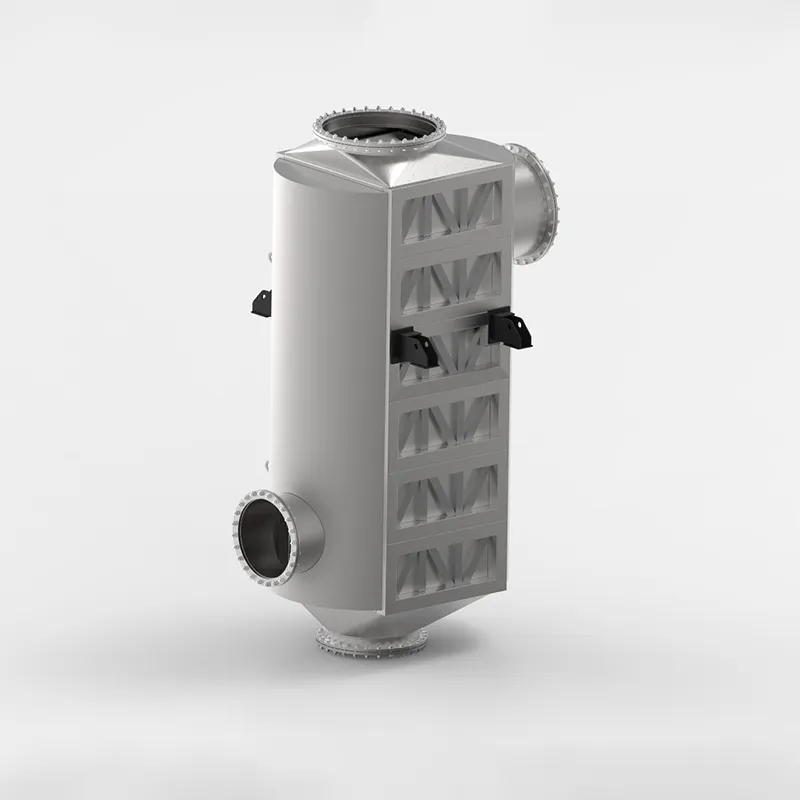
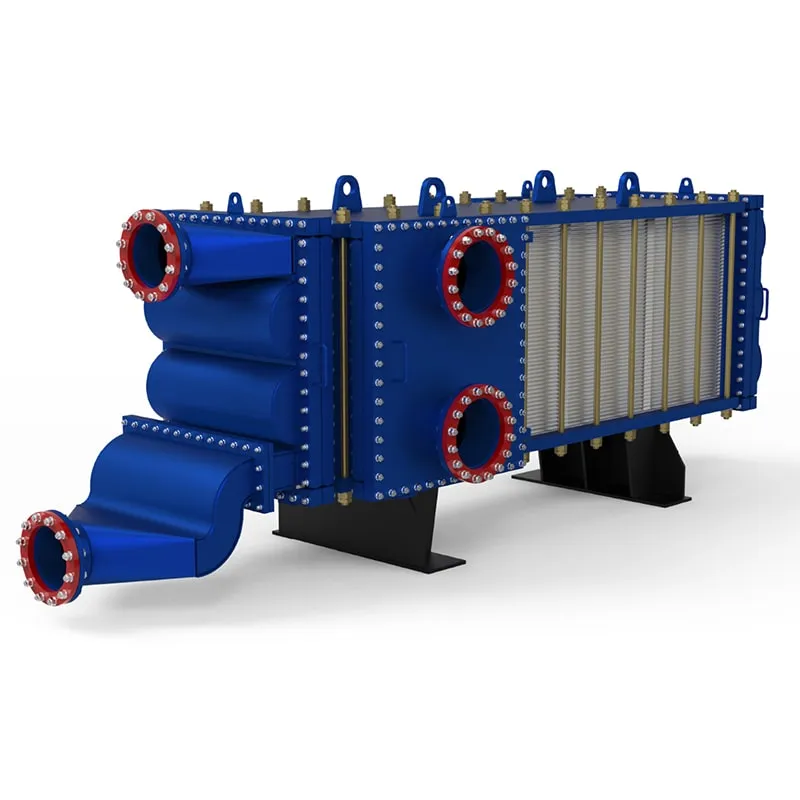
For applications involving particulates or fibrous media, the wide gap welded plate heat exchanger is a compatible alternative to traditional shell-and-tube designs. It offers the same shell and plate heat exchanger design and working principle but with increased channel spacing to prevent clogging.
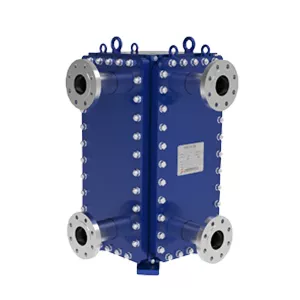
When extreme temperature differentials or phase changes are involved, the HT-Bloc welded plate heat exchanger provides a robust solution with full countercurrent flow and no dead zones.
Why Choose a Shell and Plate Heat Exchanger?
The shell and plate heat exchanger design and working principle deliver several practical advantages for process engineers. First, the welded plate pack eliminates the risk of gasket blowout, which is critical when handling flammable or toxic fluids. Second, the cylindrical shell allows the unit to withstand higher pressures than a conventional plate frame. Third, the design supports both liquid-liquid and liquid-gas duties with minimal pressure drop.
SHPHE, a Shanghai-based plate heat exchanger manufacturer founded in 2005, offers a full range of shell and plate units under its HT-Bloc and TP welded product lines. The company holds ISO9001 and ASME U certifications and exports to more than 20 countries. All units come with free thermal design and selection service, helping buyers match the correct geometry to their process conditions.
For engineers evaluating alternatives to Alfa Laval or Compabloc designs, SHPHE's shell and plate heat exchangers are fully compatible with existing piping and support structures, making retrofit straightforward.
Frequently Asked Questions
Q: How does a shell and plate heat exchanger compare to a shell-and-tube unit?
A shell and plate unit typically offers a higher heat transfer coefficient and a smaller footprint. It handles similar pressures but with less weight and lower hold-up volume. For clean fluids, it is often more efficient; for heavily fouling streams, a shell-and-tube may still be preferred.
Q: Can a shell and plate heat exchanger be cleaned mechanically?
Yes. The shell side can be cleaned with standard tube-cleaning tools after removing the shell cover. The plate side is accessible by disassembling the plate pack, though this is less frequent due to the self-cleaning flow pattern.
Q: What materials are available for the plate pack?
Common plate materials include stainless steel 316L, titanium, Hastelloy C276, and duplex stainless steel. Shell material is typically carbon steel or stainless steel, depending on the service environment.
Q: Is this design suitable for high-viscosity fluids?
Yes. The shell and plate design can handle viscosities up to 10,000 cP with proper channel geometry. For very viscous or pasty media, a wide gap variant is recommended to reduce pressure drop.
Q: What certifications does SHPHE hold for its shell and plate heat exchangers?
SHPHE is ISO9001 and ASME U certified. All welded plate heat exchangers are designed and manufactured in accordance with ASME Section VIII, PED, and other international codes as required.
Q: Can I get a thermal design before purchasing?
Absolutely. SHPHE offers free thermal design and selection service. Simply provide your process parameters—flow rate, inlet/outlet temperatures, operating pressure, and media type—and the engineering team will recommend the optimal shell and plate heat exchanger configuration.
Request a Quote for Your Shell and Plate Heat Exchanger
To receive a tailored recommendation for your process, please provide the following details: flow rate (hot and cold streams), inlet and outlet temperatures, operating pressure, allowable pressure drop, and media composition. The SHPHE engineering team will use these inputs to perform a free thermal design and deliver a quotation with a recommended shell and plate heat exchanger model.
Understanding the shell and plate heat exchanger design and working principle is the first step toward optimizing your heat transfer process. With the right specification, you can reduce energy costs, improve reliability, and extend equipment life.

 English EN





User Comments
Service Experience Sharing from Real Customers
Mike T.
Senior Process EngineerWe swapped out an old shell-and-tube for this shell and plate unit last quarter. The thermal efficiency jump is no joke — we're seeing 15% better heat recovery on our glycol loop. Plus, the compact footprint freed up floor space we desperately needed. Installation was straightforward, and so far, zero fouling issues. Highly recommend for retrofit projects.
Sarah L.
HVAC Facility ManagerNeeded a robust solution for a district cooling plant with tight pressure drop constraints. This shell and plate exchanger handled the 200-ton load without a hitch. The only reason I’m not giving 5 stars is that the gasket replacement procedure is a bit fiddly compared to the old brazed plates, but the cleaning access more than makes up for it. Solid build quality.
Carlos R.
Maintenance SupervisorI've been dealing with dairy pasteurization for 15 years, and this is the first heat exchanger that doesn't clog every other week. The plate pack design inside the shell handles the viscous milk fats way better than I expected. Easy to open up for CIP, and no leaks after six months of daily use. My guys are happy, and so is the production manager.
Emma K.
Marine Engineering OfficerInstalled on a chemical tanker for lube oil cooling. The vibration resistance is excellent — we've been through two storms without any loosening of connections. The titanium plates were a must for our seawater application, and the price was competitive. Only minor gripe: the documentation could include more detailed torque specs for reassembly.