 English EN


PCHE vs Shell-and-Tube Heat Exchanger: Which Is Right for Your Application?
Compare PCHE and shell-and-tube heat exchangers to see which compact heat exchanger fits your application’s efficiency, space, and cost requirements.
More
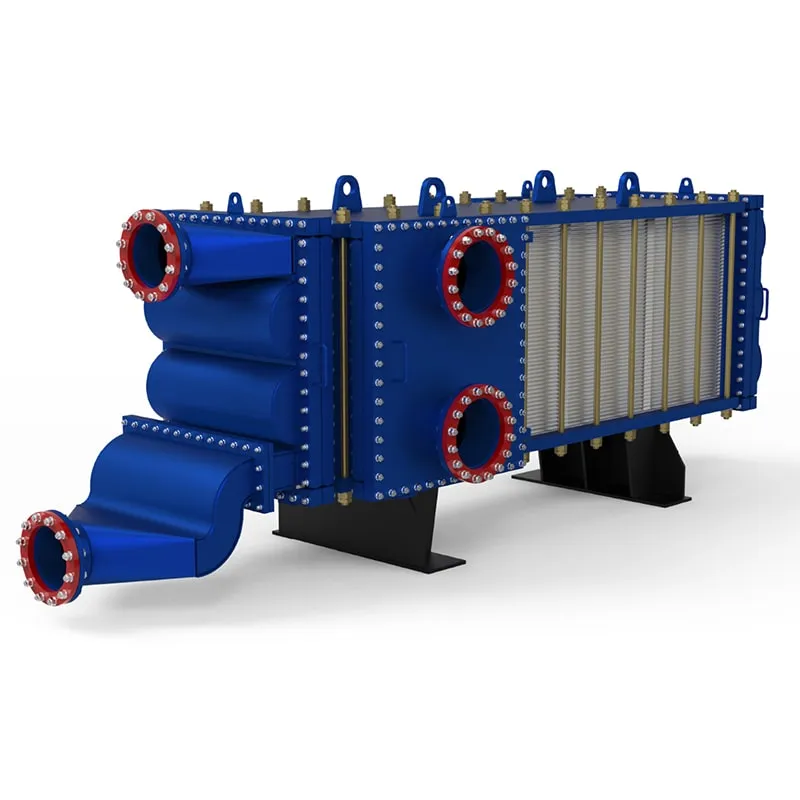
A plate heat exchanger uses a series of corrugated metal plates to transfer heat between two fluids. The plates create alternating channels, allowing hot and cold fluids to flow in opposite directions. This design maximizes surface area in a compact volume. In contrast, a shell and tube heat exchanger consists of a bundle of tubes enclosed in a cylindrical shell. One fluid flows through the tubes, while the other flows around them inside the shell. The shell and tube design is robust and handles high pressures, but it requires more space and material.
For process engineers, the key difference lies in heat transfer efficiency. Plate heat exchangers typically achieve heat transfer coefficients three to five times higher than shell and tube units. This means you can achieve the same duty with a smaller footprint. However, shell and tube exchangers are better suited for very high temperatures and pressures, often exceeding 300°C and 100 bar.
When comparing plate heat exchanger vs shell and tube performance, several factors stand out:
Understanding the operating limits helps in selecting the right equipment. Below are commonly accepted ranges for each type:
| Parameter | Plate Heat Exchanger | Shell and Tube |
|---|---|---|
| Max Temperature | Up to 200°C (gasketed); 350°C (welded) | Up to 600°C |
| Max Pressure | Up to 30 bar (gasketed); 100 bar (welded) | Up to 300 bar |
| Heat Transfer Coefficient | 3000–7000 W/m²K | 100–1500 W/m²K |
| Typical Flow Rate | 1–5000 m³/h | 1–10000 m³/h |
The choice between plate heat exchanger vs shell and tube often depends on the specific process conditions:
For viscous fluids or those containing solids, a wide gap welded plate heat exchanger can be an effective alternative to shell and tube. Our wide gap welded plate heat exchangers handle slurries and fibrous materials without clogging.
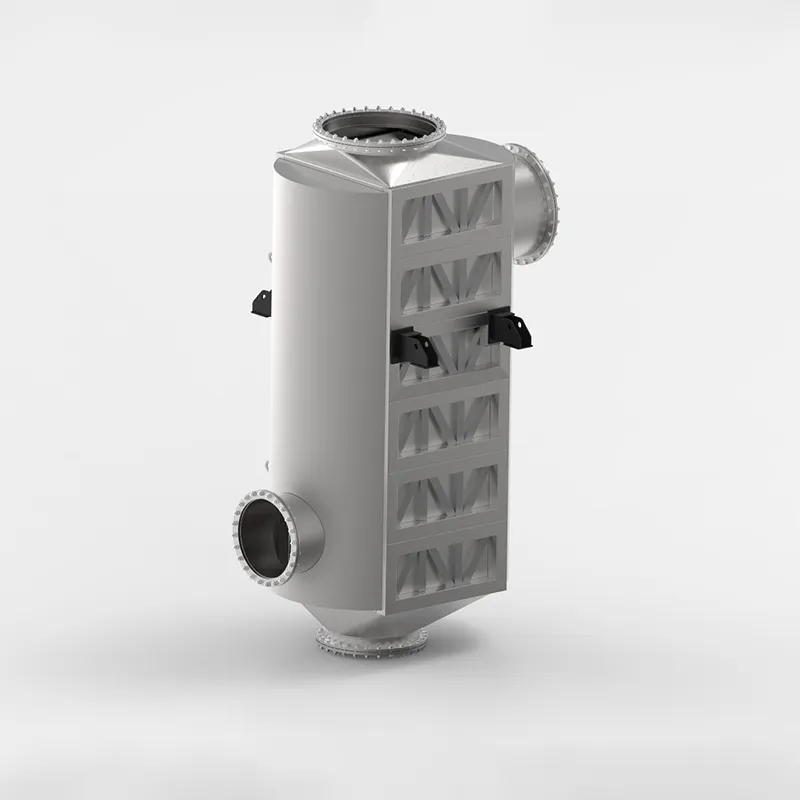
SHPHE, founded in 2005 and based in Shanghai, is a dedicated plate heat exchanger manufacturer with ISO9001 and ASME U certifications. We export to over 20 countries and offer a comprehensive product line, including HT-Bloc and TP welded plate heat exchangers, wide gap welded units, gasketed plate heat exchangers, PCHE, plate air preheaters, and pillow plates. Our team provides free thermal design and selection services to ensure the best fit for your process. Unlike shell and tube units, our plate heat exchangers deliver higher efficiency and easier maintenance. We also offer alternatives compatible with brands like Alfa Laval and GEA, ensuring you get reliable performance without overpaying.
For high-temperature applications, our HT-Bloc welded plate heat exchangers handle up to 350°C, making them a strong competitor to shell and tube designs. If you need compact solutions for gas-to-gas heat recovery, our plate air preheaters are an excellent choice.
Plate heat exchangers are significantly more efficient, with heat transfer coefficients three to five times higher than shell and tube units. This is due to the turbulent flow induced by plate corrugations and the larger surface area in a compact design.
Yes, but with limitations. Gasketed plate heat exchangers typically handle up to 30 bar, while welded designs like our TP welded units can manage up to 100 bar. For pressures above that, shell and tube remains the standard choice.
Plate heat exchangers are easier to maintain because they can be disassembled for mechanical cleaning. Shell and tube units often require chemical cleaning or tube bundle removal, which is more time-consuming and costly.
Shell and tube heat exchangers are generally more tolerant of fouling due to larger flow passages. However, wide gap welded plate heat exchangers are designed specifically for fouling fluids, offering a good compromise between efficiency and fouling resistance.
Yes, many plate heat exchangers can be retrofitted into existing systems. Our gasketed and welded units are designed with standard connection sizes, making them compatible with most piping layouts. We also offer custom designs for unique requirements.
With proper maintenance, plate heat exchangers can last 15–20 years, while shell and tube units often last 20–30 years. However, the lower initial cost and higher efficiency of plate designs can offset the shorter lifespan in many applications.
Choosing between a plate heat exchanger vs shell and tube depends on your specific process parameters. To get a tailored recommendation, please provide the following details: flow rate, temperature range, operating pressure, and media type. Our engineering team will perform a free thermal design and selection to ensure optimal performance. Contact us today to discuss your requirements and receive a competitive quote.
We provide you with comprehensive foreign trade solutions to help enterprises achieve global development
Industrial furnace and boiler exhaust gases carry vast amounts of unutilized thermal energy. The SHPHE custom Plate Air Preheater (PAPH) is target-engineered to intercept this high-temperature flue gas, recovering valuable waste heat and transferring it directly back to incoming combustion air or process gas streams. By substantially elevating the temperature of your flame feed, our custom systems optimize combustion thermodynamics, deliver massive fuel savings, and significantly reduce industrial carbon and emissions footprints. Built to withstand severe flue-gas environments, SHPHE PAPH systems serve as the premier choice for modern, energy-intensive plants prioritizing decarb compliance and maximum thermal efficiency.
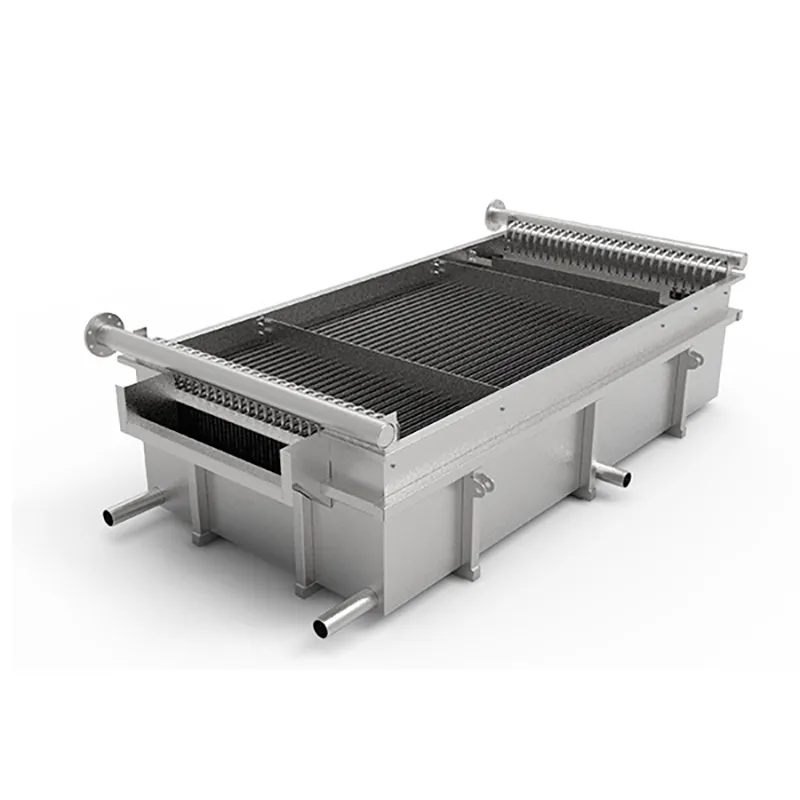
Originated in the mid-20th century to bypass the manufacturing bottlenecks and weight limitations of standard jacketed thermal components, the Pillow Plate (also known as a dimple plate or embossed plate) has revolutionized precision fluid-wall engineering. At SHPHE, we take this highly flexible technology and elevate it into a core foundation for bespoke industrial heat transfer integration. By utilizing state-of-the-art automated CNC fiber laser welding, our engineers customize the mechanical inflation profiles and spot pitch grids to directly match your specific fluid dynamics, pressure limits, and vessel configurations. Today, SHPHE's custom pillow plates are indispensable assets for worldwide processing plants prioritizing advanced thermal performance, zero-leak safety, and hygienic processing—serving as the definitive solution across food, pharmaceutical, chemical, and bulk solids cooling sectors.
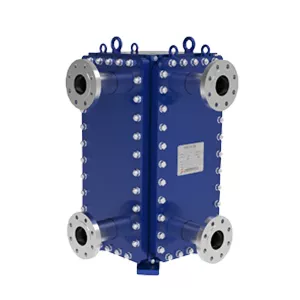
Custom-Engineered for Severe Process Demands. At SHPHE, we don't just supply equipment; we design tailored thermal solutions. Our HT-Bloc welded plate heat exchangers are custom-configured by our experienced engineers to overcome your specific industry challenges—whether handling high-viscosity media, extreme temperatures, or strict space constraints.
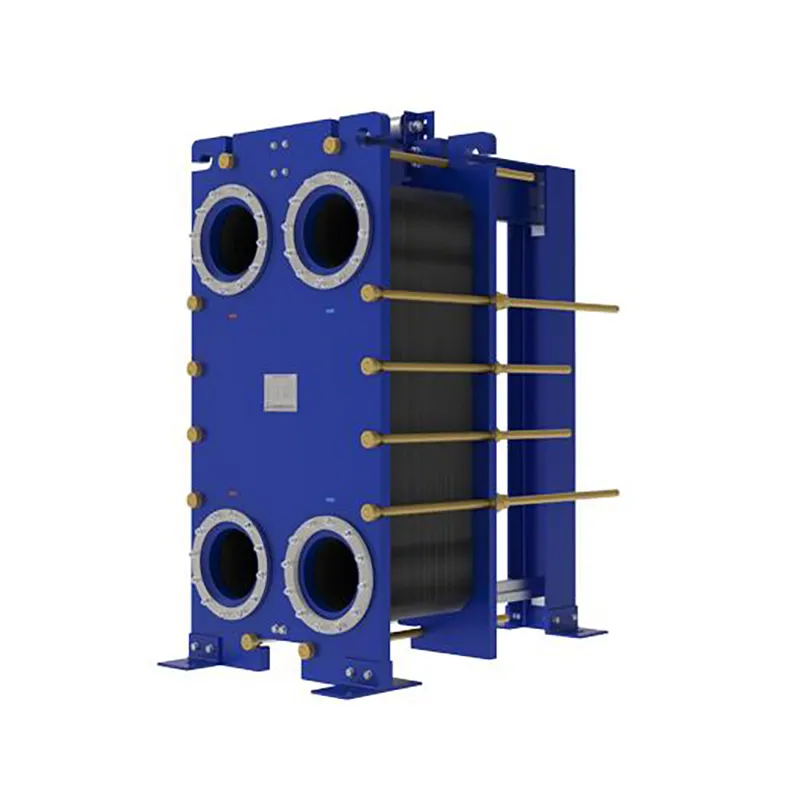
Since the invention of the plate heat exchanger (PHE) in 1923, thermal technology has evolved from standard food-grade processing to highly complex industrial operations. At SHPHE, we take this classic, versatile design and transform it into highly bespoke heat transfer solutions tailored to your unique process fluids and thermal loads. While traditional gasketed PHEs offer high efficiency and compact footprints, SHPHE optimizes plate corrugations, metallurgy, and sealing systems to handle your specific chemical, HVAC, or energy recovery parameters. Our custom-engineered gasketed plate heat exchangers provide outstanding scalability and ease of maintenance, serving as an indispensable asset for heavy industries—including oil and gas, metallurgy, and food processing—where uptime, energy recovery, and long-term sustainability are top priorities.
Select the most popular foreign trade service products to meet your diverse needs
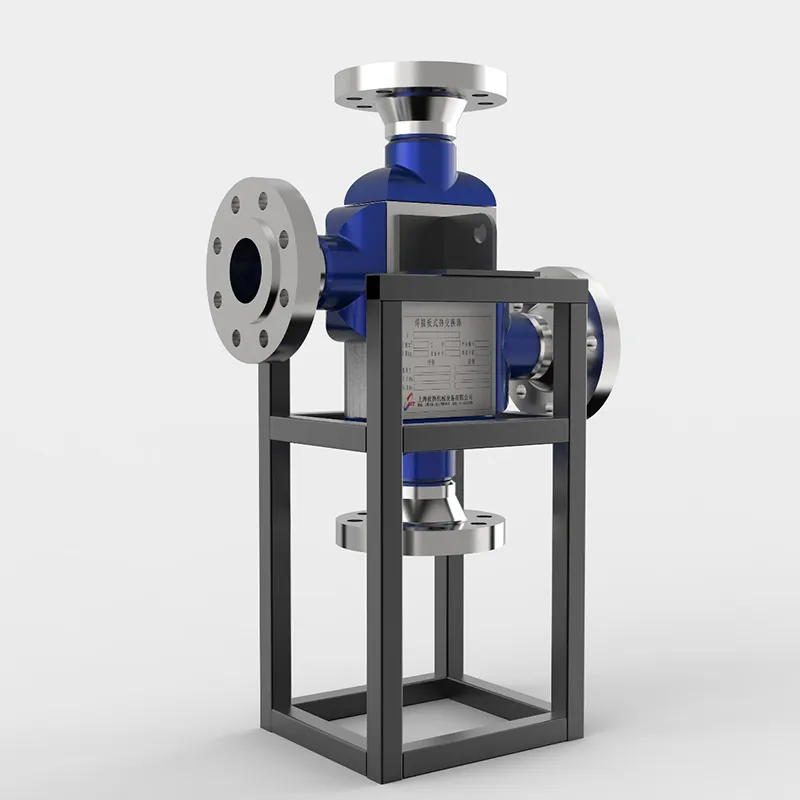
The SHPHE Printed Circuit Heat Exchanger (PCHE) is an advanced diffusion bonded microchannel heat exchanger engineered for demanding high-pressure and high-temperature thermal duties. Compared with conventional shell-and-tube equipment, its chemically etched microchannel structure provides exceptionally high heat-transfer surface density within a compact core. Combined with solid-state diffusion bonding, the design delivers high thermal effectiveness, mechanical integrity, and reliable containment under extreme operating conditions.
Designed as a compact high pressure heat exchanger, the SHPHE PCHE supports critical thermal processes across LNG, natural gas processing, offshore energy systems, supercritical CO₂ power cycles, hydrocarbon processing, and high-pressure hydrogen applications. Its combination of compact size, high pressure capability, low fluid inventory, and efficient heat recovery makes PCHE technology particularly suitable for applications where equipment footprint, weight, safety, and thermal performance are equally important.
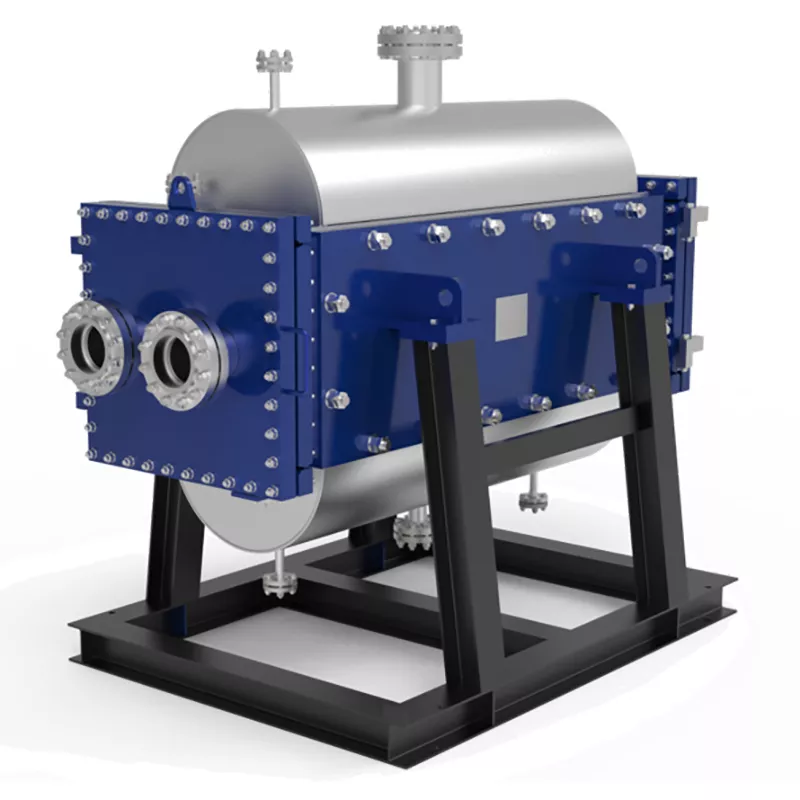
Industrial processes involving particle-laden slurries, high-viscosity syrups, or fiber-rich pulp demand more than standard equipment—they require target-engineered thermal management. At SHPHE, we configure the TP Welded Plate Heat Exchanger to directly conquer your plant's severe fouling, blockage, and erosion threats. Combining custom-tailored channel geometries, wear-resistant metallurgy, and integrated CIP (Cleaning-in-Place) systems, we deliver absolute production continuity where conventional heat exchangers fail.
Originated in the mid-20th century to bypass the manufacturing bottlenecks and weight limitations of standard jacketed thermal components, the Pillow Plate (also known as a dimple plate or embossed plate) has revolutionized precision fluid-wall engineering. At SHPHE, we take this highly flexible technology and elevate it into a core foundation for bespoke industrial heat transfer integration. By utilizing state-of-the-art automated CNC fiber laser welding, our engineers customize the mechanical inflation profiles and spot pitch grids to directly match your specific fluid dynamics, pressure limits, and vessel configurations. Today, SHPHE's custom pillow plates are indispensable assets for worldwide processing plants prioritizing advanced thermal performance, zero-leak safety, and hygienic processing—serving as the definitive solution across food, pharmaceutical, chemical, and bulk solids cooling sectors.



User Comments
Service Experience Sharing from Real Customers
Liam
Maintenance SupervisorWe switched from shell-and-tube to plate heat exchangers in our brewery last year. The cleaning cycle is way shorter—like half the time—and the footprint is tiny. I was skeptical about fouling at first, but with the right gasket material, it’s been a breeze. Shell-and-tube is a tank, but for our batch processes, the plate is just more flexible.
Sophia
Process EngineerI’ve designed systems with both types. For high-pressure steam applications, I still lean toward shell-and-tube—it’s bulletproof. But for a recent dairy pasteurization project, the plate exchanger gave us better temperature approach and saved on floor space. Just watch out for gasket leaks if your crew isn’t meticulous about assembly.
Ethan
Facilities ManagerOur old shell-and-tube unit was a beast to maintain—took two guys and a crane just to pull the bundle. Swapped it out for a plate exchanger on a chiller loop and it’s been running smooth for 18 months. Pressure drop is a bit higher, but the energy savings from better heat recovery more than make up for it.
Mia
Senior Reliability EngineerI’m not fully sold on plates for every duty. In our refinery, we tried a plate exchanger on a dirty hydrocarbon stream and it clogged within weeks. Shell-and-tube handled the solids way better. But for clean fluids like glycol or water, plates are unbeatable for efficiency. It really depends on your process.