 English EN


PCHE vs Shell-and-Tube Heat Exchanger: Which Is Right for Your Application?
Compare PCHE and shell-and-tube heat exchangers to see which compact heat exchanger fits your application’s efficiency, space, and cost requirements.
More
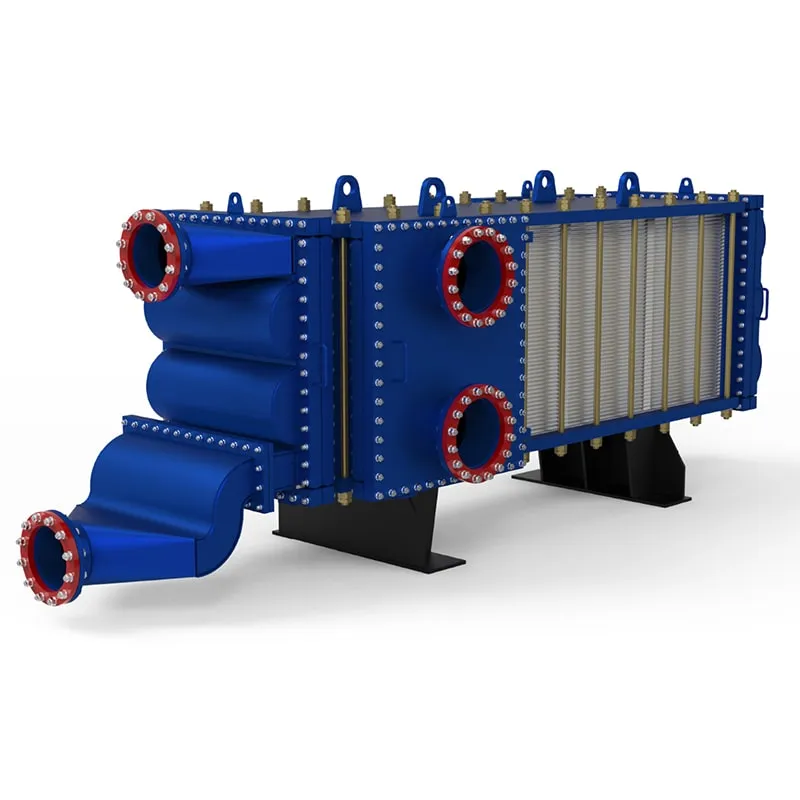
A Printed Circuit Heat Exchanger (PCHE) uses chemically etched flow channels in metal plates, which are then diffusion-bonded into a solid block. This design allows for extremely high pressure and temperature capabilities, typically up to 600 bar and 900°C, with a compact footprint. In contrast, a shell and tube heat exchanger consists of a bundle of tubes inside a cylindrical shell, relying on baffles to direct flow. Shell and tube units are robust and widely used, but they are bulkier and less efficient in heat transfer per unit volume. The key difference lies in compactness and operating limits: PCHE offers up to 5 times higher heat transfer area per volume compared to shell and tube, making it ideal for space-constrained applications like offshore platforms or chemical processing.
When evaluating PCHE vs shell and tube heat exchanger performance, thermal efficiency is a critical factor. PCHE units typically achieve overall heat transfer coefficients (U-values) in the range of 1000–5000 W/m²·K, depending on fluids and flow conditions, while shell and tube exchangers usually operate between 200–1500 W/m²·K. This means PCHE can handle the same duty with a much smaller surface area. However, PCHE often has higher pressure drop per unit length due to narrow channels, which may require more pumping power. For example, a typical shell and tube exchanger might have a pressure drop of 0.5–2 bar per pass, while a PCHE can see 1–5 bar depending on channel geometry. Engineers must balance these factors based on process requirements.
Here is a quick reference table comparing key design parameters for PCHE and shell and tube heat exchangers:
| Parameter | PCHE | Shell and Tube |
|---|---|---|
| Operating Pressure | Up to 600 bar | Up to 300 bar (typical) |
| Operating Temperature | Up to 900°C | Up to 600°C (typical) |
| Heat Transfer Area per Volume | 200–1000 m²/m³ | 50–200 m²/m³ |
| Typical U-value (water/water) | 2000–4000 W/m²·K | 800–1500 W/m²·K |
| Fouling Tendency | Low (smooth channels) | Moderate to high |
These ranges are industry-generic and should be verified for specific applications. For example, our custom-engineered PCHE can be tailored to fit extreme conditions, while shell and tube designs remain a cost-effective choice for less demanding duties.
PCHE is preferred in high-pressure chemical processing, LNG plants, and offshore oil and gas platforms where space is limited and high thermal performance is required. It is also used in supercritical CO2 power cycles and hydrogen systems. Shell and tube heat exchangers, on the other hand, are more common in refinery crude preheat trains, power plant condensers, and general industrial heating and cooling. They handle dirty fluids better due to larger flow passages and easier cleaning. For applications involving viscous or fouling media, a wide gap welded plate heat exchanger can serve as an alternative to shell and tube, offering better heat transfer while maintaining cleanability.
SHPHE, founded in 2005 and based in Shanghai, is an ISO9001 and ASME U certified manufacturer exporting to over 20 countries. Our product lines include HT-Bloc/TP welded plate heat exchangers, wide gap welded plate heat exchangers, gasketed plate heat exchangers, PCHE, plate air preheaters, and pillow plates. We offer free thermal design and selection services to help you choose between PCHE and shell and tube heat exchanger options. Whether you need a compact PCHE for a high-pressure application or a robust shell and tube unit for a refinery, our engineering team can provide a solution compatible with existing systems, including alternatives to Alfa Laval, Compabloc, or GEA designs. Our gasketed plate heat exchangers are also a popular choice for lower-pressure duties.
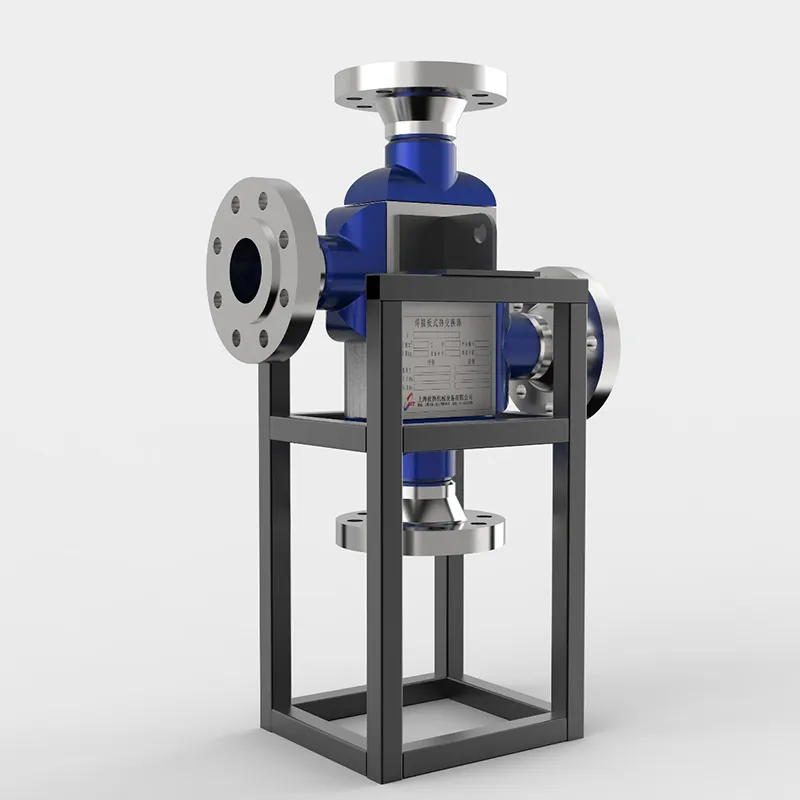
PCHE is significantly more compact. It can provide the same heat transfer duty in a volume that is 50–80% smaller than a shell and tube unit. This makes PCHE ideal for offshore platforms, skid-mounted systems, and other space-limited installations.
PCHE has narrow channels (typically 0.5–2 mm) and is not suitable for fluids with high solids content or sticky fouling. For such applications, a shell and tube heat exchanger or a wide gap welded plate heat exchanger is a better choice, as they allow larger flow passages and easier cleaning.
PCHE typically has a higher upfront cost per unit of heat transfer area due to advanced manufacturing processes like diffusion bonding. However, its compact size can reduce piping, foundation, and installation costs. Shell and tube units are generally cheaper for low-pressure, low-temperature applications but may require more maintenance over time.
Consider operating pressure and temperature, space constraints, fluid cleanliness, and budget. If you need high pressure (above 100 bar) or high temperature (above 500°C) in a compact footprint, PCHE is often the best choice. For lower pressures, dirty fluids, or when ease of cleaning is critical, shell and tube or welded plate designs are more practical.
Yes, SHPHE manufactures PCHE units as well as a range of plate heat exchangers that can serve as alternatives to shell and tube designs. Our product portfolio includes gasketed, welded, and wide gap options. We do not manufacture traditional shell and tube units, but our welded plate heat exchangers often provide similar or better performance in many applications.
Lead times vary based on design complexity and material availability. For a standard PCHE unit, expect 8–12 weeks from order confirmation. Custom designs with exotic materials may take longer. We recommend contacting our sales team with your process parameters for a precise timeline.
Choosing between PCHE vs shell and tube heat exchanger depends on your specific process conditions. To get an accurate recommendation and quotation, please provide the following details: flow rate, inlet and outlet temperatures, operating pressure, media type (including any fouling or corrosive properties), and allowable pressure drop. Our engineering team at SHPHE will perform a free thermal design and selection to match your needs. Contact us today to discuss your project.
We provide you with comprehensive foreign trade solutions to help enterprises achieve global development
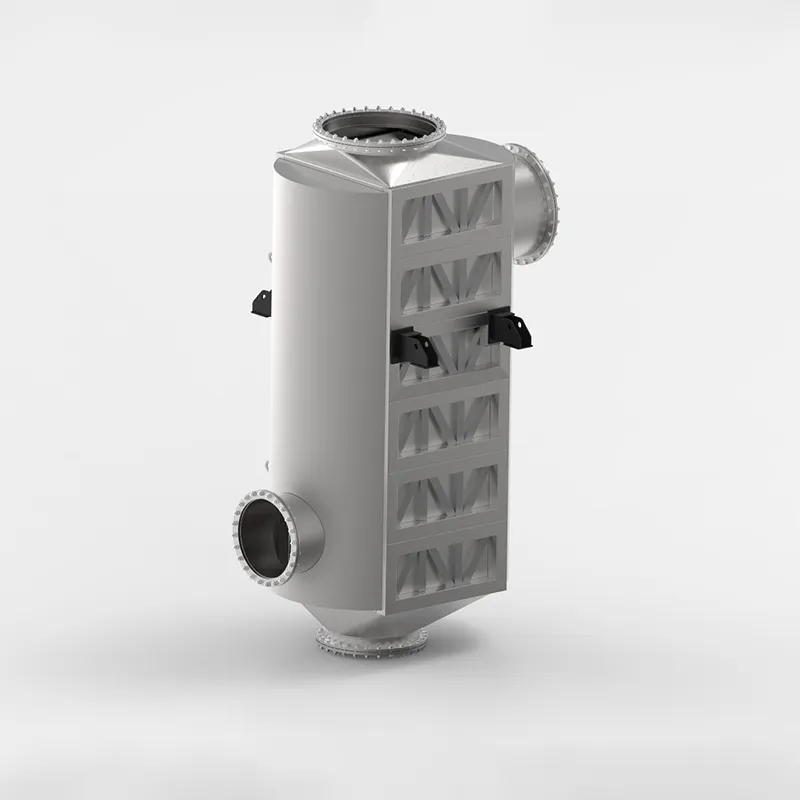
Industrial furnace and boiler exhaust gases carry vast amounts of unutilized thermal energy. The SHPHE custom Plate Air Preheater (PAPH) is target-engineered to intercept this high-temperature flue gas, recovering valuable waste heat and transferring it directly back to incoming combustion air or process gas streams. By substantially elevating the temperature of your flame feed, our custom systems optimize combustion thermodynamics, deliver massive fuel savings, and significantly reduce industrial carbon and emissions footprints. Built to withstand severe flue-gas environments, SHPHE PAPH systems serve as the premier choice for modern, energy-intensive plants prioritizing decarb compliance and maximum thermal efficiency.
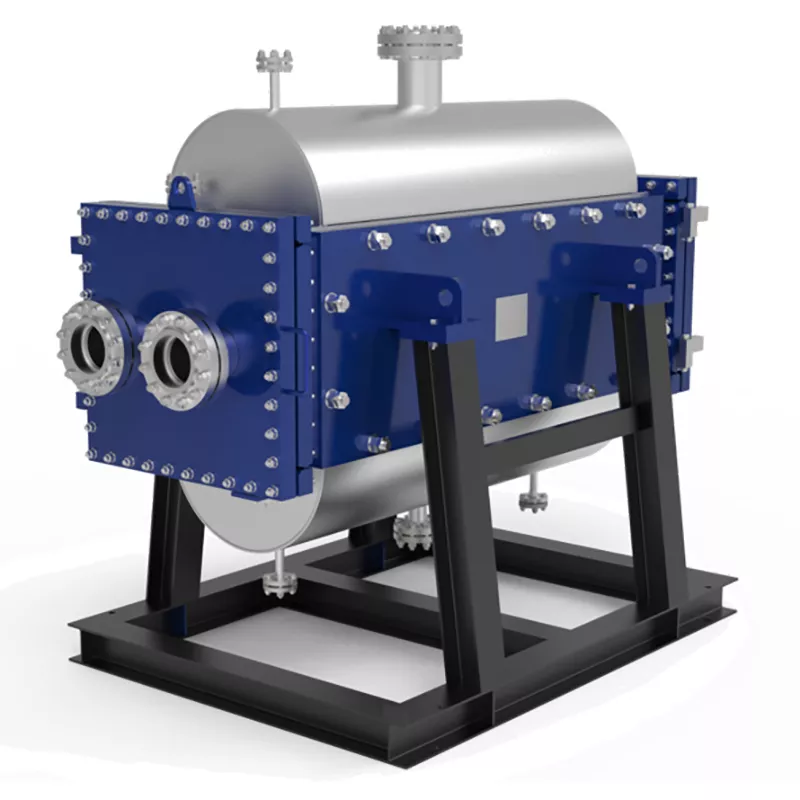
Industrial processes involving particle-laden slurries, high-viscosity syrups, or fiber-rich pulp demand more than standard equipment—they require target-engineered thermal management. At SHPHE, we configure the TP Welded Plate Heat Exchanger to directly conquer your plant's severe fouling, blockage, and erosion threats. Combining custom-tailored channel geometries, wear-resistant metallurgy, and integrated CIP (Cleaning-in-Place) systems, we deliver absolute production continuity where conventional heat exchangers fail.
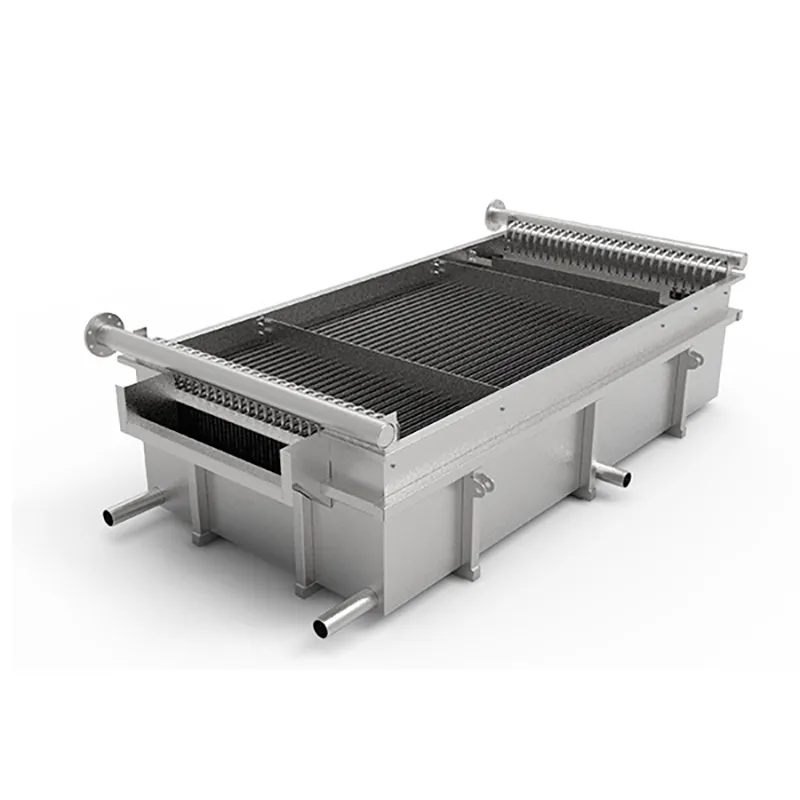
Originated in the mid-20th century to bypass the manufacturing bottlenecks and weight limitations of standard jacketed thermal components, the Pillow Plate (also known as a dimple plate or embossed plate) has revolutionized precision fluid-wall engineering. At SHPHE, we take this highly flexible technology and elevate it into a core foundation for bespoke industrial heat transfer integration. By utilizing state-of-the-art automated CNC fiber laser welding, our engineers customize the mechanical inflation profiles and spot pitch grids to directly match your specific fluid dynamics, pressure limits, and vessel configurations. Today, SHPHE's custom pillow plates are indispensable assets for worldwide processing plants prioritizing advanced thermal performance, zero-leak safety, and hygienic processing—serving as the definitive solution across food, pharmaceutical, chemical, and bulk solids cooling sectors.
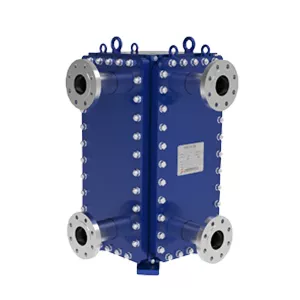
Custom-Engineered for Severe Process Demands. At SHPHE, we don't just supply equipment; we design tailored thermal solutions. Our HT-Bloc welded plate heat exchangers are custom-configured by our experienced engineers to overcome your specific industry challenges—whether handling high-viscosity media, extreme temperatures, or strict space constraints.
Select the most popular foreign trade service products to meet your diverse needs
Originated in the mid-20th century to bypass the manufacturing bottlenecks and weight limitations of standard jacketed thermal components, the Pillow Plate (also known as a dimple plate or embossed plate) has revolutionized precision fluid-wall engineering. At SHPHE, we take this highly flexible technology and elevate it into a core foundation for bespoke industrial heat transfer integration. By utilizing state-of-the-art automated CNC fiber laser welding, our engineers customize the mechanical inflation profiles and spot pitch grids to directly match your specific fluid dynamics, pressure limits, and vessel configurations. Today, SHPHE's custom pillow plates are indispensable assets for worldwide processing plants prioritizing advanced thermal performance, zero-leak safety, and hygienic processing—serving as the definitive solution across food, pharmaceutical, chemical, and bulk solids cooling sectors.
Custom-Engineered Anti-Clogging Solutions for High-Viscosity Slurries: Deployed specifically to conquer severe industrial fouling, SHPHE wide gap welded plate heat exchangers are tailor-built to handle complex media containing dense fibers, coarse crystals, or solid suspensions without clogging. Each non-obstructed channel is calculated and formed by laser-welded plate packs matching your fluid’s exact rheology and grain size, completely eliminating structural "dead zones" and media stagnation. Available in highly compact vertical and versatile horizontal configurations, our vertical engineering drastically reduces plant footprints while maintaining unhindered product throughput, minimal pressure drops, and flawless continuous operations across harsh process loops.
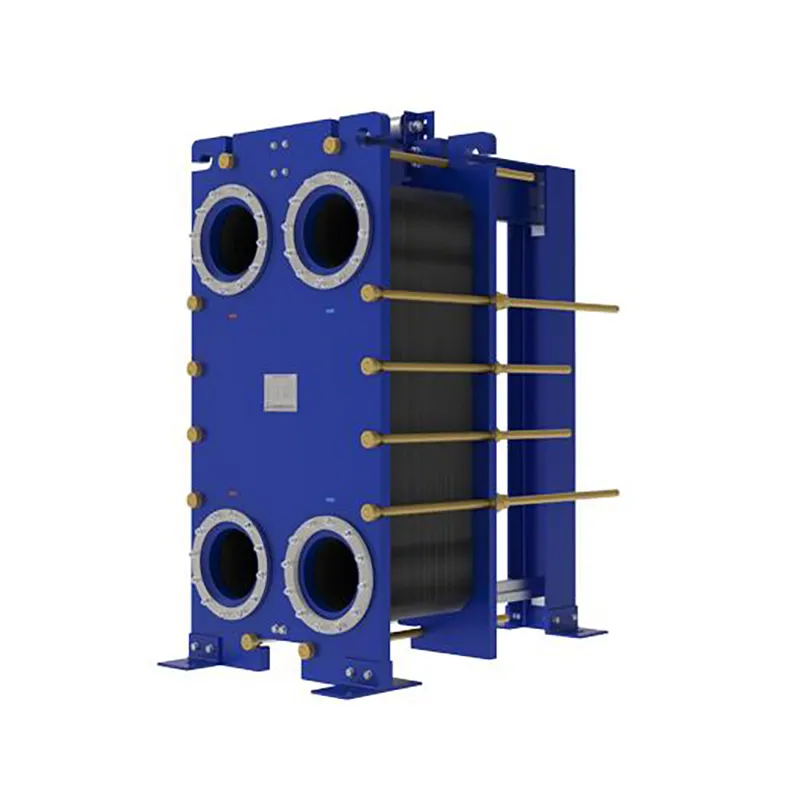
Since the invention of the plate heat exchanger (PHE) in 1923, thermal technology has evolved from standard food-grade processing to highly complex industrial operations. At SHPHE, we take this classic, versatile design and transform it into highly bespoke heat transfer solutions tailored to your unique process fluids and thermal loads. While traditional gasketed PHEs offer high efficiency and compact footprints, SHPHE optimizes plate corrugations, metallurgy, and sealing systems to handle your specific chemical, HVAC, or energy recovery parameters. Our custom-engineered gasketed plate heat exchangers provide outstanding scalability and ease of maintenance, serving as an indispensable asset for heavy industries—including oil and gas, metallurgy, and food processing—where uptime, energy recovery, and long-term sustainability are top priorities.



User Comments
Service Experience Sharing from Real Customers
Tommy
Process EngineerSwitched from shell and tube to PCHE for our LNG plant last quarter. The thermal efficiency jump is ridiculous—same duty in a fraction of the footprint. No more worrying about thermal fatigue either. Installation was a breeze compared to wrestling with tube bundles.
Elena
Maintenance SupervisorI was skeptical at first because we’ve run shell-and-tube for decades. But the PCHE unit we put on a high-pressure chemical loop hasn’t needed a single cleaning in 18 months. The shell-and-tube used to foul up every 4 months. Only downside is the initial cost, but the maintenance savings more than make up for it.
Marcus
Senior Project ManagerFor a subsea gas compression project, PCHE was the only real option. Shell and tube would have required a massive skid and a lot more welding. The compact core design saved us over 40% on topside weight. Delivery was on time, and the pressure rating held up perfectly during hydrotest.
Priya
R&D ChemistWe use PCHE for a pilot plant that runs highly corrosive solvents at 300°C. Shell and tube kept failing at the tube-to-sheet joints. The diffusion-bonded channels in the PCHE have zero welds in the fluid path—no leaks after six months. Temperature approach is also tighter, which helps our reaction kinetics.