 English EN


How to Choose the Right Printed Circuit Heat Exchanger for Your Process
Select the right printed circuit heat exchanger by matching process needs, pressure, temperature, and fluid compatibility for optimal efficiency and safety.
More
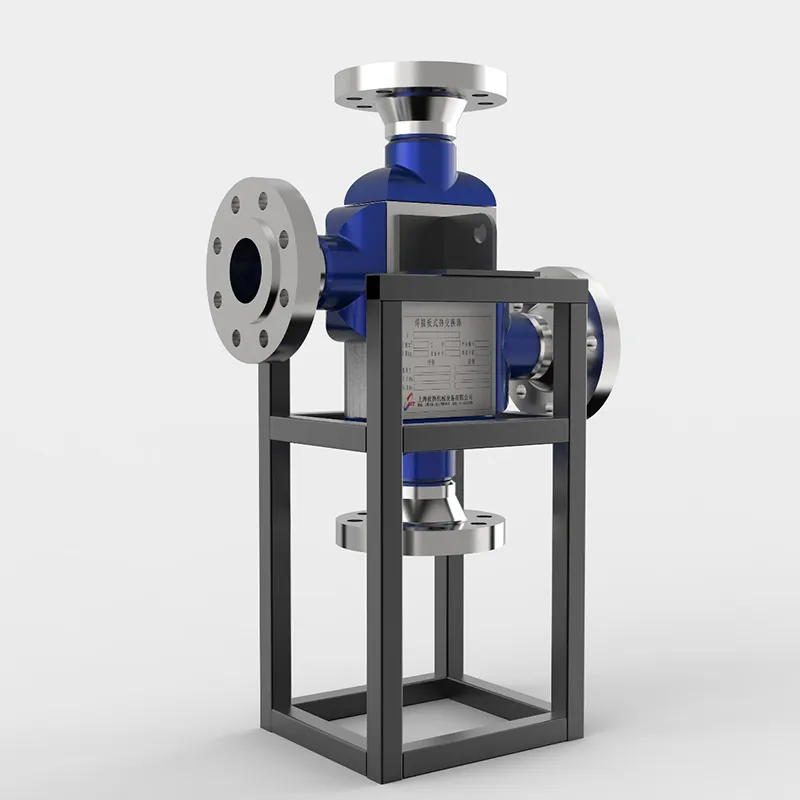
When managing heat in IT systems, traditional cooling methods often fall short in efficiency and space utilization. PCHE technology addresses these pain points directly. Its core design uses chemically etched flow channels, which allow for higher heat transfer rates compared to conventional shell-and-tube or plate heat exchangers. For data centers, this means you can dissipate more heat per square foot, directly supporting higher server densities without expanding your physical footprint.
One of the standout benefits is energy savings. PCHEs operate with lower pressure drops, which reduces the workload on pumps and fans. In real-world deployments, facilities have reported up to 20% reduction in cooling energy consumption after switching to PCHE-based systems. This translates to lower electricity bills and a smaller carbon footprint, aligning with sustainability goals many IT managers are now prioritizing.
Reliability is another key factor. PCHEs are built from solid metal blocks, typically stainless steel or titanium, making them highly resistant to thermal fatigue and corrosion. This durability ensures consistent performance over years of continuous operation, even in environments with fluctuating temperatures. For IT infrastructure that demands 24/7 uptime, this robustness minimizes the risk of cooling failures that could lead to server overheating and data loss.
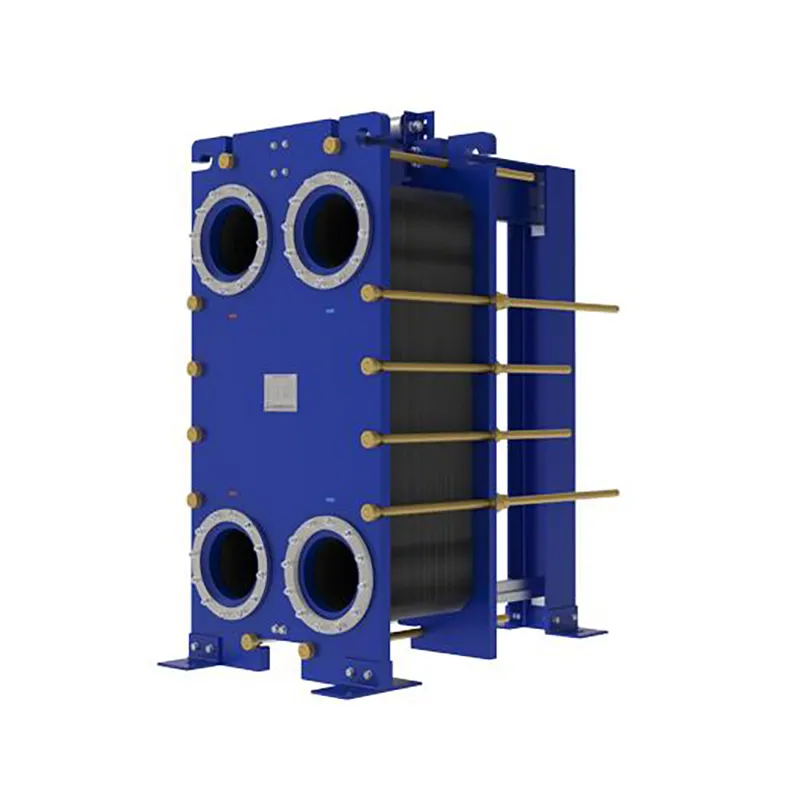
The compact nature of PCHEs also simplifies installation and maintenance. Because they are up to 85% smaller and lighter than traditional heat exchangers with equivalent capacity, they fit easily into existing server racks or cooling loops without major structural modifications. This plug-and-play aspect reduces deployment time and labor costs, allowing IT teams to focus on core operations rather than complex retrofitting.
From a long-term investment perspective, PCHEs offer a strong return. Their high thermal efficiency means you can achieve the same cooling effect with less energy, while their durable construction reduces replacement cycles. Many operators find that the initial investment is recouped within two to three years through energy savings alone. For organizations scaling their IT infrastructure, this makes PCHE a financially sound choice.
To see how PCHE technology can be tailored to your specific setup, consider exploring custom-engineered PCHE solutions that match your system's thermal requirements. Whether you are upgrading an existing facility or designing a new one, integrating PCHE helps you stay ahead of cooling challenges while keeping operational costs under control.
We provide you with comprehensive foreign trade solutions to help enterprises achieve global development
Since the invention of the plate heat exchanger (PHE) in 1923, thermal technology has evolved from standard food-grade processing to highly complex industrial operations. At SHPHE, we take this classic, versatile design and transform it into highly bespoke heat transfer solutions tailored to your unique process fluids and thermal loads. While traditional gasketed PHEs offer high efficiency and compact footprints, SHPHE optimizes plate corrugations, metallurgy, and sealing systems to handle your specific chemical, HVAC, or energy recovery parameters. Our custom-engineered gasketed plate heat exchangers provide outstanding scalability and ease of maintenance, serving as an indispensable asset for heavy industries—including oil and gas, metallurgy, and food processing—where uptime, energy recovery, and long-term sustainability are top priorities.
Custom-Engineered for Severe Process Demands. At SHPHE, we don't just supply equipment; we design tailored thermal solutions. Our HT-Bloc welded plate heat exchangers are custom-configured by our experienced engineers to overcome your specific industry challenges—whether handling high-viscosity media, extreme temperatures, or strict space constraints.
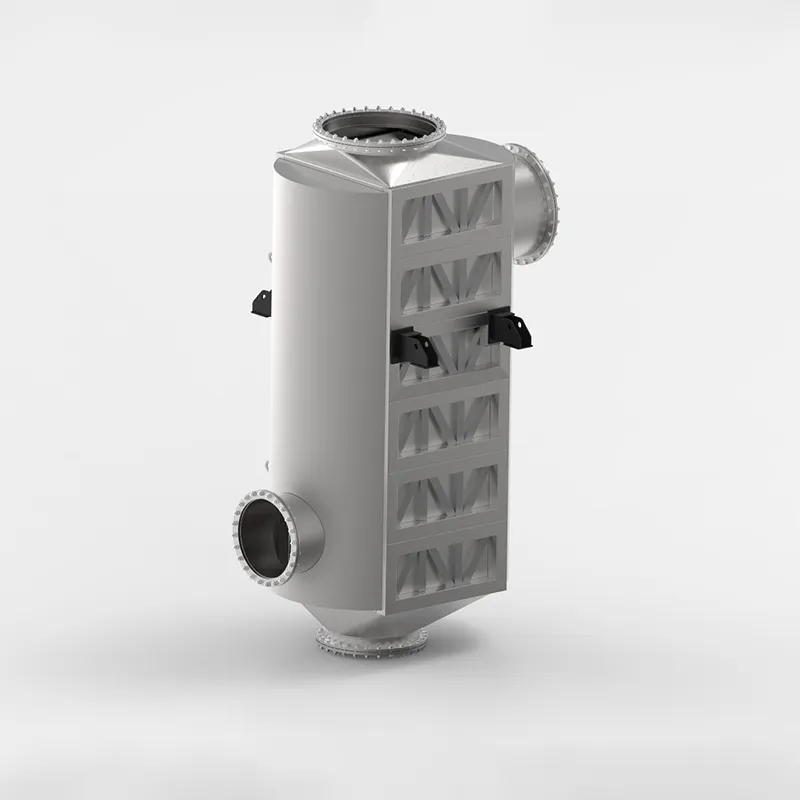
Industrial furnace and boiler exhaust gases carry vast amounts of unutilized thermal energy. The SHPHE custom Plate Air Preheater (PAPH) is target-engineered to intercept this high-temperature flue gas, recovering valuable waste heat and transferring it directly back to incoming combustion air or process gas streams. By substantially elevating the temperature of your flame feed, our custom systems optimize combustion thermodynamics, deliver massive fuel savings, and significantly reduce industrial carbon and emissions footprints. Built to withstand severe flue-gas environments, SHPHE PAPH systems serve as the premier choice for modern, energy-intensive plants prioritizing decarb compliance and maximum thermal efficiency.
Originated in the mid-20th century to bypass the manufacturing bottlenecks and weight limitations of standard jacketed thermal components, the Pillow Plate (also known as a dimple plate or embossed plate) has revolutionized precision fluid-wall engineering. At SHPHE, we take this highly flexible technology and elevate it into a core foundation for bespoke industrial heat transfer integration. By utilizing state-of-the-art automated CNC fiber laser welding, our engineers customize the mechanical inflation profiles and spot pitch grids to directly match your specific fluid dynamics, pressure limits, and vessel configurations. Today, SHPHE's custom pillow plates are indispensable assets for worldwide processing plants prioritizing advanced thermal performance, zero-leak safety, and hygienic processing—serving as the definitive solution across food, pharmaceutical, chemical, and bulk solids cooling sectors.
Select the most popular foreign trade service products to meet your diverse needs
Originated in the mid-20th century to bypass the manufacturing bottlenecks and weight limitations of standard jacketed thermal components, the Pillow Plate (also known as a dimple plate or embossed plate) has revolutionized precision fluid-wall engineering. At SHPHE, we take this highly flexible technology and elevate it into a core foundation for bespoke industrial heat transfer integration. By utilizing state-of-the-art automated CNC fiber laser welding, our engineers customize the mechanical inflation profiles and spot pitch grids to directly match your specific fluid dynamics, pressure limits, and vessel configurations. Today, SHPHE's custom pillow plates are indispensable assets for worldwide processing plants prioritizing advanced thermal performance, zero-leak safety, and hygienic processing—serving as the definitive solution across food, pharmaceutical, chemical, and bulk solids cooling sectors.
Custom-Engineered for Severe Process Demands. At SHPHE, we don't just supply equipment; we design tailored thermal solutions. Our HT-Bloc welded plate heat exchangers are custom-configured by our experienced engineers to overcome your specific industry challenges—whether handling high-viscosity media, extreme temperatures, or strict space constraints.
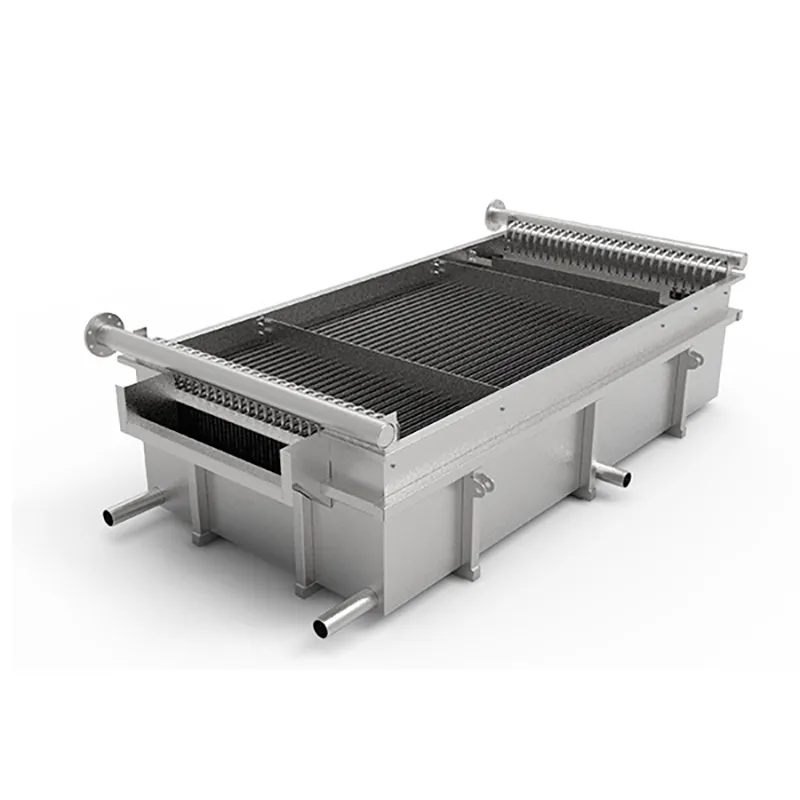
The SHPHE Printed Circuit Heat Exchanger (PCHE) represents a paradigm shift in microchannel thermal management, meticulously engineered for the world's most critical and demanding industrial boundaries. Developed to surpass the physical limitations of conventional shell-and-tube designs in ultra-high-pressure environments, our custom PCHEs integrate advanced photochemical etching and solid-state diffusion bonding to provide unmatched safety, thermal efficiency, and integrity under extreme stress. Initially deployed within high-consequence sectors such as aerospace and nuclear power generation, PCHE technology has completely revolutionized high-density thermal processing. Today, SHPHE brings this breakthrough engineering to mainstream energy transitions—including LNG liquefaction, supercritical CO² power cycles, hydrocarbon processing, and high-pressure hydrogen systems—enabling plants to maximize energy recovery, ensure zero-leakage security, and significantly shrink environmental footprints.



User Comments
Service Experience Sharing from Real Customers
Sandra K.
Senior Graphic DesignerHonestly, I was a bit skeptical at first because I’ve tried so many cheap alternatives that just don’t hold up. But this PCHE? It’s a total game-changer for my workflow. The color accuracy is insane, and it hasn't lagged once, even with massive Photoshop files. Best purchase I've made this year.
Marcus J.
High School Science TeacherGot a PCHE for my classroom lab station. The kids are rough on equipment, but this thing is built like a tank. It handles all our simulation software without freezing up. Only giving 4 stars because the default fan curve is a bit aggressive out of the box, but a quick tweak fixed that. Solid machine.
Ellie R.
Freelance Video EditorI’ve been editing 4K footage on a laptop that sounded like a jet engine. Switching to this PCHE desktop was like moving from a beat-up sedan to a sports car. Render times dropped by half. It’s quiet, fast, and didn’t break my bank account. Finally, a rig that keeps up with my brain.
Tom W.
IT Support SpecialistIt’s decent for the price point. I needed a secondary machine for running VMs and testing network configs. The PCHE handles it fine, but the RAM expansion slots are a little tight to access. Also, the included manual is basically useless. If you’re a tinkerer like me, you’ll be fine. For a beginner? Might be frustrating.