Optimizing Thermal Management with an Electrolyte Cooling Heat Exchanger
In high-power battery systems and electrolysis processes, effective heat removal is critical to maintaining performance and safety. An electrolyte cooling heat exchanger is designed to handle corrosive fluids while delivering precise temperature control. This article explains how these units work, their key parameters, and how to select the right solution for your application.
What Is an Electrolyte Cooling Heat Exchanger?
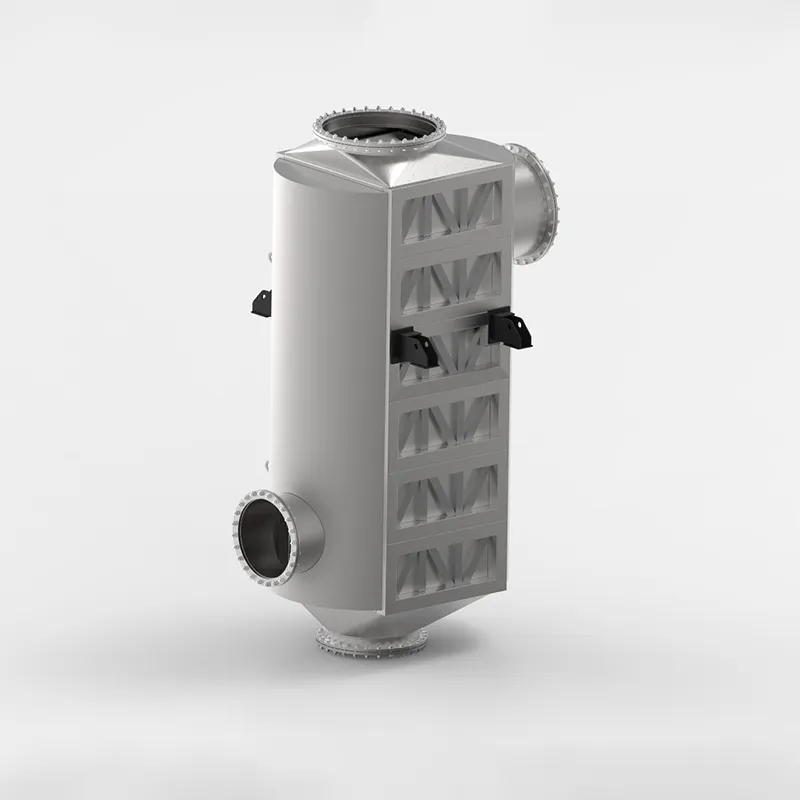
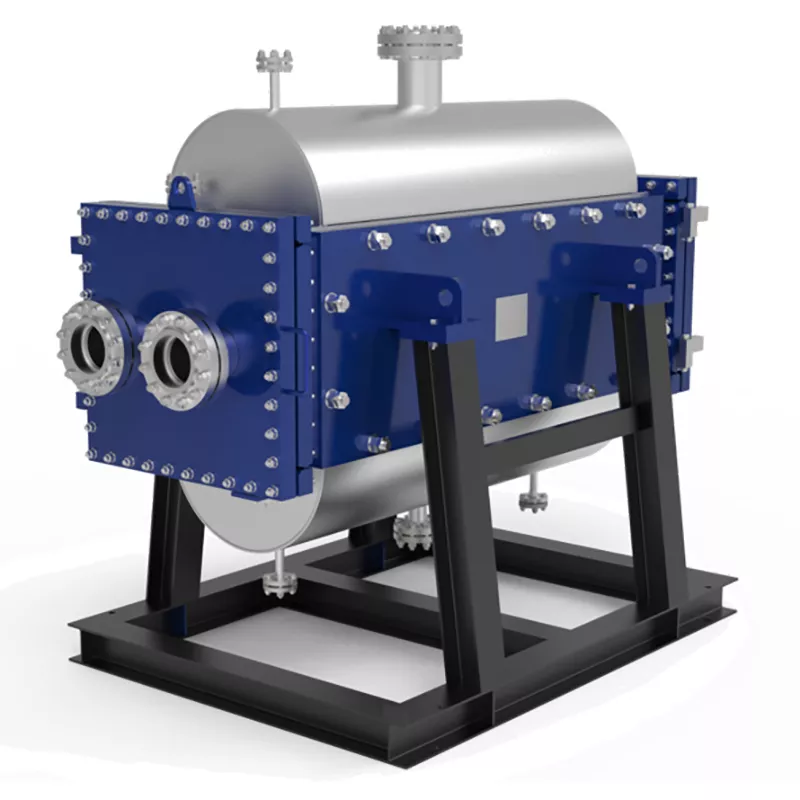
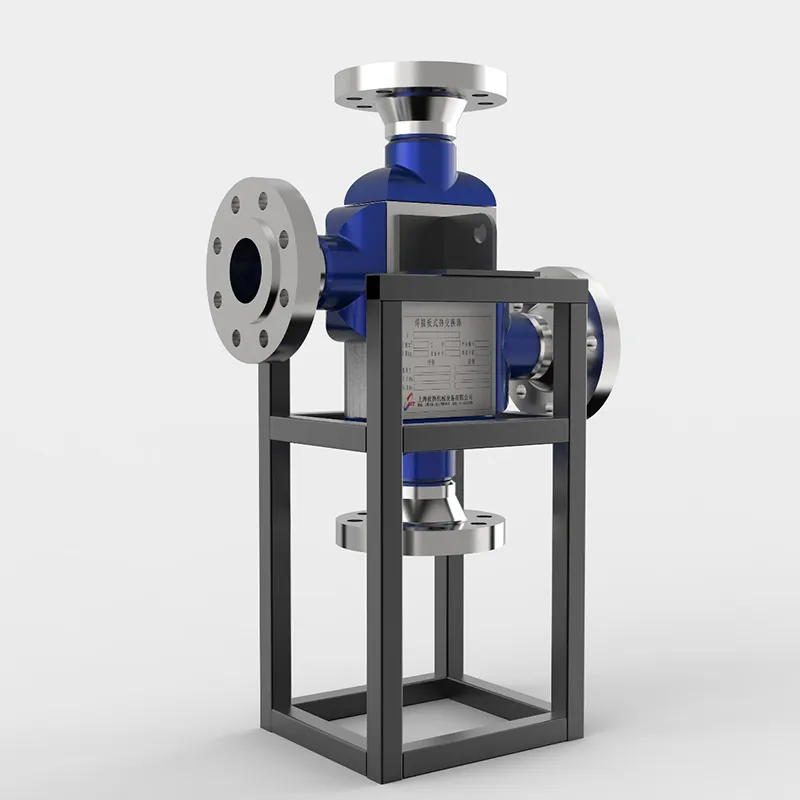
An electrolyte cooling heat exchanger is a specialized thermal management device that removes excess heat from electrolyte fluids used in batteries, fuel cells, and electrochemical reactors. Unlike standard coolers, these units must resist corrosion from acidic or alkaline electrolytes while maintaining high thermal efficiency. They are typically built from materials like stainless steel 316L or titanium, with welded or gasketed plate designs to prevent leaks and contamination.
For process engineers and purchasing managers, the challenge is balancing heat transfer performance with long-term reliability in harsh chemical environments. A well-designed electrolyte cooling heat exchanger can extend equipment life and reduce downtime.
How Does an Electrolyte Cooling Heat Exchanger Work?
The operating principle is straightforward: hot electrolyte flows through one set of channels, while a cooling medium—usually water or a glycol mixture—flows through adjacent channels in a counter-current arrangement. The plates create turbulent flow, which enhances heat transfer and reduces fouling. In welded plate designs, the electrolyte side is fully sealed to prevent any cross-contamination.
Key steps in a typical process scenario include:
- Electrolyte enters the exchanger at elevated temperature (e.g., 60–80°C).
- Cooling water flows in the opposite direction, absorbing heat through the plate walls.
- Temperature sensors monitor outlet conditions to maintain setpoint.
- Condensate or heated coolant is returned to the system or rejected.
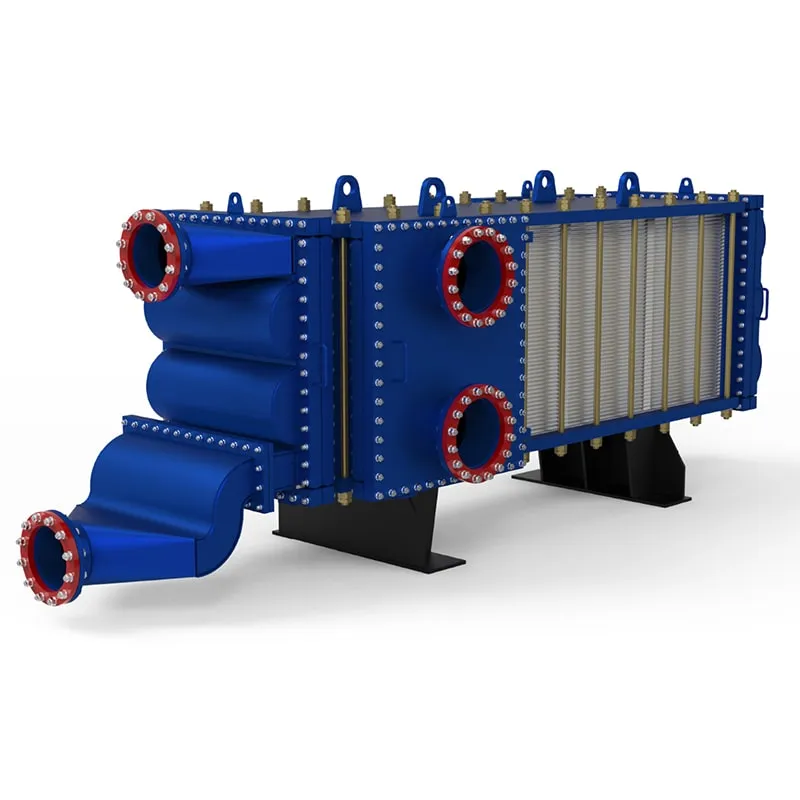
For more details on welded plate designs, explore our HT-Bloc Welded Plate Heat Exchanger which is often used in electrolyte cooling applications.
Key Features and Typical Parameter Ranges
When evaluating an electrolyte cooling heat exchanger, focus on these performance characteristics:
| Parameter |
Typical Range |
| Operating temperature |
-20°C to 200°C |
| Design pressure |
Up to 30 bar (gasketed) / 100 bar (welded) |
| Flow rate (electrolyte) |
1–500 m³/h |
| Heat transfer coefficient |
3,000–7,000 W/m²K |
| Materials |
SS316L, titanium, Hastelloy |
These ranges are industry-accepted and can vary based on specific electrolyte chemistry and system requirements.
What Applications Benefit Most from Electrolyte Cooling Heat Exchangers?
Electrolyte cooling heat exchangers are widely used in:
- Lithium-ion battery thermal management systems for EVs and stationary storage.
- Electrolyzers for green hydrogen production, where heat must be removed from alkaline or PEM cells.
- Flow battery systems (e.g., vanadium redox) requiring stable operating temperatures.
- Electrochemical reactors for chemical synthesis or wastewater treatment.
For each application, the selection depends on fluid corrosivity, required cooling capacity, and space constraints. Our Wide Gap Welded Plate Heat Exchanger is particularly effective for fluids with suspended solids or high viscosity.
Why Choose SHPHE for Your Electrolyte Cooling Heat Exchanger?
SHPHE, a Shanghai-based plate heat exchanger manufacturer founded in 2005, has been exporting to over 20 countries and holds ISO9001 and ASME U certifications. Our product lines include HT-Bloc and TP Welded Plate Heat Exchangers, Wide Gap Welded Plate Heat Exchangers, Gasketed Plate Heat Exchangers, PCHE, Plate Air Preheaters, and Pillow Plates. We offer free thermal design and selection services to match your exact process conditions.
Our electrolyte cooling heat exchanger designs are compatible with systems from Alfa Laval, Compabloc, and GEA, providing a reliable alternative without compromising performance. We prioritize corrosion resistance and long service life, backed by rigorous testing.
For more specialized needs, explore our Printed Circuit Heat Exchanger (PCHE) for compact, high-pressure applications.
Frequently Asked Questions
Q1: What materials are best for corrosive electrolytes?
Titanium and Hastelloy offer excellent corrosion resistance for acidic or alkaline electrolytes. Stainless steel 316L is suitable for less aggressive fluids. Our free selection service can recommend the optimal material based on your fluid analysis.
Q2: How do I determine the required cooling capacity?
Cooling capacity depends on the electrolyte flow rate, inlet/outlet temperature difference, and specific heat capacity. Provide these parameters, and our engineers will calculate the necessary surface area and flow configuration.
Q3: Can I use a gasketed plate heat exchanger for electrolyte cooling?
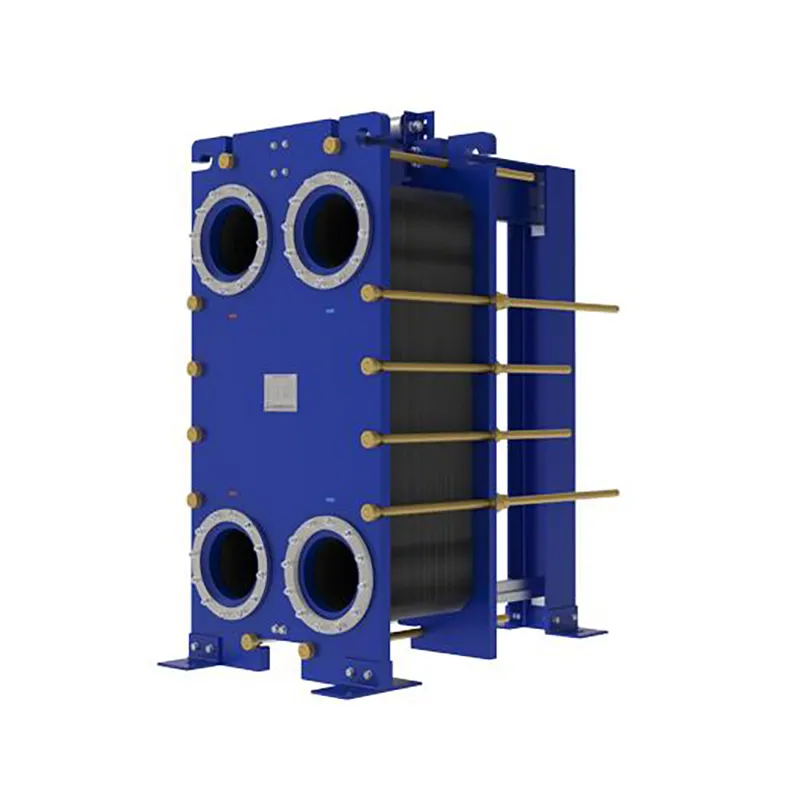
Yes, gasketed designs are cost-effective for low-pressure applications with compatible gasket materials (e.g., EPDM or Viton). For higher pressures or aggressive chemicals, welded plate exchangers are recommended to avoid leak paths.
Q4: How often should I clean an electrolyte cooling heat exchanger?
Cleaning frequency depends on fluid purity and operating conditions. Typically, a visual inspection every 6–12 months is sufficient. If fouling occurs, chemical cleaning or backflushing can restore performance.
Q5: What is the typical lead time for a custom unit?
Standard designs ship within 4–6 weeks. Custom-engineered units may take 8–12 weeks, depending on complexity and material availability. We prioritize rush orders when possible.
Q6: Is SHPHE compatible with existing Alfa Laval systems?
Yes, many of our plate heat exchangers are designed as compatible alternatives to Alfa Laval, Compabloc, and GEA units. We can match port sizes, plate patterns, and gasket profiles for retrofit installations.
Request a Quote for Your Electrolyte Cooling Heat Exchanger
To receive a tailored solution, please provide the following details in your inquiry:
- Flow rate of electrolyte (m³/h or L/min)
- Inlet and desired outlet temperatures (°C)
- Operating pressure (bar)
- Fluid composition and any corrosive properties
- Cooling medium type (water, glycol, etc.)
Our team will provide a free thermal design and quotation within 48 hours. Contact us today to optimize your thermal management with a reliable electrolyte cooling heat exchanger.

 English EN





User Comments
Service Experience Sharing from Real Customers
mike_hvac
Senior Thermal EngineerWe installed this electrolyte cooling heat exchanger in our pilot battery storage system last quarter. The temperature delta across the plates is incredibly consistent even under 200A load pulses. No leaks so far, and the titanium core handles the aggressive fluid chemistry perfectly. I've been in thermal management for 15 years and this is the most reliable unit we've tested. Saved us from having to oversize our chiller.
sarah_chemE
Process Development ChemistWe're using this in a lab-scale redox flow cell setup. The corrosion resistance on the electrolyte side is exactly what we needed — no ion contamination detected after 500 hours of cycling. My only minor gripe is that the port threads are metric, and our existing plumbing is NPT, so we needed adapters. But performance-wise, it's solid. Keeps our vanadium electrolyte right at 40°C even during charge peaks.
tom_fab
Maintenance SupervisorHonestly, I was skeptical when my boss spec'd this for our electroplating line. But after six months of running 24/7 with a sulfuric acid copper bath, there's zero scaling or clogging. The gaskets are holding up way better than the old plate-and-frame style we used. Easy to disassemble for inspection too — just eight bolts. My guys can clean it in under an hour. Worth every penny.
linda_data
Data Center Cooling TechnicianWe tried this as a proof-of-concept for direct-to-chip liquid cooling using a dielectric fluid. The heat exchanger itself works fine — good heat transfer and compact footprint. But the pressure drop was higher than our pump curve expected, so we had to add a booster. Also, the documentation could be clearer about maximum flow rates for non-water fluids. Not bad, but I'd recommend running your own fluid dynamics numbers before buying.