Optimizing Performance with an Electrolyzer Cooling Heat Exchanger
Article Summary: Electrolyzer cooling heat exchangers are critical for maintaining efficiency and longevity in green hydrogen production. This article explores the role of plate heat exchangers in managing thermal loads, discusses key performance parameters, and offers practical guidance for process engineers and procurement managers. From working principles to selection criteria, we cover real-world considerations for optimizing your electrolysis cooling loop with reliable, cost-effective solutions.
Electrolyzers generate significant heat during operation, and without proper thermal management, efficiency drops, membrane degradation accelerates, and system reliability suffers. An electrolyzer cooling heat exchanger is the core component that removes this heat, maintaining optimal operating temperatures between 60°C and 80°C for most alkaline and PEM systems. For process engineers and purchasing managers evaluating cooling solutions, understanding heat exchanger design, material compatibility, and pressure drop characteristics is essential. This article provides a practical overview of how plate-type heat exchangers—particularly welded and gasketed designs—can meet the demanding requirements of modern electrolysis plants.
What Is an Electrolyzer Cooling Heat Exchanger and Why Does It Matter?
An electrolyzer cooling heat exchanger is a thermal management device that transfers waste heat from the electrolysis process to a secondary cooling medium, typically water or a glycol-water mixture. In large-scale hydrogen production, heat loads can exceed several megawatts, making efficient heat removal a top priority. Without proper cooling, stack temperatures rise, leading to higher cell voltages, reduced hydrogen output, and accelerated wear on membranes and electrodes. A well-designed heat exchanger not only stabilizes temperature but also reduces overall energy consumption by enabling heat recovery for preheating feed water or building heating.
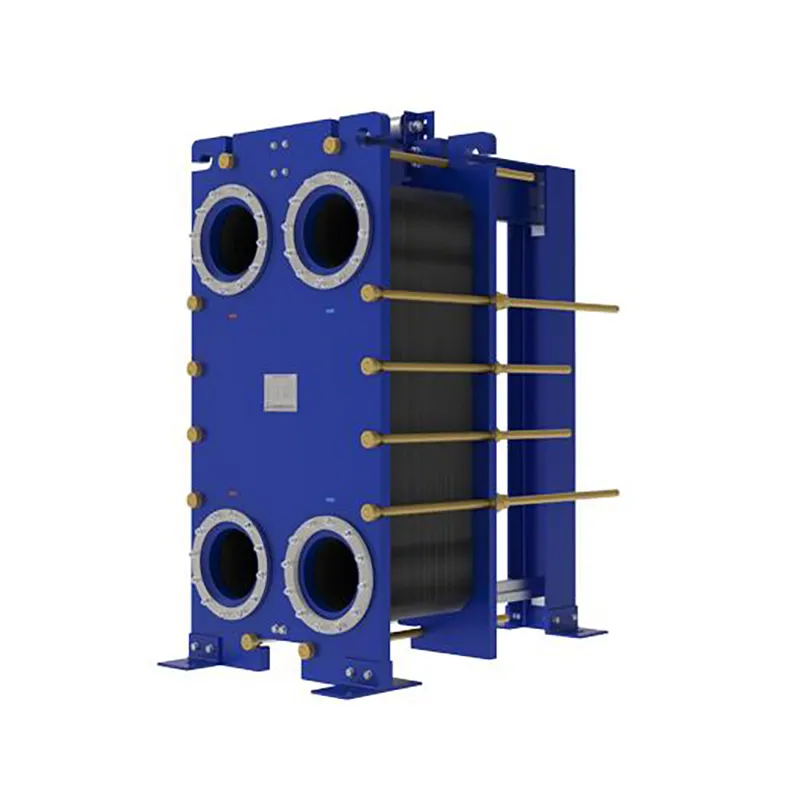
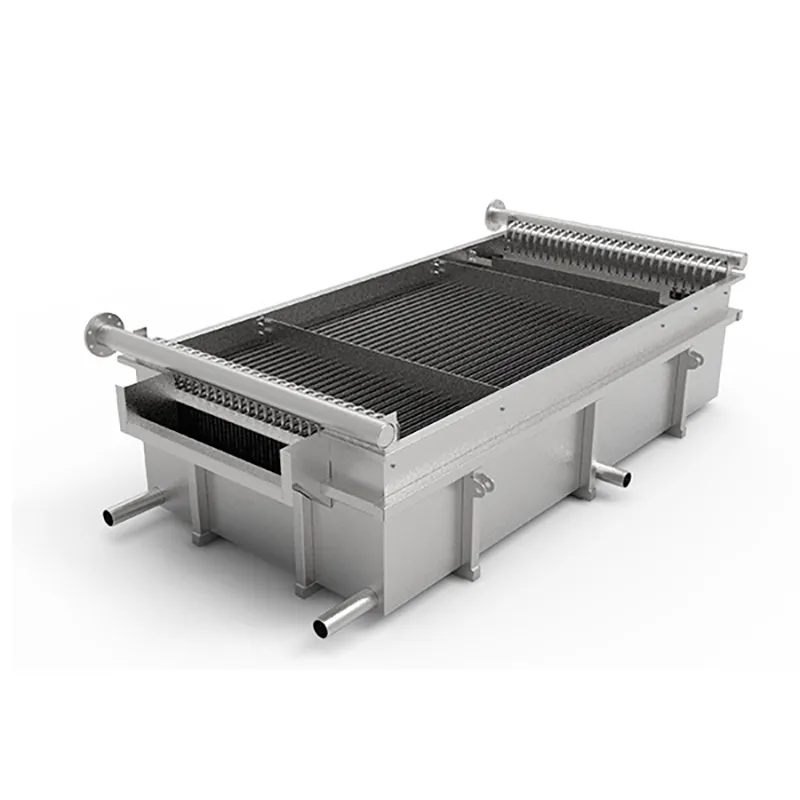
Plate heat exchangers are widely adopted in this application due to their compact footprint, high thermal efficiency, and ease of maintenance. For example, our gasketed plate heat exchangers offer flexible configurations for moderate pressures and temperatures, while welded designs provide leak-free operation in more demanding environments. The choice depends on factors like coolant chemistry, operating pressure, and space constraints.
How Does a Plate Heat Exchanger Work in an Electrolysis Cooling Loop?
In a typical electrolysis system, the cooling loop circulates deionized water or a dielectric fluid through the stack, absorbing heat from the cells. This hot stream then enters the heat exchanger, where it flows through alternating channels separated by thin corrugated plates. The secondary coolant flows counter-currently on the opposite side, absorbing the heat and carrying it away to a dry cooler, cooling tower, or heat recovery unit. The high turbulence created by the plate corrugation enhances heat transfer coefficients, often achieving U-values in the range of 3,000–7,000 W/m²·K for water-to-water applications.
Key design considerations include:
- Material selection: Stainless steel 316L or titanium plates for corrosion resistance against deionized water and potential hydrogen permeation.
- Pressure rating: Typically 10–16 bar for gasketed designs; up to 30 bar for fully welded units.
- Temperature range: -20°C to 180°C for standard models, covering all electrolyzer operating conditions.
- Flow configuration: Single-pass or multi-pass arrangements to optimize LMTD and minimize pressure drop.
What Are the Typical Performance Parameters for an Electrolyzer Cooling Heat Exchanger?
When specifying an electrolyzer cooling heat exchanger, engineers focus on a few critical parameters that directly impact system performance. Below is a summary of commonly accepted ranges for plate-type units in hydrogen applications:
| Parameter |
Typical Range |
Notes |
| Heat duty |
50 kW – 10 MW |
Scales with stack size and number of cells. |
| Flow rate (hot side) |
10 – 500 m³/h |
Depends on temperature rise across stack. |
| Pressure drop |
0.2 – 1.5 bar |
Must balance pump energy vs. heat transfer. |
| Approach temperature |
2 – 8°C |
Closer approach increases surface area. |
| Fouling factor |
0.00005 – 0.0002 m²·K/W |
Low for clean deionized water loops. |
These values serve as a starting point. Actual selection requires a detailed thermal design based on your specific flow rates, temperatures, and allowable pressure drops. Our engineering team provides free thermal sizing to match your electrolyzer cooling heat exchanger to your exact process conditions.
Applications and Recommended Solutions for Electrolyzer Cooling
Electrolyzer cooling heat exchangers are deployed across various hydrogen production scales, from small pilot units to multi-MW industrial plants. Common applications include:
- Alkaline electrolyzers: Typically operate at 60–80°C with KOH electrolyte. Gasketed plate heat exchangers with EPDM gaskets and 316L plates are a cost-effective choice, compatible with Alfa Laval and other standard frame sizes.
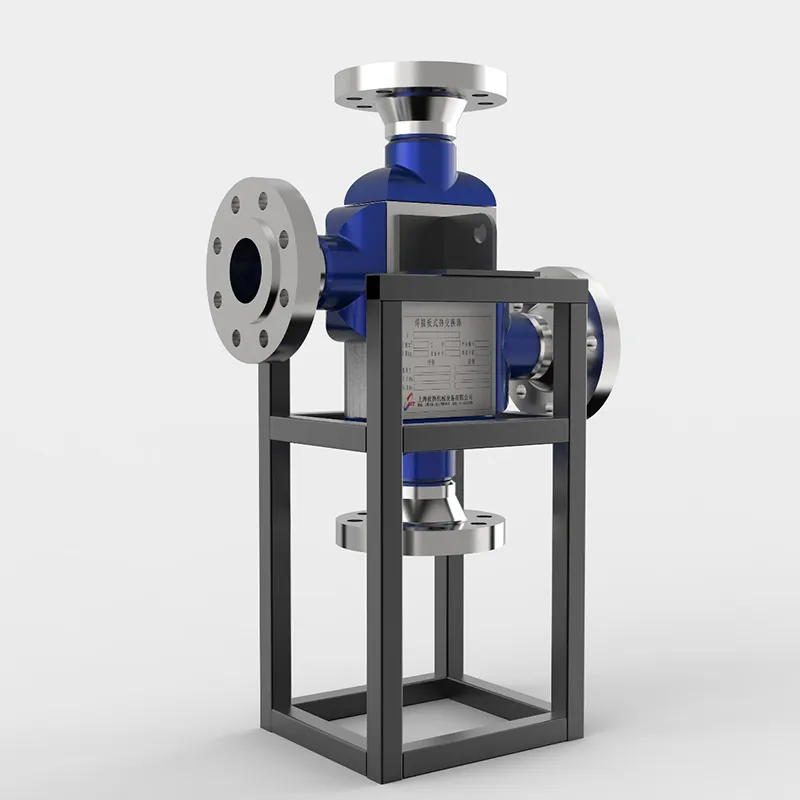
- PEM electrolyzers: Higher purity water loops (conductivity HT-Bloc welded plate heat exchangers offer zero-gasket leakage and excellent corrosion resistance for these critical applications.
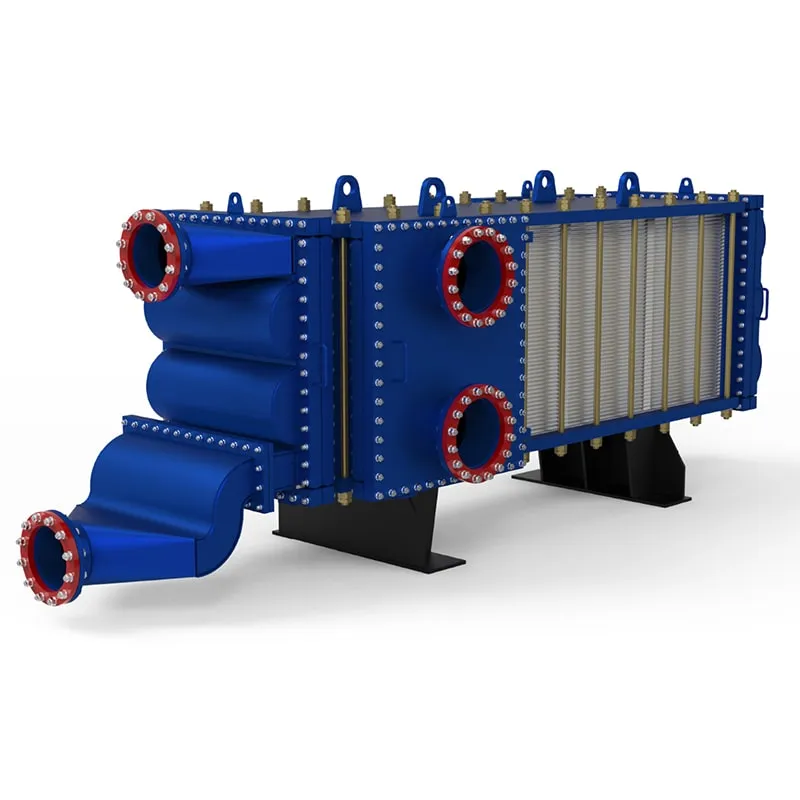
- High-pressure electrolysis: Systems operating above 20 bar benefit from fully welded designs like the TP Welded Plate Heat Exchanger, which eliminates gasket failure risks and handles thermal cycling well.
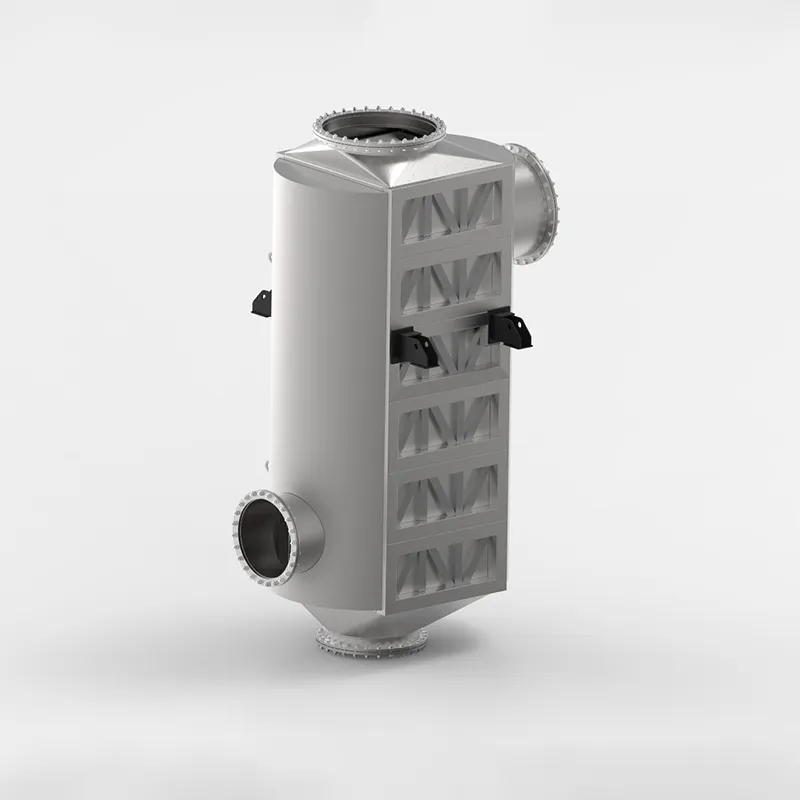
- Heat recovery integration: When capturing waste heat for district heating or preheating, wide-gap welded plate heat exchangers handle particulates or scaling fluids without clogging.
For each scenario, we recommend consulting our product selection guide or requesting a free thermal design to ensure the electrolyzer cooling heat exchanger meets your duty cycle and maintenance schedule.
Why SHPHE for Your Electrolyzer Cooling Heat Exchanger?
SHPHE is a Shanghai-based plate heat exchanger manufacturer founded in 2005, with ISO9001 and ASME U certifications and exports to over 20 countries. Our product range includes HT-Bloc welded plate heat exchangers, TP welded units, wide-gap welded designs, gasketed plate heat exchangers, PCHE, plate air preheaters, and pillow plates. We provide free thermal design and selection services, ensuring your electrolyzer cooling heat exchanger is optimized for performance and cost. Unlike generic suppliers, we focus on industrial-grade solutions that withstand continuous operation in hydrogen environments. Our engineering team works directly with your process data to deliver a unit that fits your skid layout and piping connections.
We also offer alternatives to brands like Alfa Laval, Compabloc, and GEA, providing compatible plate patterns and gasket materials at competitive lead times. Whether you need a single unit for a pilot plant or multiple exchangers for a green hydrogen facility, SHPHE delivers reliable thermal management.
Frequently Asked Questions About Electrolyzer Cooling Heat Exchangers
What type of heat exchanger is best for PEM electrolyzer cooling?
For PEM electrolyzers, titanium plate heat exchangers are recommended due to the high purity of the cooling water. Fully welded designs like the HT-Bloc or TP series eliminate gasket contamination risks and provide long-term reliability. Gasketed units with titanium plates are also viable for lower-pressure systems.
How do I calculate the required heat exchanger size for my electrolyzer?
You need the heat duty (kW), hot and cold side flow rates, inlet/outlet temperatures, and allowable pressure drop. Using the LMTD method and overall heat transfer coefficient, you can estimate the required surface area. We recommend submitting your process parameters to our engineering team for a free thermal design.
Can I use a gasketed plate heat exchanger for alkaline electrolyzer cooling?
Yes, gasketed plate heat exchangers with EPDM gaskets and 316L stainless steel plates are commonly used for alkaline electrolyzers operating at 60–80°C. Ensure the gasket material is compatible with the KOH electrolyte concentration. Regular inspection of gaskets is recommended for long service life.
What is the typical pressure drop in an electrolyzer cooling loop?
Pressure drop across the heat exchanger typically ranges from 0.2 to 1.5 bar, depending on flow velocity, plate geometry, and number of passes. Lower pressure drop reduces pump energy consumption but may require a larger heat exchanger. A balanced design is key for overall system efficiency.
How often should I clean the electrolyzer cooling heat exchanger?
Cleaning frequency depends on water quality and operating conditions. For closed-loop systems with deionized water, cleaning every 12–24 months is typical. If fouling or scaling occurs, more frequent cleaning may be needed. Welded plate designs can be chemically cleaned in place, while gasketed units allow mechanical cleaning after disassembly.
Is it possible to recover heat from the electrolyzer cooling loop?
Yes, waste heat from electrolyzer cooling can be recovered for preheating feed water, building heating, or industrial processes. A plate heat exchanger with a secondary loop can capture 50–80% of the thermal energy, improving overall system efficiency. Our wide-gap welded designs are suitable for applications with particulates or scaling potential.
Request a Quote for Your Electrolyzer Cooling Heat Exchanger
To ensure your electrolyzer cooling heat exchanger is precisely matched to your process, please provide the following details when requesting a quotation:
- Flow rate (hot side and cold side, in m³/h or GPM)
- Inlet and outlet temperatures (hot and cold streams, in °C or °F)
- Operating pressure (design and maximum, in bar or psi)
- Media type (e.g., deionized water, KOH solution, glycol-water mix)
- Allowable pressure drop (if specified)
- Preferred material (stainless steel, titanium, or other)
Our team will provide a free thermal design and selection recommendation within 24 hours. Contact us today to optimize your electrolyzer cooling performance with a reliable, cost-effective heat exchanger solution.

 English EN





User Comments
Service Experience Sharing from Real Customers
Mike Henderson
Senior Process EngineerWe've been running our PEM electrolyzer stack at 120% capacity for three months straight, and this heat exchanger is the only reason we haven't cooked the membranes. The titanium brazed plates hold up perfectly against the caustic loop. Saved us a bundle on downtime.
Sophie Tran
Maintenance TechnicianInstalled this on a 5MW alkaline unit last week. The flange alignment was spot on, and the gaskets didn't leak even when we torqued it down. My only gripe is the drain plug is a bit fiddly with thick gloves on. But overall, solid build quality.
Liam O'Reilly
R&D Lab ManagerFor our small-scale prototype testing, this unit is a beast. We're cycling between 20°C and 80°C every hour, and I haven't seen any thermal fatigue cracks yet. The compact footprint let me fit it into a tight skid layout. Exactly what we needed.
Elena Vasquez
Project ManagerDoes the job for cooling our 2MW stack, but the pressure drop is a bit higher than the spec sheet claimed. We had to upgrade our circulation pump. Customer support was helpful though, and the unit itself hasn't failed in six months of operation.