Key Advantages of a Closed Cooling Water Heat Exchanger in Industrial Applications
A closed cooling water heat exchanger is a critical component for maintaining process temperatures in industries like chemical processing, power generation, and manufacturing. This article explores its core benefits, working principles, and how selecting the right plate heat exchanger can improve efficiency, reduce downtime, and lower operational costs. We will also discuss how SHPHE, a Shanghai-based manufacturer with ISO9001 and ASME U certifications, provides reliable solutions for demanding applications.
What Is a Closed Cooling Water Heat Exchanger and Why Does It Matter?
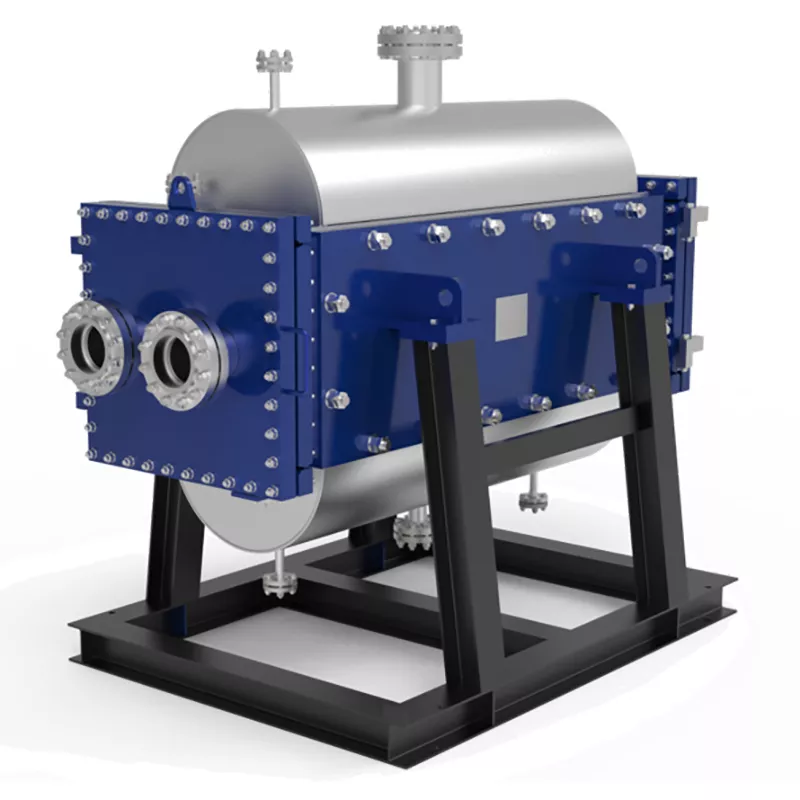
A closed cooling water heat exchanger is a device that transfers heat from a process fluid to a separate cooling water loop without direct contact between the two streams. This design prevents contamination, reduces scaling, and minimizes water treatment needs. For process engineers and purchasing managers, the closed loop offers stable thermal performance and protects sensitive equipment from fouling. Compared to open cooling towers, a closed system maintains consistent water quality and requires less maintenance over time.
In many industrial settings, the choice of a closed cooling water heat exchanger directly impacts energy consumption and production uptime. Plate heat exchangers, in particular, are favored for their compact footprint and high heat transfer coefficients. They can handle temperature differentials of 5–15°C and flow rates from 10 to 500 m³/h, depending on the model and plate configuration.
How Does a Closed Cooling Water Heat Exchanger Work in Practice?
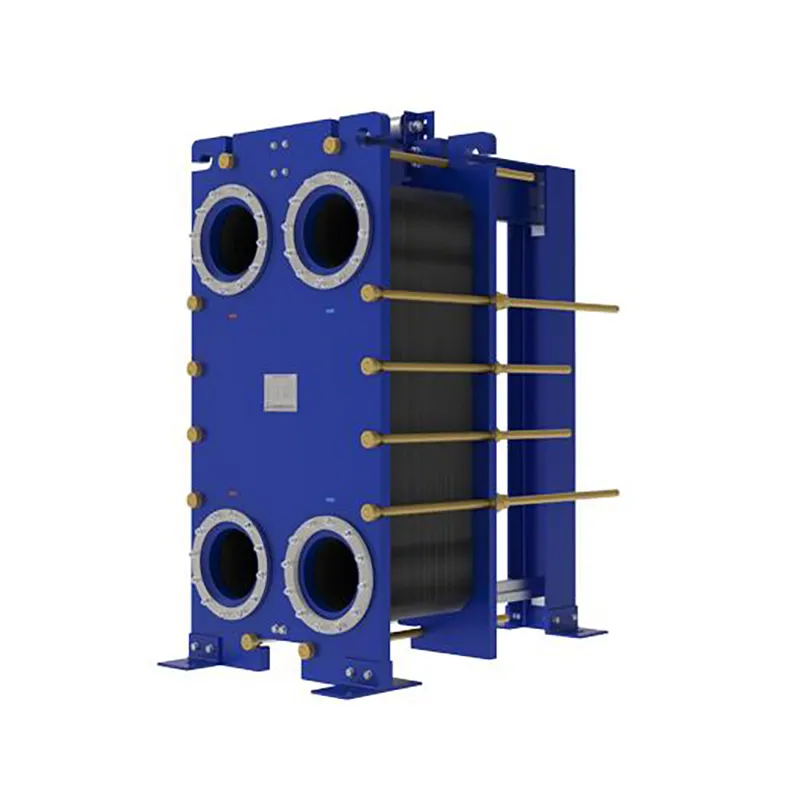
The working principle relies on two separate fluid circuits: the process side and the cooling water side. In a gasketed plate heat exchanger, corrugated plates create turbulent flow, enhancing heat transfer while keeping the streams isolated. The cooling water circulates in a closed loop, often passing through a chiller or radiator before returning to the exchanger. This setup is ideal for applications where water quality varies or where process fluids must remain uncontaminated.
For example, in a chemical plant cooling a reactor jacket, a closed cooling water heat exchanger can maintain outlet temperatures within ±1°C of the setpoint. The plate pack can be expanded or reduced by adding or removing plates, offering flexibility for future capacity changes. Typical operating pressures range from 6 to 25 bar, with temperatures up to 180°C for gasketed units and higher for welded variants.
What Are the Key Features and Typical Parameter Ranges?
When evaluating a closed cooling water heat exchanger, consider these common specifications:
- Heat transfer area: 1–500 m² per unit
- Design pressure: up to 30 bar (gasketed) or 100 bar (welded)
- Operating temperature: -20°C to 200°C (gasketed), up to 600°C (welded)
- Flow rate range: 5–800 m³/h depending on port size
- Materials: stainless steel 304/316L, titanium, or Hastelloy for corrosive media
- Connection sizes: DN25 to DN300
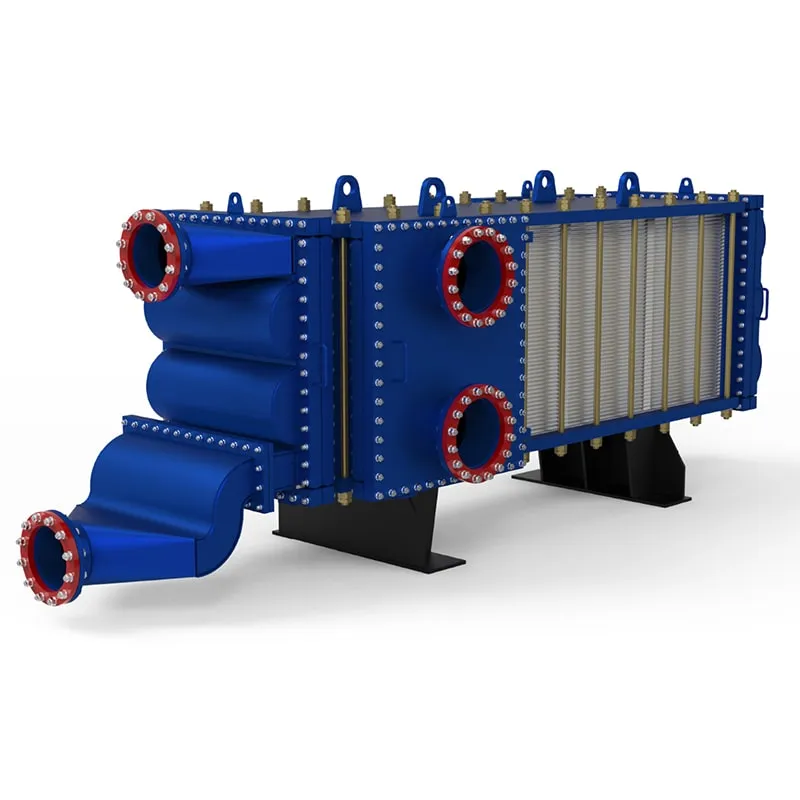
These parameters make plate heat exchangers suitable for most industrial cooling duties. For high-fouling fluids, a wide gap welded plate heat exchanger can handle particles up to 5 mm without clogging. SHPHE offers free thermal design and selection services to match your specific process conditions.
Applications and Recommended Solutions for Closed Cooling Systems
Closed cooling water heat exchangers are used across many industries. In power plants, they cool generator stator windings and lubricating oil. In food and beverage processing, they chill product streams without cross-contamination. In HVAC systems, they provide efficient heat rejection for large buildings. For each application, the plate heat exchanger type must match the fluid properties and operating conditions.
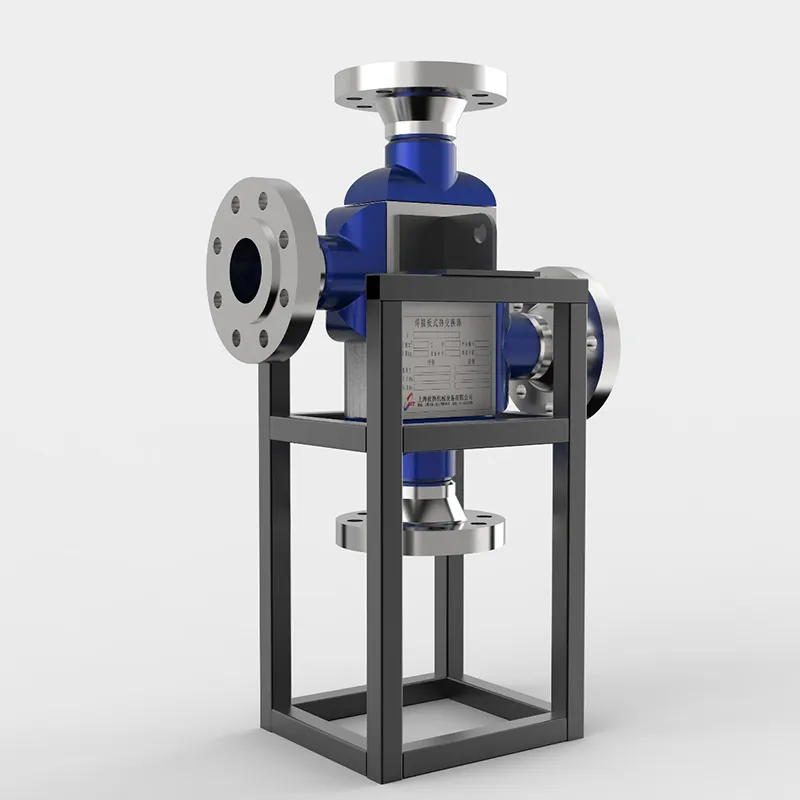
For standard cooling duties, a gasketed plate heat exchanger offers easy maintenance and low cost. When higher temperatures or pressures are involved, a welded plate heat exchanger provides leak-free operation. For fluids with large particles, a wide gap welded plate heat exchanger is a reliable alternative to traditional shell-and-tube units.
Why Choose SHPHE for Your Closed Cooling Water Heat Exchanger Needs?
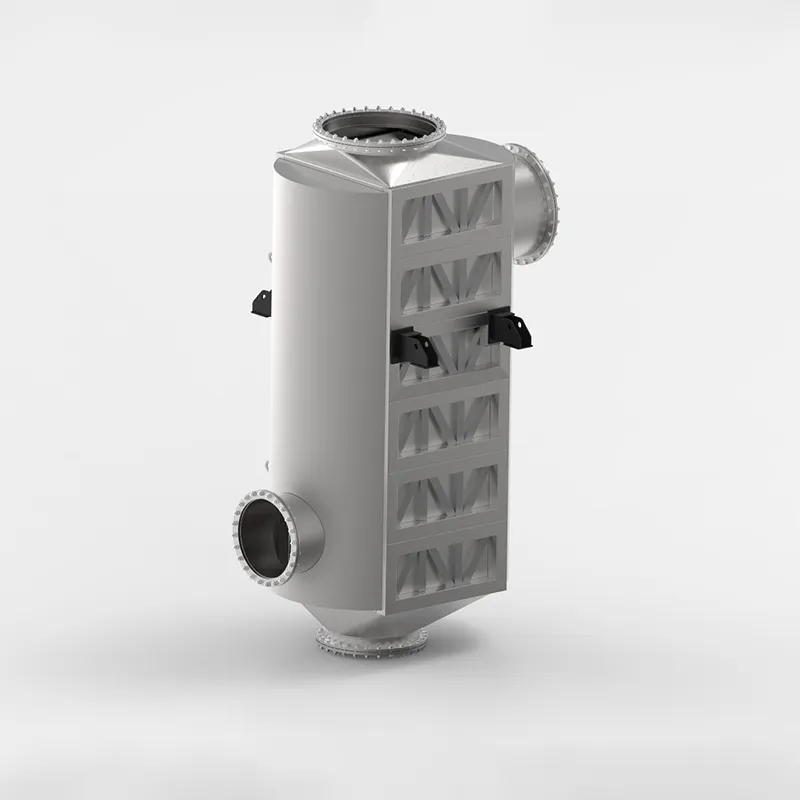
SHPHE, founded in 2005 in Shanghai, has grown into a trusted plate heat exchanger manufacturer serving over 20 countries. Our ISO9001 and ASME U certified facilities produce a wide range of products, including HT-Bloc welded plate heat exchangers, TP welded units, gasketed models, printed circuit heat exchangers (PCHE), plate air preheaters, and pillow plates. Each closed cooling water heat exchanger is engineered for long service life and minimal energy loss.
We offer free thermal design and selection services to help you find the optimal configuration. Our team can recommend a solution that is compatible with existing systems or serve as a cost-effective alternative to brands like Alfa Laval or GEA. Whether you need a compact unit for a skid-mounted system or a large exchanger for a refinery, SHPHE delivers on time and within budget.
Frequently Asked Questions About Closed Cooling Water Heat Exchangers
Q1: What is the typical lifespan of a closed cooling water heat exchanger?
With proper maintenance, a plate heat exchanger can last 15–25 years. Gasketed units may require gasket replacement every 3–5 years, while welded units need less frequent servicing. Regular cleaning and water quality monitoring extend the equipment life significantly.
Q2: Can a closed cooling water heat exchanger handle corrosive fluids?
Yes. Materials like titanium, Hastelloy, and stainless steel 316L are commonly used for corrosive media. SHPHE can customize plate materials and gasket compounds to resist acids, alkalis, or seawater. Always provide fluid composition data for accurate material selection.
Q3: How do I size a closed cooling water heat exchanger for my process?
Sizing requires flow rates, inlet and outlet temperatures, and allowable pressure drop. SHPHE offers free thermal design services. Typically, a 10–20% safety margin is added to the calculated area to account for fouling. Contact us with your process parameters for a recommendation.
Q4: What is the difference between a gasketed and a welded plate heat exchanger?
Gasketed units use elastomer seals between plates, allowing easy disassembly for cleaning. Welded units have permanently joined plates, offering higher pressure and temperature limits with no gasket leaks. Welded types are better for aggressive fluids or high-temperature applications.
Q5: Can I use a closed cooling water heat exchanger with glycol mixtures?
Absolutely. Glycol-water mixtures are common in closed loops for freeze protection. The heat exchanger must be sized for the reduced heat transfer coefficient of glycol. SHPHE can adjust plate patterns and flow paths to maintain efficiency with up to 50% glycol concentration.
Q6: How does a closed cooling water heat exchanger compare to an open cooling tower?
A closed system prevents water evaporation and contamination, reducing makeup water needs by up to 90%. It also protects process equipment from scale and biological growth. While initial cost may be higher, the long-term savings in water treatment and maintenance often justify the investment.
Request a Quote for Your Closed Cooling Water Heat Exchanger
To get a precise recommendation for your closed cooling water heat exchanger, please provide the following details: flow rate (m³/h), inlet and outlet temperatures (°C), operating pressure (bar), and fluid media (including any corrosive or fouling components). SHPHE will perform a free thermal design and deliver a proposal within 48 hours. Our team is ready to help you optimize your cooling system with a reliable, cost-effective plate heat exchanger solution.

 English EN





User Comments
Service Experience Sharing from Real Customers
Mike
Maintenance SupervisorWe swapped out our old shell-and-tube unit for this closed cooling water heat exchanger six months ago. The fouling factor is way down, and the pressure drop is stable even after running full load through summer. Installation was straightforward, and our techs appreciated the accessible tube bundle. No leaks, no scaling headaches so far.
Sarah
Facility EngineerHad to replace a corroded unit in our data center cooling loop. This exchanger fit the footprint perfectly and the stainless steel plates seem built to last. Performance is solid—keeps our process water at 32°C even on the hottest days. Only minor gripe: the gasket kit was a bit tricky to source locally, but the supplier helped.
Tom
Plant OperatorBeen running this closed cooling water heat exchanger for eight months now in our refinery's compressor cooling circuit. The titanium plates handle the brackish cooling water like a champ—no pitting or crevice corrosion. Cleaning intervals are longer than our previous unit, and the thermal efficiency hasn't dropped. Worth every penny.
Emma
Process EngineerWe installed this for a pharmaceutical batch reactor cooling loop. The compact design saved us floor space and the material certs were clean for cGMP compliance. Heat transfer is consistent, and the low approach temperature helps with our tight process control. Only reason for 4 stars—the manual could be clearer on torque specs for reassembly.