Optimizing Thermal Management with a Fermentation Cooling Heat Exchanger
In industrial fermentation processes—whether for brewing, bioethanol, or pharmaceutical production—precise temperature control is critical to yield and product quality. A fermentation cooling heat exchanger is the core component that removes metabolic heat and maintains optimal broth temperature. This article examines how plate heat exchangers, particularly welded and gasketed designs from SHPHE, deliver reliable, efficient cooling for batch and continuous fermenters. We cover working principles, typical parameters, application-specific recommendations, and answer common buyer questions.
What Is a Fermentation Cooling Heat Exchanger and Why Does It Matter?
A fermentation cooling heat exchanger is a thermal device that transfers heat from the fermenting liquid (wort, mash, or broth) to a cooling medium—typically chilled water, glycol, or brine. Without effective cooling, exothermic reactions can raise temperatures beyond the tolerance of yeast or bacteria, leading to off-flavors, reduced yields, or batch failure.
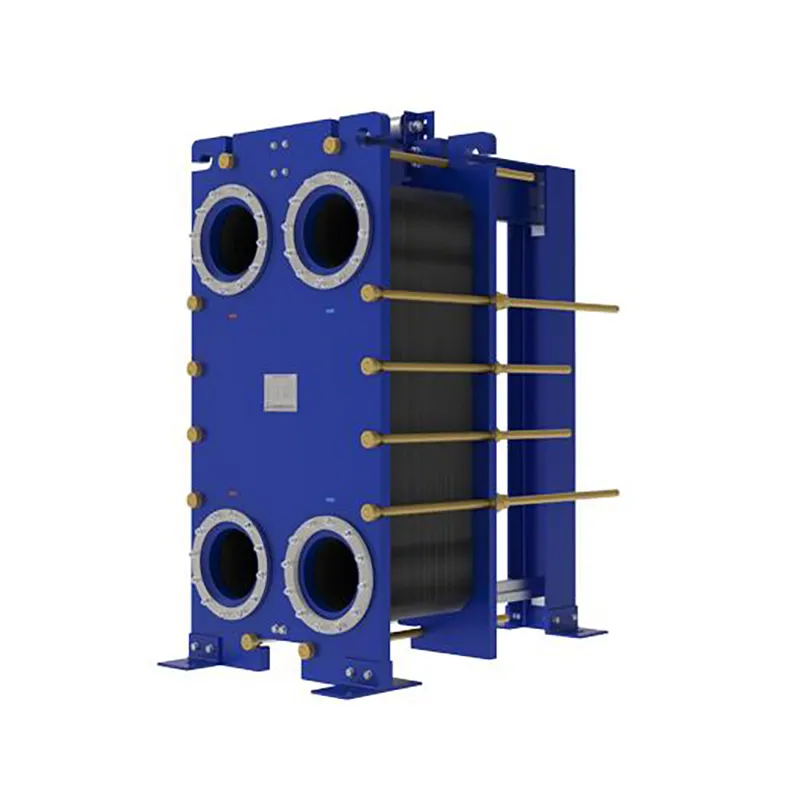
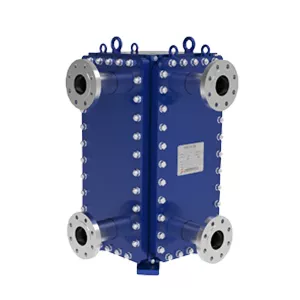
Plate heat exchangers have become the preferred solution because they offer high heat transfer coefficients in a compact footprint. Compared to shell-and-tube units, plate designs reduce approach temperatures and allow easier cleaning. For fermentation duty, both gasketed and fully welded plate exchangers are widely used, depending on pressure, temperature, and media compatibility.
How Does a Plate Heat Exchanger Work in Fermentation Cooling?
In a typical setup, the hot fermentation broth flows on one side of the plate pack, while the coolant flows counter-currently on the other side. The corrugated plate pattern creates turbulence, which significantly enhances heat transfer. The exchanger can be installed as a side-stream loop, where broth is continuously pumped through the unit and back to the fermenter, or as a direct jacket-integrated design.
Key process parameters include:
- Fermentation temperature range: typically 15–40 °C (59–104 °F), with some thermophilic strains up to 60 °C.
- Coolant inlet temperature: 2–10 °C for glycol systems; 5–15 °C for chilled water.
- Flow rates: 10–500 m³/h depending on fermenter volume and heat load.
- Pressure drop: usually limited to 0.5–1.5 bar to avoid stressing pumps and seals.
- Heat load: 50 kW to several MW per fermenter.
SHPHE offers free thermal design and selection service to match these parameters precisely, ensuring the right plate count, channel arrangement, and material choice.
Key Features of a Reliable Fermentation Cooling Heat Exchanger
When selecting a heat exchanger for fermentation duty, engineers should evaluate the following features:
- High thermal efficiency – Plate designs achieve U-values of 3000–7000 W/m²·K for water-like fluids, reducing required surface area.
- Sanitary design – 316L stainless steel plates, crevice-free gaskets, and full drainability prevent microbial buildup.
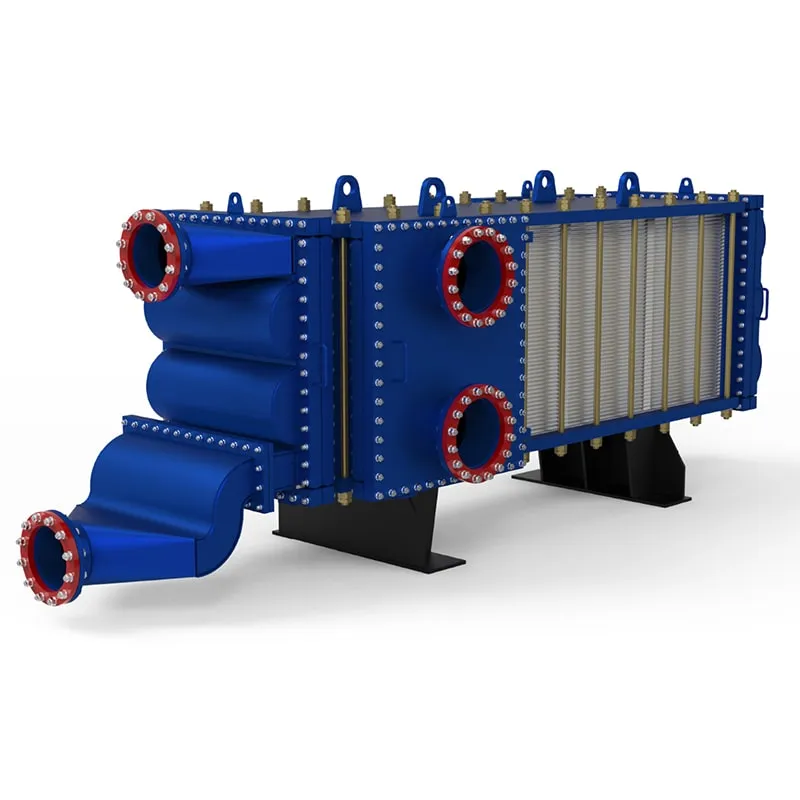
- Wide gap options – For broths containing solids or fibrous material, wide gap welded plates allow passage of particles up to 10–15 mm without clogging.
- Pressure and temperature resilience – Fully welded units can handle up to 40 bar and 350 °C, while gasketed designs are suitable up to 25 bar and 180 °C.
- Compact footprint – A plate exchanger occupies 30–50% less floor space than an equivalent shell-and-tube unit.
SHPHE’s product lines—including TP Welded Plate Heat Exchangers and Gasketed Plate Heat Exchangers—offer these features with ISO9001 and ASME U certification.
What Are the Typical Applications for a Fermentation Cooling Heat Exchanger?
Fermentation cooling heat exchangers are used across multiple industries:
- Breweries and distilleries – Cooling wort after boiling and controlling fermentation temperature in conical tanks. Typical flow rates: 20–100 m³/h.
- Bioethanol plants – Large-scale continuous fermentation requires exchangers handling 200–500 m³/h with heat loads above 2 MW.
- Pharmaceutical fermentation – Strict sanitary requirements demand 316L or Hastelloy plates with electropolished surfaces.
- Wastewater treatment – Anaerobic digesters produce biogas; cooling exchangers maintain mesophilic (35–38 °C) or thermophilic (50–55 °C) conditions.
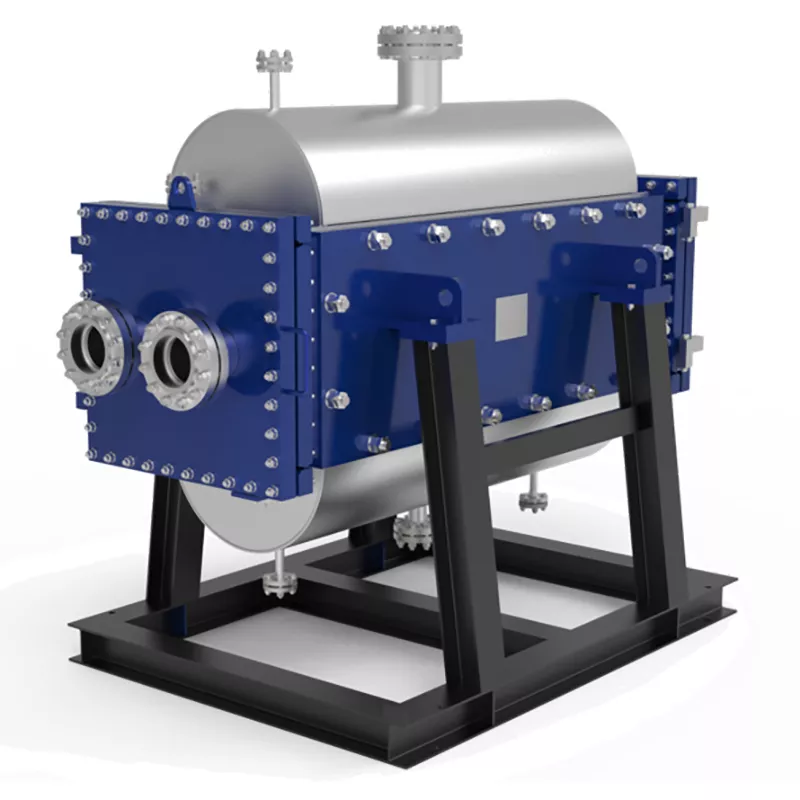
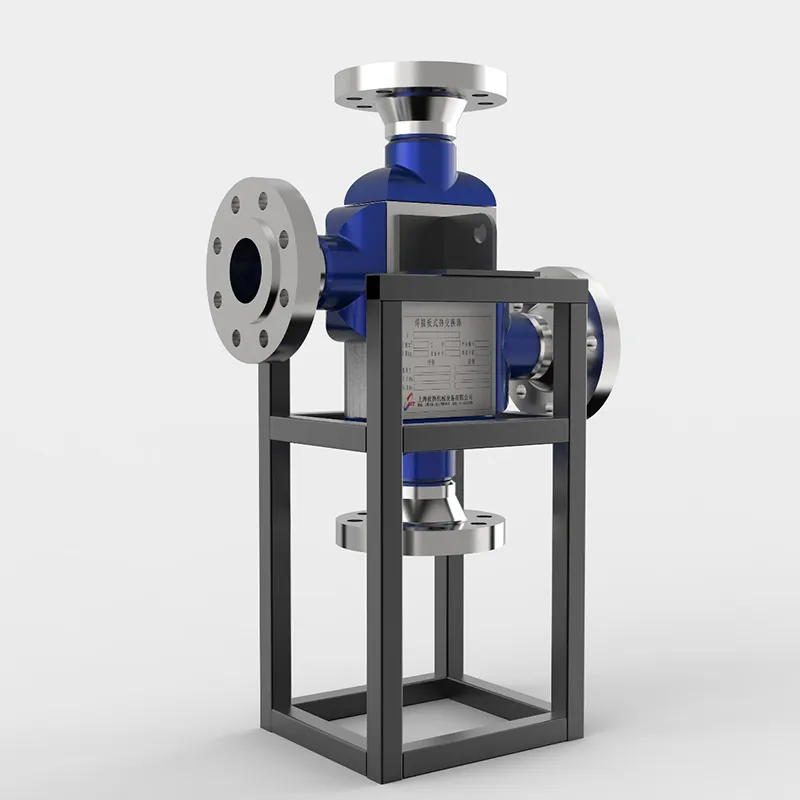
For each application, SHPHE recommends a specific plate type. For example, the Wide Gap Welded Plate Heat Exchanger is ideal for media with suspended solids, while the HT-Bloc Welded Plate Heat Exchanger suits high-temperature or high-pressure duties.
Why Choose SHPHE for Your Fermentation Cooling Heat Exchanger?
SHPHE is a Shanghai-based plate heat exchanger manufacturer founded in 2005, exporting to more than 20 countries. The company holds ISO9001 and ASME U certifications, ensuring every unit meets international quality standards. SHPHE’s product portfolio includes:
- HT-Bloc / TP Welded Plate Heat Exchangers
- Wide Gap Welded Plate Heat Exchangers
- Gasketed Plate Heat Exchangers
- Printed Circuit Heat Exchangers (PCHE)
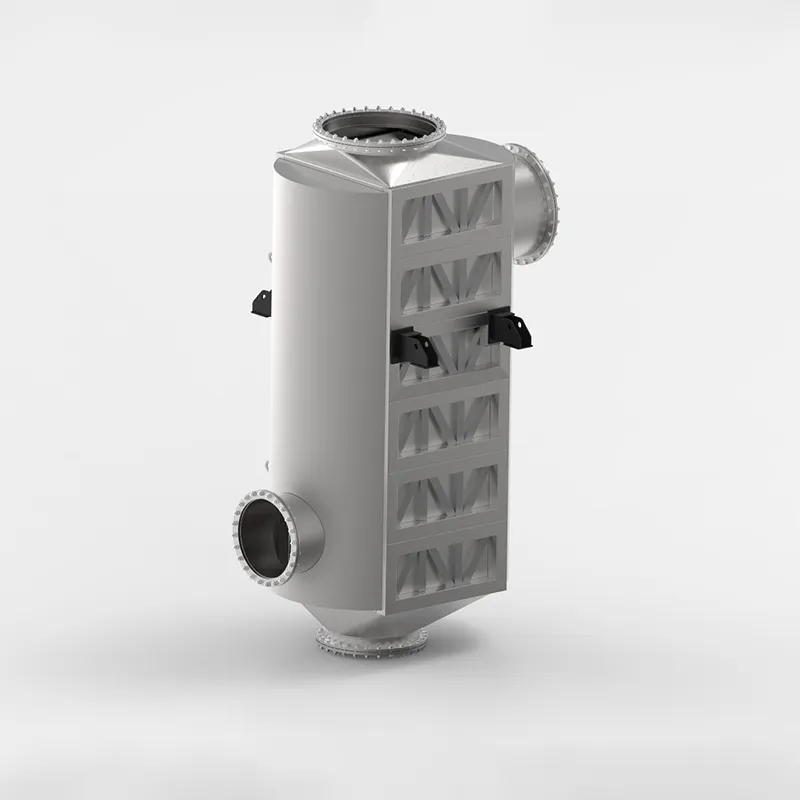
- Plate Air Preheaters
- Pillow Plates
SHPHE offers free thermal design and selection service, helping buyers specify the correct plate material, gasket type, and channel configuration. The company’s exchangers are compatible with major brands such as Alfa Laval, Compabloc, and GEA, making them a reliable alternative for retrofit or new installations.
For fermentation cooling, SHPHE’s custom-engineered pillow plates can also be used as internal fermenter cooling panels, providing direct heat transfer without an external loop.
Frequently Asked Questions About Fermentation Cooling Heat Exchangers
Can a gasketed plate heat exchanger handle fermentation broth with yeast cells?
Yes, but only if the broth is free of large particles. Yeast cells (5–10 µm) pass through standard plate gaps without issue. For broths containing hops, grain husks, or other solids, a wide gap welded plate exchanger is recommended to prevent clogging and reduce cleaning frequency.
What is the typical temperature approach for a fermentation cooling heat exchanger?
A well-designed plate exchanger can achieve a temperature approach of 2–5 °C between the broth outlet and coolant inlet. For example, if coolant enters at 4 °C, the broth can be cooled to 6–9 °C. Closer approaches require more plates and higher pressure drop.
How often should a fermentation cooling heat exchanger be cleaned?
Cleaning frequency depends on broth composition and operating hours. In breweries, CIP (clean-in-place) is typically performed every 1–2 weeks. For bioethanol plants with continuous operation, monthly cleaning is common. Gasketed units allow easy plate access for mechanical cleaning, while welded units rely on chemical CIP.
Is a fully welded plate heat exchanger better than a gasketed one for fermentation?
It depends on the application. Fully welded exchangers eliminate gasket leaks and can handle higher pressures and temperatures, making them suitable for sterile processes. Gasketed units are easier to clean and expand, and they cost less initially. For most brewery applications, gasketed designs are sufficient; for pharmaceutical or high-pressure bioethanol, welded is preferred.
What materials are used for plates in a fermentation cooling heat exchanger?
316L stainless steel is the standard for fermentation due to its corrosion resistance and cleanability. For aggressive media or high chloride content, 904L or titanium may be specified. Gaskets are typically EPDM (for water/glycol) or HNBR (for higher temperature or oil-containing media).
Can SHPHE provide a heat exchanger compatible with my existing Alfa Laval or GEA unit?
Yes, SHPHE designs replacement plate packs and complete units that are compatible with major brands. The company uses the same port centers, plate patterns, and gasket profiles to ensure drop-in replacement without piping modifications.
Request a Quote for Your Fermentation Cooling Heat Exchanger
Selecting the right fermentation cooling heat exchanger requires accurate process data. To receive a tailored thermal design and quotation, please provide the following details:
- Flow rate of fermentation broth (m³/h or L/min)
- Inlet and desired outlet temperature of broth (°C)
- Coolant type (chilled water, glycol, brine) and its available inlet temperature
- Allowable pressure drop on both sides (bar)
- Media composition (e.g., presence of solids, yeast, hops, or aggressive chemicals)
SHPHE’s engineering team will respond with a recommended plate configuration, material selection, and estimated dimensions. With over 15 years of experience and thousands of units installed globally, SHPHE is a trusted partner for optimizing thermal management in fermentation processes.
Whether you are upgrading an existing line or designing a new plant, a properly specified fermentation cooling heat exchanger will improve yield, reduce energy consumption, and ensure consistent product quality.

 English EN





User Comments
Service Experience Sharing from Real Customers
mike_r
Brewery Operations ManagerWe’ve been using this cooling heat exchanger for our lager fermentation tanks for about three months now. The temperature control is spot-on—no more hot spots or sluggish ferments. Cleans up way easier than our old plate unit. Absolutely worth the investment for any mid-sized brewery.
sarah_k
Fermentation ScientistI was skeptical about switching from a glycol jacket setup, but this exchanger integrates seamlessly with our existing loop. The cooling capacity is impressive for its footprint. Only gave 4 stars because the gaskets took a bit of fiddling to seat perfectly on installation day. Otherwise, solid performance for precision work.
tom_w
Head DistillerRunning a small craft distillery means every piece of gear has to pull double duty. This heat exchanger handles our wash fermentation cooling like a champ and doesn’t clog up with solids like the old shell-and-tube did. The stainless build feels bombproof. Highly recommend for anyone doing grain-to-glass.
emily_j
Plant EngineerWe retrofitted this into a dairy fermentation line that was overheating during summer peaks. It dropped our cooling time by nearly 30% compared to the previous setup. Very low pressure drop, which our pumps appreciate. Two months in, zero leaks or fouling issues. Solid engineering.