The Essential Role of a Cooling Tower Isolation Heat Exchanger in Industrial Systems
In many industrial cooling systems, a cooling tower isolation heat exchanger serves as a critical barrier between the open cooling tower loop and sensitive process equipment. By preventing direct contact between potentially contaminated tower water and valuable machinery, this component reduces fouling, corrosion, and maintenance downtime. For process engineers and purchasing managers evaluating thermal management solutions, understanding the design, performance parameters, and selection criteria of these heat exchangers is essential for reliable plant operation.
What Is a Cooling Tower Isolation Heat Exchanger and Why Do You Need One?
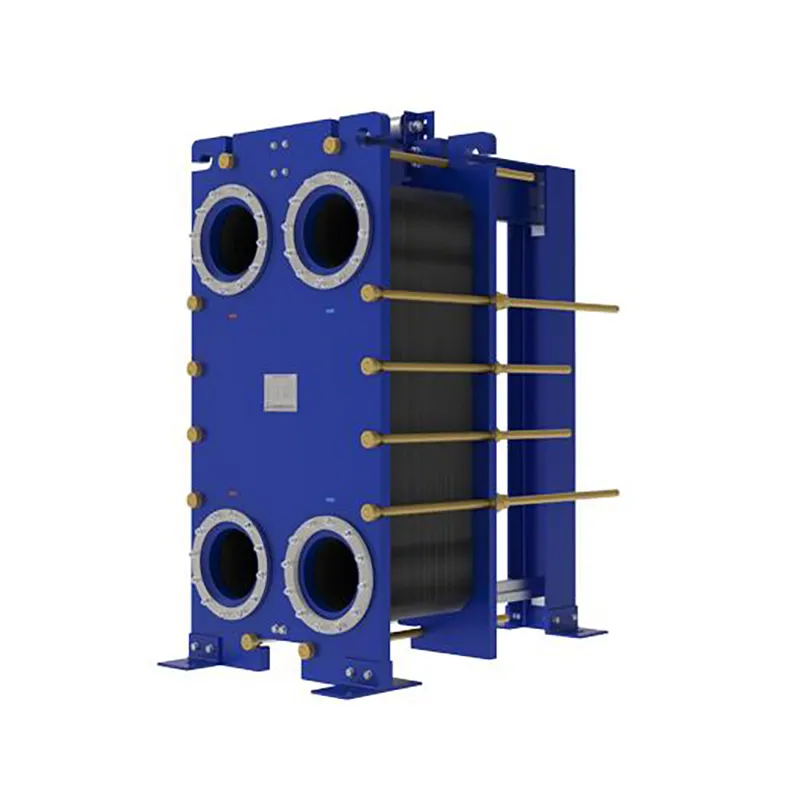
A cooling tower isolation heat exchanger is a plate-type heat exchanger installed between the cooling tower water loop and the process fluid loop. Its main job is to transfer heat from the process fluid to the tower water without mixing the two streams. This setup protects your chillers, compressors, or other sensitive equipment from debris, scale, and biological growth that often circulate in open cooling towers.
Without an isolation heat exchanger, you risk frequent cleaning, higher energy consumption, and premature equipment failure. Many plants also use this configuration to maintain a closed-loop system on the process side, which improves water treatment control and reduces chemical usage.
How Does a Cooling Tower Isolation Heat Exchanger Work in Practice?
In a typical setup, warm process fluid enters the heat exchanger on one side, while cooler water from the cooling tower flows on the other side. The two streams pass through alternating plate channels, allowing heat to transfer through the thin metal plates. The isolation heat exchanger ensures that even if the tower water carries dirt or microorganisms, those contaminants never reach your process loop.
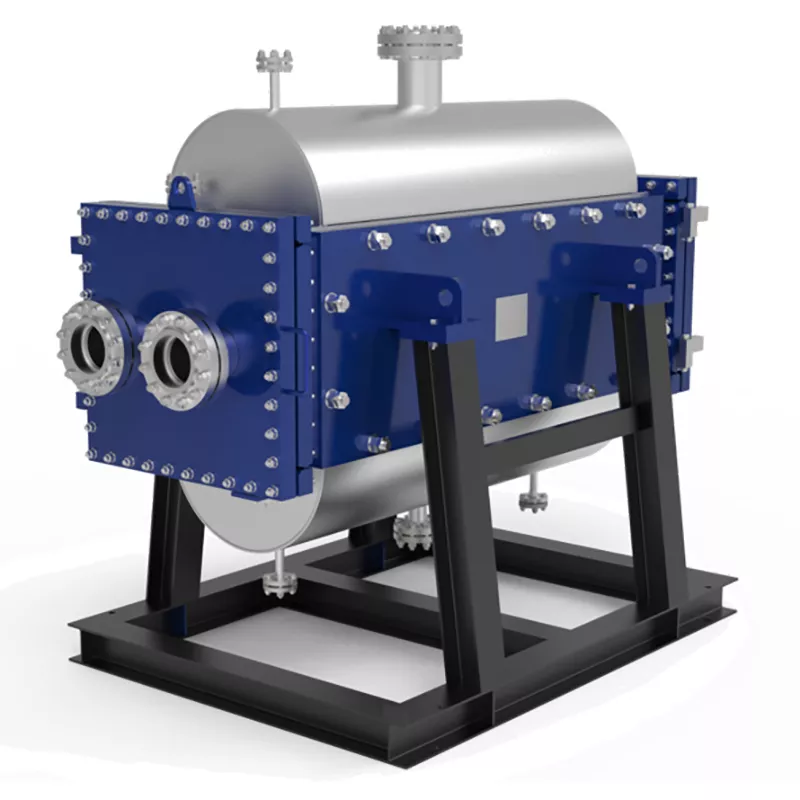
This design is especially common in HVAC systems, chemical processing, and power generation. For example, a plant using a gasketed plate heat exchanger as the isolation unit can easily open the unit for inspection and cleaning, which is a practical advantage when dealing with tower water that may contain suspended solids.
Key Features and Typical Parameter Ranges for Isolation Heat Exchangers
When selecting a cooling tower isolation heat exchanger, you need to match the design to your operating conditions. Below are common parameters found in industrial applications:
- Operating pressure: Typically 150–300 psi (10–20 bar) for gasketed designs; higher for welded variants.
- Temperature range: From 32°F to 350°F (0°C to 175°C), depending on gasket material.
- Flow capacity: Single units can handle from 10 gpm to over 5,000 gpm.
- Plate material: Stainless steel 304/316 is standard; titanium or Hastelloy for corrosive fluids.
- Gasket options: NBR, EPDM, or Viton to suit water, glycol, or chemical media.
- Connection sizes: 1 inch to 12 inches, flanged or threaded.
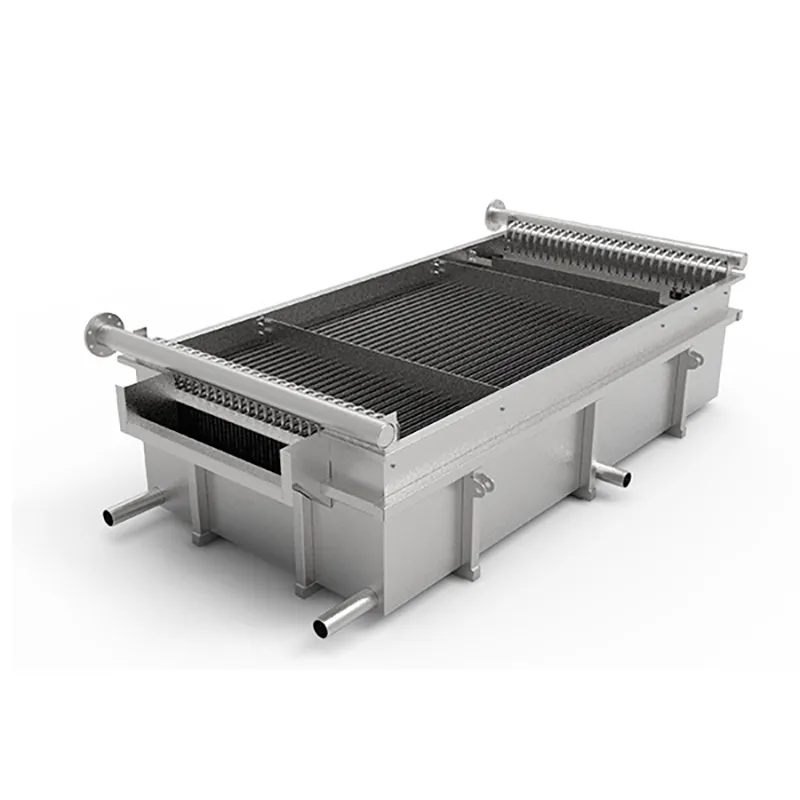
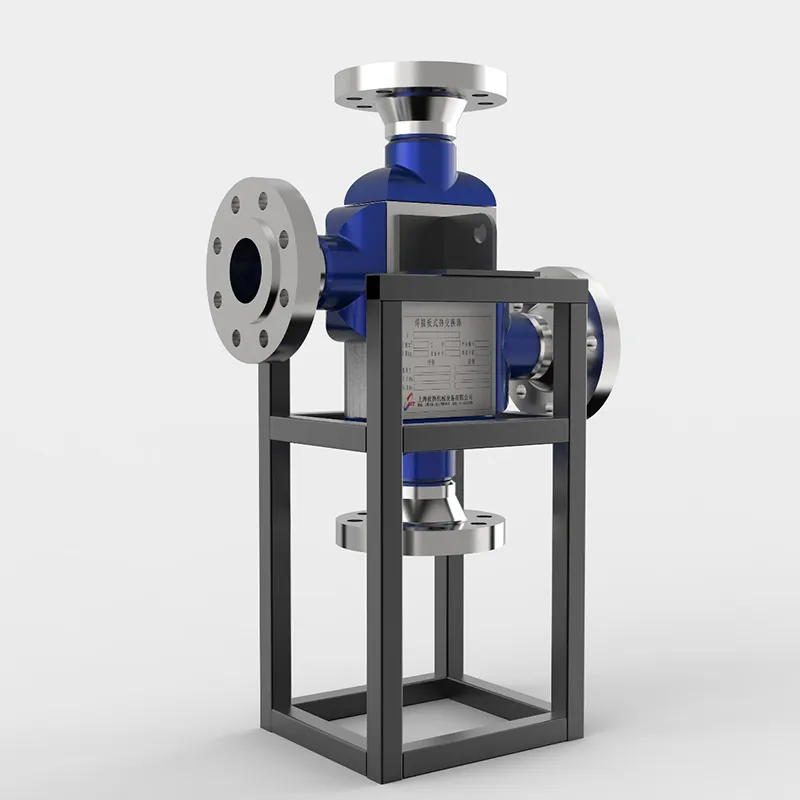
These ranges cover most industrial cooling tower isolation duties. For extreme conditions, a TP welded plate heat exchanger offers higher pressure and temperature tolerance without gaskets.
What Are the Main Applications for a Cooling Tower Isolation Heat Exchanger?
Cooling tower isolation heat exchangers are used across many industries. Common applications include:
- HVAC systems: Isolating chillers from cooling tower water to reduce fouling and maintain efficiency.
- Chemical processing: Protecting reactors and heat-sensitive equipment from tower water contamination.
- Power plants: Cooling turbine lube oil or generator hydrogen coolers with a clean closed loop.
- Food and beverage: Maintaining hygienic conditions by separating process water from utility water.
- Data centers: Ensuring reliable cooling for servers without introducing debris from outdoor towers.
In each case, the isolation heat exchanger acts as a safeguard, allowing the cooling tower to operate with less stringent water quality while keeping the process loop clean.
Why Choose SHPHE for Your Cooling Tower Isolation Heat Exchanger?
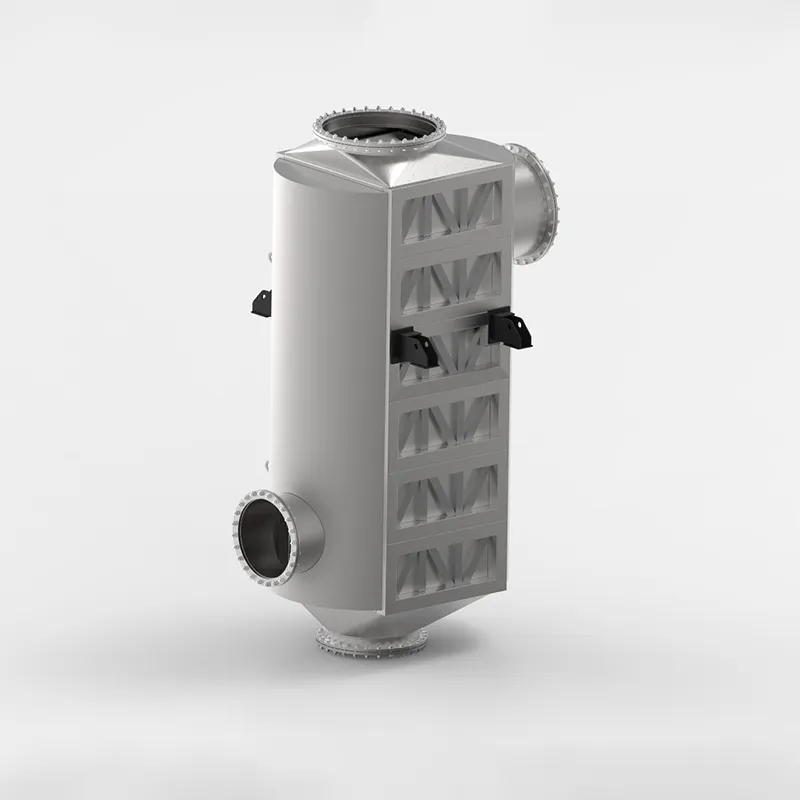
SHPHE is a Shanghai-based plate heat exchanger manufacturer founded in 2005, with exports to over 20 countries. We hold ISO9001 and ASME U certifications, which means our designs meet international quality and safety standards. Our product lines include HT-Bloc welded plate heat exchangers, TP welded plate heat exchangers, wide gap welded plate heat exchangers, gasketed plate heat exchangers, PCHE, plate air preheaters, and pillow plates.
For cooling tower isolation duties, our wide gap welded plate heat exchanger is a strong choice when the tower water contains larger particles. We also offer free thermal design and selection service, so you get a unit sized exactly for your flow rate, temperature, and pressure conditions. Whether you need a replacement for an existing unit or a complete new system, SHPHE provides compatible alternatives to brands like Alfa Laval, Compabloc, or GEA.
Frequently Asked Questions About Cooling Tower Isolation Heat Exchangers
Q: Can I use a gasketed plate heat exchanger for cooling tower isolation?
Yes. Gasketed plate heat exchangers are a common and cost-effective choice for cooling tower isolation. They are easy to open for cleaning and can handle typical tower water conditions. Just ensure the gasket material is compatible with any chemicals used in water treatment.
Q: What is the typical pressure drop across an isolation heat exchanger?
Pressure drop depends on flow rate, plate design, and fluid properties. For most industrial applications, a well-designed unit will have a pressure drop between 5 and 15 psi per side. Your supplier should provide this data during the selection process.
Q: How often should I clean a cooling tower isolation heat exchanger?
Cleaning frequency depends on tower water quality. In many plants, a yearly inspection and cleaning is sufficient. If you notice a rise in approach temperature or pressure drop, it may be time to clean. Using a wide gap design can extend intervals when debris is present.
Q: Can I retrofit an existing cooling tower system with an isolation heat exchanger?
Yes. Retrofitting is common and usually straightforward. You need to install the heat exchanger between the tower water loop and the process loop. SHPHE can help with thermal design and piping recommendations to minimize system changes.
Q: What is the difference between a welded and gasketed isolation heat exchanger?
Welded units have no gaskets, so they can handle higher pressures and temperatures. They are also more resistant to chemical attack. Gasketed units are easier to maintain and less expensive upfront. Your choice depends on your specific operating conditions and maintenance preferences.
Q: Does SHPHE offer thermal design support for isolation heat exchangers?
Yes. SHPHE provides free thermal design and selection service. We will calculate the required surface area, plate count, and connection sizes based on your flow rates, temperatures, and fluid properties. This ensures you get an optimized unit for your cooling tower isolation application.
Request a Quote for Your Cooling Tower Isolation Heat Exchanger
Selecting the right cooling tower isolation heat exchanger depends on accurate process data. To get a properly sized and quoted unit, please provide the following details:
- Flow rate on both the process side and cooling tower side (gpm or m³/h)
- Inlet and outlet temperatures for both streams (°F or °C)
- Operating pressure (psi or bar)
- Fluid media (e.g., water, glycol, chemical name)
- Any special requirements (material, connection type, space constraints)
A well-chosen cooling tower isolation heat exchanger will protect your equipment, reduce maintenance, and improve overall system reliability. Contact SHPHE with your project parameters, and we will deliver a tailored solution that meets your needs.
Remember, a properly engineered cooling tower isolation heat exchanger is an investment in long-term operational efficiency. Share your flow rate, temperature, pressure, and media details with us today to get started.

 English EN





User Comments
Service Experience Sharing from Real Customers
Mike
Senior Plant EngineerWe installed this isolation heat exchanger on our main cooling tower loop about six months ago. The thermal performance has been rock solid even during peak summer loads. The ease of maintenance is a huge plus—our crew can isolate sections without shutting down the whole tower. Definitely worth the investment for any facility that needs uptime.
Sarah
HVAC TechnicianI've worked with a lot of different heat exchangers over the years, and this one stands out for its build quality. The isolation feature is a lifesaver when you're doing seasonal cleaning or repairs. Only gave it 4 stars because the initial mounting brackets were a bit fiddly for our setup, but once it was in, it worked flawlessly.
Tom
Facilities ManagerWe were having constant issues with our old setup—scale buildup and downtime every time we needed to clean the exchanger. This isolation design changed everything. Now I can schedule maintenance without affecting production. My team actually likes working on it because it's so straightforward. Highly recommend for industrial plants.
Jenna
Process EngineerFor a retrofit project at our data center cooling plant, this isolation heat exchanger ticked all the boxes. The pressure drop was lower than expected, which helped with our pump sizing. My only minor complaint is the documentation could be clearer for first-time installers, but the product itself performs exactly as advertised.