Optimizing Thermal Performance with a Blast Furnace Cooling Water Heat Exchanger
In blast furnace operations, managing cooling water temperature is critical to equipment longevity and process stability. A blast furnace cooling water heat exchanger removes excess heat from the circulating water loop, preventing scale buildup and thermal stress. This article explores how plate heat exchanger technology, particularly welded and gasketed designs, delivers reliable performance in demanding steel mill environments. We cover working principles, key parameters, application scenarios, and selection guidance for process engineers and procurement professionals.
What Is a Blast Furnace Cooling Water Heat Exchanger?
A blast furnace cooling water heat exchanger is a thermal management device that transfers heat from the furnace cooling water circuit to a secondary cooling medium, typically clean water or air. The primary goal is to maintain the cooling water temperature within a safe range—usually between 35°C and 55°C—to protect furnace refractory linings, tuyeres, and stave coolers. Without effective heat exchange, the cooling water temperature rises, leading to reduced heat transfer efficiency, increased scaling, and potential equipment failure. This equipment is a core component in integrated steel mills and mini-mills that rely on blast furnace ironmaking.
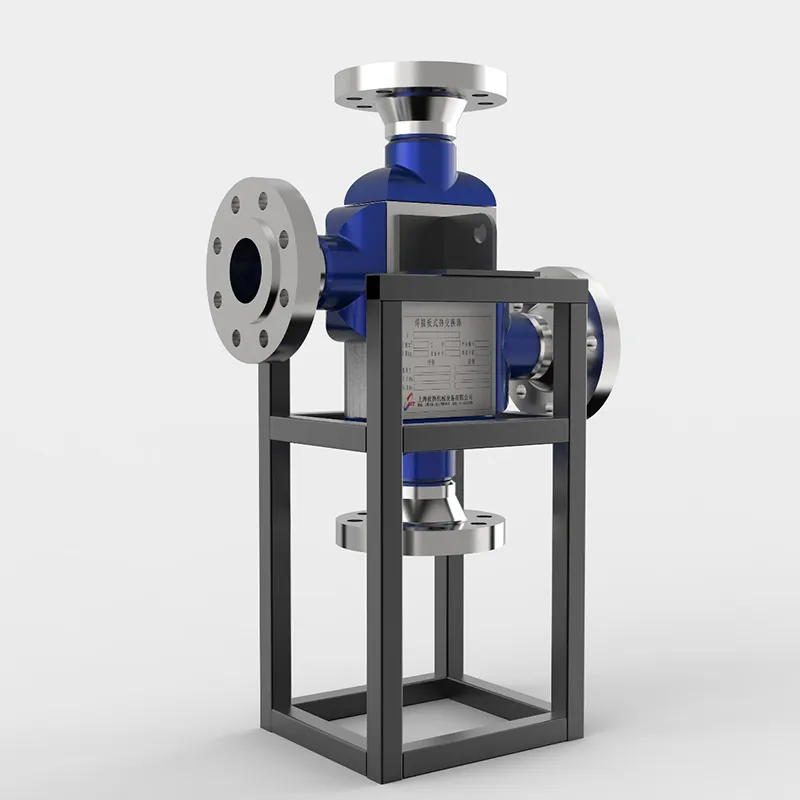
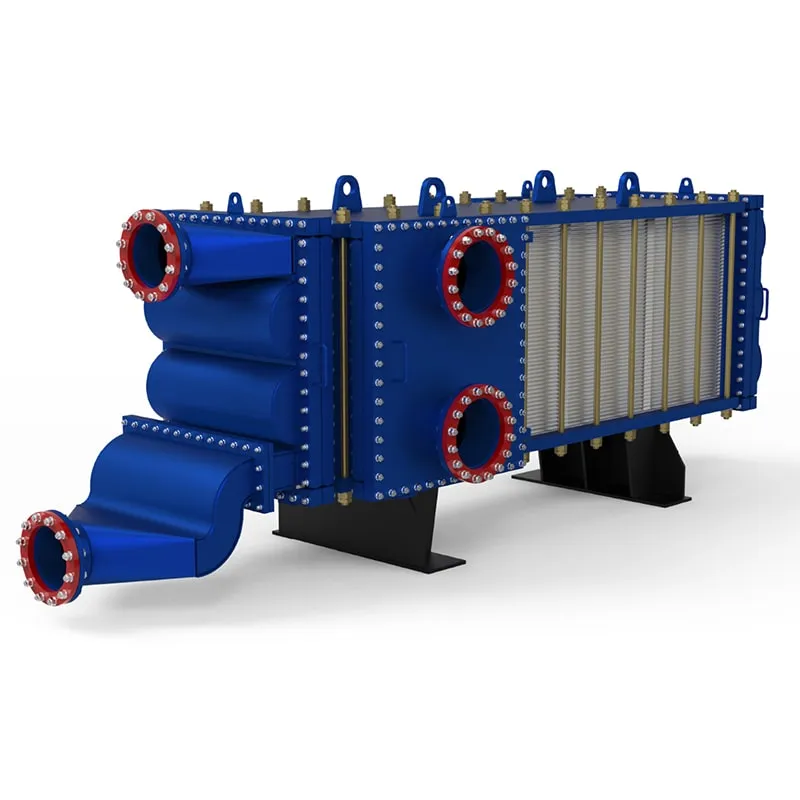
The cooling water loop in a blast furnace often contains suspended solids, debris, and occasional chemical residues. Therefore, the heat exchanger must be designed to handle fouling fluids while maintaining high thermal efficiency. Plate heat exchangers, especially welded plate designs, are increasingly preferred over traditional shell-and-tube units because they offer higher heat transfer coefficients, compact footprints, and easier maintenance. For more details on welded plate technology, see our HT-Bloc welded plate heat exchanger product page.
How Does It Work in a Blast Furnace Cooling Circuit?
In a typical blast furnace cooling system, water circulates through furnace staves, tuyeres, and other hot zones. The heated water returns to a heat exchanger where it releases heat to a secondary cooling loop. The secondary loop is often connected to a cooling tower or a closed-circuit chiller. The heat exchanger operates under a counter-flow or cross-flow arrangement, maximizing the temperature difference between the two fluids. For blast furnace applications, the primary side (furnace cooling water) may operate at pressures up to 10 bar and temperatures up to 80°C, while the secondary side runs at lower pressure and temperature.
Plate heat exchangers are particularly suited here because they can be configured with wide gaps or special corrugation patterns to handle dirty water. For instance, a wide gap welded plate heat exchanger allows particles up to 5 mm to pass through without clogging. This is a significant advantage over gasketed units, which may require frequent cleaning in high-fouling conditions. If your cooling water contains large debris, consider exploring our wide gap welded plate heat exchanger for a robust solution.
Key Features and Typical Parameter Ranges
When selecting a blast furnace cooling water heat exchanger, engineers focus on thermal performance, fouling resistance, and material compatibility. Below are common parameter ranges for plate heat exchangers used in this application:
- Heat transfer coefficient: 3,000–7,000 W/m²·K (depending on plate geometry and flow conditions)
- Design pressure: Up to 25 bar (standard range 6–16 bar for cooling water)
- Design temperature: -20°C to 200°C (typical operating range 30°C–90°C)
- Plate material: AISI 304 or 316L stainless steel (titanium for aggressive water chemistry)
- Gasket material: EPDM or NBR (for water and low-chemical exposure)
- Flow rate per unit: 50–500 m³/h (customizable for larger loops)
- Fouling factor: 0.0001–0.0005 m²·K/W (based on water quality)
These ranges are industry-generic and should be verified with a thermal design calculation for your specific operating conditions. For high-temperature or high-pressure applications, welded plate heat exchangers like the TP welded type offer better integrity than gasketed units. Learn more about the TP welded plate heat exchanger for demanding environments.
What Are the Common Applications in Steel Mills?
Blast furnace cooling water heat exchangers are used in several critical areas within a steel mill:
- Stave cooling: Removing heat from copper or cast iron staves that line the furnace shaft.
- Tuyere cooling: Protecting the tuyeres that inject hot air into the furnace.
- Bosh and hearth cooling: Managing temperatures in the lower furnace zones where molten iron accumulates.
- Closed-loop cooling systems: Isolating the furnace water from the main plant cooling tower to prevent contamination.
In each scenario, the heat exchanger must be sized to handle peak heat loads during furnace operation. For example, a typical blast furnace with a production capacity of 2,000 tons of hot metal per day may require a cooling water flow of 5,000–10,000 m³/h, distributed across multiple heat exchanger units. Plate heat exchangers can be arranged in parallel to achieve the required duty while maintaining a compact footprint. For applications requiring high temperature differentials, consider the printed circuit heat exchanger (PCHE) for extreme conditions.
Why Choose SHPHE for Your Blast Furnace Cooling Water Heat Exchanger?
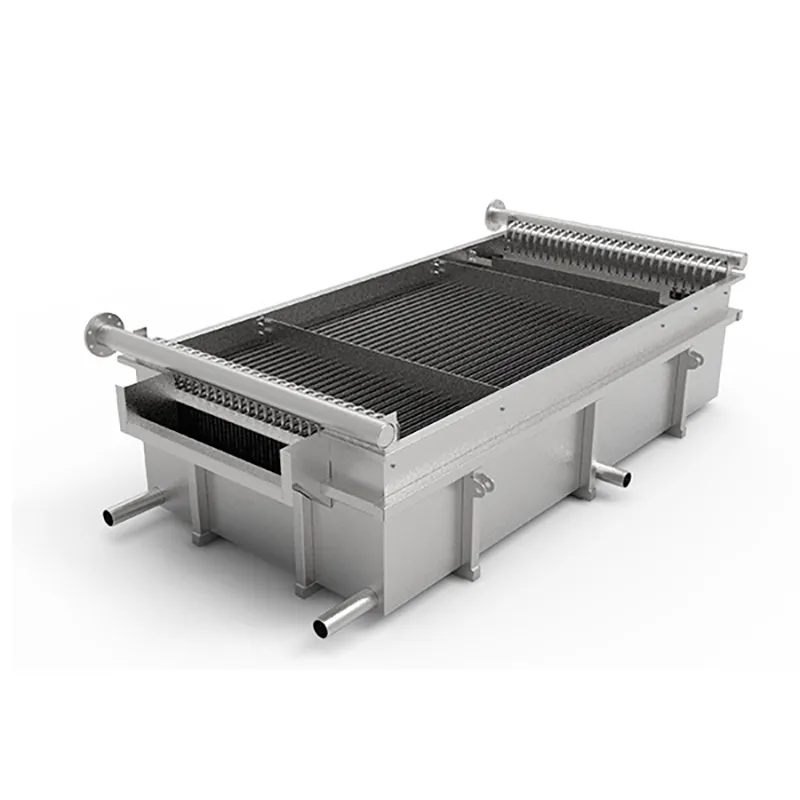
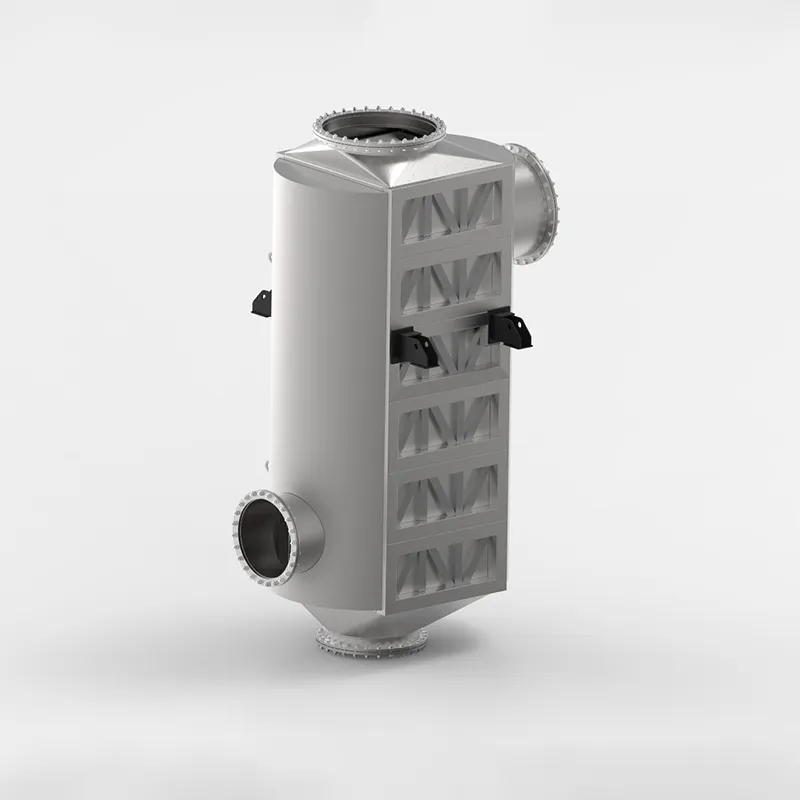
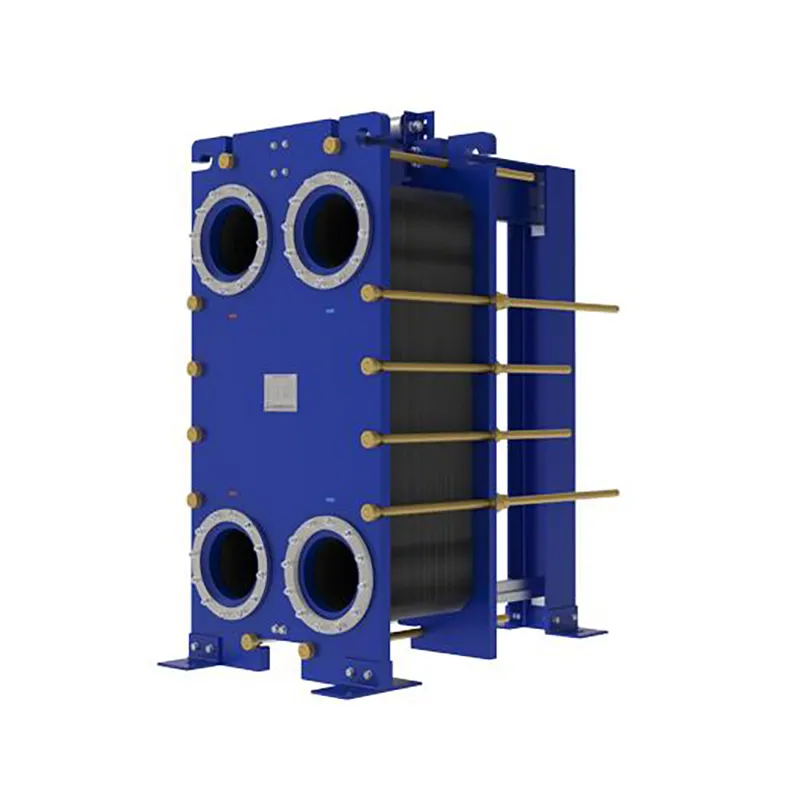
SHPHE is a Shanghai-based plate heat exchanger manufacturer with a track record since 2005. We export to over 20 countries and hold ISO9001 and ASME U certifications. Our product portfolio includes HT-Bloc and TP welded plate heat exchangers, wide gap welded units, gasketed plate heat exchangers, PCHE, plate air preheaters, and pillow plates. For blast furnace cooling water applications, we offer free thermal design and selection services to ensure the correct unit size and material choice.
Our welded plate heat exchangers are compatible with or serve as an alternative to brands like Alfa Laval, Compabloc, and GEA in many retrofit projects. We focus on delivering robust units that withstand thermal cycling and fouling. If you need a custom-engineered solution for your cooling water loop, our team can provide a detailed thermal calculation within 24 hours. For more on our pillow plate technology, visit our pillow plates product page.
Frequently Asked Questions
Q: What is the typical lifespan of a blast furnace cooling water heat exchanger?
A: With proper maintenance, a welded plate heat exchanger can last 15–20 years in blast furnace service. Gasketed units may require gasket replacement every 3–5 years but can also achieve similar longevity with regular cleaning.
Q: Can I use a gasketed plate heat exchanger for blast furnace cooling water?
A: Yes, but only if the water is relatively clean and free of large debris. For water with suspended solids above 100 ppm, a wide gap or welded design is recommended to reduce fouling and maintenance frequency.
Q: How do I size a heat exchanger for my blast furnace cooling loop?
A: Sizing requires knowing the cooling water flow rate, inlet and outlet temperatures, and the secondary cooling medium conditions. SHPHE offers free thermal design—just provide your process parameters, and we will recommend a suitable model.
Q: What materials are best for cooling water with high chloride content?
A: For chloride levels above 200 ppm, titanium plates are recommended to prevent pitting corrosion. Stainless steel 316L can handle up to 500 ppm in some cases, but a material analysis is advised.
Q: Is a welded plate heat exchanger better than a shell-and-tube for this application?
A: Generally yes, because plate heat exchangers offer higher thermal efficiency, a smaller footprint, and easier access for cleaning. Welded units eliminate gasket failure risks, making them more reliable in continuous steel mill operations.
Q: Can SHPHE provide a replacement for an existing Alfa Laval or GEA unit?
A: Yes, we design drop-in replacements that are compatible with existing piping and support structures. Our team can reverse-engineer the original unit based on your drawings or field measurements.
Request a Quote for Your Blast Furnace Cooling Water Heat Exchanger
To get an accurate thermal design and quotation, please provide the following details: flow rate (m³/h), inlet and outlet temperatures (°C), operating pressure (bar), cooling medium type (water, glycol, etc.), and any special requirements like material or connection size. Our engineering team will respond with a customized proposal within 48 hours. Contact SHPHE today to optimize your blast furnace cooling water heat exchanger performance and reduce your operational costs.

 English EN





User Comments
Service Experience Sharing from Real Customers
Marcus
Senior Process EngineerWe retrofitted our old blast furnace cooling loop with this exchanger six months ago. The thermal performance is rock solid even when we push the hot metal rate. Scaling on the water side has been way less than our old shell-and-tube. Saved us a ton on maintenance downtime.
Linda
Maintenance SupervisorHad a few hiccups with the gasket seating during initial install, but once we torqued it to spec, it's been running smooth. The cooling water delta T is exactly what we needed for the tuyere jackets. Would recommend getting the optional high-temp gasket kit if your furnace runs hot.
Tommy
Reliability EngineerThis heat exchanger solved our chronic fouling problem on the blast furnace stave cooling circuit. The plate design handles the dirty water way better than the old tubular units. We've seen a 15% improvement in heat transfer coefficient over the last quarter. No leaks, no plugging.
Priya
Shift ManagerWorks fine for the main cooling loop, but the pressure drop is a bit higher than the datasheet claimed when we run at full flow. We had to bump up the pump speed. Not a dealbreaker, but something to watch for if your existing pumps are marginal. Otherwise it's doing the job.