How Printed Circuit Heat Exchanger Solves High-Pressure Heat Transfer Challenges
Printed Circuit Heat Exchanger technology ensures safe, efficient, and reliable high-pressure heat transfer with compact design and superior mechanical integrity.
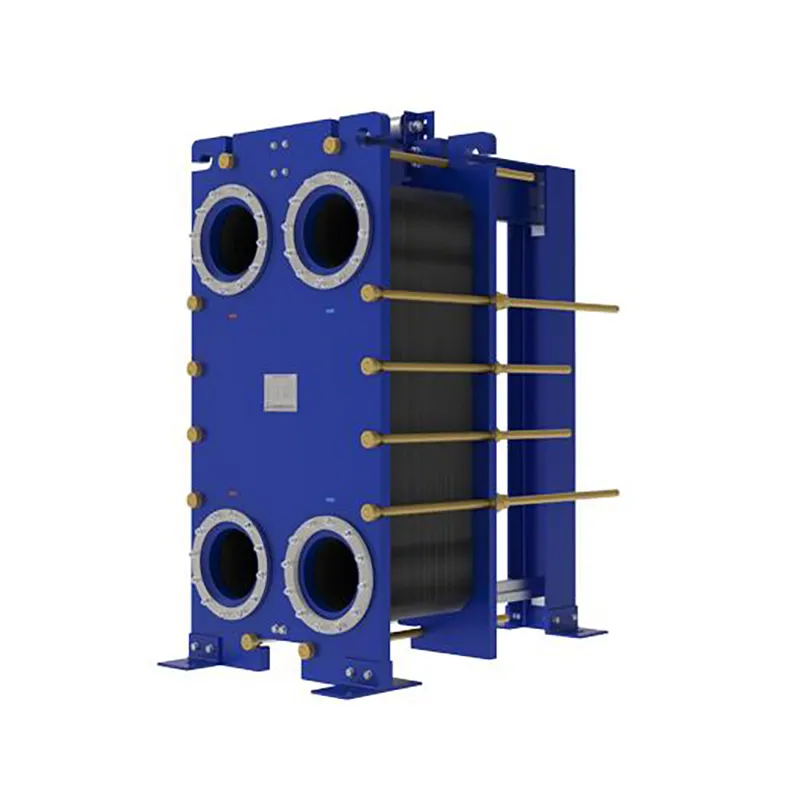
MoreWater to water plate heat exchangers deliver superior thermal efficiency by maximizing the surface area available for heat transfer between two fluid streams. The corrugated plate design creates turbulent flow, which significantly reduces thermal resistance and improves the overall heat transfer coefficient compared to traditional shell-and-tube units.
This enhanced performance allows industrial systems to achieve desired temperature changes with lower energy input. By recovering waste heat and minimizing temperature approach (as low as 1°C), these exchangers reduce fuel consumption and operational costs, directly contributing to sustainability goals.
The compact footprint further reduces piping and insulation requirements, lowering both capital and installation expenses. For facilities seeking to optimize energy usage without compromising throughput, this technology offers a proven path to higher efficiency.
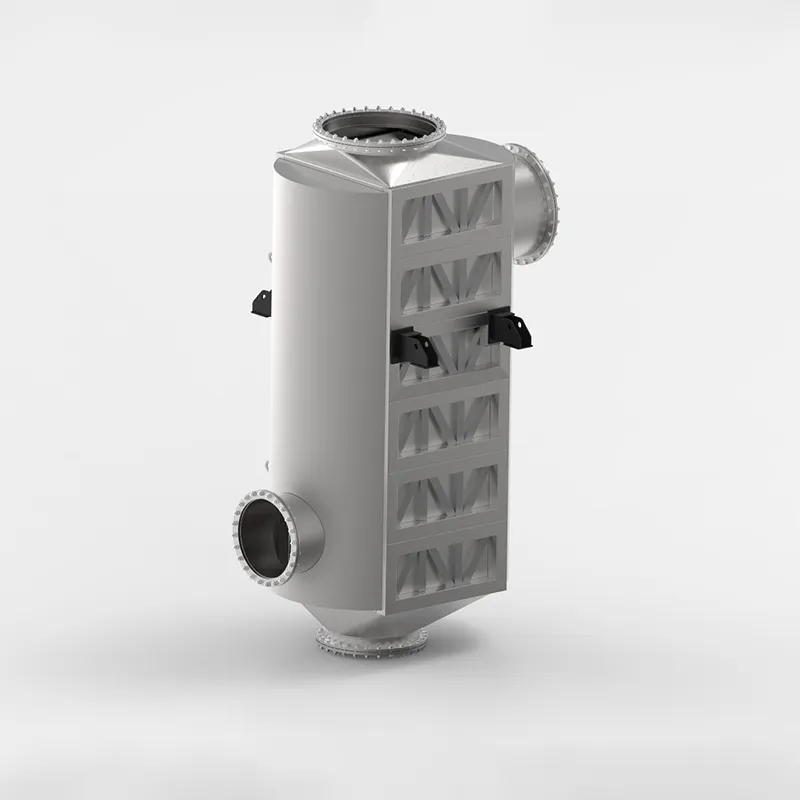
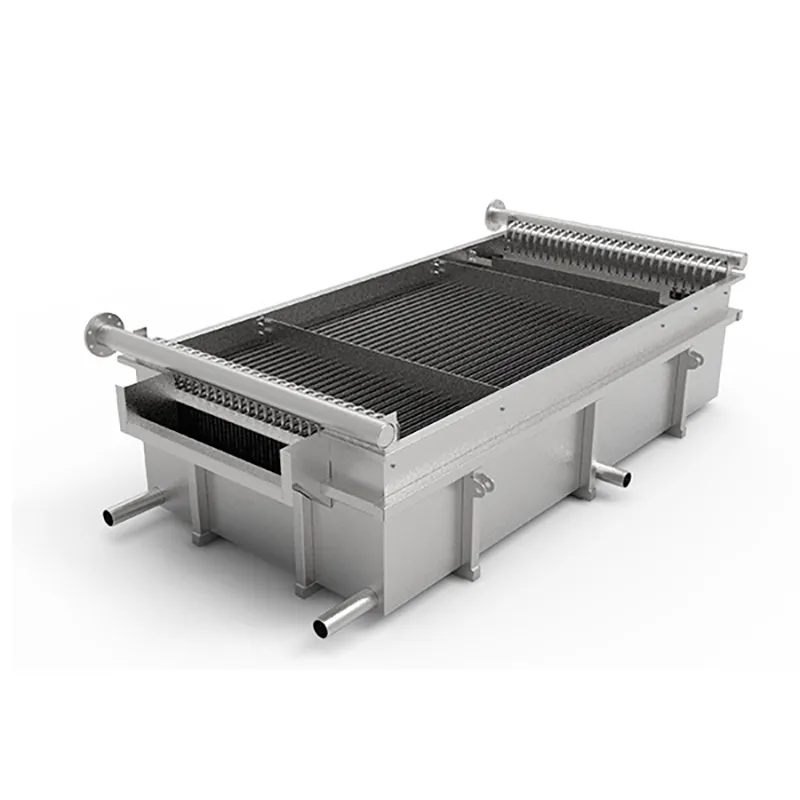
Learn more about related solutions: Custom Engineered Plate Air Preheaters | Gasketed Plate Heat Exchangers | Wide Gap Welded Plate Heat Exchangers
The compact footprint of water to water plate heat exchangers significantly reduces floor space requirements in industrial facilities. This space efficiency directly lowers construction and installation costs, while the modular design allows for easy capacity expansion without major structural modifications.
Lower maintenance requirements stem from the accessible plate pack configuration. Individual plates can be quickly removed for cleaning or replacement without disturbing the entire system, minimizing downtime and labor expenses. The absence of large shell-and-tube bundles eliminates the need for specialized extraction equipment.
High thermal efficiency yields energy savings through reduced pumping power and minimized heat loss. The turbulent flow across plates enhances heat transfer rates, enabling smaller temperature approaches and lowering overall energy consumption for heating or cooling processes.
In industrial systems, maintaining exact temperature parameters is critical for product quality and operational efficiency. Water to water plate heat exchangers enable rapid thermal response, allowing operators to achieve and sustain target temperatures with minimal deviation. This precision reduces waste, protects sensitive equipment, and ensures consistent output across varying load conditions.
The compact plate design maximizes heat transfer surface area, facilitating quick adjustments to temperature setpoints. Unlike traditional shell-and-tube units, these exchangers offer tighter control bands, often within ±0.5°C, which is essential for processes like chemical reactions, food pasteurization, and pharmaceutical manufacturing.
| Parameter | Plate Heat Exchanger | Shell-and-Tube |
|---|---|---|
| Temperature Control Accuracy | ±0.5°C | ±2.0°C |
| Response Time to Setpoint Change | < 10 seconds | 30-60 seconds |
| Heat Transfer Coefficient (W/m²·K) | 3000 - 7000 | 500 - 1500 |
| Temperature Overshoot | Minimal (< 0.3°C) | Moderate (1-2°C) |
The table above illustrates how water to water plate heat exchangers outperform conventional shell-and-tube designs in key process control metrics. Faster response times and higher heat transfer coefficients translate directly into more stable production cycles and reduced energy consumption.
For industries requiring stringent thermal management, such as those utilizing custom engineered pillow plates or gasketed plate heat exchangers, the ability to fine-tune temperature profiles ensures higher yield and lower operational risk.
Water to water plate heat exchangers are engineered to withstand extreme operating conditions, delivering consistent performance and extended service life in demanding industrial settings.
Constructed with corrosion-resistant materials and robust plate designs, these exchangers minimize fouling and thermal stress, ensuring uninterrupted operation even under high pressure, temperature fluctuations, and aggressive media. This durability reduces maintenance downtime and replacement frequency, directly contributing to system reliability and long-term cost savings.
Water to water plate heat exchangers offer exceptional flexibility when scaling thermal systems to meet changing production demands. Their modular design allows operators to add or remove plates without replacing the entire unit, enabling precise capacity adjustments in response to fluctuating process loads.
This scalability is particularly valuable in industries where production volumes increase gradually or seasonally. Instead of investing in entirely new heat exchange equipment, facilities can simply expand existing plate packs, minimizing capital expenditure and downtime during upgrades.
One of the primary advantages is the ease with which these exchangers integrate into established industrial infrastructure. Their compact footprint and standardized connection ports allow direct substitution for older shell-and-tube units without extensive re-piping or structural modifications.
Engineers can mount plate heat exchangers on existing skids or framework, utilizing the same pump and valve configurations. This reduces installation complexity and keeps system integration costs low, while maintaining compatibility with current control systems and monitoring equipment.
The ability to incrementally increase heat transfer area makes water to water plate heat exchangers ideal for phased expansion projects. When production targets rise, adding extra plates—often within the same frame—provides a straightforward path to higher thermal duty without redesigning the entire system.
This modularity also supports redundancy strategies. Operators can install multiple smaller units in parallel, allowing individual exchangers to be serviced or isolated while the rest of the system continues operating, thereby enhancing overall plant reliability and uptime.
These exchangers are engineered to handle a wide range of operating conditions, from low-viscosity water to more challenging process fluids. Their plate material and gasket options can be selected to match specific chemical compatibility requirements, ensuring long-term performance without corrosion or fouling issues.
Temperature and pressure ratings are designed to align with common industrial standards, making it straightforward to integrate them into existing steam, hot water, or chilled water loops. This adaptability reduces the need for additional heat transfer equipment and simplifies overall system architecture.
In facilities where floor space is at a premium, the compact vertical design of plate heat exchangers offers significant advantages. They require up to 80% less installation area compared to traditional shell-and-tube units of equivalent capacity, freeing valuable real estate for other process equipment.
This space efficiency also simplifies integration into existing layouts, as units can be installed near walls, on mezzanines, or in tight utility corridors without major structural changes. The result is a more efficient use of industrial floor space while maintaining full thermal performance.
Explore related product solutions:
Enhanced Energy Efficiency Through Optimal Heat Transfer Performance
The plate heat exchanger design maximizes surface area and turbulence, enabling superior thermal recovery and reducing overall energy consumption in continuous industrial processes.
Reduced Operational Costs via Compact Design and Lower Maintenance
Its compact footprint minimizes installation space and piping requirements, while the easily accessible plates simplify cleaning and servicing, leading to lower labor and downtime expenses.
Improved Process Control with Precise Temperature Regulation
Accurate thermal management is achieved through responsive plate channels, allowing tight temperature tolerances essential for sensitive chemical, pharmaceutical, and food processing applications.
Increased System Reliability and Longevity in Harsh Industrial Environments
Constructed from corrosion-resistant materials and designed to withstand high pressures and temperatures, these heat exchangers deliver consistent performance and extended service life even under demanding conditions.
Flexibility in Scaling and Integration with Existing Industrial Infrastructure
Modular plate configurations allow easy capacity adjustments, and standardized connections simplify retrofitting into current piping networks, supporting future expansion without major redesign.
Collectively, these advantages make the water-to-water plate heat exchanger a strategic component for optimizing thermal management, reducing lifecycle costs, and ensuring adaptable, reliable operation across diverse industrial sectors.
We provide you with comprehensive foreign trade solutions to help enterprises achieve global development
Select the most popular foreign trade service products to meet your diverse needs
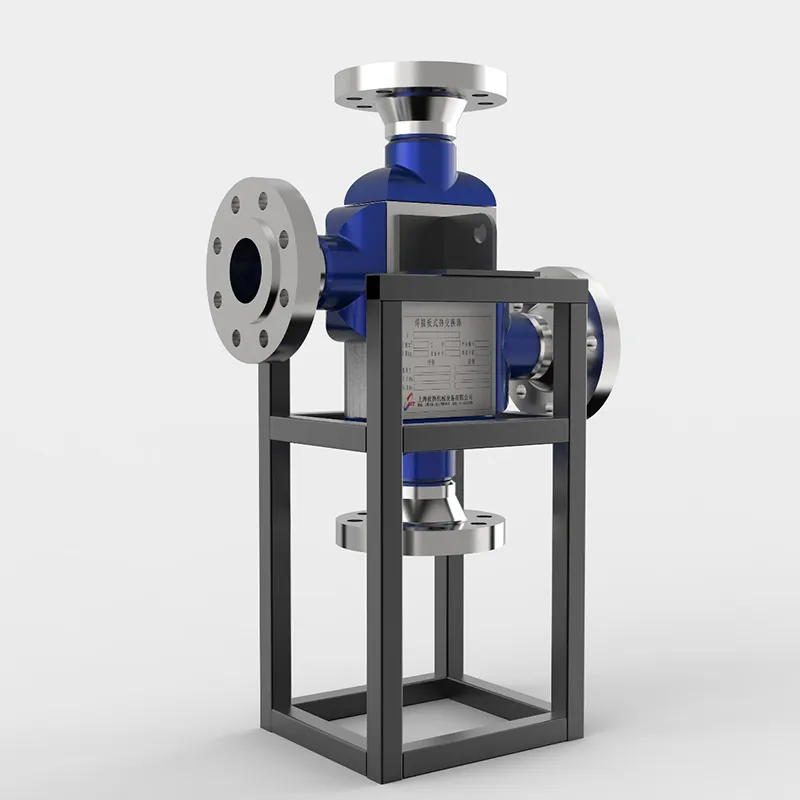
Custom-Engineered for Severe Process Demands. At SHPHE, we don't just supply equipment; we design tailored thermal solutions. Our HT-Bloc welded plate heat exchangers are custom-configured by our experienced engineers to overcome your specific industry challenges—whether handling high-viscosity media, extreme temperatures, or strict space constraints.
Originated in the mid-20th century to bypass the manufacturing bottlenecks and weight limitations of standard jacketed thermal components, the Pillow Plate (also known as a dimple plate or embossed plate) has revolutionized precision fluid-wall engineering. At SHPHE, we take this highly flexible technology and elevate it into a core foundation for bespoke industrial heat transfer integration. By utilizing state-of-the-art automated CNC fiber laser welding, our engineers customize the mechanical inflation profiles and spot pitch grids to directly match your specific fluid dynamics, pressure limits, and vessel configurations. Today, SHPHE's custom pillow plates are indispensable assets for worldwide processing plants prioritizing advanced thermal performance, zero-leak safety, and hygienic processing—serving as the definitive solution across food, pharmaceutical, chemical, and bulk solids cooling sectors.
Industrial processes involving particle-laden slurries, high-viscosity syrups, or fiber-rich pulp demand more than standard equipment—they require target-engineered thermal management. At SHPHE, we configure the TP Welded Plate Heat Exchanger to directly conquer your plant's severe fouling, blockage, and erosion threats. Combining custom-tailored channel geometries, wear-resistant metallurgy, and integrated CIP (Cleaning-in-Place) systems, we deliver absolute production continuity where conventional heat exchangers fail.
User Comments
Service Experience Sharing from Real Customers
Mike R.
Maintenance SupervisorWe swapped out an old shell-and-tube for this water-to-water plate exchanger in our cooling loop. The temperature approach is way tighter now, and the pressure drop is actually lower than I expected. The gaskets held up fine during our initial run, no weeping at all. For the price, this thing is a no-brainer for retrofit jobs.
Sarah L.
HVAC TechnicianInstalled this unit to isolate a geothermal loop from a new boiler system. It’s compact enough to fit on the wall in a tight mechanical room, which saved us a lot of headache. The only reason I’m not giving five stars is that the bolts needed a bit more torque than I’m used to right out of the box, but once snugged, it performed perfectly.
Tom K.
Process EngineerI needed a reliable heat exchanger for a pilot-scale food pasteurization setup, and this water-to-water plate model exceeded our specs. We’re running a 10°F approach with consistent outlet temps, and the cleanability is excellent—plates come apart easily for inspection. It’s been running 24/7 for three weeks with zero fouling issues.
Jenna P.
Building Services ManagerIt does the job for our district heating substation, but I found the documentation a bit sparse regarding the maximum differential pressure during startup. We had a small surge on commissioning and the gasket shifted slightly—had to re-tighten everything. Once it settled, heat transfer was fine. Just be careful with your initial flow ramp.