How a Steam to Water Plate Heat Exchanger Delivers Superior Heat Transfer Performance
When you need to transfer heat from steam to water efficiently and reliably, a steam to water plate heat exchanger often outperforms traditional shell-and-tube designs. This article explains the working principle, key performance parameters, and practical applications of these compact units. Whether you are a process engineer or a purchasing manager, you will learn how a steam to water plate heat exchanger can reduce energy costs, simplify maintenance, and fit into tight spaces. We also cover common buyer questions and how to get a free thermal design from SHPHE, a Shanghai-based manufacturer with ISO9001 and ASME U certifications.
What Makes a Steam to Water Plate Heat Exchanger Different?
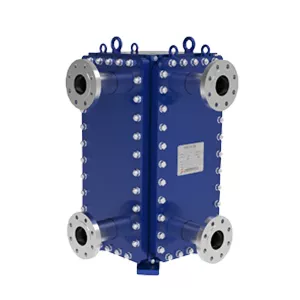
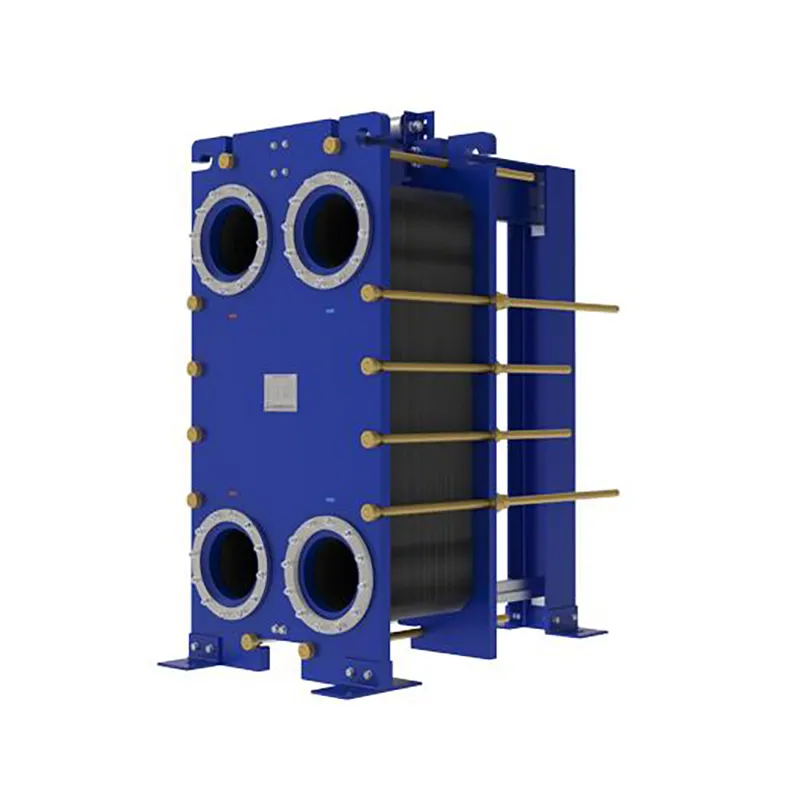
A steam to water plate heat exchanger uses a stack of corrugated metal plates to create separate channels for steam and water. As steam flows through one set of channels and water through the adjacent ones, heat transfers through the thin plate walls. The corrugations induce turbulence, which significantly improves the heat transfer coefficient compared to laminar flow in shell-and-tube units. This design allows the steam to water plate heat exchanger to achieve temperature approaches as low as 1–2°C, making it ideal for condensing steam and heating water in a single pass. Because the plates are compact, the overall footprint is 30–50% smaller than equivalent shell-and-tube exchangers. For process engineers, this means easier installation in retrofits or new builds where space is at a premium.
How Does a Steam to Water Plate Heat Exchanger Work in Practice?
In a typical setup, saturated steam enters the top of the plate pack and flows downward, condensing on the plate surfaces. Cooling water flows counter-currently upward through the adjacent channels. The condensate exits at the bottom, while the heated water leaves at the top. The counter-current flow maximizes the log mean temperature difference (LMTD), which directly boosts thermal performance. Many modern steam to water plate heat exchangers also include a condensate drain with a steam trap to prevent water hammer and ensure stable operation. The plates are usually made of stainless steel (304 or 316L) for corrosion resistance, with gaskets that can handle temperatures up to 180°C and pressures up to 25 bar. For higher demands, welded plate designs like the HT-Bloc welded plate heat exchanger eliminate gasket limitations entirely.
Key Performance Parameters of a Steam to Water Plate Heat Exchanger
When selecting a steam to water plate heat exchanger, you need to match your process conditions to the unit's capabilities. Below is a table of typical parameter ranges that apply across reputable manufacturers, including SHPHE's product lines.
| Parameter |
Typical Range |
| Steam inlet temperature |
100–200°C |
| Water outlet temperature |
40–120°C |
| Design pressure |
Up to 25 bar (gasketed); up to 40 bar (welded) |
| Heat transfer coefficient |
3,000–7,000 W/m²·K |
| Flow rate (water side) |
10–500 m³/h per unit |
| Plate material |
Stainless steel 304/316L, titanium (for aggressive water) |
These ranges cover most industrial heating applications, from district heating to process water preheating. If your operating conditions fall outside these values, a custom-engineered solution—such as a wide gap welded plate heat exchanger—may be necessary for fluids with particulates or high viscosity.
What Are the Most Common Applications for a Steam to Water Plate Heat Exchanger?
You will find a steam to water plate heat exchanger in many industries where steam is used for heating. Here are the most frequent scenarios:
- District heating systems: Steam from a central plant heats water for residential or commercial buildings. The compact plate design allows easy installation in existing substations.
- Food and beverage processing: Hot water is needed for cleaning, blanching, or pasteurization. A steam to water plate heat exchanger provides precise temperature control without contamination risks.
- Chemical and pharmaceutical plants: Process water must be heated to exact temperatures for reactions or sterilization. The high heat transfer coefficient reduces response time.
- HVAC and building services: Steam-to-water heat exchangers supply hot water for radiators, fan coils, or domestic hot water systems.
- Oil and gas facilities: For heating crude oil or produced water, a steam to water plate heat exchanger can handle moderate fouling if a wide gap design is used.
In each case, the steam to water plate heat exchanger offers faster heat-up times and lower steam consumption compared to older technologies. Many operators report energy savings of 15–25% after switching from shell-and-tube units.
Why Choose SHPHE for Your Steam to Water Plate Heat Exchanger?
SHPHE has been manufacturing plate heat exchangers in Shanghai since 2005, and we export to more than 20 countries. Our steam to water plate heat exchanger line includes gasketed, welded, and hybrid designs to match your duty. We hold ISO9001 and ASME U certifications, so you can trust the quality and traceability of every unit. Our engineering team provides free thermal design and selection service—just share your flow rate, temperature, pressure, and media details, and we will recommend the optimal plate configuration. We also offer alternatives to brands like Alfa Laval and Compabloc, meaning our units are compatible with existing plate patterns and gasket profiles. For demanding applications, our TP welded plate heat exchanger provides a fully welded construction that eliminates gasket failure risks.
Frequently Asked Questions About Steam to Water Plate Heat Exchangers
Q: Can a steam to water plate heat exchanger handle superheated steam?
A: Yes, but you need to account for the desuperheating zone. Most standard gasketed units can handle steam up to 180°C. For higher temperatures, a welded plate design is recommended to avoid gasket degradation.
Q: How often does a steam to water plate heat exchanger need cleaning?
A: It depends on water quality. With treated water, cleaning intervals can be 12–24 months. If your water has high hardness or suspended solids, you may need to clean every 3–6 months. A wide gap design can extend these intervals.
Q: What is the typical pressure drop on the steam side?
A: For condensing steam, the pressure drop is usually very low—between 0.1 and 0.5 bar—because the steam condenses and the volume reduces dramatically. The water side pressure drop is typically 0.5–2 bar, depending on flow velocity and plate geometry.
Q: Can I use a steam to water plate heat exchanger for district cooling?
A: No, a steam to water plate heat exchanger is designed for heating only. For cooling applications, you would use a chiller or a cooling tower heat exchanger. However, the same plate technology can be adapted for water-to-water cooling duties.
Q: How do I size a steam to water plate heat exchanger?
A: You need the steam flow rate or heat duty, steam inlet temperature and pressure, water flow rate, and desired water outlet temperature. Our team at SHPHE can run a thermal calculation and provide a selection within 24 hours—free of charge.
Q: Is a steam to water plate heat exchanger compatible with Alfa Laval gaskets?
A: Yes, many of our gasketed plate heat exchangers are designed as direct replacements for Alfa Laval and Compabloc units. We can match the plate pattern and gasket profile so you can swap units without modifying piping.
Get a Free Thermal Design for Your Steam to Water Plate Heat Exchanger
Choosing the right steam to water plate heat exchanger starts with accurate process data. To receive a free thermal design and selection from SHPHE, please provide the following details in your inquiry: steam flow rate (kg/h) or heat duty (kW), steam inlet temperature and pressure, water flow rate (m³/h), water inlet temperature, and desired water outlet temperature. Also mention any special requirements such as material preference, space constraints, or fouling factors. Our engineers will respond with a recommended plate configuration, including dimensions, weight, and estimated pressure drops. Contact us today to optimize your steam heating process with a reliable steam to water plate heat exchanger from SHPHE.
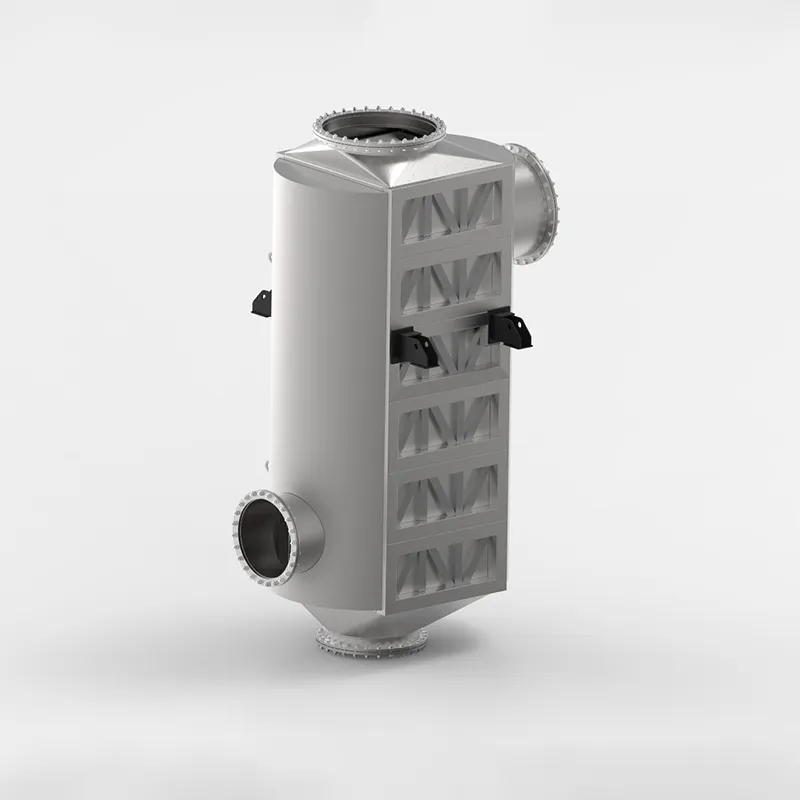
In summary, a steam to water plate heat exchanger delivers superior heat transfer performance through compact, turbulent-flow plate technology. It saves energy, space, and maintenance costs across a wide range of industrial and commercial applications. SHPHE has the experience and certifications to supply a unit that meets your exact duty. Share your process parameters, and we will handle the rest.

 English EN





User Comments
Service Experience Sharing from Real Customers
Tommy
Maintenance LeadWe swapped out an old shell-and-tube for this plate heat exchanger last quarter. The steam-to-water response is noticeably faster, and I’ve already seen a drop in our condensate return temperature. Cleaning the plates is a breeze compared to what we had before. Solid build quality.
Elena
Energy EngineerInstalled this unit in a district heating substation retrofit. The thermal transfer is efficient even at partial load, which is exactly what we needed for variable demand. My only small gripe is the gasket material—seems fine for now, but I’ll keep an eye on it after a year of cycling. Otherwise, great value for the price.
Raj
Process TechnicianRunning a pharmaceutical batch reactor and we needed precise temperature control without contamination risk. This plate heat exchanger handles our clean steam perfectly and the compact footprint saved us floor space in a cramped mezzanine. No leaks, no fouling issues after six months of daily use. Highly recommend.
Maggie
Facility ManagerWe use it for preheating boiler feedwater in a mid‑size hotel. Installation was straightforward, and the heat recovery has noticeably cut our gas bills. The plates are a bit tight to get into if you have big hands, but once it’s running, it’s dead quiet and reliable. Would buy again for our next property.