How a Water to Oil Plate Heat Exchanger Optimizes Industrial Thermal Management
A water to oil plate heat exchanger is a compact, efficient solution for transferring heat between water and oil streams in industrial processes. This article explains how these units work, their key performance parameters, and why they are a smart choice for thermal management in applications like hydraulic cooling, lube oil temperature control, and process heating. We also cover common buyer questions and how to get a tailored design for your system.
What Is a Water to Oil Plate Heat Exchanger?
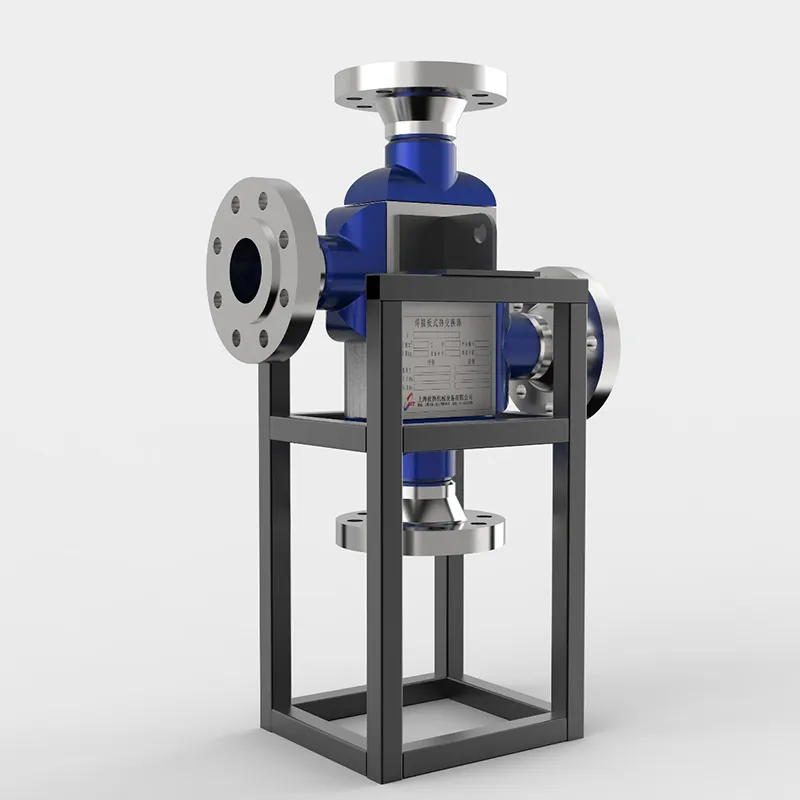
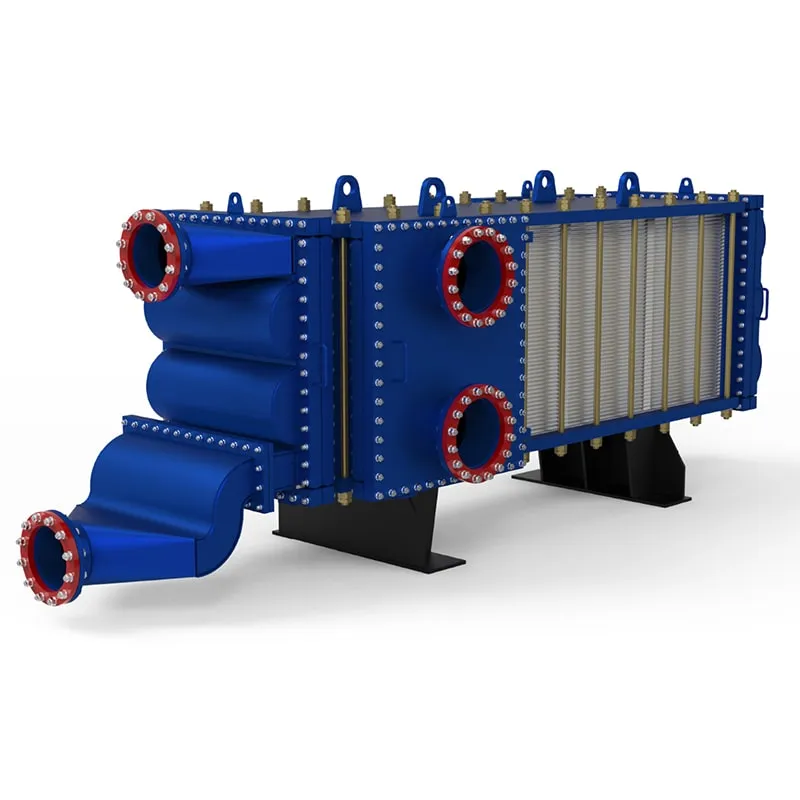
A water to oil plate heat exchanger is a specialized heat transfer device designed to manage the temperature of oil using water as a cooling or heating medium. It uses a series of corrugated metal plates to create separate flow channels for water and oil. The plates maximize surface area contact, allowing efficient heat exchange without the two fluids mixing. This design is widely used in industrial settings where oil needs to be cooled after high-temperature operations, or where water is used to preheat oil for better process efficiency.
For process engineers and purchasing managers, the main appeal of a water to oil plate heat exchanger lies in its compact footprint, high thermal efficiency, and ease of maintenance. Compared to shell-and-tube units, plate heat exchangers can achieve temperature approaches as low as 1–2°C, making them ideal for precise thermal management.
How Does a Water to Oil Plate Heat Exchanger Work?
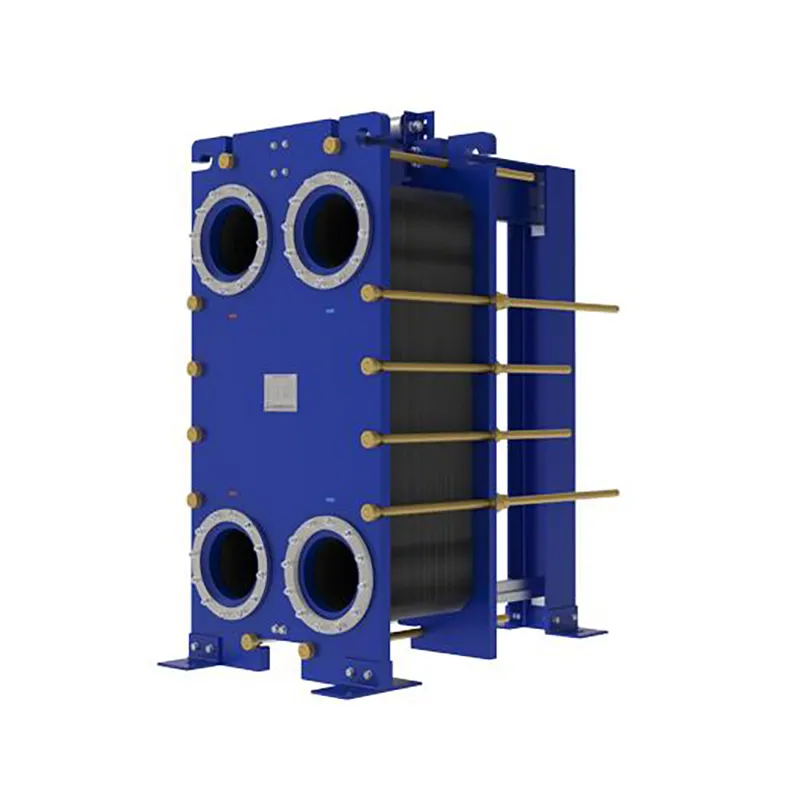
The working principle is straightforward. The exchanger consists of multiple thin metal plates, each with a gasket or welded seal that directs water and oil into alternating channels. Water flows through one set of channels, while oil flows through the adjacent set. Heat transfers through the plate material from the hotter fluid to the cooler one. The corrugated plate pattern creates turbulence, which significantly improves heat transfer coefficients compared to laminar flow.
In a typical industrial cooling loop, hot oil from a hydraulic system or lubrication circuit enters the exchanger at temperatures ranging from 60°C to 120°C. Cooling water at 20–30°C absorbs the heat, reducing the oil temperature to the desired set point, often between 40°C and 55°C. The same principle applies when using hot water to heat cold oil for viscosity control or process preheating.
Key Features and Typical Parameter Ranges
When selecting a water to oil plate heat exchanger, you need to match the unit to your process conditions. Here are the common parameters and ranges found in industrial applications:
- Operating temperature: typically from -20°C up to 200°C for gasketed designs, and up to 350°C for welded plate variants.
- Operating pressure: standard range is 10 to 25 bar; high-pressure models can handle up to 40 bar.
- Flow capacity: from a few liters per minute in small units to over 500 m³/h in large multi-pass configurations.
- Heat transfer coefficient: typically 3,000 to 7,000 W/m²K for water-to-oil duty, depending on oil viscosity and flow velocity.
- Plate material: stainless steel 316L is common; titanium or Hastelloy is used for corrosive fluids.
- Connection sizes: from DN25 to DN300, with threaded or flanged options.
These ranges are industry-generic and should be verified against your specific application data. Always consult a thermal design engineer to confirm the correct sizing.
What Are the Main Applications for Water to Oil Plate Heat Exchangers?
Water to oil plate heat exchangers are used across many industries. Common applications include:
- Hydraulic system cooling: maintaining oil temperature in presses, injection molding machines, and mobile equipment.
- Lubrication oil cooling: for turbines, compressors, and gearboxes where stable oil temperature extends component life.
- Process oil heating: using hot water to preheat fuel oil or thermal oil before burners or reactors.
- Waste heat recovery: capturing heat from hot oil to preheat water for cleaning or space heating.
- Marine and offshore: cooling engine lube oil with seawater or freshwater loops.
For each application, the choice between gasketed and welded plate designs depends on the fluid compatibility, pressure, and temperature requirements. For example, high-viscosity oils may benefit from a wide gap plate design to prevent clogging.
Why Choose SHPHE for Your Water to Oil Plate Heat Exchanger?
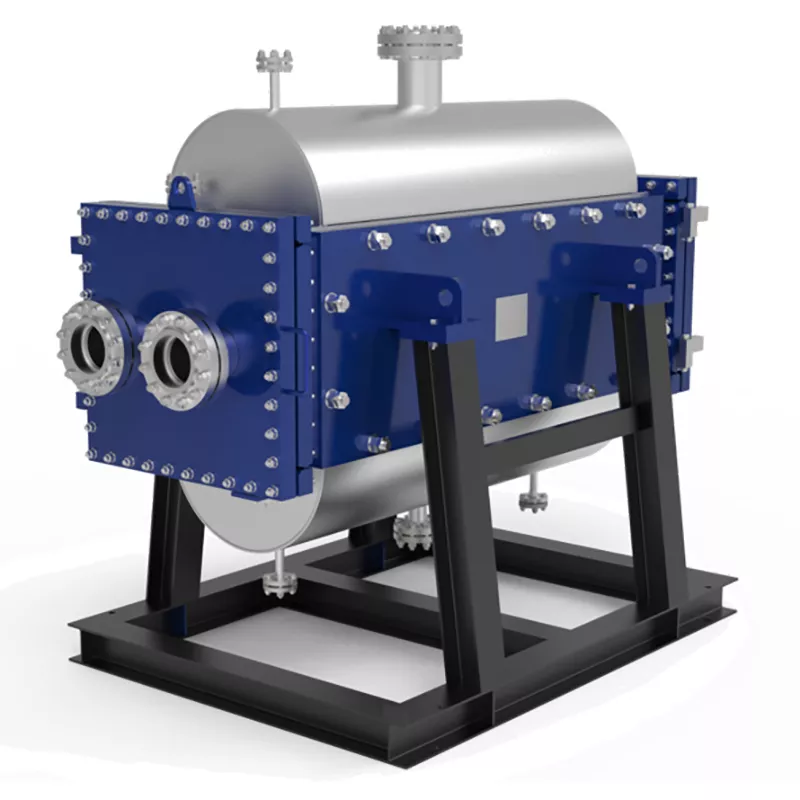
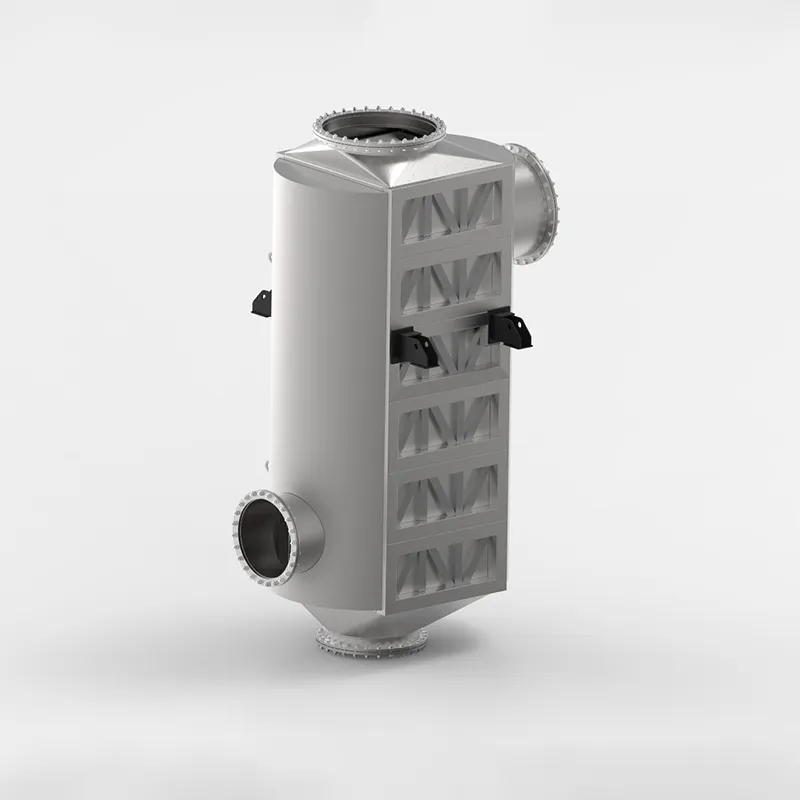
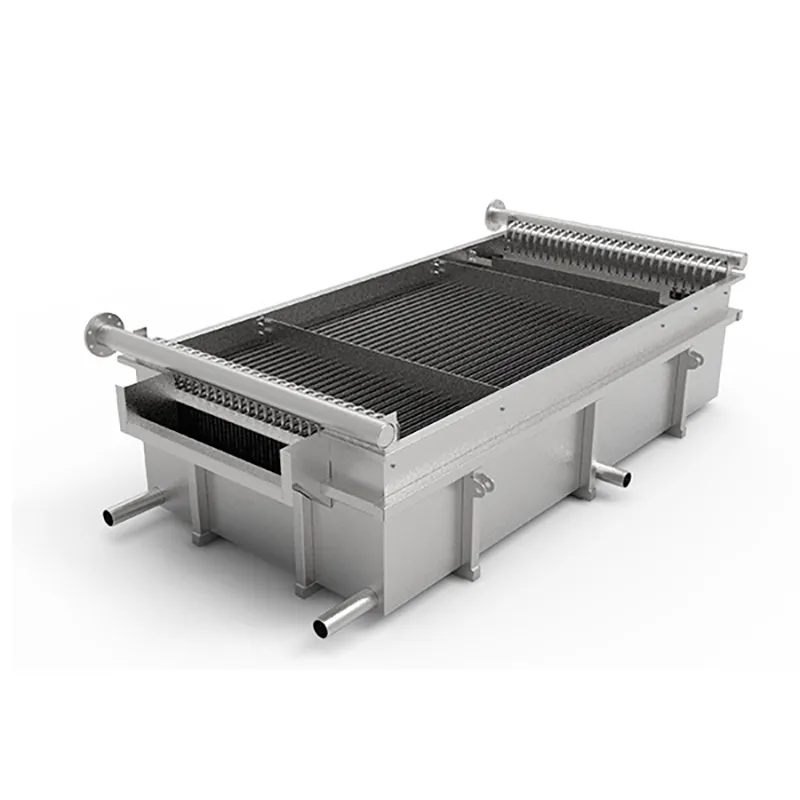
SHPHE is a Shanghai-based plate heat exchanger manufacturer with a solid track record since 2005. We export to over 20 countries and hold ISO9001 and ASME U certifications. Our product lines include HT-Bloc welded plate heat exchangers, TP welded plate heat exchangers, wide gap welded plate heat exchangers, gasketed plate heat exchangers, printed circuit heat exchangers (PCHE), plate air preheaters, and pillow plates. We offer free thermal design and selection services to help you find the right water to oil plate heat exchanger for your process.
Our engineers can design units that are compatible with existing systems from brands like Alfa Laval, Compabloc, or GEA, providing a reliable alternative without compromising performance. Whether you need a compact gasketed unit for a small hydraulic skid or a high-pressure welded solution for a refinery, we can deliver a custom-engineered product.
For more details on our product range, you can explore our gasketed plate heat exchangers or HT-Bloc welded plate heat exchangers for heavy-duty applications. We also offer wide gap welded plate heat exchangers for viscous fluids.
How Do I Size a Water to Oil Plate Heat Exchanger Correctly?
Sizing a water to oil plate heat exchanger requires accurate process data. You need to know the flow rates of both water and oil, the inlet and desired outlet temperatures, the oil viscosity at operating temperature, and the allowable pressure drop. A thermal design engineer uses this data to calculate the required heat transfer area and select the appropriate plate pattern and number of plates. Oversizing leads to higher cost and potential fouling; undersizing results in poor temperature control. Always provide complete duty specifications for a reliable design.
Can a Water to Oil Plate Heat Exchanger Handle High Viscosity Oil?
Yes, but you need the right plate design. Standard gasketed plate heat exchangers work well with oils up to about 500 cP. For higher viscosity oils, a wide gap plate heat exchanger is recommended because it has wider flow channels that reduce the risk of clogging and maintain better heat transfer. Welded plate designs with special plate corrugations can also handle viscous fluids. Always check the oil viscosity at the operating temperature and consult with the manufacturer to choose the best plate geometry.
What Maintenance Does a Water to Oil Plate Heat Exchanger Require?
Regular maintenance is straightforward. For gasketed units, you can open the plate pack for visual inspection and cleaning. The plates are easy to remove and clean with a soft brush and suitable solvent. Welded units require chemical cleaning in place (CIP) because the plate pack is sealed. It is good practice to monitor pressure drop across the exchanger; a significant increase indicates fouling. Depending on water quality and oil cleanliness, cleaning intervals range from 6 to 24 months.
Is a Water to Oil Plate Heat Exchanger Compatible with Seawater?
Yes, but you must select the correct materials. Seawater is corrosive to standard stainless steel, so plates made from titanium or super duplex stainless steel are recommended. Gaskets should be made of EPDM or Viton, depending on temperature. Many marine and offshore applications use water to oil plate heat exchangers with titanium plates for seawater cooling of lube oil or hydraulic oil. Always specify the water chemistry when requesting a design.
How Does a Water to Oil Plate Heat Exchanger Compare to a Shell-and-Tube Design?
A water to oil plate heat exchanger offers several advantages over shell-and-tube units. It has a much smaller footprint, typically 30–50% less space. It achieves higher thermal efficiency due to turbulent flow and close plate spacing, allowing temperature approaches as low as 1°C. Maintenance is easier because the plate pack is accessible. However, shell-and-tube designs can handle higher pressures and are more forgiving with heavily fouling fluids. For clean water and oil duties, the plate design is usually the better choice.
Can I Use a Water to Oil Plate Heat Exchanger for Heating Instead of Cooling?
Absolutely. The same plate heat exchanger design works in both directions. If you need to heat oil using hot water, simply connect the hot water supply to one side and the cold oil to the other. The unit will transfer heat from water to oil efficiently. This is common in processes where oil must be preheated to reduce viscosity before pumping or to meet a specific temperature for chemical reactions. The design considerations are the same: provide accurate flow and temperature data.
Request a Quote for Your Water to Oil Plate Heat Exchanger
To get a precise thermal design and quotation for your water to oil plate heat exchanger, please provide the following details:
- Flow rate of water and oil (in L/min or m³/h)
- Inlet and desired outlet temperatures for both fluids
- Operating pressure (maximum and normal)
- Oil type, viscosity, and specific heat (if available)
- Water quality (fresh, seawater, or treated)
- Preferred connection size and type
Our team at SHPHE will review your requirements and provide a free thermal design and selection within 24 hours. Contact us today to optimize your industrial thermal management with a reliable water to oil plate heat exchanger.

 English EN





User Comments
Service Experience Sharing from Real Customers
Mike R.
Maintenance SupervisorWe swapped out an old shell-and-tube unit for this water-to-oil plate exchanger in our hydraulic press line. The temperature delta is way tighter now — we’re actually holding within 2°F of setpoint during peak loads. Installation was straightforward, and the plates are easy to pull for cleaning. No leaks after six months of 24/7 operation. Solid buy.
Sarah K.
Marine EngineerNeeded a compact solution for cooling lube oil on a retrofit project. This unit fit into a tight engine room corner where nothing else would go. Performance is good — drops oil temp by about 18°C under cruising conditions. Only knocked off a star because the gaskets felt a bit stiff when I first installed them, but they’ve seated fine since. Would order again.
Tom L.
Plant Operations ManagerI’ve been in food processing for 15 years and this is the first plate exchanger that hasn't given me grief with fouling. We’re using it to cool vegetable oil before packaging. The gap between plates is generous enough that we don’t have to backflush every other day. Thermal efficiency is excellent — reduced our cooling water consumption by nearly 30%. Highly recommend for edible oils.
Alex D.
HVAC TechnicianUsed this in a large commercial boiler system to preheat domestic water with waste oil heat. Not my usual application, but the exchanger handled the viscous oil side without issues. Pressure drop was a bit higher than I expected on the oil circuit, so I had to bump up the pump size. Once dialed in, it’s been running steady for over a year. Good value for the price.