How a Wastewater Heat Recovery Heat Exchanger Reduces Operational Costs
Article Summary: Wastewater heat recovery heat exchangers capture thermal energy from discharged effluent and reuse it to preheat incoming process water or building supply. This article explains how these systems lower energy bills, reduce maintenance downtime, and improve overall plant efficiency. We cover working principles, typical performance parameters, application scenarios, and a comparison of suitable plate heat exchanger designs. A FAQ section addresses common buyer concerns, followed by guidance on submitting a technical inquiry.
For process engineers and purchasing managers in industrial facilities, energy costs often represent the largest operational expense. A wastewater heat recovery heat exchanger offers a direct path to reducing those costs by reclaiming heat from hot effluent streams that would otherwise be lost to drain. Instead of letting that thermal energy go to waste, you can use it to preheat boiler feed water, wash water, or even building heating loops. The result is lower fuel consumption, reduced carbon footprint, and a faster return on investment.
Many plants already generate warm or hot wastewater from processes like rinsing, cooling, steaming, or chemical reactions. Installing a dedicated recovery system lets you capture a significant portion of that heat. Depending on flow rates and temperature differences, typical recovery rates range from 40% to 70%. Over a year, this translates into thousands of dollars saved on natural gas, electricity, or steam generation.
What Is a Wastewater Heat Recovery Heat Exchanger?
A wastewater heat recovery heat exchanger is a device that transfers thermal energy from a warm or hot effluent stream to a colder fluid, typically clean water or a process liquid. The two streams never mix; heat passes through a solid wall made of stainless steel or titanium. This design prevents contamination of the incoming fluid while allowing efficient heat transfer.
In practice, the unit is installed in the discharge line of a process tank, washing machine, or cooling tower blowdown. The recovered heat can be used immediately or stored in a buffer tank. For example, a food processing plant might use recovered heat to preheat wash water from 10°C to 35°C, reducing the energy needed to bring it to final temperature by 50% or more.
How Does It Reduce Operational Costs?
The primary cost reduction comes from lower energy consumption. Every kilowatt of heat recovered is one less kilowatt you need to generate from fuel or electricity. Additional savings include:
- Reduced boiler or heater load, extending equipment life.
- Lower wastewater treatment costs because effluent temperature is reduced before discharge.
- Minimal maintenance when using fouling-resistant plate designs.
- Eligibility for energy efficiency incentives or carbon credits.
A typical payback period for a well-designed system is 12 to 24 months. After that, the savings go directly to your bottom line. For plants operating 24/7, the annual savings can exceed the initial investment by a factor of three or more.
What Are the Key Performance Parameters?
When evaluating a wastewater heat recovery heat exchanger, you need to consider several technical parameters. The table below lists commonly accepted ranges for industrial applications.
| Parameter |
Typical Range |
| Flow rate (wastewater side) |
5 – 500 m³/h |
| Inlet temperature (wastewater) |
30°C – 80°C |
| Outlet temperature (wastewater) |
15°C – 40°C |
| Pressure drop |
0.2 – 1.0 bar |
| Heat recovery efficiency |
40% – 70% |
| Plate material |
SS304, SS316L, Titanium |
These values are industry-generic. Your actual performance will depend on specific site conditions, including fouling potential, flow stability, and temperature profiles.
Which Heat Exchanger Design Is Best for Wastewater Recovery?
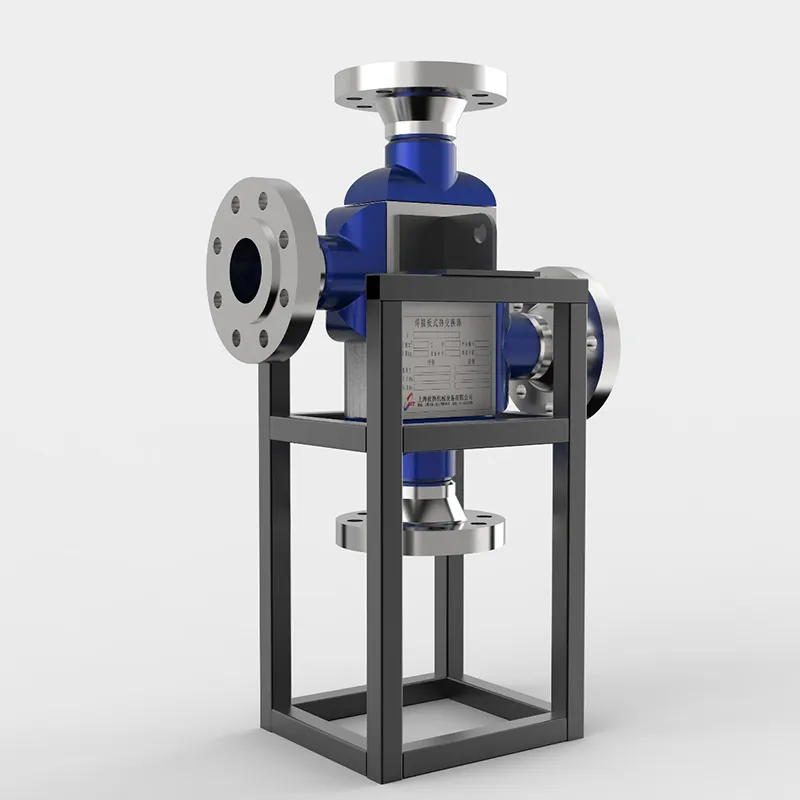
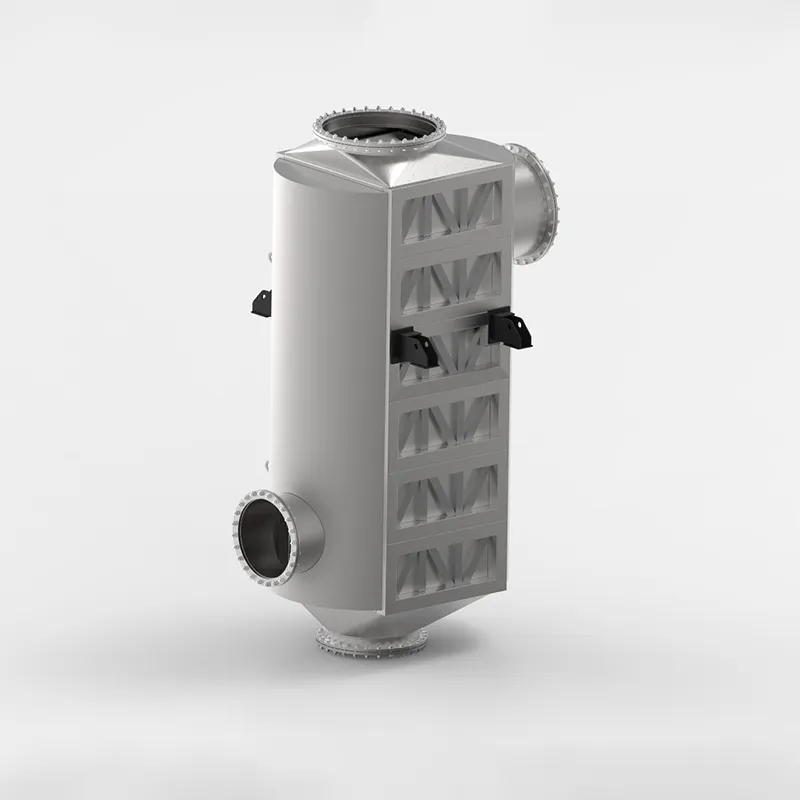
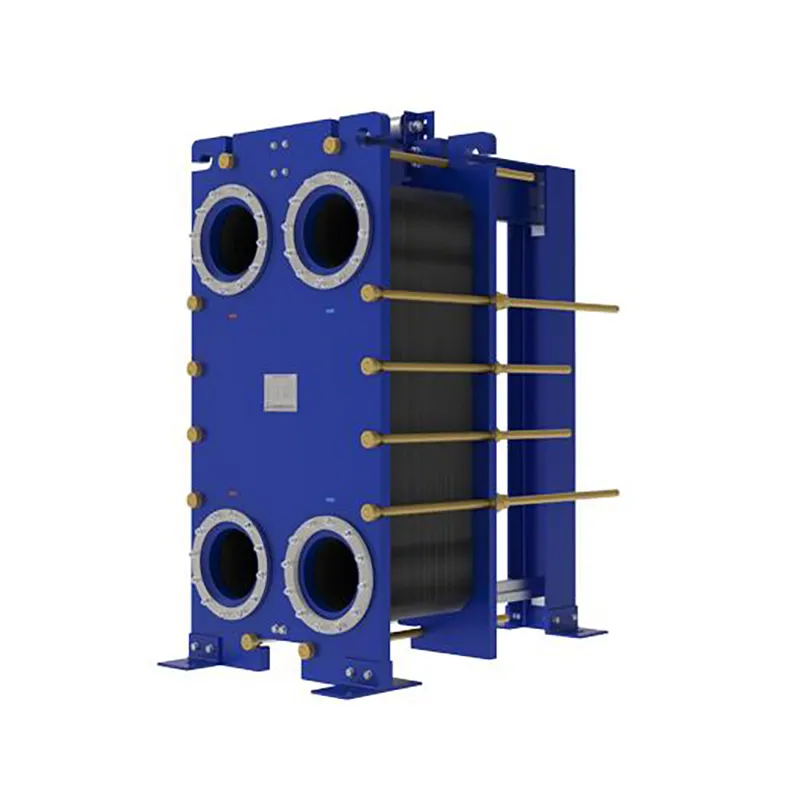
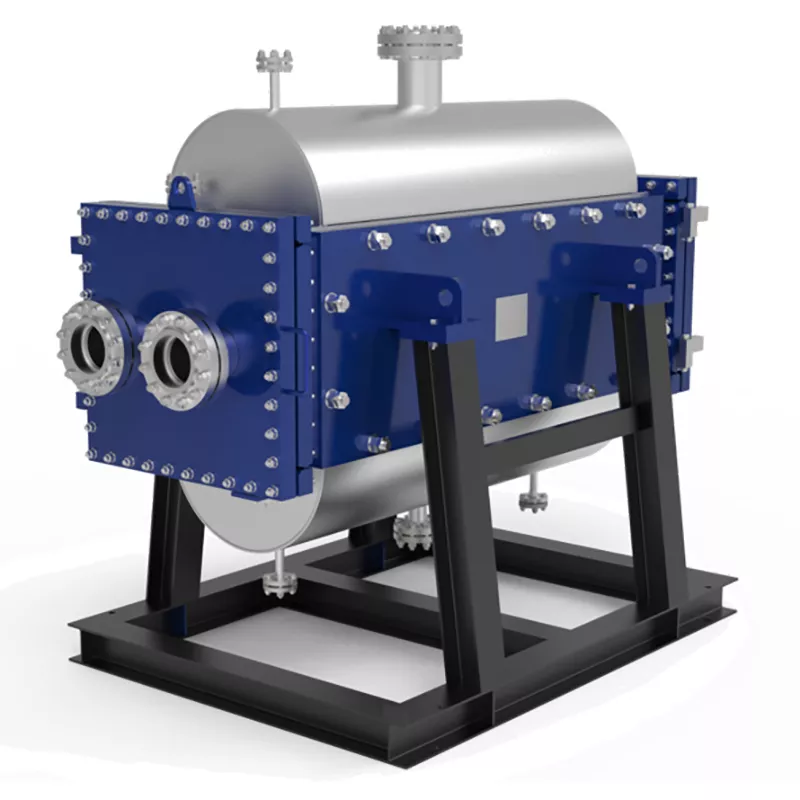
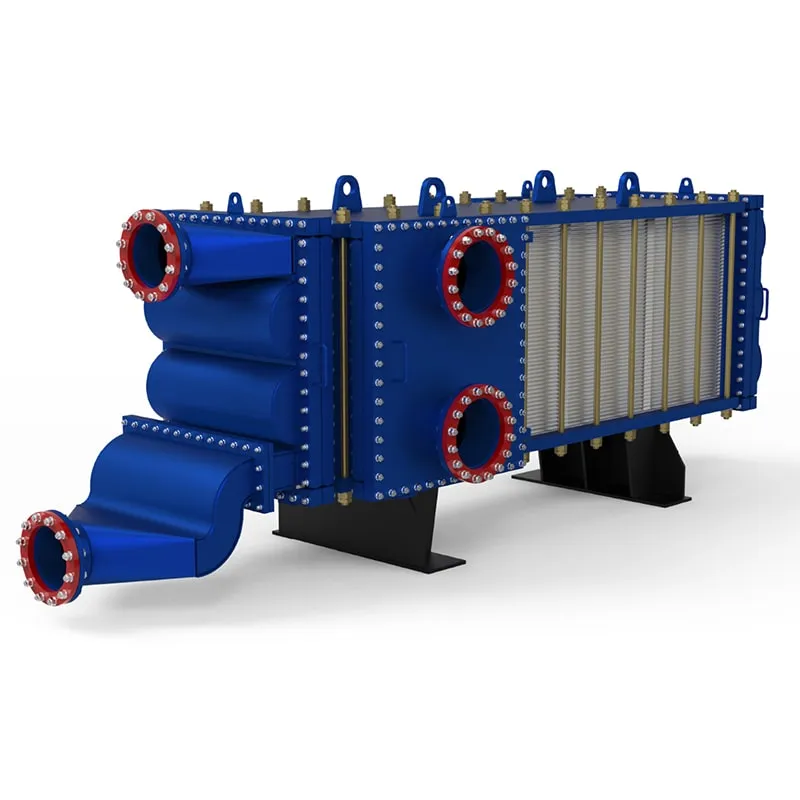
Not all heat exchangers handle dirty or particulate-laden wastewater equally. For applications with suspended solids or fibrous materials, a wide gap welded plate heat exchanger is often the best choice. Its plate spacing of 5–15 mm allows solids to pass through without clogging. For cleaner effluent streams, a gasketed plate heat exchanger offers high thermal efficiency and easy maintenance.
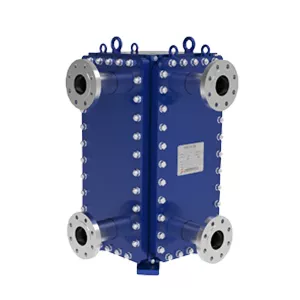
If you are dealing with high temperatures or aggressive chemicals, consider a fully welded design like the HT-Bloc welded plate heat exchanger or the TP welded plate heat exchanger. These units eliminate gaskets, reducing leak risk and extending service intervals. For extreme fouling, pillow plates or custom-engineered solutions may be required.
SHPHE offers all these configurations. Our team provides free thermal design and selection service to match the right unit to your specific wastewater characteristics.
Why Choose SHPHE for Your Wastewater Heat Recovery Heat Exchanger?
SHPHE is a Shanghai-based plate heat exchanger manufacturer founded in 2005. We export to more than 20 countries and hold ISO9001 and ASME U certifications. Our product lines include HT-Bloc and TP welded plate heat exchangers, wide gap welded plate heat exchangers, gasketed plate heat exchangers, PCHE, plate air preheaters, and pillow plates.
We do not just sell hardware. We offer free thermal design and selection service to ensure your wastewater heat recovery heat exchanger delivers the exact performance you need. Whether you are replacing an existing unit or building a new system, our engineers can recommend the optimal plate pattern, material, and configuration. Our units are compatible with major brands such as Alfa Laval, Compabloc, and GEA, making them reliable alternatives for retrofit projects.
Every wastewater heat recovery heat exchanger we produce is tested for pressure integrity and thermal performance before shipment. We stand behind our products with responsive technical support and fast spare parts delivery.
Frequently Asked Questions
Q: Can a wastewater heat recovery heat exchanger handle dirty water with solids?
Yes, but you need the right design. A wide gap welded plate heat exchanger or a custom pillow plate unit can handle suspended solids up to 5 mm. For fibrous or sticky materials, a self-cleaning or back-flushable design may be necessary. We always recommend a water analysis before final selection.
Q: What is the typical payback period for installing a wastewater heat recovery system?
Most industrial installations achieve payback within 12 to 24 months. Factors include flow rate, temperature difference, operating hours, and local energy prices. A free thermal study from SHPHE can give you a precise estimate for your site.
Q: Do I need special permits to install a wastewater heat recovery heat exchanger?
In most regions, no additional permits are required if the unit is installed downstream of existing treatment equipment. However, if you are modifying the discharge temperature or flow path, check local environmental regulations. Our team can provide documentation to support your compliance.
Q: How often does the heat exchanger need cleaning?
Cleaning frequency depends on water quality. For relatively clean effluent, once every 6–12 months is typical. For dirty streams, you may need to clean every 1–3 months. Gasketed designs allow easy plate access, while welded units may require chemical cleaning in place.
Q: Can I use the same unit for both heating and cooling?
Yes, a plate heat exchanger can be configured for heat recovery in one season and cooling in another. However, the design must account for the full range of operating temperatures and flow rates. SHPHE can design a dual-purpose unit if needed.
Q: Is SHPHE equipment compatible with existing Alfa Laval or GEA frames?
Yes, many of our plate heat exchangers are designed as direct replacements or alternatives for major brand frames. We can match bolt patterns, port sizes, and plate geometry to ensure a drop-in fit. Contact us with your existing model number for a compatibility check.
Request a Quote for Your Wastewater Heat Recovery Heat Exchanger
To get a precise recommendation and quotation, please provide the following details: flow rate (m³/h), inlet and outlet temperatures on both sides, operating pressure, and media characteristics (pH, solids content, viscosity). Our engineering team will perform a free thermal design and selection for your specific application.
A well-chosen wastewater heat recovery heat exchanger is one of the fastest ways to cut energy costs in your facility. With the right design and support from SHPHE, you can start saving from the first day of operation. Contact us today with your process parameters to begin the evaluation.

 English EN





User Comments
Service Experience Sharing from Real Customers
Elena
Maintenance SupervisorWe retrofitted our old brewery with this heat exchanger six months ago. The drop in our gas bill was immediate and noticeable—about 18% in the first quarter alone. Installation was straightforward, and the unit handles the greasy, yeasty wastewater from our cleaning cycles without clogging. Only wish I had done this years ago.
Raj
Senior Mechanical EngineerSpecified this unit for a new mid-rise apartment complex. The data sheets are accurate, and the pressure drop is well within our design limits. We're seeing consistent preheat temperatures on the domestic water side. It's a solid, no-nonsense piece of kit. Took a star off only because the flange gaskets could be a bit more robust for repeated disassembly during inspections.
Liam
Facilities ManagerHonestly, I was skeptical about the payback period, but this thing has been a workhorse. Our laundry operation runs hot water constantly, and this exchanger recovers enough heat to significantly cut our boiler runtime. The titanium plates were a must for our corrosive water, and they've held up perfectly. No leaks, no fouling issues. Highly recommend for industrial laundries.
Sofia
Process EngineerWorks fine for our dairy rinse water, but I had to oversize it a bit to account for the periodic high-temperature CIP (clean-in-place) surges. The efficiency is good under steady flow, but if your process batch flow varies wildly, you need to carefully model the thermal mass. It's not a magic bullet for every scenario. Customer support was helpful in explaining the limitations though.