How a Milk Pasteurizer Heat Exchanger Optimizes Dairy Processing
In dairy processing, maintaining precise thermal control during pasteurization directly impacts product safety, shelf life, and energy costs. A milk pasteurizer heat exchanger is the core component that transfers heat between raw milk and hot water or steam, ensuring pathogens are eliminated while preserving nutritional quality. This article explains how plate heat exchangers achieve this balance, what specifications matter for process engineers, and how to select the right equipment for your facility.
What Is a Milk Pasteurizer Heat Exchanger and Why Does It Matter?
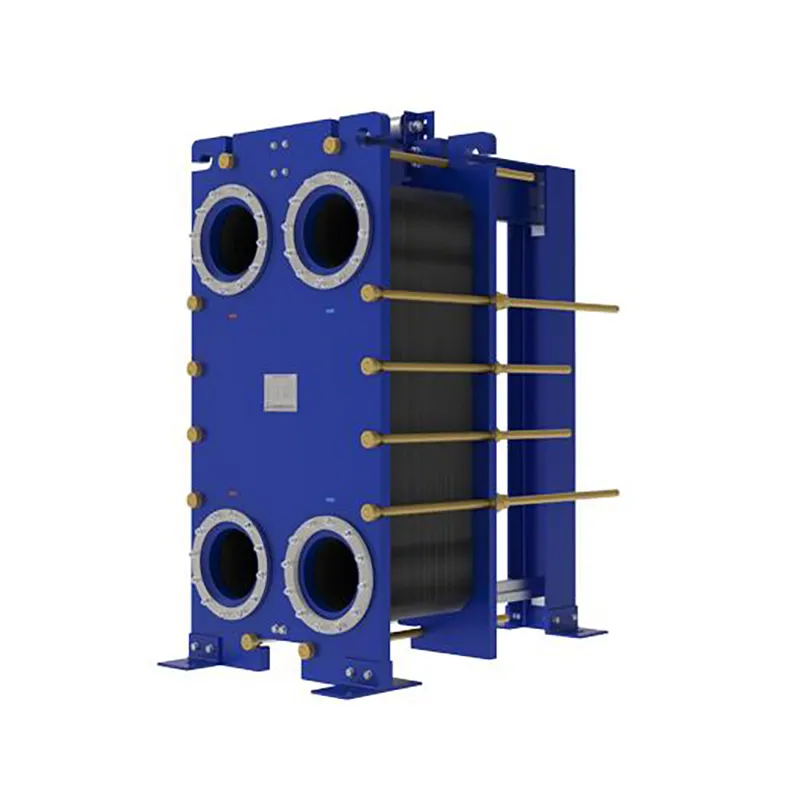
A milk pasteurizer heat exchanger is a thermal device designed to rapidly heat raw milk to a specific temperature (typically 72°C for 15 seconds in HTST systems) and then cool it immediately. This process kills harmful microorganisms without significantly altering the milk’s flavor or nutritional profile. Without an efficient heat exchanger, dairy plants face higher energy bills, inconsistent product quality, and increased fouling risks. The plate heat exchanger design, with its corrugated plates and narrow channels, offers high heat transfer coefficients and compact footprint, making it the industry standard for pasteurization duties.
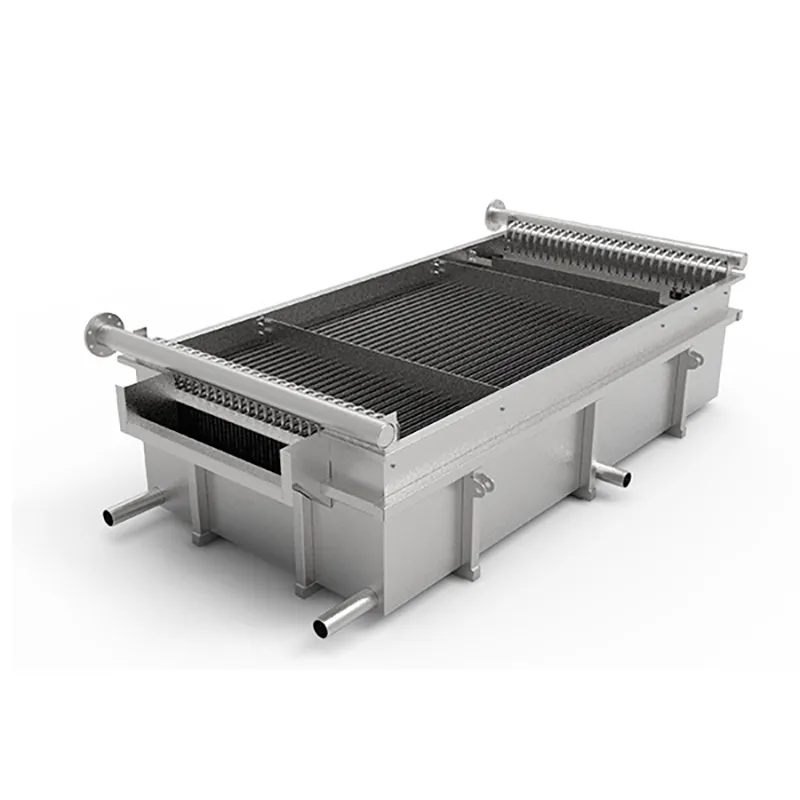
How Does a Plate Heat Exchanger Work in Pasteurization?
In a typical HTST (High-Temperature Short-Time) pasteurization system, raw milk enters the heat exchanger and flows through alternating channels between hot water plates. The counter-current flow arrangement maximizes temperature gradient, allowing the milk to reach the target temperature quickly. After holding at 72°C for 15 seconds, the milk passes through a regeneration section where it preheats incoming cold milk, recovering up to 90% of thermal energy. The final stage uses chilled water to bring the milk to storage temperature. This regenerative design is why a milk pasteurizer heat exchanger significantly reduces steam and cooling water consumption compared to batch methods.
Key Features and Typical Parameter Ranges
When evaluating a milk pasteurizer heat exchanger for your dairy line, consider these common specifications:
- Flow rate range: 1,000 to 50,000 L/h for standard dairy applications
- Operating temperature: Up to 150°C for pasteurization and cleaning-in-place (CIP) cycles
- Design pressure: Typically 6 to 16 bar, depending on gasket or welded construction
- Heat transfer coefficient: 3,000–7,000 W/m²·K for milk-to-water duties
- Plate material: AISI 316L stainless steel for corrosion resistance and food safety
- Gasket materials: EPDM or NBR, compliant with FDA and EU food contact regulations
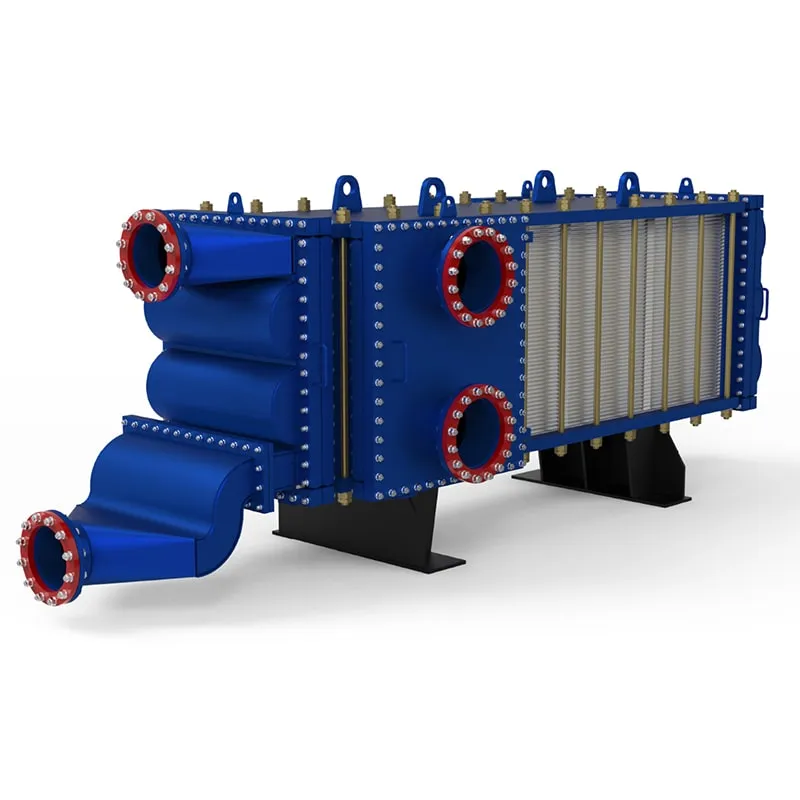
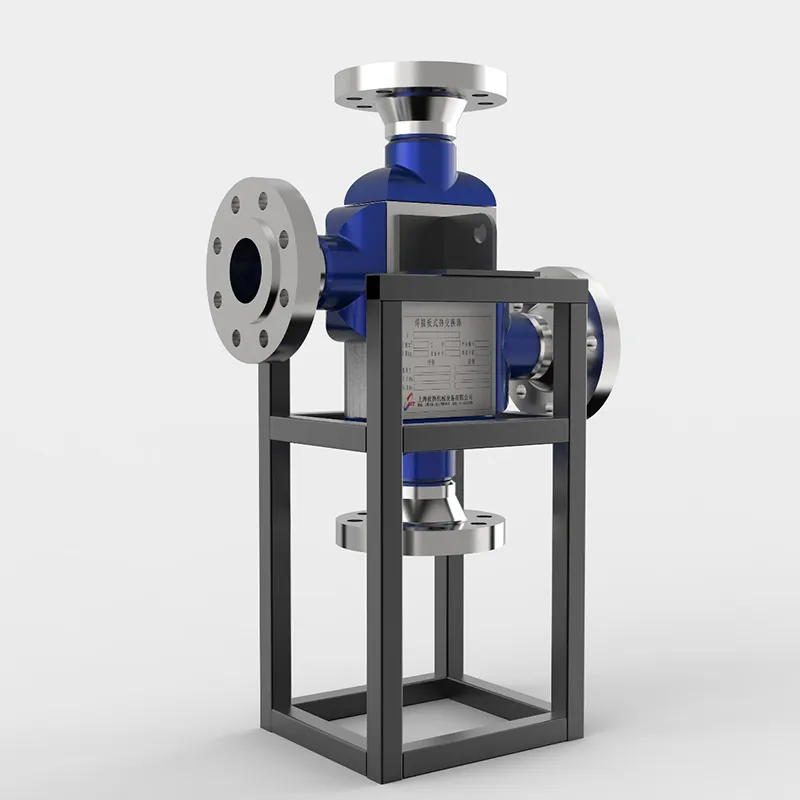
These parameters ensure the heat exchanger can handle the viscous nature of milk, frequent CIP cycles, and strict hygiene standards. For higher pressure or temperature demands, welded plate designs such as the HT-Bloc welded plate heat exchanger offer a gasket-free alternative with enhanced durability.
What Are the Common Applications in Dairy Processing?
Beyond fluid milk pasteurization, a milk pasteurizer heat exchanger is used in:
- Cheese milk pasteurization (63°C for 30 minutes or 72°C for 15 seconds)
- Yogurt mix heat treatment (85°C for 30 minutes)
- Cream pasteurization and cooling
- Whey protein concentrate heating and cooling
- Ice cream mix pasteurization and homogenization preheating
Each application requires careful selection of plate geometry, gasket material, and pressure drop tolerance. For products with high solids or fibrous content, a wide gap welded plate heat exchanger prevents clogging while maintaining thermal efficiency.
How to Choose the Right Heat Exchanger for Your Dairy Line?
Selection depends on your specific process parameters. For standard milk pasteurization, a gasketed plate heat exchanger offers flexibility and ease of maintenance. However, if you need to handle higher pressures or aggressive CIP chemicals, a fully welded design is preferable. For ultra-high temperature (UHT) applications (135–150°C), consider a printed circuit heat exchanger (PCHE) for its compact size and ability to withstand extreme thermal cycling. Always request a thermal design study based on your flow rate, inlet/outlet temperatures, and allowable pressure drop.
Why SHPHE for Your Milk Pasteurizer Heat Exchanger?
SHPHE, founded in 2005 in Shanghai, specializes in plate heat exchanger manufacturing with ISO9001 and ASME U certifications. Our product range includes gasketed, welded, and specialized designs compatible with or as alternatives to Alfa Laval, Compabloc, and GEA systems. We export to over 20 countries and provide free thermal design and selection services. Every milk pasteurizer heat exchanger we supply is tailored to your process conditions, ensuring optimal energy recovery and long service life. Our engineers work directly with your team to match plate patterns, gasket materials, and frame sizes to your existing setup.
Frequently Asked Questions
What is the typical lifespan of a milk pasteurizer heat exchanger?
With proper maintenance and regular CIP cleaning, a gasketed plate heat exchanger can last 10–15 years. Welded designs often exceed 20 years. Gaskets typically need replacement every 3–5 years depending on operating temperature and chemical exposure.
Can I use a milk pasteurizer heat exchanger for other liquids?
Yes, but only after thorough cleaning and if the plate material and gaskets are compatible. For viscous or fibrous products, a wide gap or welded design is recommended. Always consult the manufacturer to avoid cross-contamination or fouling issues.
How do I calculate the required heat transfer area for my dairy line?
You need the flow rate, specific heat of milk (approx. 3.93 kJ/kg·K), target temperature difference, and overall heat transfer coefficient. A typical U value for milk-to-water is 3,500 W/m²·K. SHPHE provides free thermal calculations when you submit your process parameters.
What is the difference between gasketed and welded plate heat exchangers for pasteurization?
Gasketed units allow plate removal for cleaning and capacity changes, but gaskets limit pressure and temperature ranges. Welded units (like HT-Bloc) eliminate gasket leaks, handle higher pressures (up to 40 bar), and are ideal for aggressive CIP chemicals, but cannot be disassembled for mechanical cleaning.
How often should I clean a milk pasteurizer heat exchanger?
Industry best practice is to perform CIP every 8–12 hours of continuous operation, or when the pressure drop increases by 15–20%. Daily cleaning with alkaline and acid solutions prevents protein and mineral fouling buildup.
Can SHPHE provide a heat exchanger compatible with my existing Alfa Laval frame?
Yes, we manufacture replacement plate packs and complete units that are compatible with Alfa Laval, GEA, and other major brands. Provide your frame model and port dimensions, and our team will match the plate geometry and gasket profile.
Request a Quote for Your Milk Pasteurizer Heat Exchanger
To receive a tailored thermal design and quotation, please provide the following details: required flow rate (L/h or GPM), inlet and outlet temperatures for both milk and service media, allowable pressure drop, operating pressure, and the type of product (whole milk, skim, cream, etc.). Our engineering team will respond within 48 hours with a recommended plate configuration, material options, and estimated dimensions. Contact SHPHE today to optimize your dairy processing efficiency with a reliable milk pasteurizer heat exchanger.

 English EN





User Comments
Service Experience Sharing from Real Customers
Liam
Dairy Production ManagerWe swapped out our old plate system for this heat exchanger three months ago, and the difference in pasteurization consistency is night and day. The flow rate stays steady even when we push the volume, and cleaning it is way less of a headache. My crew actually noticed fewer shutdowns for fouling. Solid build quality too.
Maya
Quality Assurance SupervisorI was skeptical about the claimed energy savings, but after running it for a full production week, our utility numbers don't lie—about 18% less steam usage compared to our previous unit. The only hiccup was a minor gasket seating issue on day one, but their tech support walked us through it in 20 minutes. Pretty happy with it overall.
Tomás
Maintenance TechnicianFinally a heat exchanger that doesn't make me want to quit every time I have to tear it down for CIP. The clamp design is actually tool-less, and the plates come apart without that awful sticking. Been in service for eight months now, zero micro-leaks. My back thanks whoever engineered this thing.
Priya
Process EngineerWe needed a compact solution for our small-batch specialty milk line, and this unit fit into a footprint half the size of what I expected. The temperature control is tight—within 0.3°C of setpoint during ramp-up. Data logging integration was straightforward with our existing SCADA. Would recommend for anyone needing precision without sacrificing floor space.