
A marine inert-gas dehumidifier must remove moisture without creating an unacceptable gas-side restriction or condensate carryover. SHPHE's plate-based unit combines cooling, condensate collection and gas–liquid separation, addressing the heat-transfer and drainage tasks as parts of the same process.
Humid gas can release water when cooled below its local dew point. Condensing that moisture is only the first step: the resulting droplets must drain and be separated before the gas continues downstream. Otherwise, water can remain in passages or be carried into pipework and tanks.
Marine inert-gas systems also have defined oxygen, pressure and safety requirements. A dehumidifier supports moisture control; it does not independently establish the oxygen concentration or replace the vessel's approved inert-gas safety functions.
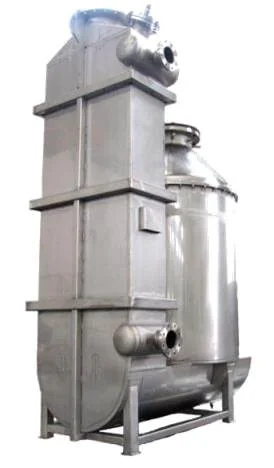
Plate cooling: humid gas transfers heat to a separate cooling circuit and part of the water vapor condenses.
Condensate collection: liquid drains into a collection section instead of remaining on the heat-transfer surfaces.
Gas–liquid separation: the separation section captures remaining droplets before the conditioned gas leaves the unit.
The thermal core, collector and separator must be sized together. Good condensation performance cannot compensate for an undersized drain or a separator operating outside its gas-velocity range.
| Input or acceptance item | Why it is needed |
|---|---|
| Gas flow, pressure, inlet temperature and moisture condition | Defines the thermal and moisture-removal load |
| Cooling-medium temperature and flow range | Determines the available condensation duty, especially in warm-water operation |
| Required outlet condition and permitted droplet carryover | Distinguishes vapor removal from liquid separation |
| Gas-side pressure-drop allowance | Protects the system's available pressure margin |
| Drainage and maintenance arrangement | Addresses vessel motion, access and cleaning requirements |
The gas side and cooling side are separate circuits, but that separation does not itself remove corrosion risk. Gas composition, condensate chemistry and the cooling medium must each be considered. Plate alloy, enclosure details and drainage should be reviewed for the actual marine service.
SHPHE's article describes a cleaning structure above the cooler that allows approved cleaning liquid to flush attached deposits. Cleaning chemistry and the return-to-service procedure must remain compatible with the supplied materials and the vessel's system requirements.
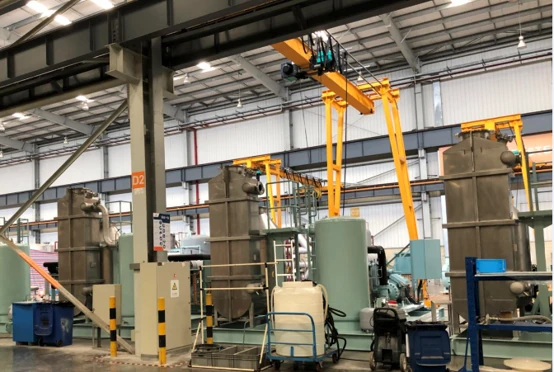
The published application report describes a change from approximately monthly maintenance to an interval exceeding six months after replacement with the plate dehumidifier. This is a result reported for that installation. A new vessel's interval depends on contamination, gas loading, coolant conditions and the effectiveness of drainage and cleaning.
Commissioning records should therefore include gas-side pressure drop, inlet and outlet conditions, condensate drainage and separation performance at the agreed operating points. These establish a more useful service baseline than a calendar interval alone.
Provide the inert-gas process requirements and cooling-water conditions when reviewing a dehumidification duty. For separate vessel utility cooling, SHPHE also supplies gasketed plate heat exchangers; that liquid-to-liquid application should be assessed independently from the dehumidifier's gas-side separation task.



 English EN