Why Choose a Hastelloy Plate Heat Exchanger for Aggressive Media Applications
Article Summary: This article explains why a Hastelloy plate heat exchanger is the preferred choice for handling aggressive media in chemical, petrochemical, and pharmaceutical processes. It covers working principles, key features, typical parameters, and application scenarios. The content also compares SHPHE’s solutions with industry alternatives and includes a practical FAQ section for procurement engineers.
When your process involves highly corrosive fluids like hydrochloric acid, sulfuric acid, or chloride-laden brines, standard stainless steel or titanium heat exchangers often fail prematurely. A Hastelloy plate heat exchanger offers superior resistance to pitting, stress corrosion cracking, and oxidation in such aggressive media. At SHPHE, we have been designing and manufacturing these units since 2005, serving over 20 countries with ISO9001 and ASME U certified products.
What Makes a Hastelloy Plate Heat Exchanger Different?
Hastelloy alloys, such as C-276 and C-22, contain high levels of nickel, molybdenum, and chromium. This composition provides exceptional resistance to both reducing and oxidizing acids. Unlike standard stainless steel, Hastelloy maintains its integrity in environments where pH levels drop below 2 or temperatures exceed 150°C. In a plate heat exchanger, these alloys are formed into thin corrugated plates that maximize heat transfer while minimizing material usage. The result is a compact unit that handles aggressive chemicals without frequent replacement.
How Does a Hastelloy Plate Heat Exchanger Work in Aggressive Media?
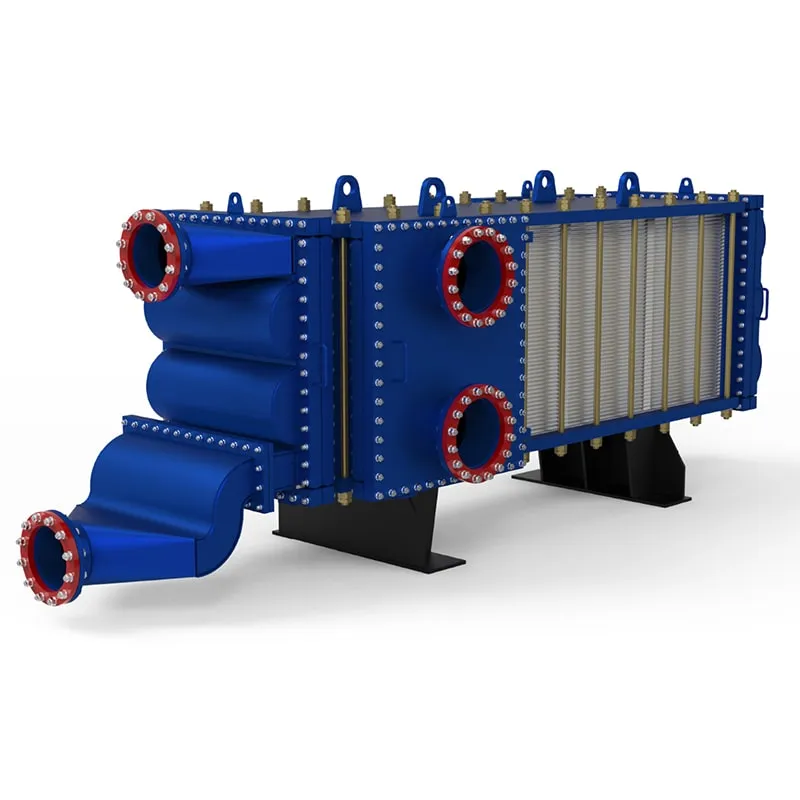
The working principle is similar to standard plate heat exchangers, but material selection is critical. Hot and cold fluids flow through alternating channels formed by corrugated plates. The plates are sealed with gaskets or welded, depending on the application. In aggressive media, welded plate designs are often preferred to avoid gasket degradation. The high turbulence created by the corrugation pattern enhances heat transfer coefficients, typically ranging from 3,000 to 7,000 W/m²·K for liquid-to-liquid duties. This efficiency means you can use fewer plates for the same thermal load, reducing both footprint and cost.
Key Features and Typical Parameter Ranges
- Material: Hastelloy C-276, C-22, or B-2 plates, with titanium or stainless steel options for less aggressive streams.
- Temperature range: -40°C to 400°C, depending on gasket or welded design.
- Pressure range: Up to 30 bar for gasketed units; up to 100 bar for welded designs like HT-Bloc.
- Plate thickness: 0.5 mm to 1.2 mm, balancing corrosion allowance with thermal performance.
- Connection sizes: 1 inch to 12 inches, customizable for specific flow rates.
These parameters are commonly accepted in the industry. For exact specifications, always consult with your supplier based on your process conditions.
What Are the Best Applications for a Hastelloy Plate Heat Exchanger?
Hastelloy plate heat exchangers excel in several demanding sectors:
- Chemical processing: Heating or cooling of hydrochloric acid, phosphoric acid, and chlorine dioxide.
- Petrochemical refining: Handling sour water, amine solutions, and catalyst slurries.
- Pharmaceutical manufacturing: Sterile processing where corrosion cannot contaminate products.
- Waste treatment: Recovery of heat from acidic effluents or brine streams.
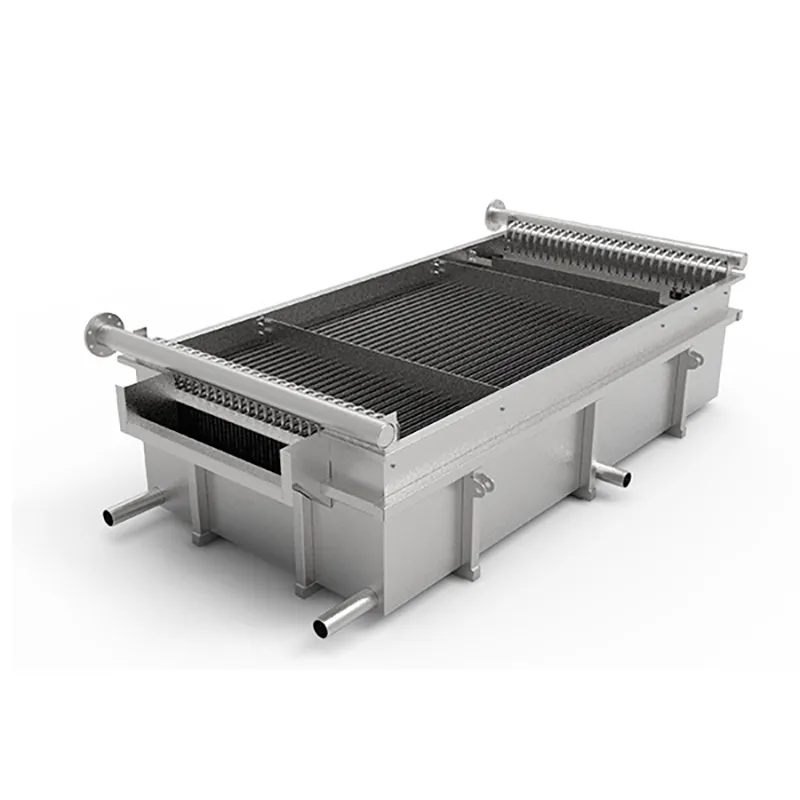
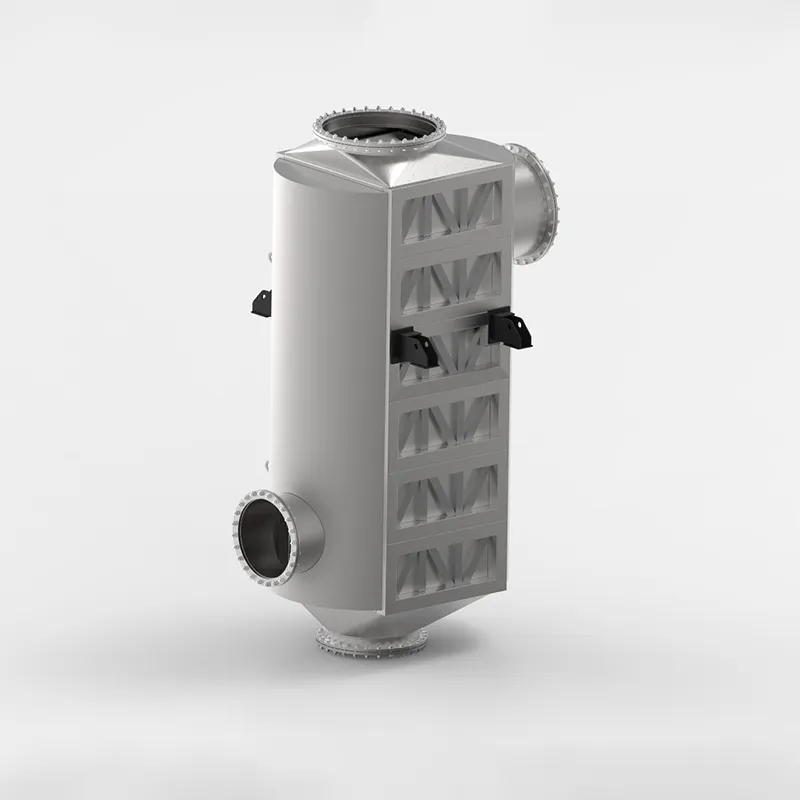
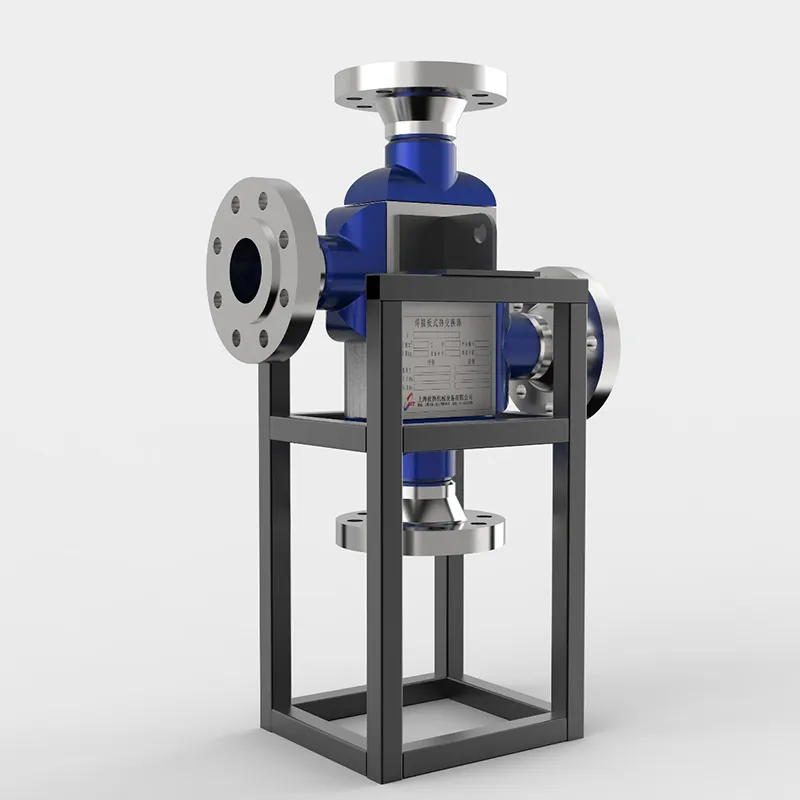
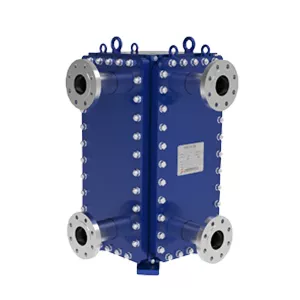
For these applications, SHPHE offers HT-Bloc welded plate heat exchangers and wide gap welded plate heat exchangers, both compatible with Hastelloy plates. These designs handle fouling fluids and high temperatures without gasket failure.
Why SHPHE for Your Hastelloy Plate Heat Exchanger?
SHPHE is a Shanghai-based manufacturer with nearly two decades of experience. We provide free thermal design and selection services, ensuring your unit is optimized for your specific media. Our product lines include gasketed plate heat exchangers, TP welded plate heat exchangers, and printed circuit heat exchangers, all available in Hastelloy. We are an alternative to brands like Alfa Laval and Compabloc, offering competitive lead times and direct technical support. Our ISO9001 and ASME U certifications guarantee quality and traceability.
Frequently Asked Questions
Q1: Can a Hastelloy plate heat exchanger handle hydrochloric acid at 20% concentration?
Yes, Hastelloy C-276 is specifically designed for hydrochloric acid up to 30% concentration at temperatures below 100°C. For higher temperatures or concentrations, consult our engineering team for a material compatibility review.
Q2: What is the typical lead time for a custom Hastelloy plate heat exchanger?
Standard lead times range from 6 to 10 weeks, depending on plate size and complexity. Rush orders can be accommodated for urgent projects. We recommend placing orders with process data at least 8 weeks before required delivery.
Q3: How do I choose between gasketed and welded Hastelloy plate heat exchangers?
Gasketed units are suitable for moderate temperatures (up to 180°C) and pressures (up to 30 bar) with compatible gasket materials. Welded designs, like HT-Bloc, handle higher temperatures and pressures, and eliminate gasket corrosion risks in aggressive media.
Q4: Can SHPHE provide a Hastelloy plate heat exchanger as a replacement for an existing Alfa Laval unit?
Yes, we offer drop-in replacements compatible with major brands. We need your existing unit’s plate dimensions, port locations, and thermal duty to design a direct replacement without piping modifications.
Q5: What is the maximum heat transfer area available in a single Hastelloy plate heat exchanger?
For welded designs, single units can reach up to 500 m². Gasketed units can go up to 2,000 m² with multiple plate packs. For larger duties, we recommend multiple units in parallel.
Q6: How do I maintain a Hastelloy plate heat exchanger in aggressive media service?
Regular cleaning with compatible solvents is essential. Avoid using hydrochloric acid for cleaning, as it can attack the Hastelloy surface. Use citric acid or specialized chelating agents. Inspect gaskets or welds annually for signs of degradation.
Request a Quote for Your Hastelloy Plate Heat Exchanger
Selecting the right Hastelloy plate heat exchanger for your aggressive media application requires accurate process data. To receive a tailored thermal design and quotation, please provide the following details:
- Flow rate (hot side and cold side) in m³/h or kg/s
- Inlet and outlet temperatures for both streams
- Operating pressure and allowable pressure drop
- Media composition, including concentrations of corrosive components
Our engineering team will review your requirements and respond with a preliminary design within 48 hours. Contact SHPHE today to ensure your process runs reliably with a Hastelloy plate heat exchanger built for the toughest conditions.

 English EN





User Comments
Service Experience Sharing from Real Customers
Liam
Process EngineerWe swapped out our old titanium unit for a Hastelloy plate heat exchanger in a sulfuric acid cooling loop. The corrosion resistance is night and day—no pitting after six months of continuous operation. Installation was straightforward, and the pressure drop is actually lower than I expected. Solid investment for aggressive chemical duty.
Sophie
Maintenance SupervisorBeen running this Hastelloy plate heat exchanger in a chlorinated brine line for about four months. So far, zero leaks and the plates are holding up great against the chlorine attack. Only reason I’m not giving 5 stars is the gasket replacement procedure is a bit fiddly—took us longer than the manual suggested. But performance-wise, it’s a beast.
Marcus
Lead TechnicianWe needed something that could handle high-temp sulfuric acid in our pickling line, and this Hastelloy plate heat exchanger nailed it. The thermal efficiency is impressive—our heating costs dropped noticeably. It’s been running 24/7 for eight months with zero fouling issues. My team loves how easy it is to open up for inspection. Highly recommend.
Elena
Project ManagerSpec'd this for a pharmaceutical intermediate plant where we handle aggressive organic acids. The Hastelloy construction passed all our corrosion tests with flying colors. Delivery was on time, and the vendor provided excellent support during commissioning. It’s been a year now, and we’ve had zero downtime related to the exchanger. Exactly what we needed.