Optimizing Thermal Transfer with a Caustic Soda Heat Exchanger
Selecting the right caustic soda heat exchanger is critical for process safety and energy efficiency in chemical plants. This article provides practical guidance on welded plate and gasketed designs, typical operating parameters, and common pitfalls to avoid when handling sodium hydroxide solutions. Whether you are upgrading an existing line or specifying new equipment, the information here will help you make an informed decision.
Handling hot caustic soda in a heat exchanger presents unique challenges due to its high corrosiveness, tendency to crystallize at lower concentrations, and potential for stress corrosion cracking in certain alloys. A properly designed caustic soda heat exchanger must balance thermal performance with material compatibility and long-term reliability. Process engineers and purchasing managers often face the task of selecting between gasketed and welded plate designs, each offering distinct advantages depending on temperature, pressure, and maintenance requirements. This article walks through the key considerations, from working principles to application-specific solutions, so you can optimize your thermal transfer system without compromising safety or uptime.
How Does a Caustic Soda Heat Exchanger Work?
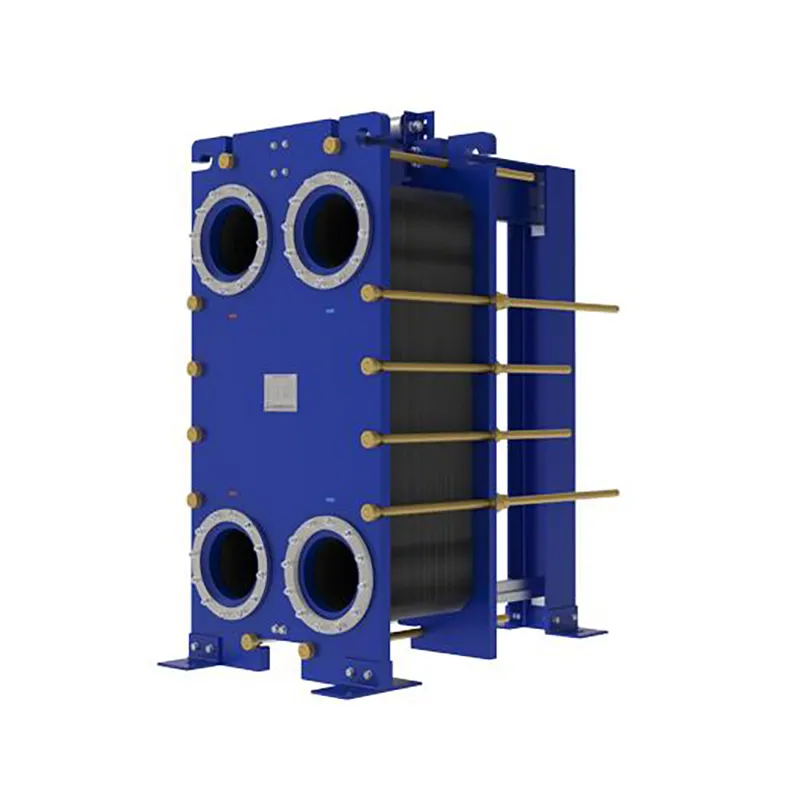
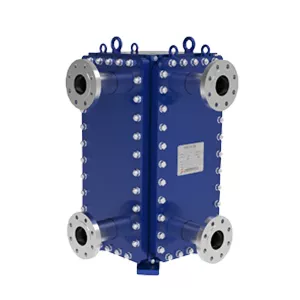
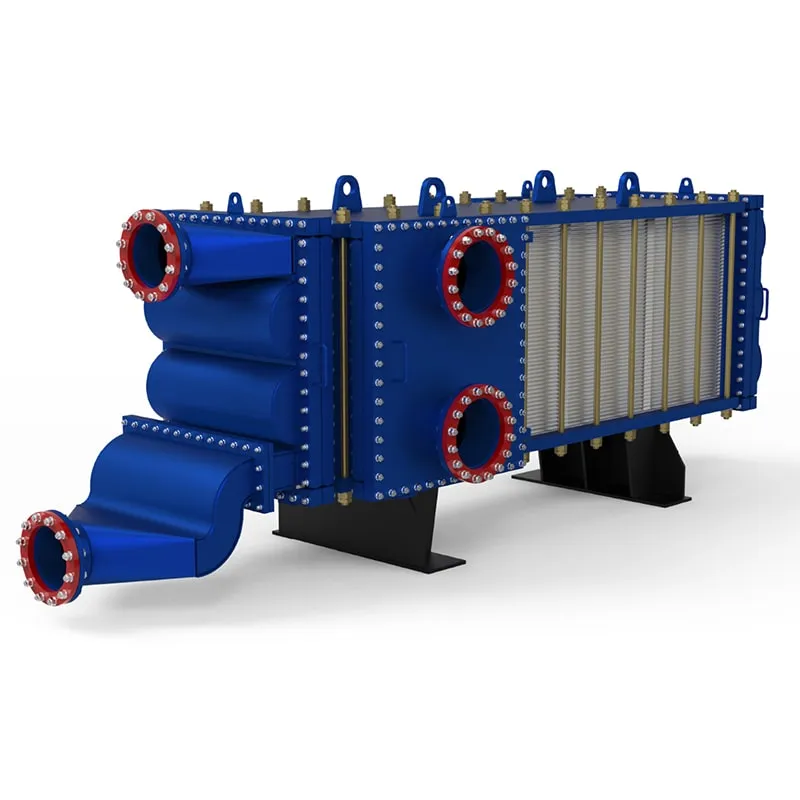
In a typical caustic soda heat exchanger, the hot sodium hydroxide stream flows through one set of channels while a cooling medium—such as water or a thermal fluid—flows through the adjacent channels. The plate-and-frame design creates a large surface area within a compact footprint, enabling efficient heat transfer even at low temperature differences. For caustic concentrations above 30% by weight and temperatures exceeding 80°C, welded plate heat exchangers are often preferred because they eliminate gasket materials that may degrade under aggressive chemical attack. The counter-current flow arrangement maximizes the log mean temperature difference, ensuring that the outlet temperature of the caustic stream meets process specifications.
What Are the Key Features of a Caustic Soda Heat Exchanger?
When evaluating a caustic soda heat exchanger, pay attention to the following design features that directly affect performance and service life:
- Material selection: Alloy 316L or higher-grade nickel alloys (e.g., Alloy C-276) for plates exposed to caustic above 50% concentration or temperatures above 100°C.
- Weld integrity: Fully welded plate packs (such as SHPHE's HT-Bloc or TP Welded series) eliminate gasket failure points and reduce leakage risk.
- Wide gap channels: For caustic solutions containing suspended solids or fibers, wide gap designs prevent fouling and reduce cleaning frequency.
- Thermal design flexibility: Free thermal selection service from manufacturers like SHPHE ensures the unit matches your exact flow rate and temperature targets.
- Compliance certifications: ISO9001 and ASME U stamp certification provide assurance of manufacturing quality and pressure vessel safety.
Typical Parameter Ranges for Caustic Soda Heat Exchangers
The following table summarizes commonly accepted operating ranges for plate heat exchangers handling caustic soda. Actual limits depend on specific alloy selection and design configuration.
| Parameter |
Typical Range |
| Caustic concentration (NaOH wt%) |
10% – 50% |
| Operating temperature |
20°C – 150°C |
| Design pressure |
Up to 30 bar (gasketed) / 40 bar (welded) |
| Flow rate per unit |
5 – 500 m³/h |
| Heat transfer coefficient (U-value) |
1,500 – 5,000 W/m²K |
Applications and Recommended Solutions
Caustic soda heat exchangers are used across multiple industries. Below are common process scenarios and the plate heat exchanger types that best address them:
- Chlor-alkali plants: Cooling concentrated caustic from electrolysis cells. Recommended: HT-Bloc Welded Plate Heat Exchanger for high-temperature and high-pressure duty.
- Pulp and paper mills: Heating or cooling black liquor and white liquor streams. Recommended: Wide Gap Welded Plate Heat Exchanger to handle fibrous solids without clogging.
- Chemical processing: Preheating caustic before reactors or evaporators. Recommended: TP Welded Plate Heat Exchanger for moderate temperatures with high thermal efficiency.
- Wastewater treatment: Neutralization and pH adjustment using caustic dosing. Recommended: Gasketed Plate Heat Exchanger for lower pressures and easy maintenance access.
Why Choose SHPHE for Your Caustic Soda Heat Exchanger?
SHPHE is a Shanghai-based plate heat exchanger manufacturer founded in 2005, exporting to more than 20 countries. The company holds ISO9001 and ASME U certifications, ensuring that every unit meets international quality and safety standards. Their product portfolio includes HT-Bloc and TP Welded Plate Heat Exchangers, Wide Gap Welded Plate Heat Exchangers, Gasketed Plate Heat Exchangers, PCHE, Plate Air Preheaters, and Pillow Plates. For caustic soda applications, SHPHE offers free thermal design and selection service, helping you match the right plate material, channel geometry, and gasket type to your specific process conditions. Their welded plate designs are compatible with or serve as an alternative to brands such as Alfa Laval, Compabloc, and GEA, giving you flexibility in retrofit or new projects.
Frequently Asked Questions
Q: Can I use a gasketed plate heat exchanger for hot caustic soda?
A: Yes, but only for caustic concentrations below 30% and temperatures under 80°C. Above these limits, gaskets made of EPDM or Viton may degrade quickly, leading to leaks. Welded plate designs are recommended for higher severity.
Q: What material is best for caustic soda heat exchanger plates?
A: For concentrations up to 50% and temperatures up to 100°C, Alloy 316L is commonly used. For higher temperatures or concentrations above 50%, nickel alloys such as Alloy C-276 provide better resistance to stress corrosion cracking.
Q: How often should I clean a caustic soda heat exchanger?
A: Cleaning frequency depends on caustic purity and operating temperature. In clean service, annual inspection and cleaning may suffice. If scaling or fouling occurs, consider a wide gap design or install a strainer upstream to extend intervals.
Q: Is a caustic soda heat exchanger compatible with Alfa Laval or GEA frames?
A: Many welded plate designs from SHPHE are dimensionally compatible with standard frames from Alfa Laval, Compabloc, and GEA. Always verify port locations and bolt patterns before ordering a retrofit plate pack.
Q: What is the typical lead time for a custom caustic soda heat exchanger?
A: Lead times vary by complexity and material availability. For standard welded plate units, 6 to 10 weeks is common. Custom designs with exotic alloys may require 12 to 16 weeks. Request a timeline during the thermal design phase.
Q: Do you provide thermal design support for free?
A: Yes, SHPHE offers free thermal design and selection service. Simply provide your process parameters, and their engineers will recommend the optimal caustic soda heat exchanger configuration for your application.
Request a Quote for Your Caustic Soda Heat Exchanger
To get a precise recommendation for your caustic soda heat exchanger, please provide the following details to the SHPHE engineering team: flow rate (hot and cold sides), inlet and outlet temperatures, operating pressure, caustic concentration, and any known impurities or solids content. With this information, they can perform a free thermal design and deliver a unit that meets your process requirements. A well-specified caustic soda heat exchanger not only improves energy efficiency but also reduces downtime and maintenance costs over the equipment lifecycle.

 English EN





User Comments
Service Experience Sharing from Real Customers
Mike
Lead Process EngineerWe run a 25% caustic loop in our chlor-alkali plant, and this heat exchanger has been a lifesaver. The nickel alloy construction holds up beautifully against the high pH and temperature spikes. We had a competitor's unit fail after six months; this one's been running for 18 with zero issues. The pressure drop is also lower than expected, which saves us pump energy. Solid piece of kit.
Sarah
Shift SupervisorNot gonna lie, I was skeptical about the price tag at first. But after dealing with constant pitting on our old carbon steel units, this was worth every penny. We use it for pre-heating caustic soda before our soap saponification process. The Teflon-lined option we got handles the intermittent flow just fine. Only downside is the cleaning cycle takes a bit longer because you have to be careful not to scratch the lining, but that's a small trade-off for durability.
Raj
Maintenance TechnicianI'm the guy who has to unclog and repair these things. This model is the easiest I've ever worked on. The tube bundle pulls out smoothly, and the gasket design doesn't leak after reassembly like some others. We're handling hot 50% caustic, and there's zero sign of stress corrosion cracking after a year. The threaded connections are beefy too, no stripped threads. My only gripe is the drain port is a bit small, but I'll take that over a weld failure any day.
Emma
Plant ManagerWe needed a compact solution for a retrofit in our wastewater neutralization system, where we inject caustic to adjust pH. This unit fit into a tight space without sacrificing heat transfer efficiency. The stainless steel shell has held up well against the corrosive fumes in the room. It's been three months and no leaks. Would have given 5 stars if the documentation included a clearer diagram for the support bracket placement, but customer support helped us figure it out.