How to Use a Plate Heat Exchanger Selection Guide for Industrial Applications
Selecting the right plate heat exchanger for your industrial process can feel overwhelming when you are balancing thermal performance, pressure drop, material compatibility, and budget. This practical guide walks you through the key parameters, common pitfalls, and a step-by-step approach to using a plate heat exchanger selection guide effectively. Whether you are upgrading an existing system or designing a new line, understanding how to match your process fluids to the correct heat exchanger type — from gasketed to welded designs — will save you time and operational cost. We focus on real-world data and industry-standard ranges, not marketing claims.
What Is a Plate Heat Exchanger Selection Guide and Why Do You Need One?
A plate heat exchanger selection guide is a structured reference that helps engineers and procurement professionals choose the right heat exchanger model based on process conditions. It typically includes thermal duty requirements, flow rates, temperature ranges, pressure limits, and material options. Without a reliable guide, you risk oversizing the unit — which wastes capital — or undersizing it, which leads to poor heat transfer and frequent maintenance. For overseas process engineers and purchasing managers, a solid selection guide reduces guesswork and ensures the equipment meets both process and regulatory standards.
Most industrial applications involve liquids or gases that are corrosive, viscous, or contain particulates. A generic heat exchanger will not handle these well. That is why a selection guide must account for media properties, fouling tendencies, and allowable pressure drops. When you use a guide tailored to your industry — such as chemical, oil and gas, or food processing — you can quickly narrow down between gasketed, welded, or semi-welded designs.
How Does a Plate Heat Exchanger Work in a Typical Industrial Process?
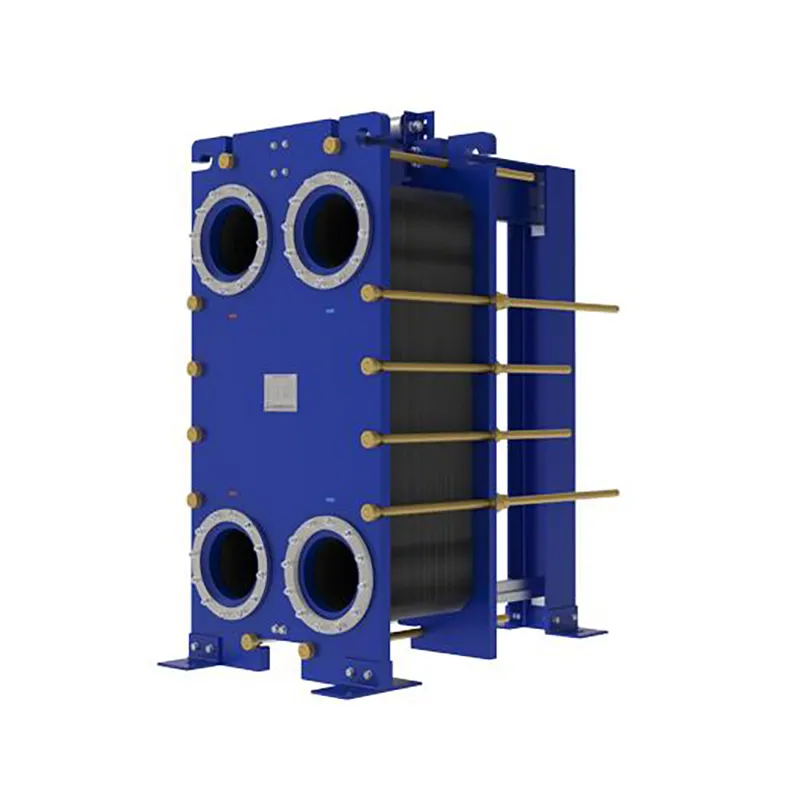
A plate heat exchanger transfers heat between two fluids through a series of corrugated metal plates. The plates create alternating channels for hot and cold media, maximizing surface area while keeping the fluids separated. In a typical setup, the hot process fluid enters one set of channels, and the cooling medium — often water or a thermal oil — flows through the adjacent channels. The corrugations induce turbulence, which significantly improves heat transfer coefficients compared to smooth tubes.
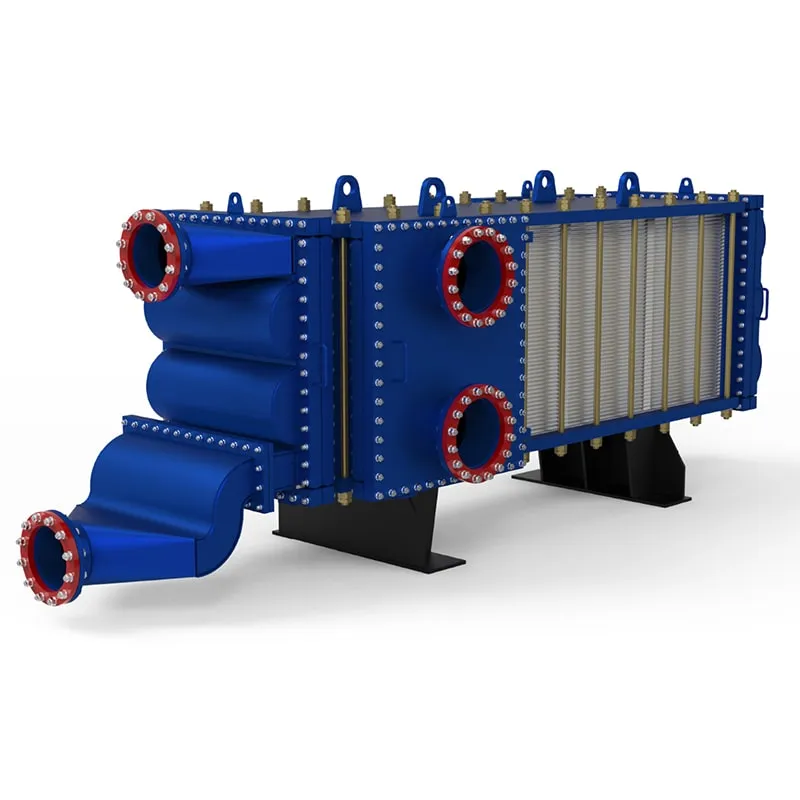
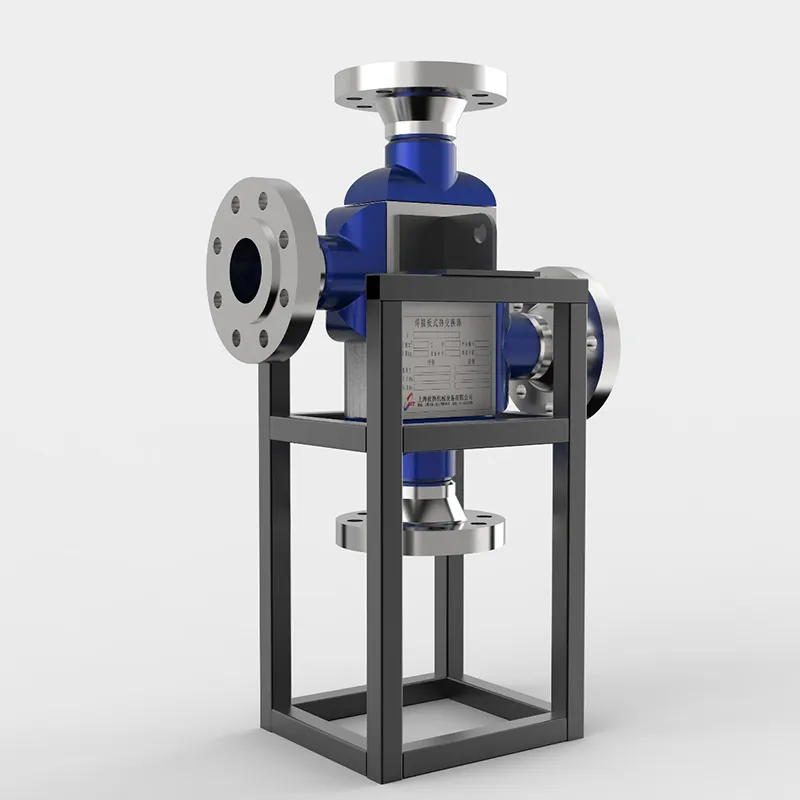
For example, in a chemical plant where you need to cool a 120°C sulfuric acid stream down to 50°C, a gasketed plate heat exchanger with titanium plates can handle the corrosive nature while maintaining a compact footprint. The selection guide will help you determine the number of plates, the plate pattern, and the gasket material required. If your process involves high temperatures or aggressive chemicals, you might need a welded plate heat exchanger like the HT-Bloc or TP Welded design, which eliminates gasket failure risks.
Key Features and Typical Parameter Ranges in a Selection Guide
A comprehensive plate heat exchanger selection guide will list several critical parameters. Below are the most common ones you will encounter:
- Thermal duty (kW or MW): The amount of heat that must be transferred. Typical industrial units range from 10 kW to over 50 MW.
- Flow rate (m³/h or GPM): Both hot and cold side flow rates. Common ranges are 1–5000 m³/h per unit.
- Temperature range (°C or °F): Inlet and outlet temperatures. Gasketed units usually handle up to 180°C; welded designs can go to 500°C or higher.
- Pressure rating (bar or psi): Maximum allowable working pressure. Standard gasketed units go to 25 bar; welded units can reach 100 bar.
- Pressure drop (kPa or psi): Allowable pressure loss across the exchanger. Typically 20–100 kPa per side.
- Materials of construction: Plates in stainless steel (304, 316L), titanium, Hastelloy, or nickel alloys. Gaskets in NBR, EPDM, or Viton.
- Connection sizes: From DN25 to DN500 depending on flow rate.
These values are industry-accepted ranges. Your actual selection will depend on your specific process conditions. For instance, if you are handling a slurry with fibers, a wide gap welded plate heat exchanger is often recommended because the wider channel spacing prevents clogging.
What Are the Most Common Industrial Applications for Plate Heat Exchangers?
Plate heat exchangers are used across many industries. Here are some typical scenarios where a selection guide becomes essential:
- Chemical processing: Cooling or heating aggressive chemicals like acids, caustics, and solvents. Often requires titanium or Hastelloy plates.
- Oil and gas: Crude oil heating, gas cooling, and amine treatment. High-pressure welded designs are common.
- Food and beverage: Pasteurization, sterilization, and cooling of juices, dairy, and beer. Gasketed units with EPDM gaskets are standard.
- HVAC and district energy: Chilled water and hot water loops. Large gasketed units with stainless steel plates are typical.
- Power generation: Cooling of lube oil, jacket water, and steam condensate. Welded or semi-welded units handle high temperatures.
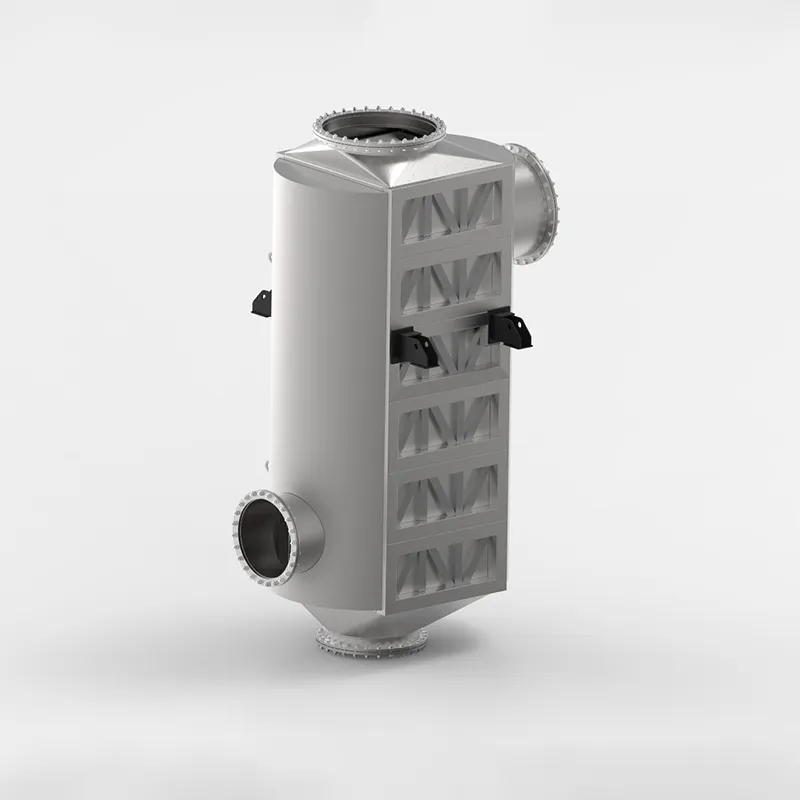
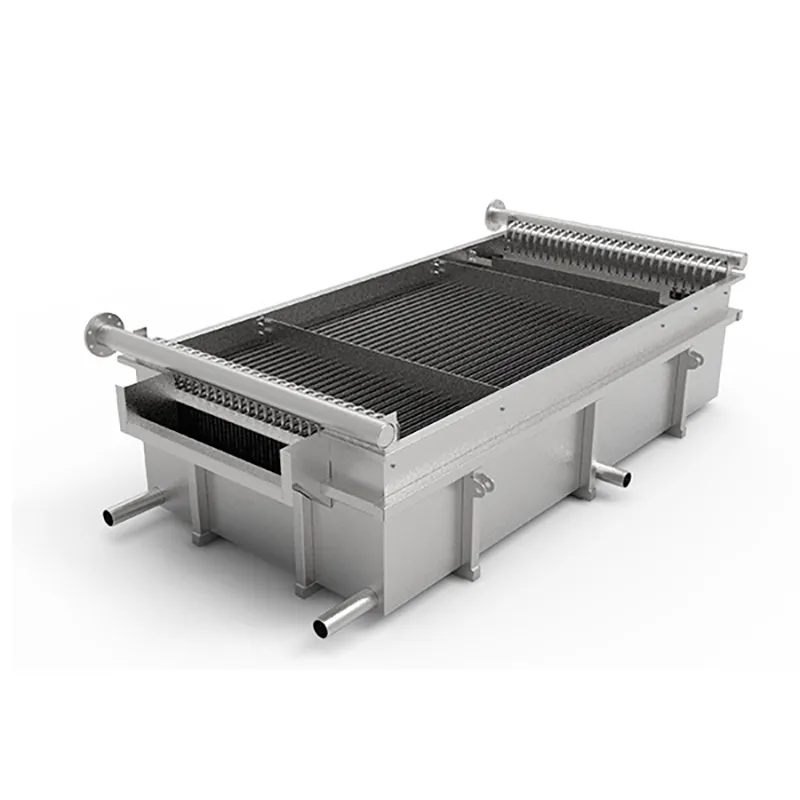
For each application, the selection guide will recommend a specific product line. For example, in a refinery where you need to recover heat from a dirty gas stream, a plate air preheater is a better fit than a standard gasketed unit because it handles particulate-laden gases without fouling.
Why Choose SHPHE for Your Plate Heat Exchanger Needs?
SHPHE is a Shanghai-based manufacturer founded in 2005, exporting to over 20 countries. We hold ISO9001 and ASME U certifications, which means our design and fabrication processes meet international quality standards. Our product portfolio includes HT-Bloc and TP Welded Plate Heat Exchangers, Wide Gap Welded Plate Heat Exchangers, Gasketed Plate Heat Exchangers, PCHE, Plate Air Preheaters, and Pillow Plates. We offer free thermal design and selection services, so you can get a customized recommendation without upfront engineering costs.
If you are currently using equipment from brands like Alfa Laval, Compabloc, or GEA, our units are compatible with those designs and can serve as a reliable alternative. We do not claim to be the largest manufacturer, but we focus on delivering robust, field-proven heat exchangers that perform consistently. Our selection guide is built on decades of industrial experience, not theoretical models.
Frequently Asked Questions About Plate Heat Exchanger Selection
1. How do I know if I need a gasketed or welded plate heat exchanger?
If your process temperature stays below 180°C and pressure under 25 bar, and the fluids are not highly corrosive to gaskets, a gasketed unit is cost-effective. For higher temperatures, aggressive chemicals, or where leakage cannot be tolerated, a welded design like the TP Welded Plate Heat Exchanger is the safer choice.
2. What is the typical pressure drop I should allow in a plate heat exchanger?
For most industrial applications, a pressure drop of 30–80 kPa per side is standard. Lower pressure drops require more plates and a larger unit, while higher drops increase pumping costs. Your selection guide will help you balance these factors based on your pump capacity.
3. Can I use a plate heat exchanger for fluids with solids or fibers?
Yes, but you need a wide gap design. Standard plate heat exchangers have narrow channels (2–5 mm) that clog easily. A wide gap welded plate heat exchanger offers channel gaps up to 15 mm, making it suitable for slurries, pulp, and wastewater.
4. How do I select the right plate material for corrosive fluids?
Start by identifying the fluid composition, concentration, and temperature. For chlorides, titanium or Hastelloy C-276 is common. For sulfuric acid at moderate temperatures, stainless steel 316L works. Always consult a corrosion chart or your supplier — SHPHE offers free material selection advice.
5. What is the difference between a gasketed and a semi-welded plate heat exchanger?
In a gasketed unit, both fluids are sealed with gaskets. In a semi-welded design, one fluid path is welded (no gaskets) and the other uses gaskets. This is ideal when one fluid is aggressive or hazardous, and the other is benign. It reduces gasket exposure and leakage risk.
6. How long does it take to get a thermal design and quotation?
For standard inquiries, SHPHE typically provides a free thermal design and selection within 1–2 business days. Complex projects with multiple operating conditions may take 3–5 days. You just need to provide flow rate, temperature, pressure, and media details.
Request a Quote: Provide Your Process Parameters
To get an accurate plate heat exchanger selection for your industrial application, please send us the following details: flow rate (hot and cold side), inlet and outlet temperatures, operating pressure, allowable pressure drop, and the media type (including any corrosive or fouling characteristics). Our engineering team will use the plate heat exchanger selection guide to recommend the optimal model and provide a free thermal design. We do not share your data with third parties, and there is no obligation to purchase.
Whether you need a compact gasketed unit for a food plant or a high-pressure welded exchanger for a refinery, SHPHE has the experience and certified manufacturing to deliver. Contact us today with your process parameters, and we will respond with a tailored solution.

 English EN





User Comments
Service Experience Sharing from Real Customers
Mike
Maintenance SupervisorI've been using this selection guide for the past three months while upgrading our brewery's cooling system. It saved me a ton of guesswork—especially the section on gasket materials and pressure drops. Finally, a resource that doesn't assume you're a thermal engineer.
Sarah
HVAC DesignerGood, practical guide for medium-scale commercial projects. The flow arrangement comparisons are clear, though I wish it had more data on titanium plates for seawater applications. Still, it helped me spec a unit for a hotel retrofit without oversizing.
Tom
Plant EngineerHonestly, this guide is a lifesaver when you're dealing with old, clogged exchangers in a chemical plant. The troubleshooting checklist alone is worth it. I recommended it to two of my colleagues already. No fluff, just solid selection criteria.
Emma
Junior Process TechnicianIt's a decent starting point for someone like me who's new to plate heat exchangers. I found the math examples a bit rushed, and a few terms weren't explained well for beginners. But the layout is clean, and the diagrams help a lot.