Understanding the Plate Heat Exchanger Working Principle
This article explains the core working principle of a plate heat exchanger, covering how heat transfers between fluids through corrugated plates. It provides practical insights for process engineers and purchasing managers, including key design parameters, application scenarios, and selection tips. The content focuses on real-world performance without marketing hype.
A plate heat exchanger is a compact device that transfers heat between two fluids without mixing them. Its working principle relies on a stack of thin, corrugated metal plates that create alternating channels for hot and cold fluids. This design maximizes surface area and turbulence, achieving high thermal efficiency in a small footprint. For overseas process engineers and purchasing managers, understanding this principle helps in specifying the right unit for specific process conditions.
What Is the Basic Working Principle of a Plate Heat Exchanger?
The plate heat exchanger working principle involves two fluids flowing through separate channels formed by gasketed or welded plates. Each plate has a corrugated pattern that induces turbulent flow, which significantly improves heat transfer compared to laminar flow. Hot fluid enters one set of channels, cold fluid enters the adjacent set, and heat passes through the thin plate material. The counter-current flow arrangement—where fluids move in opposite directions—maintains a consistent temperature gradient along the plate length, boosting efficiency.
Key elements of this principle include:
- Corrugated plate geometry that creates high turbulence and shear.
- Thin plate material (typically 0.4–0.8 mm) for low thermal resistance.
- Counter-current flow for maximum temperature driving force.
- Modular plate stacking that allows capacity adjustment by adding or removing plates.
How Does the Plate Heat Exchanger Working Principle Apply to Different Designs?
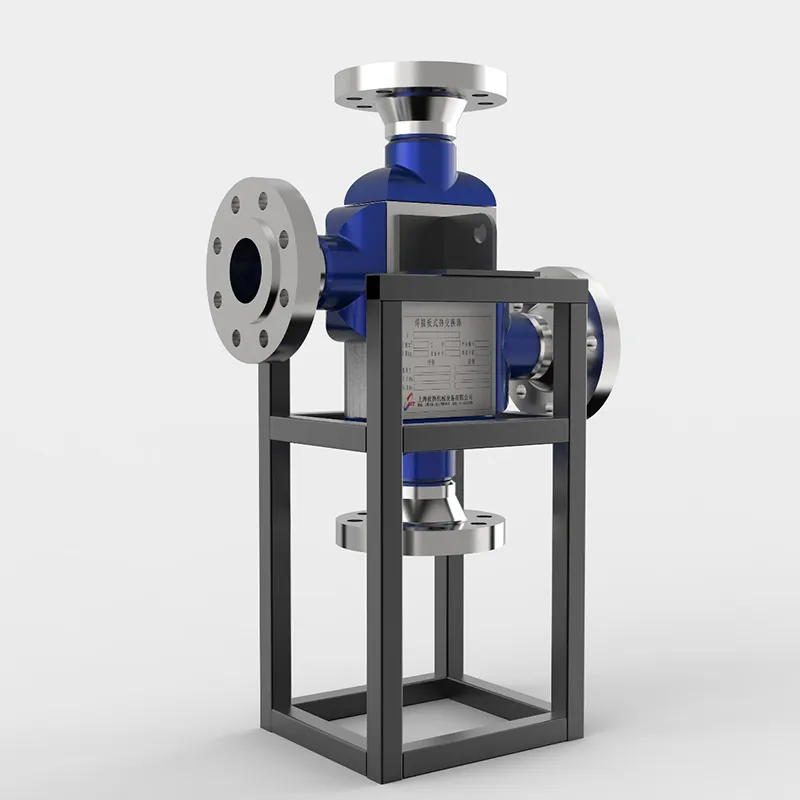
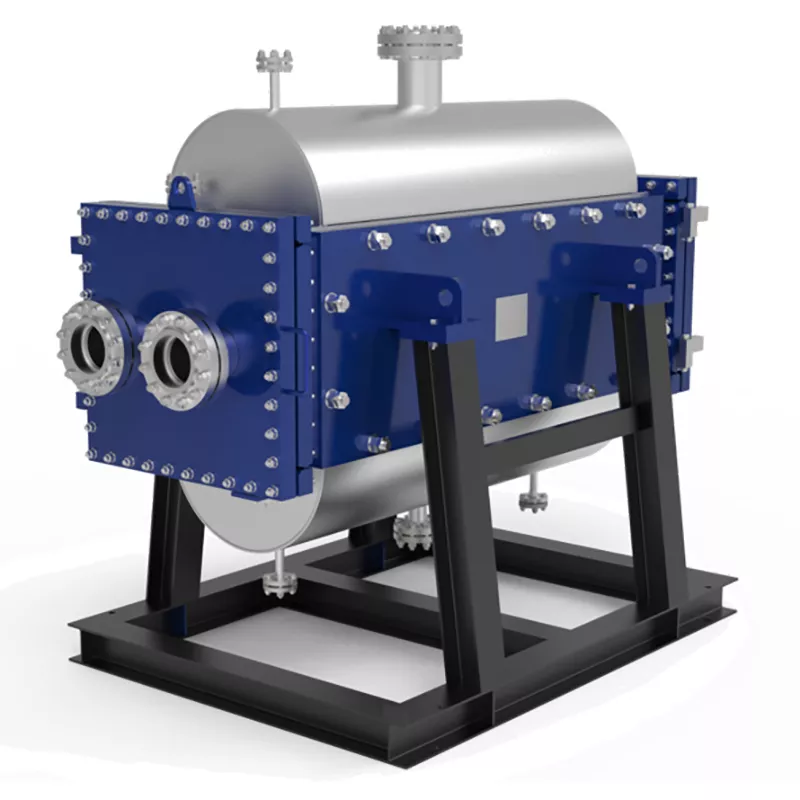
The same core principle applies across gasketed, brazed, and welded plate heat exchangers, but each variant handles pressure, temperature, and fluid compatibility differently. For instance, gasketed units are easy to disassemble for cleaning, making them suitable for food and pharmaceutical processes. Welded versions, such as the HT-Bloc welded plate heat exchanger, eliminate gaskets for higher temperature and pressure applications. The plate heat exchanger working principle remains unchanged, but material selection and sealing methods adapt to the duty.
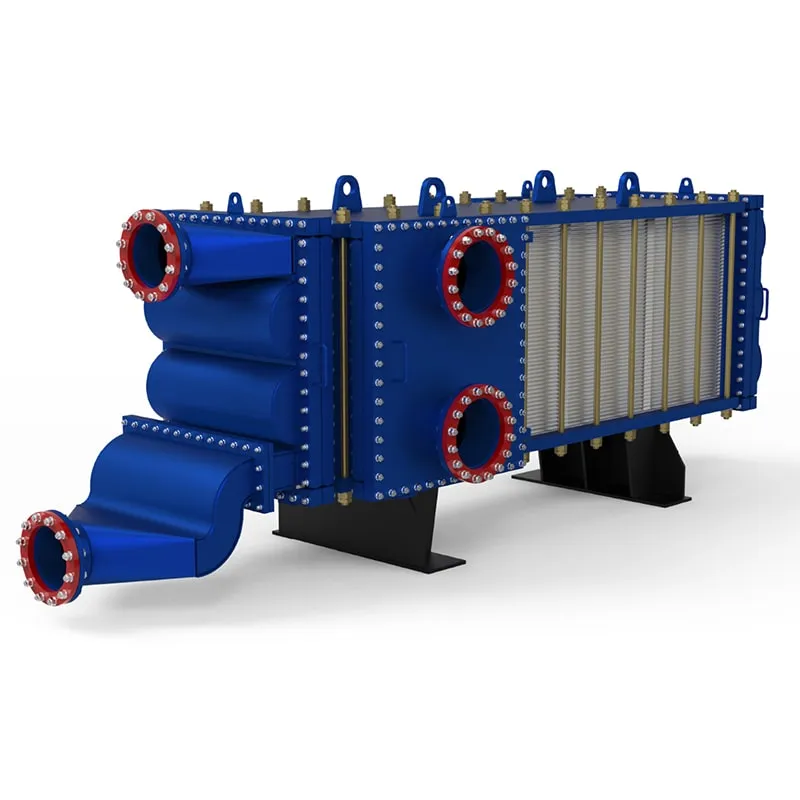
In wide gap designs, the plate spacing is increased to handle fluids with suspended solids or fibers. This variant still relies on the same counter-current flow and corrugated surface, but the wider channels prevent clogging. Understanding these variations helps engineers choose the right configuration without compromising thermal performance.
Typical Parameter Ranges for Plate Heat Exchangers
Industry-standard plate heat exchangers operate within these commonly accepted ranges:
| Parameter |
Typical Range |
| Operating temperature |
-20°C to 200°C (gasketed); up to 350°C (welded) |
| Operating pressure |
Up to 25 bar (gasketed); up to 40 bar (welded) |
| Plate material |
Stainless steel 304/316L, titanium, Hastelloy |
| Flow rate per unit |
1 to 500 m³/h (customizable) |
| Heat transfer coefficient |
3,000–7,000 W/m²·K (water-to-water) |
These values are generic and can shift based on fluid properties, fouling factors, and plate geometry. Always consult a manufacturer for duty-specific calculations.
What Are the Common Applications of Plate Heat Exchangers?
Plate heat exchangers are used across many industries due to their compact size and high efficiency. Typical applications include:
- HVAC systems for district heating and cooling.
- Chemical processing for heating or cooling corrosive fluids.
- Food and beverage for pasteurization and sterilization.
- Oil and gas for waste heat recovery.
- Power generation for condenser and preheater duties.
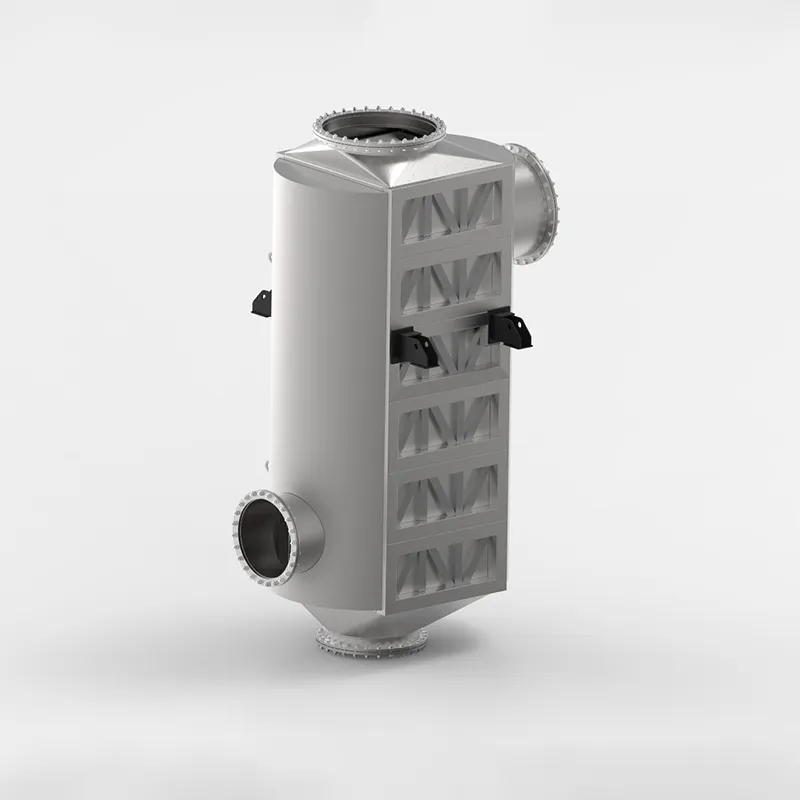
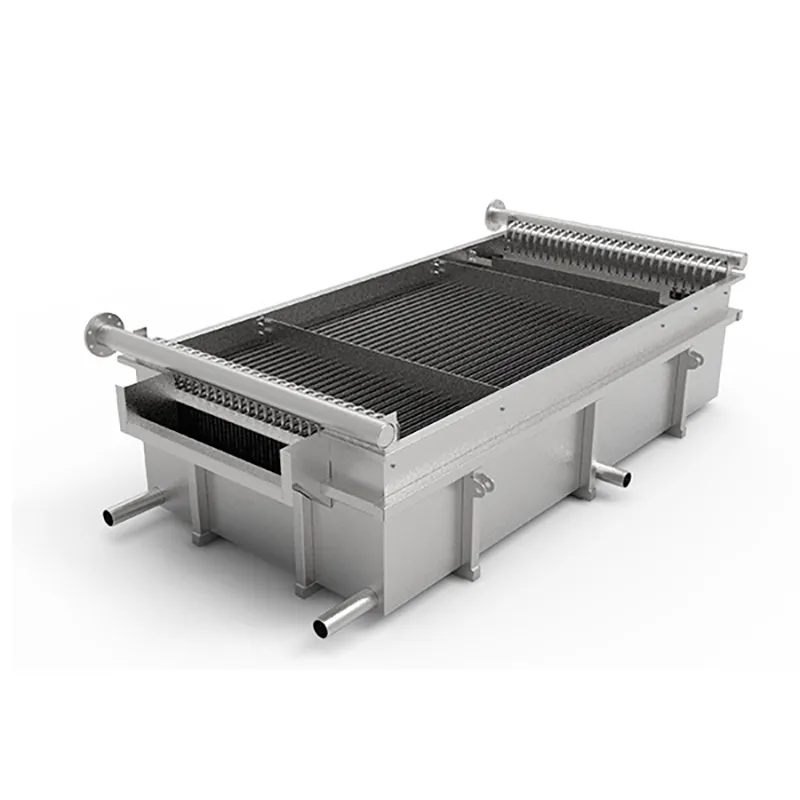
For processes involving high temperatures or aggressive media, welded designs like the wide gap welded plate heat exchanger offer a reliable solution. Similarly, plate air preheaters recover heat from exhaust gases in industrial boilers, improving overall plant efficiency.
Why Choose SHPHE for Your Plate Heat Exchanger Needs?
SHPHE is a Shanghai-based plate heat exchanger manufacturer founded in 2005, exporting to over 20 countries. The company holds ISO9001 and ASME U certifications, ensuring consistent quality and compliance with international standards. Their product range includes HT-Bloc and TP welded plate heat exchangers, wide gap welded units, gasketed plate heat exchangers, PCHE, plate air preheaters, and pillow plates. SHPHE offers free thermal design and selection services, helping engineers specify the correct unit based on process data.
For buyers looking for an alternative to brands like Alfa Laval or Compabloc, SHPHE provides compatible designs with competitive lead times. Their gasketed plate heat exchangers are widely used in hygienic applications, while the TP welded plate heat exchanger handles higher pressures without gasket failure risks.
Frequently Asked Questions About Plate Heat Exchangers
How does a plate heat exchanger achieve high efficiency?
The plate heat exchanger working principle uses corrugated plates to create turbulent flow, which breaks up boundary layers and increases heat transfer. The thin plate material and counter-current flow further enhance thermal performance, achieving coefficients three to five times higher than shell-and-tube designs.
Can a plate heat exchanger handle viscous fluids?
Yes, but the plate design must be selected carefully. Wide gap or semi-welded plates accommodate higher viscosity and fluids with particles. The plate heat exchanger working principle still applies, but channel geometry and spacing are adjusted to maintain flow and prevent fouling.
What is the difference between gasketed and welded plate heat exchangers?
Gasketed units use elastomeric seals between plates, allowing disassembly for cleaning and plate replacement. Welded units have plates permanently joined, eliminating gasket leaks and enabling higher temperature and pressure limits. The plate heat exchanger working principle is identical, but welded designs are better for aggressive fluids or high-duty cycles.
How do I select the right plate heat exchanger for my process?
Start by defining flow rate, inlet/outlet temperatures, operating pressure, and fluid properties (viscosity, fouling tendency, corrosiveness). The plate heat exchanger working principle guides the thermal design, but a manufacturer like SHPHE can run free calculations to recommend plate material, number of plates, and connection size.
Are plate heat exchangers compatible with existing Alfa Laval or GEA systems?
Yes, many plate heat exchangers are designed as compatible alternatives. SHPHE offers units that match the footprint, port centers, and performance of major brands. The plate heat exchanger working principle is universal, so replacement units can be integrated without modifying piping or support structures.
What maintenance does a plate heat exchanger require?
Regular cleaning is the primary maintenance task, especially for gasketed units that can be opened for inspection. Frequency depends on fluid quality and operating conditions. Welded units require less maintenance but may need chemical cleaning if fouling occurs. Always follow the manufacturer's guidelines for gasket replacement intervals.
Request a Quote for Your Plate Heat Exchanger
To get a tailored solution based on the plate heat exchanger working principle, provide your process details: flow rate, inlet and outlet temperatures, operating pressure, and media composition. SHPHE offers free thermal design and selection to match your exact duty. Contact the team with your specifications for a prompt quotation and technical support.

 English EN





User Comments
Service Experience Sharing from Real Customers
Mike
Process EngineerFinally got the theory to click after reading this. The counter-current flow explanation with the gasketed plates made it crystal clear why we get such high thermal efficiency. Our plant uses these for milk pasteurization, and now I understand why the maintenance guys are always so picky about the gasket alignment.
Sarah
HVAC TechnicianHonestly, I've been installing these for years but never really thought about the 'why' behind the thin channels. The description of how the turbulent flow prevents fouling makes total sense now—explains why we have fewer clogging issues compared to shell-and-tube in our commercial buildings.
Tom
Maintenance SupervisorI needed a quick refresher before training my new shift guys. This breakdown is perfect—no fluff, just straight-up how the plates transfer heat between the two fluids without mixing. Used it as a handout. Only wish it included a bit more detail on pressure drop calculations, but for the working principle? Spot on.
Lena
Graduate ResearcherIt covers the basics well—parallel vs. counter flow, the corrugated pattern creating turbulence. But I was hoping for more on how the plate geometry actually influences the heat transfer coefficient in real-world marine applications. Still, a solid starting point if you're new to heat exchangers.