Why Choose a PED Certified Heat Exchanger for Your Facility
Selecting a PED certified heat exchanger is not just about regulatory compliance—it is a strategic decision that ensures safety, reliability, and long-term operational efficiency for process facilities. This article provides a practical overview of what PED certification means, how it applies to plate heat exchangers, and why your next procurement should prioritize certified units. We break down the working principles, key parameters, and real-world applications, and introduce SHPHE as a trusted manufacturer with over two decades of experience.
For overseas process engineers and purchasing managers, the choice of a PED certified heat exchanger directly impacts plant uptime and safety margins. The Pressure Equipment Directive (PED) 2014/68/EU sets mandatory standards for equipment operating above 0.5 bar. A certified unit has undergone rigorous design review, material traceability, and pressure testing. This is especially critical in industries like chemical processing, oil and gas, and power generation, where a single failure can lead to costly downtime or safety incidents.
What Is a PED Certified Heat Exchanger?
A PED certified heat exchanger is a pressure vessel that meets the essential safety requirements of the European Pressure Equipment Directive. This certification covers design, manufacturing, and conformity assessment procedures. For plate heat exchangers, PED compliance ensures that the unit can withstand specified pressure and temperature conditions without leakage or structural failure. It also mandates that the manufacturer maintains a quality management system, such as ISO 9001, and provides a Declaration of Conformity with CE marking.
How Does a PED Certified Plate Heat Exchanger Work?
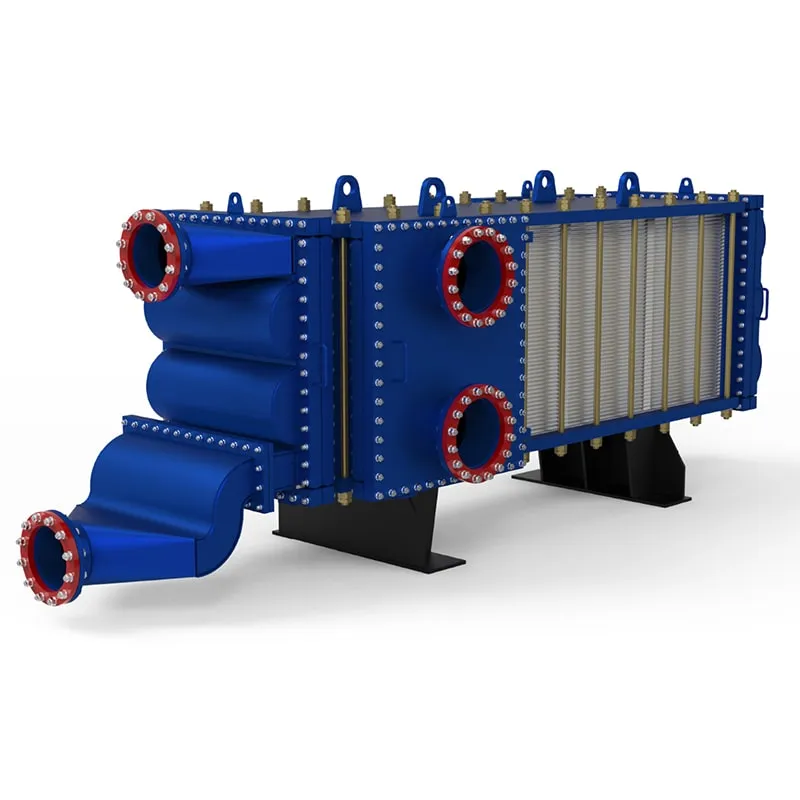
Plate heat exchangers transfer thermal energy between two fluids through a series of corrugated metal plates. In a PED certified unit, the plate pack is compressed between a fixed frame and a movable pressure plate, with gaskets or welded joints sealing the flow channels. The design pressure and temperature ratings are calculated according to PED standards, using finite element analysis and material stress limits. Typical operating ranges for gasketed plate heat exchangers are up to 25 bar and 180°C, while welded variants like the TP or HT-Bloc can handle up to 40 bar and 350°C.
Key Features and Typical Parameter Ranges
When evaluating a PED certified heat exchanger, focus on these core features and industry-standard parameters:
- Design Pressure: Typically 10–40 bar for welded plate designs; gasketed units commonly rated up to 25 bar.
- Design Temperature: -40°C to 350°C depending on gasket or welded construction.
- Materials: Stainless steel 304/316L, titanium, Hastelloy, or duplex alloys, with full material traceability per PED requirements.
- Heat Transfer Area: From 1 m² to over 2,000 m² per unit, with plate sizes ranging from 0.03 m² to 4.5 m² per plate.
- Connection Sizes: DN25 to DN500, with flanged or threaded ends.
- Certification: CE marking, PED module H (full quality assurance) for higher categories.
What Are the Main Applications for PED Certified Heat Exchangers?
PED certified plate heat exchangers are used across demanding sectors where safety and performance are non-negotiable. Common applications include:
- Chemical Processing: Heating or cooling corrosive fluids, solvents, and intermediates.
- Oil and Gas: Crude oil heating, gas cooling, and amine treatment systems.
- Power Generation: Turbine lube oil cooling, generator hydrogen cooling, and district heating networks.
- Pharmaceuticals: Sterile water loops and temperature-sensitive batch reactions.
- Food and Beverage: Pasteurization, CIP systems, and viscous product heating.
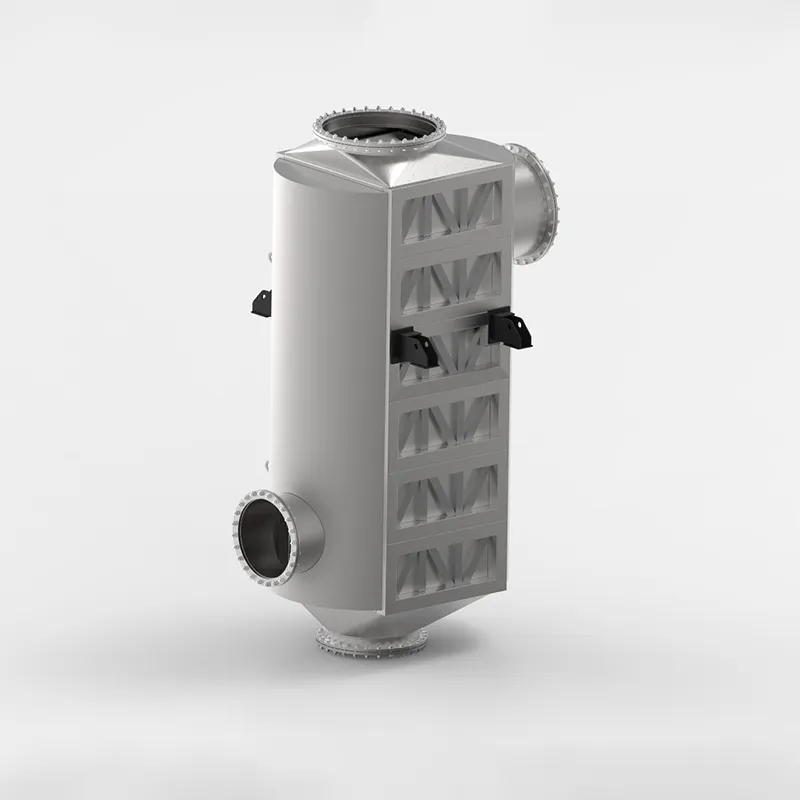
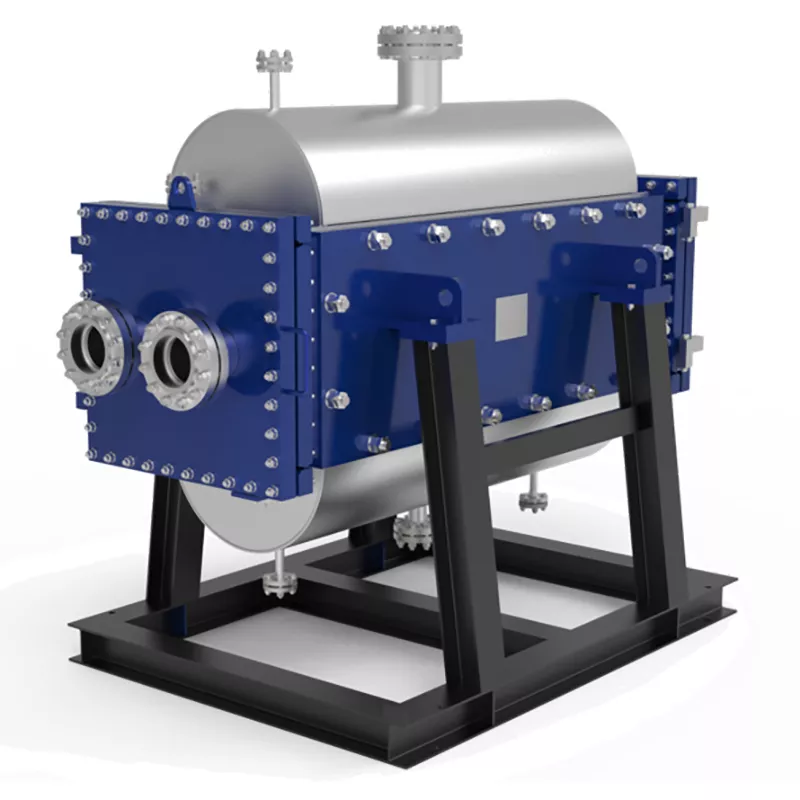
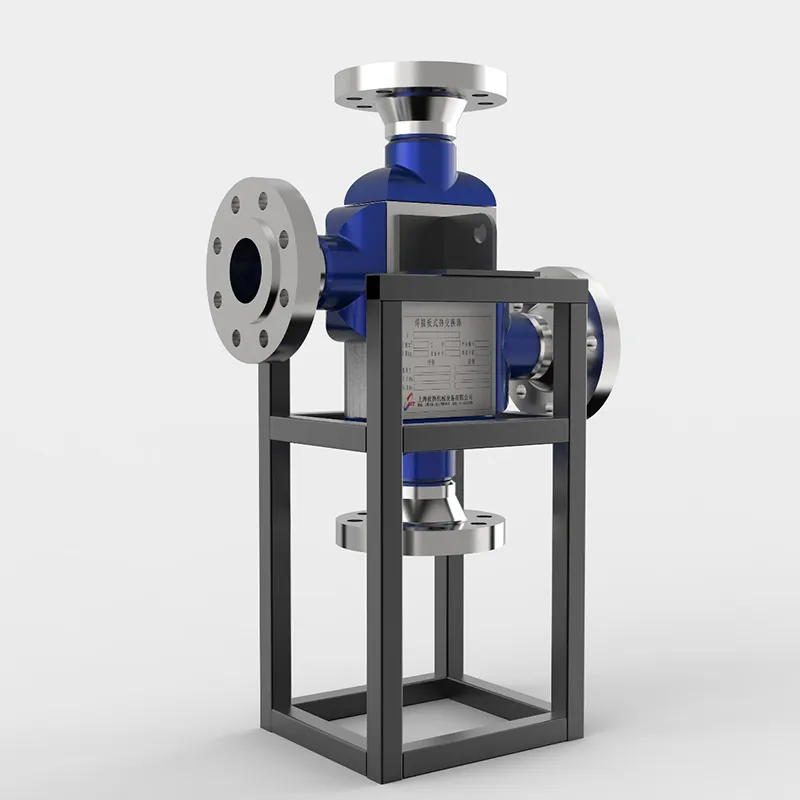
For each application, selecting the right plate design—whether gasketed, fully welded, or wide gap—ensures optimal thermal performance and fouling resistance. Our gasketed plate heat exchangers are a proven choice for clean fluids, while TP welded plate heat exchangers handle aggressive media without gasket failure risks.
Why SHPHE for Your PED Certified Heat Exchanger Needs?
SHPHE, founded in Shanghai in 2005, is a specialized plate heat exchanger manufacturer with ISO9001 and ASME U certifications. Our product lines include HT-Bloc and TP welded plate heat exchangers, wide gap welded units, gasketed plate heat exchangers, PCHE, plate air preheaters, and pillow plates. Every unit can be designed and certified to PED 2014/68/EU, with free thermal design and selection service included. We export to over 20 countries and serve as a reliable alternative to brands like Alfa Laval or Compabloc, offering compatible designs with shorter lead times.
Our engineering team uses advanced simulation tools to match your process conditions exactly. Whether you need a HT-Bloc welded plate heat exchanger for high-temperature duties or a wide gap welded plate heat exchanger for fibrous fluids, we deliver PED certified solutions that meet your specifications.
Frequently Asked Questions About PED Certified Heat Exchangers
1. What does PED certification actually cover?
PED certification covers the design, material selection, manufacturing, and testing of pressure equipment. For a heat exchanger, it ensures that the unit is safe to operate at its declared pressure and temperature limits. The manufacturer must provide a technical file, risk analysis, and a Declaration of Conformity with CE marking.
2. Is PED certification mandatory for all heat exchangers in Europe?
Yes, for any heat exchanger operating at a maximum allowable pressure greater than 0.5 bar and intended for the European market. Units below this threshold are exempt, but most industrial applications exceed 0.5 bar. PED applies to new equipment placed on the market in EU and EEA countries.
3. Can a PED certified heat exchanger be used outside Europe?
Absolutely. PED certification is widely recognized as a mark of quality and safety. Many multinational companies specify PED compliance for their facilities worldwide, even when not legally required, because it simplifies global procurement and ensures consistent design standards.
4. What is the difference between PED and ASME certification?
PED is a European directive focused on safety and conformity assessment, while ASME is an American standard that emphasizes design by formula and third-party inspection. Both are rigorous but differ in documentation and approval processes. Many manufacturers, including SHPHE, offer dual-certified units to serve global markets.
5. How long does it take to get a PED certified heat exchanger?
Lead times vary by complexity and material availability. For standard gasketed plate heat exchangers, delivery can be 4–8 weeks after design approval. Welded units may require 8–12 weeks due to additional welding and NDT requirements. SHPHE offers expedited schedules for urgent projects.
6. Can I retrofit an existing non-certified heat exchanger with PED components?
Retrofitting is possible but often impractical. PED certification requires traceability of all pressure-containing parts and a complete design review. It is usually more cost-effective to replace the entire unit with a new PED certified heat exchanger, especially if the original design data is unavailable.
Request a Quote for Your PED Certified Heat Exchanger
Choosing a PED certified heat exchanger is a smart investment in safety and performance. To receive a tailored proposal, please provide the following operating parameters: flow rate (m³/h or kg/s), inlet and outlet temperatures (°C), working pressure (bar), and media composition (including any corrosive or fouling components). Our engineering team will perform a free thermal design and selection, ensuring the unit meets PED requirements and your process needs.
Contact us today with your project details. We are ready to deliver a PED certified heat exchanger that fits your facility perfectly.

 English EN





User Comments
Service Experience Sharing from Real Customers
Linda
Maintenance SupervisorWe swapped out an old uncertified unit for this PED-certified heat exchanger during a scheduled shutdown. The difference in build quality is night and day. No leaks, no weird vibration at full load. The certification paperwork was spot-on too, which saved us a headache with the local inspector. Solid piece of kit for the price.
Raj
Project EngineerSpecified this for a new pilot plant line. Delivery was on time and the PED marking was exactly as required for our EU compliance. Only reason I’m not giving 5 stars is that the gasket kit was a bit fiddly to seat on first assembly—took an extra 20 minutes. But once running, thermal performance is bang on the datasheet. Would order again.
Mike
Shift OperatorI’m the guy who actually has to run this thing day in and day out. Previous exchanger would clog up every three weeks. This PED-certified model has been running two months straight without a single pressure drop. Cleaning is way easier too—the header design makes sense. My back thanks you. Keep making them like this.
Sophie
Procurement SpecialistHad to source a PED-certified exchanger on a tight timeline for a retrofit project. Vendor was responsive, the certs were provided upfront without me chasing, and the unit arrived well-packed with no damage. Installation crew said the flanges lined up perfectly with our existing piping—rare in my experience. No complaints from anyone on site.