Why Choose an ASME Certified Plate Heat Exchanger for Your Industrial Operations
When your process demands reliable thermal performance under pressure, an ASME certified plate heat exchanger is not just a compliance checkbox — it is a guarantee of safety, durability, and efficiency. Whether you are upgrading a chemical plant or designing a new HVAC system, understanding why certification matters can save you from costly downtime and regulatory headaches. This article walks through the working principles, key features, application scenarios, and practical selection tips for ASME certified units, with a focus on solutions offered by SHPHE, a Shanghai-based manufacturer with two decades of export experience.
What Does ASME Certification Mean for a Plate Heat Exchanger?
ASME certification, specifically the ASME U stamp, indicates that a heat exchanger has been designed, fabricated, and tested in accordance with the ASME Boiler and Pressure Vessel Code. For process engineers and purchasing managers, this means the unit can handle specified pressures and temperatures with a verified safety margin. Without this certification, your facility may face insurance issues, regulatory fines, or worse — catastrophic failure. An ASME certified plate heat exchanger is typically required in applications involving steam, high-pressure fluids, or hazardous media. The certification also simplifies cross-border acceptance, as many countries recognize ASME standards as a baseline for pressure equipment.
How Does a Plate Heat Exchanger Work in a Typical Industrial Process?
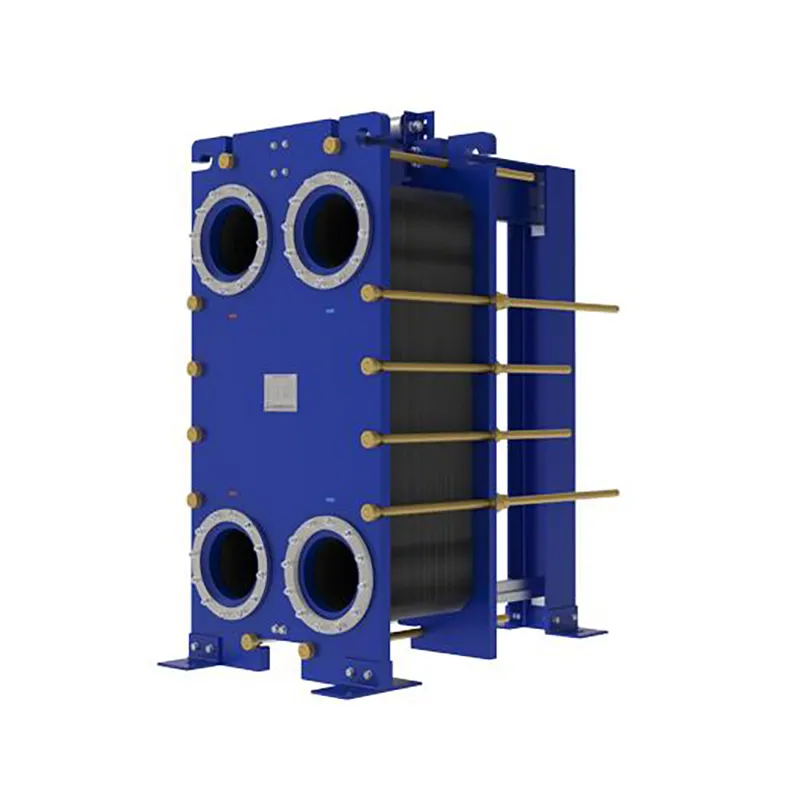
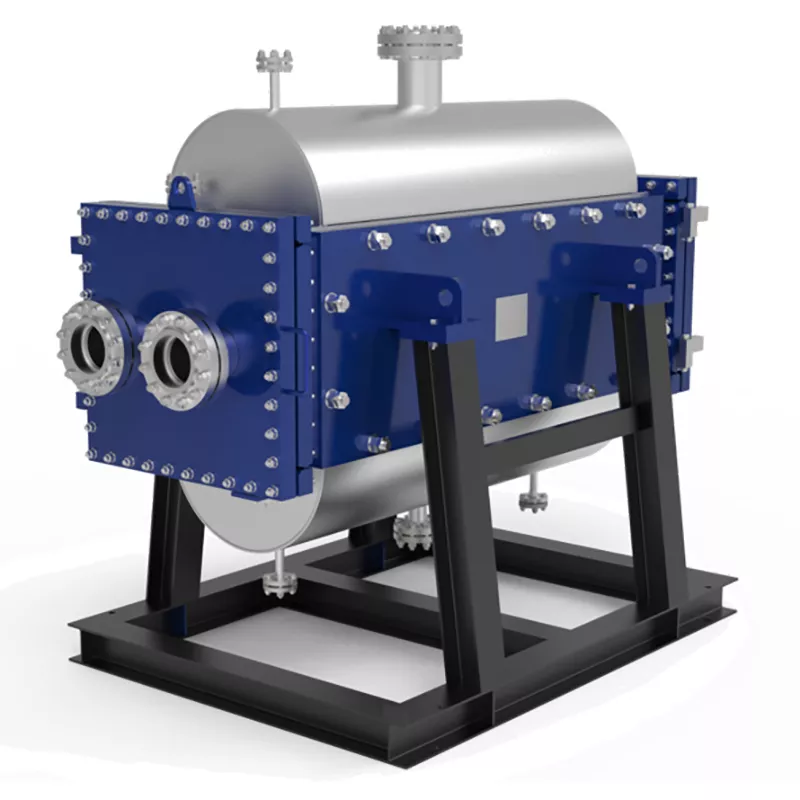
A plate heat exchanger transfers heat between two fluids through a series of corrugated metal plates. The plates create alternating channels — one for the hot fluid, one for the cold fluid. The large surface area and turbulent flow induced by the corrugations result in high heat transfer coefficients, often 3 to 5 times higher than shell-and-tube designs of comparable size. In a typical chemical plant, for example, a gasketed plate heat exchanger might cool a reactor outlet from 120°C to 40°C using cooling tower water. The compact footprint makes it ideal for retrofits where space is tight. For processes with fouling fluids, a wide gap welded plate heat exchanger is often preferred because the wider channels reduce clogging.
Key Features and Typical Parameter Ranges of ASME Certified Units
When selecting an ASME certified plate heat exchanger, you should evaluate the following parameters, which fall within commonly accepted industrial ranges:
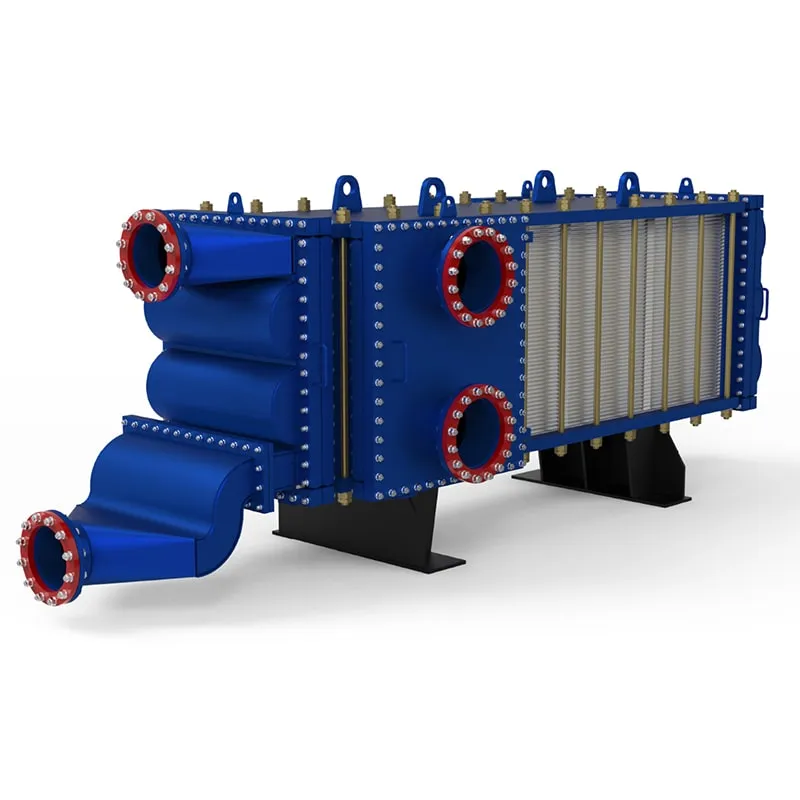
- Design pressure: Up to 30 bar (435 psi) for gasketed designs, and up to 100 bar (1,450 psi) for fully welded variants like the HT-Bloc welded plate heat exchanger.
- Design temperature: Typically from -20°C to 180°C for gasketed units; welded designs can reach 350°C or higher.
- Plate materials: Stainless steel 304/316L, titanium, Hastelloy, or nickel alloys depending on the fluid corrosivity.
- Gasket materials: NBR, EPDM, Viton, or PTFE encapsulated for chemical compatibility.
- Flow capacity: From a few cubic meters per hour for small skids up to 2,000 m³/h for large multi-pass units.
These ranges are industry-generic; your specific process conditions will determine the exact design. SHPHE offers free thermal design and selection service to match your duty requirements.
What Are the Most Common Applications for an ASME Certified Plate Heat Exchanger?
ASME certified units are used across a wide range of industries where safety and reliability are non-negotiable. Common applications include:
- Chemical processing: Heating or cooling corrosive chemicals, often requiring titanium or Hastelloy plates.
- Oil and gas: Intercoolers, aftercoolers, and lube oil coolers on offshore platforms.
- Power generation: Condenser cooling, district heating, and steam condensing.
- Pharmaceuticals: Clean-in-place (CIP) systems and sterile water loops.
- Food and beverage: Pasteurization and sterilization of dairy, juices, and beer.
For each application, the choice between gasketed, fully welded, or wide gap designs depends on the fluid properties and maintenance schedule. For example, a wide gap welded plate heat exchanger is recommended for fluids with high fiber content or large particles, as it minimizes fouling and cleaning frequency.
Why SHPHE for Your ASME Certified Plate Heat Exchanger Needs?
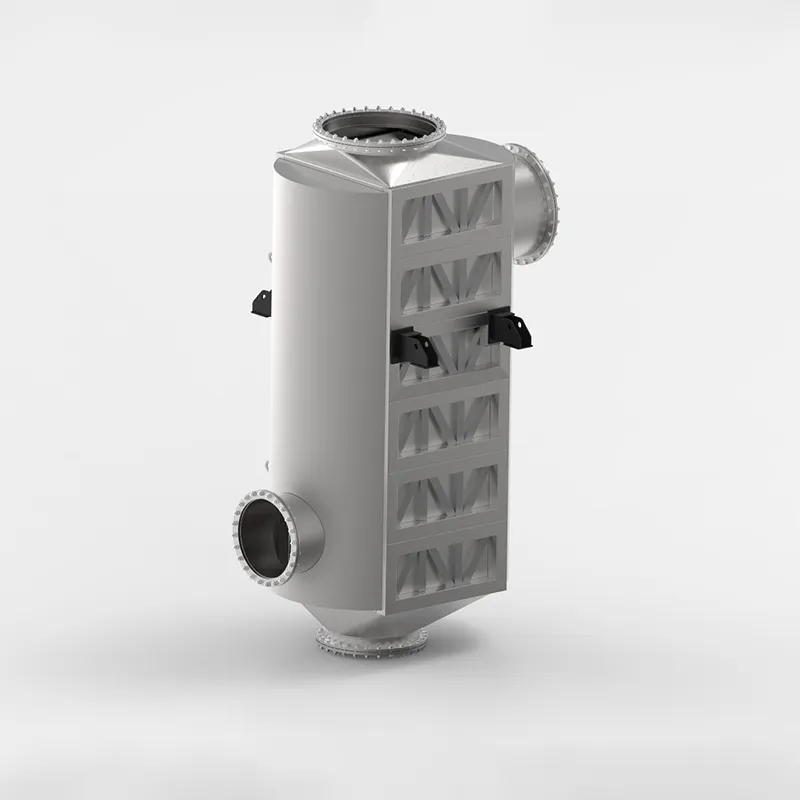
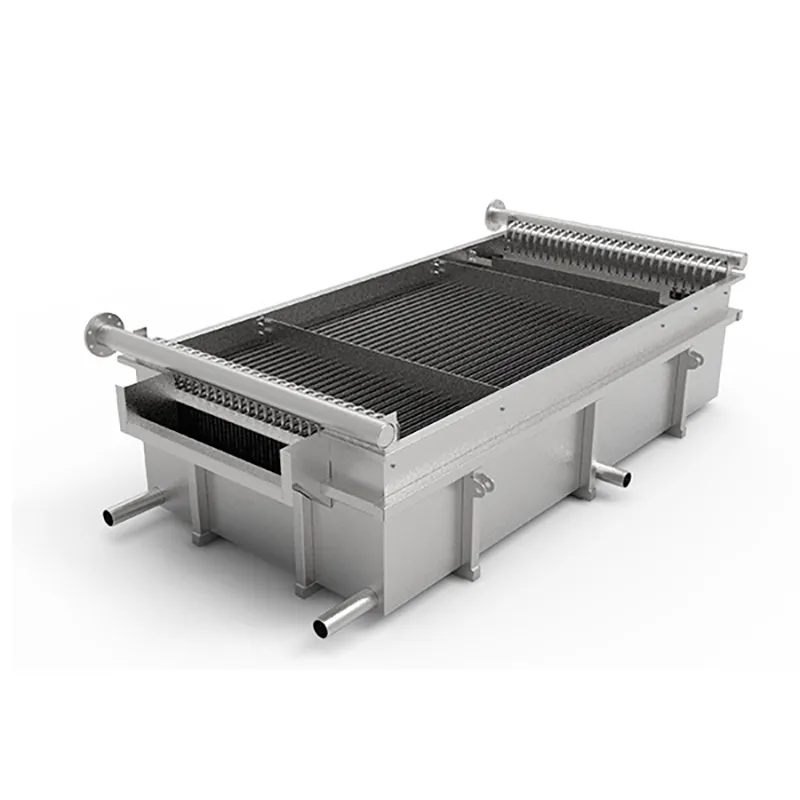
SHPHE is a Shanghai-based manufacturer founded in 2005, with ISO9001 and ASME U certifications. The company exports to more than 20 countries and offers a comprehensive product range including HT-Bloc welded plate heat exchangers, TP welded units, wide gap welded designs, gasketed plate heat exchangers, printed circuit heat exchangers (PCHE), plate air preheaters, and pillow plates. All units are designed and fabricated under strict quality control, and the company provides free thermal design and selection service to help you find the optimal solution. Whether you need a replacement for an existing Alfa Laval or GEA unit, or a custom-engineered solution for a new project, SHPHE can deliver a compatible alternative that meets or exceeds the original specifications. For high-temperature applications, the TP welded plate heat exchanger offers excellent performance without gasket limitations.
Frequently Asked Questions About ASME Certified Plate Heat Exchangers
1. Is ASME certification mandatory for all plate heat exchangers?
No, it is not mandatory for all applications. However, if your process involves pressures above 15 psi, steam, or hazardous fluids, most local codes and insurance companies will require ASME U stamp certification. For low-pressure water-to-water duties, non-certified units are often acceptable.
2. How long does it take to get an ASME certified heat exchanger delivered?
Typical lead time for a custom-engineered ASME certified unit from SHPHE is 8 to 14 weeks, depending on complexity and material availability. Standard designs may ship faster. Always confirm with the supplier based on your specific requirements.
3. Can I use an ASME certified plate heat exchanger as a direct replacement for a shell-and-tube unit?
Yes, in many cases a plate heat exchanger can replace a shell-and-tube unit with a significantly smaller footprint and higher thermal efficiency. However, you must verify the pressure drop, temperature approach, and material compatibility. SHPHE offers free thermal design to ensure a proper fit.
4. What is the difference between a gasketed and a fully welded plate heat exchanger?
A gasketed unit uses elastomeric gaskets to seal the plates, allowing easy disassembly for cleaning or plate replacement. A fully welded unit, such as the HT-Bloc, has the plates welded together, eliminating gaskets and enabling higher temperatures and pressures. Welded units are preferred for aggressive or hazardous fluids.
5. How do I maintain an ASME certified plate heat exchanger?
Routine maintenance includes visual inspection of gaskets (if applicable), checking for leaks, and periodic cleaning to remove fouling. For gasketed units, you can open the plate pack and clean each plate individually. Welded units require chemical cleaning (CIP) or backflushing. Always follow the manufacturer's maintenance manual.
6. Can SHPHE provide a unit compatible with an existing Alfa Laval or Compabloc frame?
Yes, SHPHE offers replacement plate packs and complete units that are compatible with many major brands. They can match the port centers, plate pattern, and gasket profile to fit your existing frame, often at a lower cost and with shorter lead times than the original manufacturer.
Request a Quote for Your ASME Certified Plate Heat Exchanger
To ensure you receive the most suitable ASME certified plate heat exchanger for your industrial operations, please provide the following details when submitting your inquiry: flow rate (hot and cold side), inlet and outlet temperatures, operating pressure, allowable pressure drop, and fluid media (including any corrosive or fouling characteristics). SHPHE's engineering team will perform a free thermal design and selection, and provide a detailed quotation with performance curves and dimensional drawings. An ASME certified plate heat exchanger is an investment in safety and efficiency — choose a partner with proven expertise and global reach.

 English EN





User Comments
Service Experience Sharing from Real Customers
Liam
Maintenance SupervisorWe swapped out an old unrated unit for this ASME certified plate heat exchanger last quarter. The difference in pressure stability is night and day. No more unexpected shutdowns during peak loads. The gaskets held up perfectly after our first chemical clean too. Solid build, worth the investment for any plant running 24/7.
Sophie
Senior Process EngineerSpec'd this for a tricky dairy pasteurization line where we needed strict ASME compliance for insurance reasons. Installation was straightforward, and the thermal performance matches the datasheet closely. Only gave 4 stars because the bolt torque specs in the manual were a bit confusing initially, but their tech support cleared it up fast. Overall, a reliable piece of kit.
Ethan
Facility ManagerI manage a mid-sized hospital complex and we needed a certified exchanger for our HVAC loop. This unit passed our city inspection without a single flag. It's been running silently for six months now, and the energy savings are already noticeable on our utility bills. Feels good to have that ASME stamp backing it up. Would recommend to any facilities team.
Chloe
Offshore Installation TechnicianWorking on a platform in the North Sea means everything has to be over-engineered. This ASME certified plate heat exchanger arrived with proper documentation and held up during the pressure test without a single drip. The titanium plates are handling the seawater corrosion better than our old units. First time I've had zero issues with a new install in years. Top shelf.