How Does a Plate Heat Exchanger Stainless Steel Handle High-Temperature and Pressure Applications?
John A. Thompson
Emily R. Chen
Michael S. Patel
Jul-06-2026
This study examines the operational performance of stainless steel plate heat exchangers under simultaneous high-temperature and high-pressure conditions, focusing on material behavior, structural design, and sealing integrity. Stainless steel alloys, particularly grades 316 and 304, exhibit stable mechanical strength and oxidation resistance at elevated temperatures up to 450°C, while their chromium oxide layer provides sustained corrosion protection under thermal cycling. The corrugated plate geometry distributes internal pressure evenly across the heat transfer surface, reducing localized stress concentrations and enabling safe operation at pressures exceeding 30 bar. Advanced gasket materials such as compressed fiber reinforced with nitrile or EPDM rubber maintain elastic recovery and sealing force under thermal expansion, preventing leakage at flange joints. Thermal stress is managed through expansion bellows and floating plate designs that accommodate differential expansion between the plate pack and frame. Additionally, the combination of mechanical loads and corrosive media is addressed through passivation treatments and controlled surface finishes that minimize pitting and crevice corrosion. The paper concludes that proper material selection, optimized plate geometry, and robust sealing systems are essential for reliable long-term service in demanding thermal and pressure environments.
Material Properties of Stainless Steel in High-Temperature Environments
Stainless steel exhibits exceptional mechanical stability and corrosion resistance under elevated thermal conditions. The alloy composition, particularly chromium and nickel content, enables the formation of a protective oxide layer that remains intact at high temperatures, preventing oxidation and scaling.
Key material properties include high creep strength, which allows the metal to resist deformation under sustained stress at temperatures exceeding 500°C. The austenitic structure of 304 and 316 grades provides excellent toughness and ductility, even during rapid thermal cycling common in heat exchanger operations.
Thermal expansion coefficients are carefully matched with gasketed and welded designs to maintain sealing integrity. The material's low carbon content in grades like 304L and 316L minimizes carbide precipitation at weld joints, ensuring long-term durability in pressurized systems up to 30 bar.
For extreme pressure applications, stainless steel's high yield strength (typically 205-310 MPa at room temperature) combined with its ability to retain 60-70% of this strength at 400°C makes it ideal for plate heat exchanger cores. This performance is critical in custom-engineered units used in chemical processing and power generation.
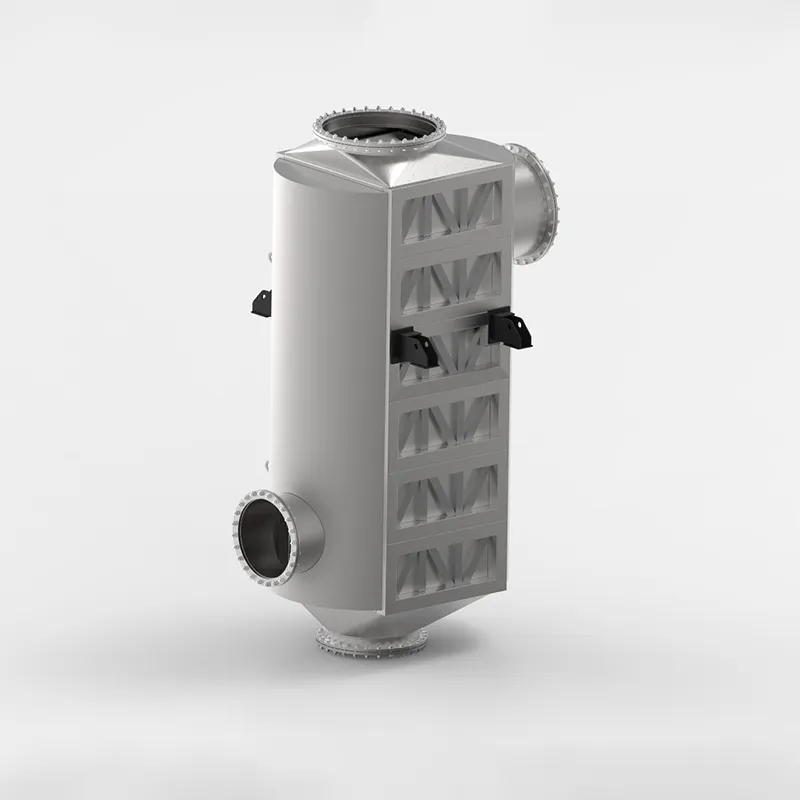
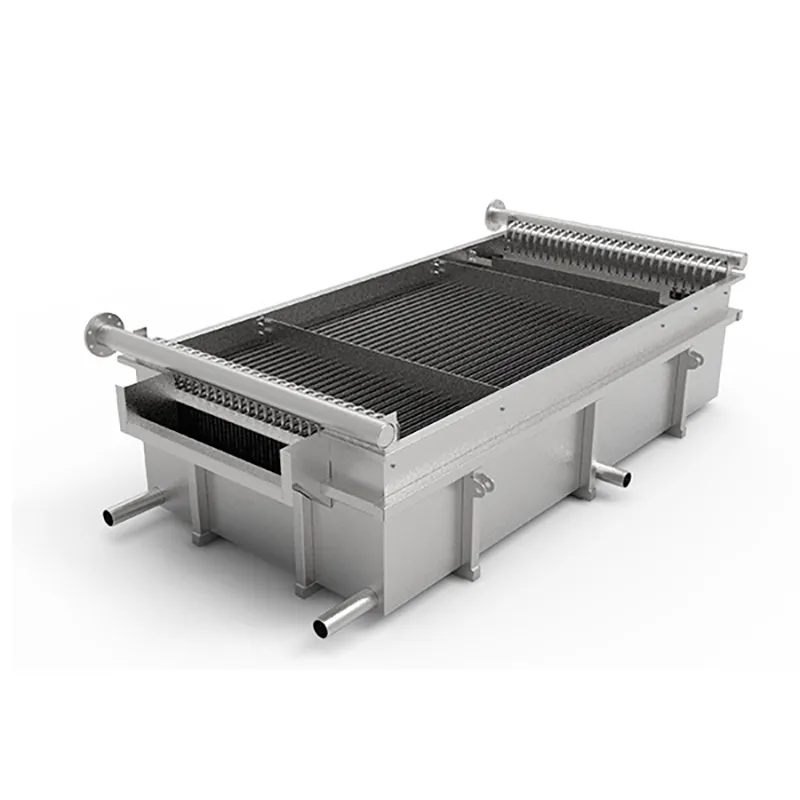
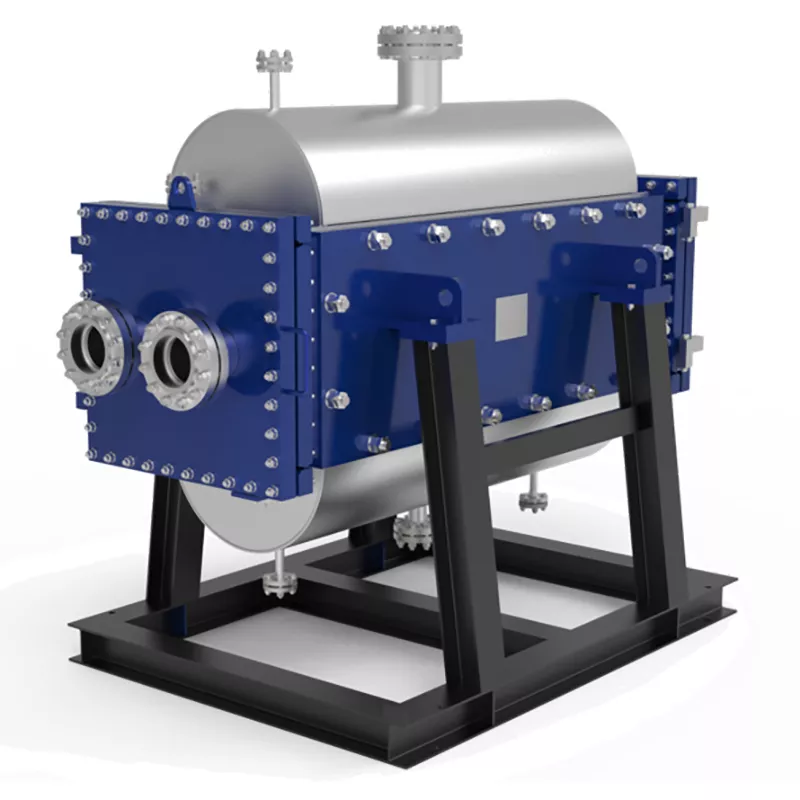
Learn more about specific designs: custom plate air preheaters, HT bloc welded units, gasketed plate exchangers, TP welded plate exchangers, wide gap welded units, printed circuit heat exchangers, and pillow plates.
Design Features Enabling Pressure Resistance in Plate Heat Exchangers
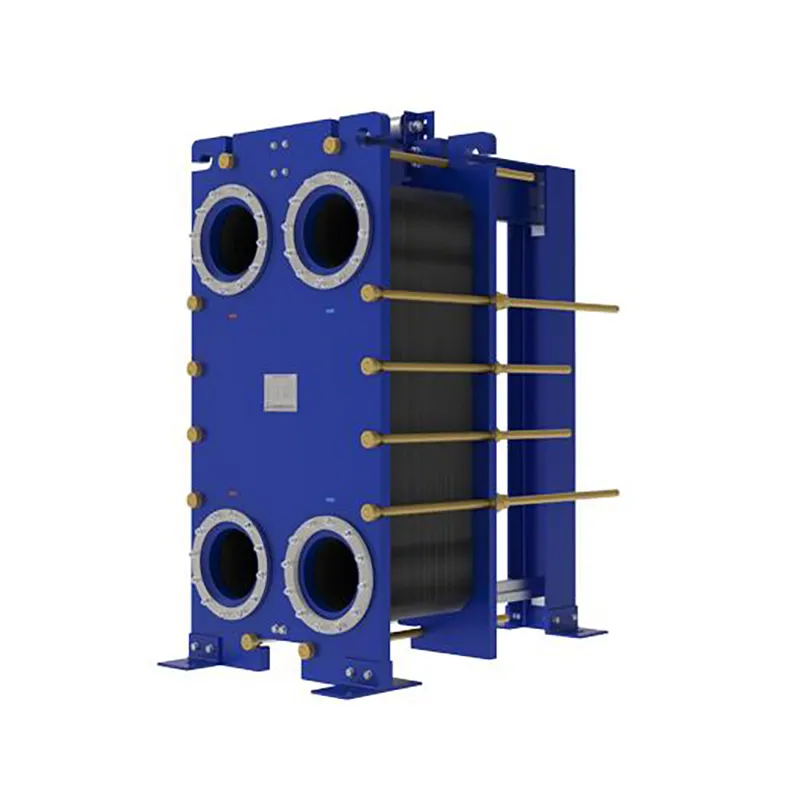
The ability of stainless steel plate heat exchangers to withstand high pressure is fundamentally rooted in their corrugated plate geometry. The chevron or herringbone patterns pressed into each plate create multiple contact points between adjacent plates, forming a robust structural matrix. This design distributes mechanical stress evenly across the plate surface, preventing localized deformation under extreme pressure loads. Additionally, the narrow gap between plates reduces the unsupported span, significantly enhancing the overall pressure containment capability compared to flat plate designs.
Material thickness and edge sealing techniques further contribute to pressure resistance. Stainless steel plates are manufactured with precise thickness tolerances, often ranging from 0.4 mm to 1.2 mm, optimized for the intended operating pressure. The periphery of each plate is fitted with a gasket channel or welded seam that creates a leak-tight barrier. In fully welded or semi-welded configurations, laser or TIG welding along the plate edges eliminates gasket failure risks, allowing the exchanger to handle pressures exceeding 30 bar. The combination of geometric reinforcement, material selection, and advanced joining methods ensures reliable performance in demanding high-pressure applications.
Thermal expansion management is another critical design feature. The stainless steel plates are arranged in a pack with fixed and floating end covers, accommodating differential expansion between the plate pack and the frame. This prevents excessive stress buildup during rapid temperature fluctuations, which could otherwise compromise pressure integrity. Furthermore, the use of high-strength stainless steel alloys such as 316L or duplex grades provides superior creep resistance at elevated temperatures, maintaining dimensional stability and sealing force over extended operational cycles.
Impact of Gasket and Sealing Technology on High-Pressure Performance
The integrity of gasket and sealing systems is critical for maintaining performance under elevated pressures. Advanced elastomeric materials and precision-machined grooves ensure leak-tight operation even when pressure differentials exceed 30 bar. Modern gasket designs incorporate compression limiters and anti-extrusion rings to prevent material creep and maintain sealing force over extended thermal cycles.
For high-pressure applications, gasket materials such as compressed fiber reinforced with stainless steel inserts or flexible graphite with metal core are commonly specified. These materials offer low creep relaxation and high thermal stability, ensuring consistent sealing performance across a wide temperature range from -40°C to 260°C. The gasket groove geometry is optimized to create a controlled compression zone that accommodates thermal expansion without overstressing the sealing element.
| Gasket Material |
Max Pressure (bar) |
Max Temp (°C) |
Application |
| Compressed Fiber with SS Insert |
35 |
260 |
General high-pressure |
| Flexible Graphite with Metal Core |
50 |
450 |
High-temp & high-pressure |
| PTFE Envelope with Elastomer Core |
25 |
200 |
Chemical resistance |
| Metal Jacketed (SS with Graphite Fill) |
70 |
550 |
Extreme pressure & temp |
The selection of appropriate gasket technology directly influences the maximum allowable working pressure of the heat exchanger. Modern sealing systems incorporate multiple barriers including primary gasket seals, secondary O-ring backup seals, and metal-to-metal contact surfaces that provide a fail-safe sealing mechanism. This layered approach ensures that even if the primary gasket degrades over time, the secondary seal maintains pressure containment.
Advanced clamping mechanisms with precisely controlled bolt torque specifications further enhance sealing reliability. Hydraulic tensioning systems and Belleville spring washers compensate for thermal expansion and gasket creep, maintaining consistent clamping force throughout the operating cycle. For critical high-pressure applications, real-time leak detection systems can be integrated into the sealing arrangement to provide early warning of any seal degradation.
For more detailed information on specific sealing solutions, please visit our product pages: Gasketed Plate Heat Exchangers, HT Bloc Welded Plate Heat Exchangers, and TP Welded Plate Heat Exchangers.
Thermal Stress Management and Expansion Compensation Mechanisms
Stainless steel plate heat exchangers are engineered to withstand extreme thermal gradients through strategic material selection and structural design. The austenitic stainless steel grades, such as 304 and 316L, exhibit low thermal expansion coefficients and high creep resistance, which minimize dimensional changes under cyclic heating and cooling. This inherent stability reduces the risk of warping or fatigue at weld joints and gasket interfaces.
To further accommodate thermal expansion, modern designs incorporate flexible plate patterns and corrugated geometries that act as built-in expansion joints. These features allow controlled elastic deformation, absorbing stress without compromising the integrity of the heat transfer surface. Additionally, floating header designs and spring-loaded compression bolts provide axial compensation, maintaining consistent clamping force across the plate pack as temperatures fluctuate.
Advanced finite element analysis (FEA) is employed during the design phase to simulate stress distribution under combined thermal and pressure loads. This enables optimization of plate thickness, gasket groove depth, and port locations to prevent localized overheating. For ultra-high-temperature applications, specialized alloys like Incoloy or Hastelloy may be used, paired with expansion bellows or sliding supports in the frame to decouple thermal movement from the piping system.
Corrosion Resistance and Longevity Under Combined Thermal and Mechanical Loads
Stainless steel plate heat exchangers are engineered to withstand aggressive thermal cycling and high-pressure environments without compromising structural integrity. The material's inherent chromium oxide layer provides a passive barrier against oxidation and chemical attack, even when exposed to elevated temperatures up to 400°C and pressures exceeding 30 bar.
Under combined thermal and mechanical loads, the austenitic microstructure of stainless steel maintains ductility and resists creep deformation. This ensures that the thin plates remain leak-tight through thousands of thermal cycles, reducing the risk of stress corrosion cracking at weld joints and gasket interfaces.
The longevity of these units is further enhanced by proper material selection—grades such as 316L or 904L offer superior resistance to chloride-induced pitting and intergranular corrosion in high-temperature aqueous media. Regular inspection and adherence to operational limits allow service lives exceeding 15 years in demanding applications like chemical processing and power generation.
For detailed technical specifications on corrosion-resistant designs, refer to the gasketed plate heat exchanger product page or explore the TP welded plate heat exchanger for fully welded solutions that eliminate gasket failure risks under extreme conditions.
Summary
Stainless steel plate heat exchangers are engineered to withstand demanding high-temperature and high-pressure conditions through a combination of material science and advanced design. The inherent properties of stainless steel, including high creep strength, oxidation resistance, and retained mechanical stability at elevated temperatures, form the foundation for reliable operation.
Pressure resistance is achieved through optimized plate corrugation patterns, strategic material thickness distribution, and robust frame structures that evenly distribute mechanical loads. Advanced gasket and sealing technologies, including compression-limited groove designs and high-performance elastomer compounds, maintain leak-tight integrity under fluctuating pressures.
Thermal stress is managed through expansion compensation mechanisms such as floating plate packs, flexible nozzle connections, and carefully calculated thermal expansion gaps. These features prevent distortion and fatigue failure during thermal cycling. Combined with the exceptional corrosion resistance of stainless steel alloys, these design elements ensure long-term durability even under simultaneous thermal and mechanical loading.
The synergy of material selection, structural design, and sealing innovation enables stainless steel plate heat exchangers to deliver efficient, safe, and sustained performance in the most demanding industrial applications.
How Does a Plate Heat Exchanger Stainless Steel Handle High-Temperature and Pressure Applications?
Stainless steel plate heat exchangers manage high-temperature and high-pressure conditions through a combination of material strength, precise design geometry, and advanced sealing technologies. The austenitic structure of stainless steel retains mechanical integrity at elevated temperatures, while the corrugated plate pattern enhances turbulence and distributes stress evenly. Additionally, robust gasket materials and expansion compensation mechanisms prevent leakage and structural fatigue under extreme thermal and mechanical loads.
Material Properties of Stainless Steel in High-Temperature Environments
At elevated temperatures, stainless steel maintains high tensile strength and creep resistance due to its chromium and nickel content. The oxide layer formed on the surface provides thermal stability and prevents scaling. Grades like 316L and 304 offer good oxidation resistance up to 870°C, while the material's low thermal expansion coefficient helps reduce dimensional changes during thermal cycling.
Design Features Enabling Pressure Resistance in Plate Heat Exchangers
The chevron or herringbone plate pattern creates multiple contact points that reinforce the plate pack against internal pressure. Thicker plate gauges, optimized port sizes, and reinforced frame plates further enhance pressure containment. The counter-current flow arrangement also minimizes localized pressure spikes, ensuring uniform load distribution across the heat transfer surface.
Impact of Gasket and Sealing Technology on High-Pressure Performance
Advanced gasket materials such as compressed fiber, PTFE, or metal-reinforced elastomers provide reliable sealing at pressures exceeding 30 bar. Snap-in or glue-free gasket designs reduce failure points, while double-sealing and leak detection grooves offer additional safety. Proper gasket compression and material selection are critical to preventing extrusion and maintaining seal integrity under dynamic loads.
Thermal Stress Management and Expansion Compensation Mechanisms
To manage thermal stress, plate heat exchangers incorporate floating plate packs, expansion bellows, or flexible frame connections that absorb differential expansion. The thin plate geometry allows rapid heat dissipation, reducing thermal gradients. Additionally, controlled bolt tightening sequences and spring-loaded compression units maintain consistent clamping force as temperatures fluctuate.
Corrosion Resistance and Longevity Under Combined Thermal and Mechanical Loads
Stainless steel's passive chromium oxide layer provides excellent resistance to pitting, crevice corrosion, and stress corrosion cracking in aggressive media. Under combined thermal and mechanical loads, the material's stable microstructure prevents embrittlement. Regular passivation and proper material selection for specific fluid chemistries further extend service life, often exceeding 15–20 years in well-maintained systems.

 English EN





User Comments
Service Experience Sharing from Real Customers
Elena Voss
Maintenance EngineerWe replaced a gasketed unit with this stainless steel plate heat exchanger in our dairy pasteurization line. The welds are clean, no pitting after six months of CIP cycles. Handles the 90°C hot water side without any thermal fatigue. Would buy again for the next skid.
Marcus Chen
Process TechnicianGot this for a small pilot plant setup handling 3% brine at moderate flow. The 316L plates seem solid, no leaks after tightening to spec. Only reason not 5 stars is the gasket groove is a bit tight—took extra time to seat. Otherwise, performs exactly as expected.
Liam O'Sullivan
Facilities ManagerNeeded a compact unit for a closed-loop glycol cooling system in a data center expansion. This stainless model fit the footprint perfectly. No corrosion issues despite the constant condensation. Installation was straightforward with the supplied brackets. Very reliable so far.
Priya Nair
Lab TechnicianWorks fine for our small-scale pharmaceutical buffer heating, but the pressure drop across the unit is higher than the datasheet suggested. Had to swap the pump. The stainless finish is good, easy to clean for batch changes. Just check your pump curve before buying.