Why Our Vahterus Plate and Shell Heat Exchanger Alternative Outperforms Traditional Designs
When process engineers and purchasing managers evaluate compact heat transfer solutions, the Vahterus plate and shell heat exchanger alternative from SHPHE stands out for its welded construction, high pressure and temperature tolerance, and lower total cost of ownership. This article explains how our HT-Bloc and TP welded plate exchangers deliver comparable or superior performance to traditional shell-and-tube and brazed plate designs, with real-world parameter ranges, application guidance, and answers to common buyer questions.
What Makes a Vahterus Plate and Shell Heat Exchanger Alternative Necessary?
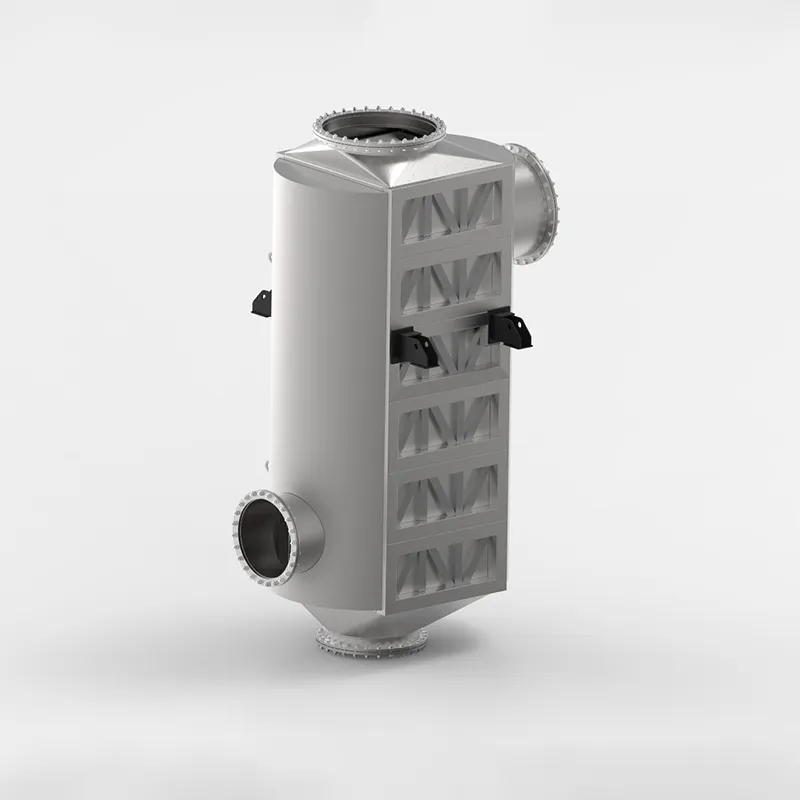
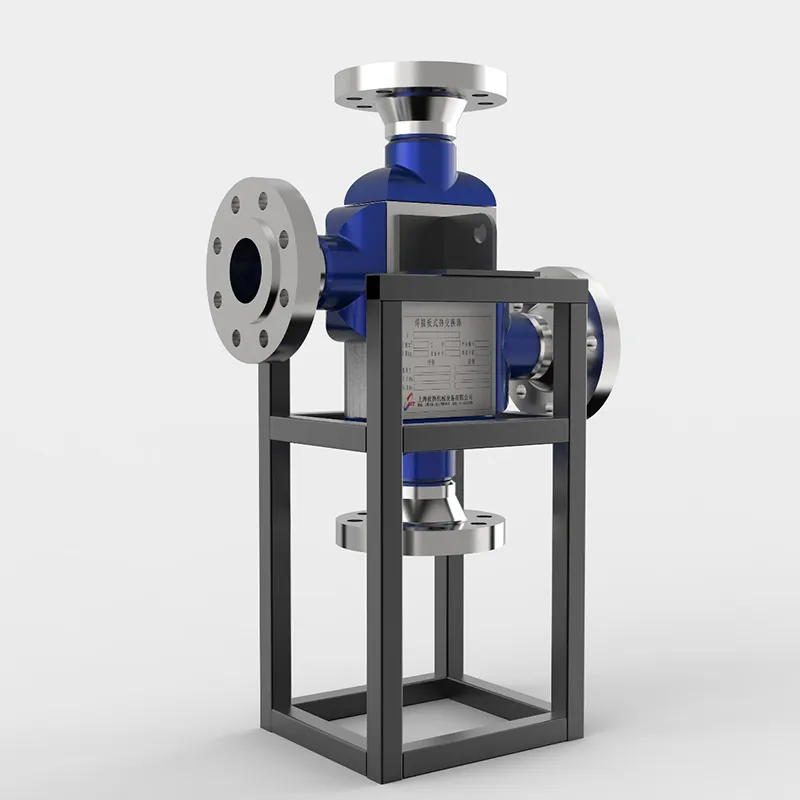
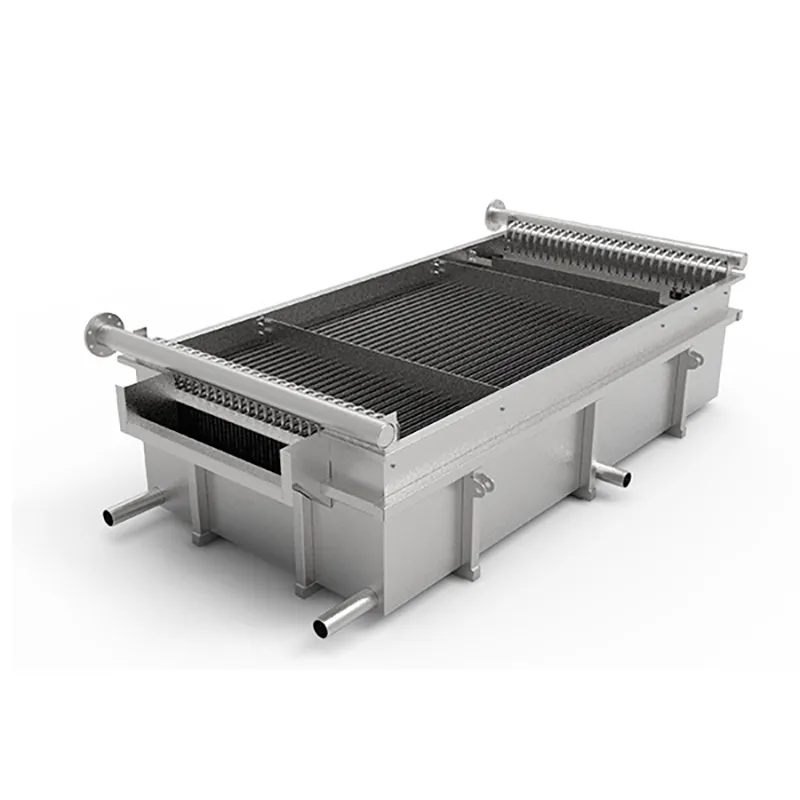
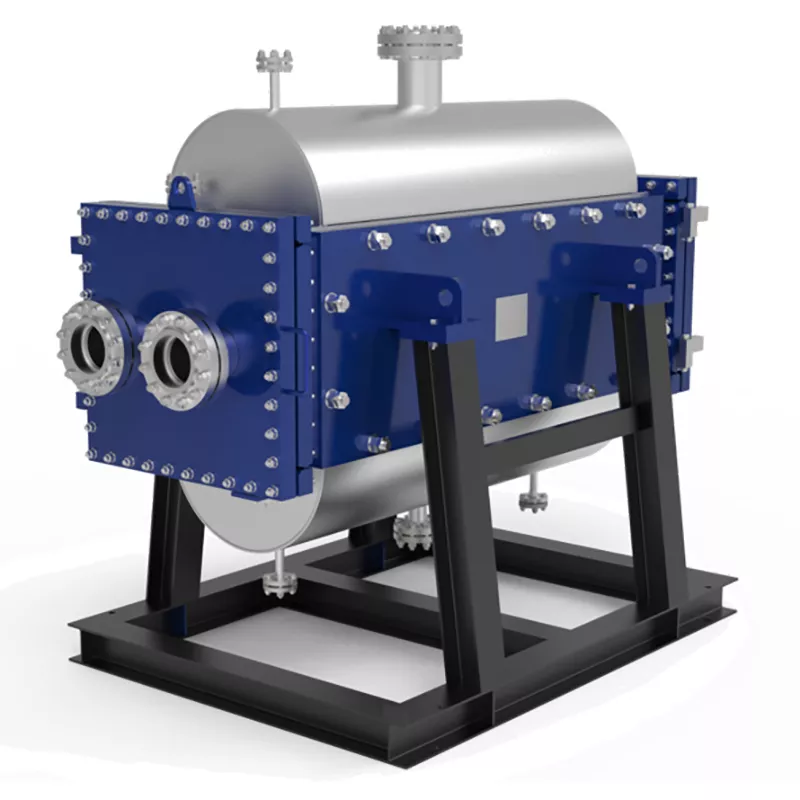
Traditional shell-and-tube heat exchangers often struggle with thermal efficiency, footprint, and maintenance costs in demanding processes. The Vahterus plate and shell heat exchanger alternative from SHPHE addresses these pain points by combining the compactness of plate technology with the robustness of a welded shell. Unlike gasketed units, our welded plate designs eliminate leak paths and gasket replacement cycles, making them ideal for high-pressure, high-temperature, or aggressive media applications.
SHPHE, a Shanghai-based manufacturer founded in 2005 with ISO9001 and ASME U certifications, exports to over 20 countries. Our HT-Bloc and TP welded plate heat exchangers are engineered as direct alternatives to Vahterus units, offering free thermal design and selection services to ensure optimal sizing for your process.
How Does the SHPHE Alternative Work in Real Process Scenarios?
In a typical chemical processing line, a Vahterus plate and shell heat exchanger alternative from SHPHE operates by directing two fluid streams through alternating welded plate channels inside a cylindrical pressure vessel. The plate pack is fully welded, eliminating gaskets and allowing operation at pressures up to 100 bar and temperatures from -200°C to 500°C. This design achieves heat transfer coefficients three to five times higher than conventional shell-and-tube units, reducing required surface area by up to 60%.
For example, in a refinery application handling hydrocarbon streams, the welded plate pack resists fouling better than traditional designs, and the shell can be easily opened for inspection. SHPHE offers free thermal design and selection to match your specific flow rates, temperatures, and media properties.
Key Features and Typical Parameter Ranges
Our Vahterus plate and shell heat exchanger alternative is built around welded plate technology, which offers distinct advantages over brazed or gasketed units. Below are common parameter ranges for our HT-Bloc and TP series:
- Design pressure: up to 100 bar (standard range 10–60 bar)
- Design temperature: -200°C to 500°C
- Heat transfer area: 1 m² to 500 m² per unit
- Flow capacity: up to 1,000 m³/h per stream
- Plate materials: stainless steel 304, 316L, titanium, Hastelloy
- Shell materials: carbon steel, stainless steel, or duplex
These ranges cover most industrial processes, from chemical and petrochemical to pharmaceutical and food processing. For extreme conditions, our HT-Bloc welded plate heat exchanger offers enhanced durability.
Applications and Recommended Solutions
The Vahterus plate and shell heat exchanger alternative from SHPHE is suitable for a wide range of applications:
- Chemical processing: Handling corrosive or high-purity fluids with welded plate integrity.
- Oil and gas: High-pressure gas cooling and hydrocarbon heating.
- Refrigeration: Ammonia and CO₂ systems requiring compact, leak-free designs.
- Pharmaceuticals: Sterile processes with CIP/SIP compatibility.
- Power generation: Feedwater heating and turbine lube oil cooling.
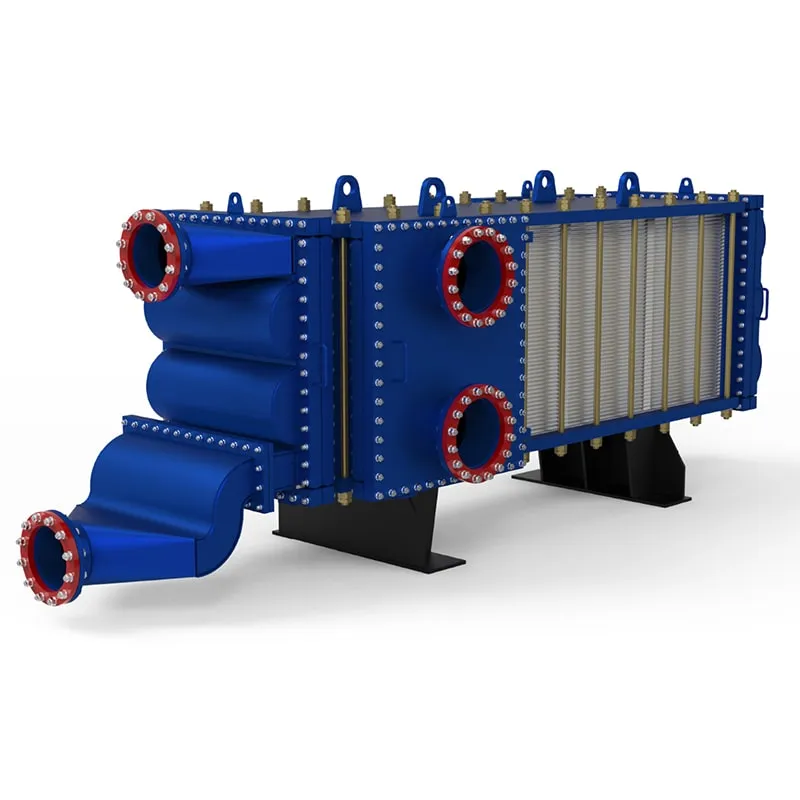
For applications with high fouling potential, our wide gap welded plate heat exchanger provides larger channel openings. For extreme temperature gradients, consider the printed circuit heat exchanger from our product line.
Why Choose SHPHE as Your Vahterus Plate and Shell Heat Exchanger Alternative?
SHPHE brings over 18 years of plate heat exchanger manufacturing experience to every project. Our Vahterus plate and shell heat exchanger alternative is designed with the following advantages:
- Fully welded construction eliminates gasket failures and leak points.
- Higher thermal efficiency reduces energy consumption and operating costs.
- Compact footprint saves valuable floor space compared to shell-and-tube units.
- Free thermal design and selection service ensures the right fit for your process.
- ASME U and ISO9001 certified manufacturing guarantees quality and traceability.
- Compatible with existing piping and support structures, simplifying retrofits.
Our product portfolio also includes gasketed plate heat exchangers for less demanding duties, and custom-engineered pillow plates for specialized heat transfer surfaces.
Frequently Asked Questions
Can your Vahterus alternative handle high-pressure steam applications?
Yes, our welded plate design can handle steam pressures up to 100 bar and temperatures up to 500°C. The fully welded plate pack ensures no gasket degradation, making it suitable for superheated steam and condensate recovery systems.
How does the thermal performance compare to a traditional shell-and-tube exchanger?
Our plate and shell design typically achieves overall heat transfer coefficients of 2,000–6,000 W/m²K, compared to 500–1,500 W/m²K for shell-and-tube units. This means you need 50–70% less surface area for the same duty, reducing capital and installation costs.
What maintenance is required for the welded plate pack?
The welded plate pack requires minimal maintenance. Periodic cleaning is possible through chemical flushing or mechanical cleaning if the shell is opened. Unlike gasketed units, there are no gaskets to replace, reducing long-term maintenance costs.
Is your product compatible with existing Vahterus installations?
Yes, our Vahterus plate and shell heat exchanger alternative is designed as a drop-in replacement for many existing installations. We provide free thermal design and selection to ensure dimensional and performance compatibility with your current piping and support structure.
What certifications does SHPHE hold for pressure vessels?
SHPHE is ISO9001 certified and holds ASME U stamp certification for pressure vessel manufacturing. All our welded plate heat exchangers are designed and tested according to ASME Section VIII Division 1 standards.
How long does it take to get a thermal design proposal?
Our free thermal design and selection service typically delivers a preliminary proposal within 24–48 hours after receiving your process parameters. We provide detailed drawings, performance curves, and pricing for your review.
Request a Quote for Your Vahterus Plate and Shell Heat Exchanger Alternative
To receive a customized thermal design and quotation for our Vahterus plate and shell heat exchanger alternative, please provide the following details to our engineering team:
- Flow rate for each stream (m³/h or kg/s)
- Inlet and outlet temperatures (°C)
- Operating pressure (bar)
- Media type and composition (including any corrosive or fouling tendencies)
- Allowable pressure drop
- Preferred materials of construction
Our team will respond with a detailed proposal within two business days, including thermal calculations, dimensional drawings, and pricing. SHPHE is committed to delivering the most cost-effective Vahterus plate and shell heat exchanger alternative for your process needs.

 English EN





User Comments
Service Experience Sharing from Real Customers
Mike Reynolds
Process EngineerWe swapped out a Vahterus unit for this alternative in our pilot plant. Honestly, I was skeptical at first, but the thermal performance has been spot on. The shell-side pressure drop was actually lower than expected, and the compact footprint freed up floor space. My only minor gripe was the initial gasket seating took a bit more torque than usual, but once dialed in, it’s been running smooth for three months straight.
Sarah Lin
Maintenance SupervisorI manage a dozen heat exchangers across two shifts, so reliability is my main concern. This unit has been up for six months without a single plugging issue, even with our dirty cooling water. Cleaning access is decent—not as tool-free as the Vahterus, but way better than a traditional shell-and-tube. The only reason I’m not giving five stars is the delivery took two weeks longer than quoted.
Tommy Chen
Senior HVAC DesignerI specified this alternative for a large district cooling project after the Vahterus lead time became a showstopper. The performance curves matched almost exactly, and the ASME stamp was legit. Installation was straightforward—our crew had it hung and piped in a day. The client is happy with the noise levels too, which is a big deal in a residential area. Would definitely spec again.
Jake Morrison
Shift OperatorIt does the job, but I’ve got mixed feelings. The heat transfer rate is fine for our lube oil cooling, but the plate pack seems a bit more finicky to reassemble after cleaning compared to the Vahterus we had before. Had one minor leak on start-up that needed a re-torque. Not a deal-breaker, but if you’re running 24/7, keep a spare gasket kit handy. Works, just not as polished.