Why Consider a Packinox Heat Exchanger Alternative for Your Plant
When your plant relies on a Packinox heat exchanger for critical process heating or cooling, finding a reliable alternative can reduce lead times, lower maintenance costs, and improve supply chain flexibility. This article explores why a Packinox heat exchanger alternative from SHPHE makes sense for process engineers and purchasing managers seeking comparable performance without the premium price tag. We cover working principles, key features, application scenarios, and practical selection guidance based on real-world plant requirements.
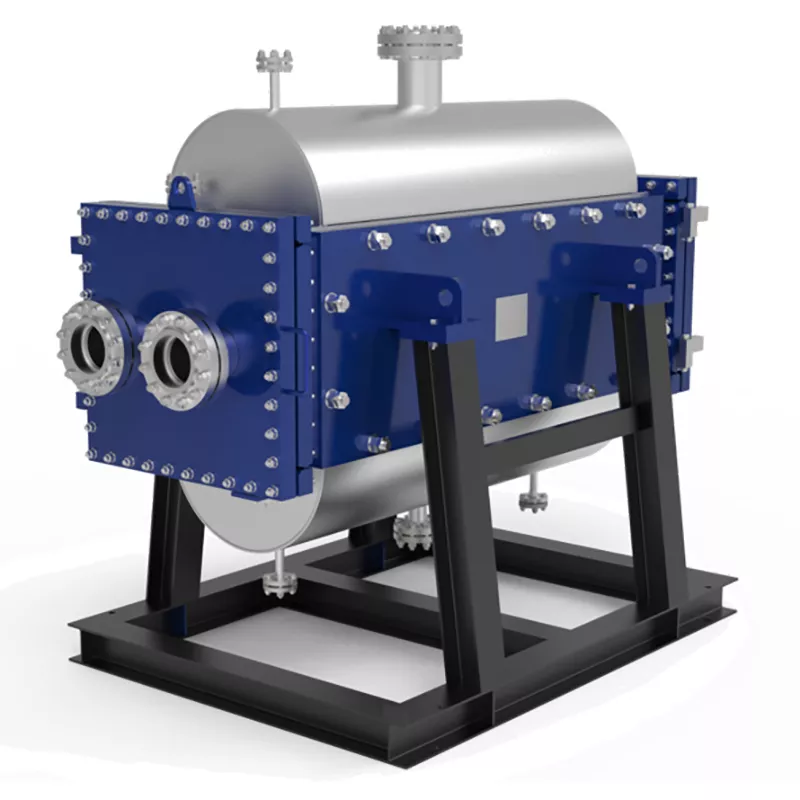
For many process plants, the Packinox heat exchanger has been a go-to choice for high-temperature, high-pressure duties in refining and petrochemical applications. However, extended delivery times, escalating costs, and limited technical support have pushed engineers to evaluate alternatives. A well-designed Packinox heat exchanger alternative can deliver equivalent thermal performance, pressure ratings, and reliability—often with faster delivery and more responsive engineering support. SHPHE, a Shanghai-based plate heat exchanger manufacturer founded in 2005, offers a range of welded and gasketed plate heat exchangers that serve as direct replacements or drop-in alternatives for Packinox units in many process lines.
What Makes a Packinox Heat Exchanger Alternative Necessary?
Packinox units are widely used in catalytic reforming, hydrotreating, and other high-temperature processes where compactness and thermal efficiency are critical. But as plants age, replacement parts become harder to source, and original equipment manufacturers may no longer support legacy designs. A Packinox heat exchanger alternative from SHPHE addresses these pain points by offering:
- Direct dimensional compatibility with existing Packinox piping and foundation layouts.
- Equivalent or better heat transfer coefficients using advanced plate patterns.
- Shorter manufacturing lead times—typically 12–16 weeks versus 30+ weeks for some OEM units.
- Full thermal design and selection service at no extra cost, ensuring the alternative matches your process conditions.
How Does a Packinox Heat Exchanger Alternative Work?
SHPHE's alternative designs use welded plate heat exchanger technology, which eliminates gaskets in high-temperature zones while maintaining the compact, countercurrent flow arrangement that Packinox users expect. The core principle remains the same: process fluids flow through alternating channels formed by embossed plates, with heat transferred across thin metal walls. In a Packinox heat exchanger alternative, the plate pack is typically welded or brazed to handle pressures up to 40 bar and temperatures up to 400°C, depending on the specific model. The key difference lies in the plate geometry and material selection, which SHPHE optimizes for each application using proprietary thermal design software.
Key Features and Typical Parameter Ranges
When evaluating a Packinox heat exchanger alternative, focus on these performance parameters that directly impact plant operations:
| Parameter |
Typical Range (SHPHE Alternative) |
| Design Pressure |
Up to 40 bar (full vacuum to 40 bar) |
| Design Temperature |
-40°C to 400°C (depending on material) |
| Heat Transfer Area |
1 m² to 2,500 m² per unit |
| Plate Materials |
SS304, SS316L, Duplex 2205, Hastelloy C276, Titanium |
| Connection Sizes |
DN25 to DN500 (flanged or welded) |
| Viscosity Range |
Up to 10,000 cP (with wide-gap plates) |
These ranges cover the majority of refining and chemical process duties where a Packinox heat exchanger alternative is typically required. For extreme conditions—such as pressures above 40 bar or temperatures exceeding 400°C—SHPHE offers HT-Bloc welded plate heat exchangers designed for higher mechanical strength.
What Applications Benefit Most from a Packinox Heat Exchanger Alternative?
A Packinox heat exchanger alternative from SHPHE is particularly well-suited for:
- Catalytic reforming units where reactor effluent and feed streams require tight temperature control.
- Hydrotreating and hydrocracking sections handling hydrogen-rich streams at elevated pressures.
- Gas processing plants needing compact heat recovery between high-pressure gas streams.
- Chemical reactors with fouling or viscous media where wide-gap plate designs improve uptime.
In many cases, the alternative can be configured as a drop-in replacement without modifying existing piping or supports. SHPHE provides free thermal design and selection, so you can verify performance before ordering. For applications with severe fouling, consider wide gap welded plate heat exchangers that handle particles up to 5 mm.
Why Choose SHPHE as Your Packinox Heat Exchanger Alternative Provider?
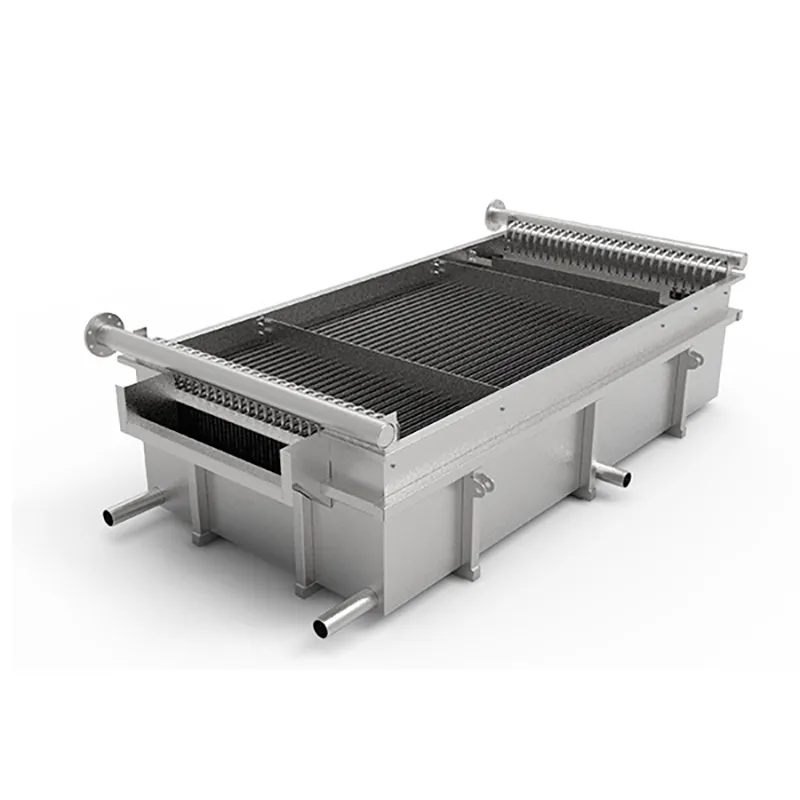
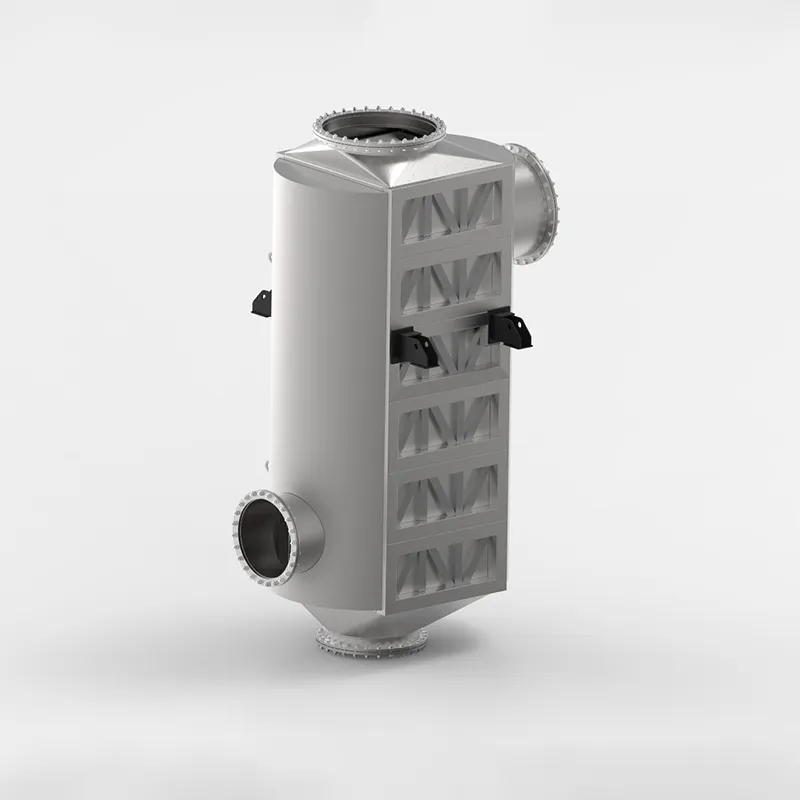
SHPHE brings two decades of plate heat exchanger manufacturing experience to the table. Founded in 2005, the company exports to over 20 countries and holds ISO9001 and ASME U certifications. Their product lines include HT-Bloc and TP welded plate heat exchangers, wide gap welded designs, gasketed plate units, PCHE, plate air preheaters, and pillow plates. For a Packinox heat exchanger alternative, the most relevant offerings are:
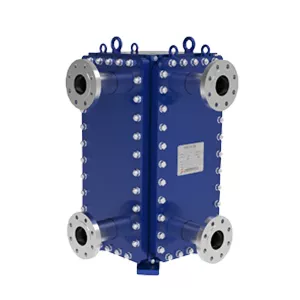
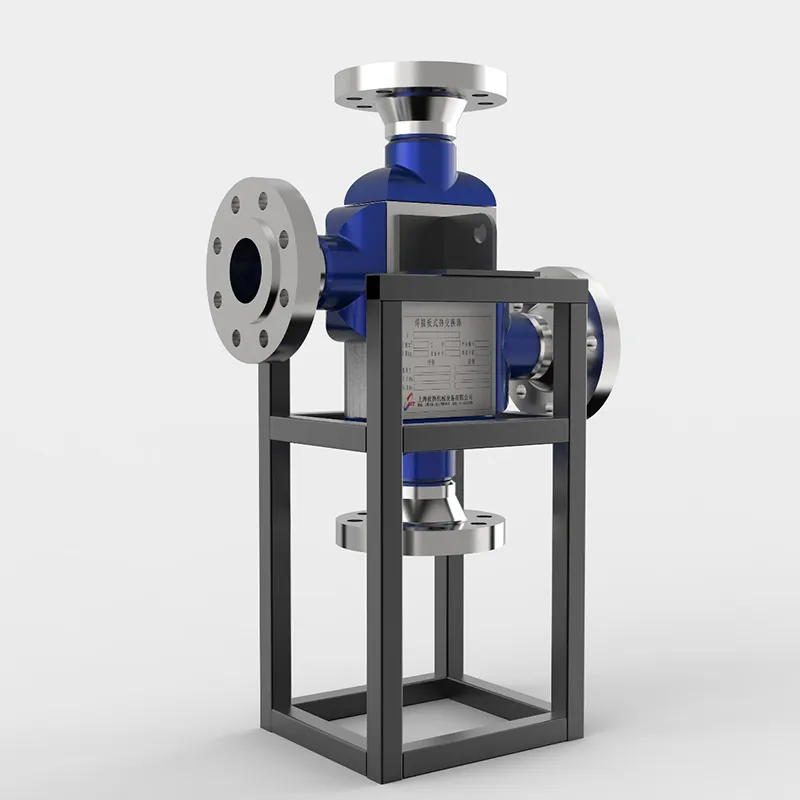
- TP Welded Plate Heat Exchangers — fully welded construction, no gaskets, suitable for high-temperature and high-pressure duties up to 400°C and 40 bar.
- HT-Bloc Welded Plate Heat Exchangers — robust block design for extreme thermal cycling and high mechanical loads.
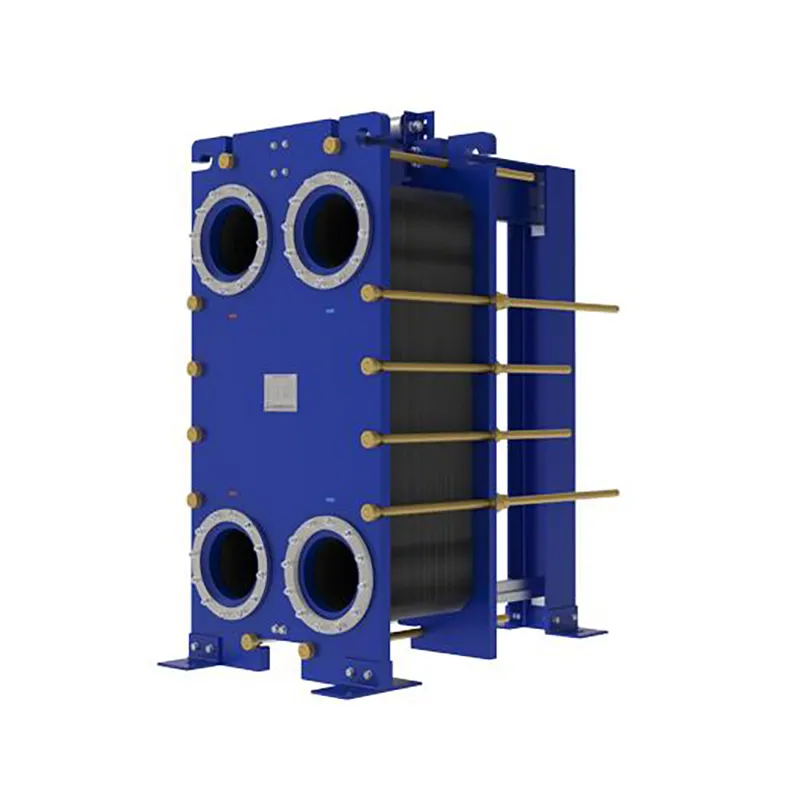
- Gasketed Plate Heat Exchangers — cost-effective for lower temperature and pressure applications where maintenance access is needed.
Each unit is custom-engineered to match your process conditions, with free thermal design and selection included. This means you get a Packinox heat exchanger alternative that is not just a clone, but an optimized solution for your specific flow rates, temperatures, and pressure drops.
Frequently Asked Questions About Packinox Heat Exchanger Alternatives
Q: Can a Packinox heat exchanger alternative match the exact thermal performance of my existing unit?
Yes, SHPHE uses proprietary thermal design software to match or exceed the heat transfer coefficient of your current Packinox unit. By adjusting plate pattern, number of passes, and channel configuration, we achieve the same duty within the same footprint. Free thermal design is provided before any commitment.
Q: How long does it take to get a Packinox heat exchanger alternative delivered?
Typical lead time for a custom-engineered welded plate heat exchanger is 12–16 weeks from order confirmation. For standard gasketed designs, delivery can be as short as 6–8 weeks. This is significantly faster than many OEM alternatives, which can exceed 30 weeks.
Q: Is the alternative compatible with existing Packinox piping and supports?
SHPHE designs each alternative to match your existing nozzle locations, flange ratings, and support dimensions. We request a drawing or field measurements of your current unit to ensure a true drop-in replacement with no piping modifications required.
Q: What certifications does SHPHE hold for a Packinox heat exchanger alternative?
SHPHE is ISO9001 and ASME U certified, meaning all pressure vessels are designed and manufactured to international standards. Each unit comes with a full data book, including material certificates, weld maps, and pressure test reports.
Q: Can I use a Packinox heat exchanger alternative for corrosive or fouling fluids?
Absolutely. SHPHE offers plate materials such as Hastelloy C276, Duplex 2205, and Titanium for corrosive environments. For fouling fluids, wide-gap plate designs with 5–8 mm channel gaps are available to reduce cleaning frequency and extend run length.
Q: What is the warranty on a Packinox heat exchanger alternative from SHPHE?
SHPHE provides a standard 12-month warranty from the date of commissioning, covering material defects and workmanship. Extended warranties are available upon request for critical applications.
Request a Quote for Your Packinox Heat Exchanger Alternative
If you are evaluating a Packinox heat exchanger alternative for your plant, SHPHE offers free thermal design and selection to ensure the replacement meets your process requirements. To get started, please provide the following details in your inquiry:
- Flow rate (hot side and cold side) in m³/h or kg/h.
- Inlet and outlet temperatures for both streams.
- Operating and design pressure in bar or psi.
- Fluid composition, including any corrosive or fouling components.
- Current unit dimensions or drawing (if available).
With this information, SHPHE can deliver a Packinox heat exchanger alternative that is optimized for your plant's specific conditions. Contact our engineering team today to discuss your project and receive a preliminary thermal design within 48 hours.
Choosing a Packinox heat exchanger alternative from SHPHE means gaining a reliable, cost-effective solution backed by two decades of plate heat exchanger manufacturing experience. Whether you need a drop-in replacement for an existing unit or a custom-engineered design for a new process line, SHPHE delivers performance, quality, and support that plant engineers trust.

 English EN





User Comments
Service Experience Sharing from Real Customers
Ethan
Maintenance SupervisorSwitched from Packinox to this alternative about six months ago. Honestly, I was nervous because the original unit had been solid for years, but this thing is a beast. No leaks, easier to clean during turnarounds, and the thermal performance hasn't dropped off at all. My crew actually prefers working on it.
Mia
Process EngineerWe needed a drop-in replacement for an aging Packinox in a high-pressure gas plant. This unit fit the footprint perfectly without major piping changes. Took a bit of tweaking to get the delta-T exactly where we wanted it, but once dialed in, it's been running flawlessly for three months. Solid build quality.
Jake
Plant ManagerCost was the main driver for us—Packinox pricing had gotten ridiculous. This alternative saved us about 30% upfront and the lead time was half. Installed it during a scheduled shutdown, and it's been performing better than the old unit. No vibration issues, and the pressure drop is actually lower. Highly recommend.
Liam
Senior Reliability EngineerI've been burned by cheap knockoffs before, so I was skeptical. But after a year of service in a cyclic duty application (lots of start/stops), this exchanger has held up well. The welds look clean, and we haven't seen any stress cracking. Only reason it's not a 5 is the gasket design is slightly different—took an extra day to source spares locally.