Comprehensive Analysis of Advantages and Disadvantages of Plate Heat Exchanger
Plate heat exchangers (PHEs) are widely used in industrial heating, cooling, and heat recovery processes due to their compact design and high thermal efficiency. This article provides a balanced, data-driven look at the pros and cons of plate heat exchangers, covering working principles, key performance parameters, common applications, and practical selection guidance. Whether you are a process engineer evaluating a new system or a purchasing manager comparing suppliers, understanding these trade-offs helps you make informed decisions. We also introduce SHPHE, a Shanghai-based manufacturer with over 18 years of experience, offering free thermal design services for customized solutions.
What Is a Plate Heat Exchanger and How Does It Work?
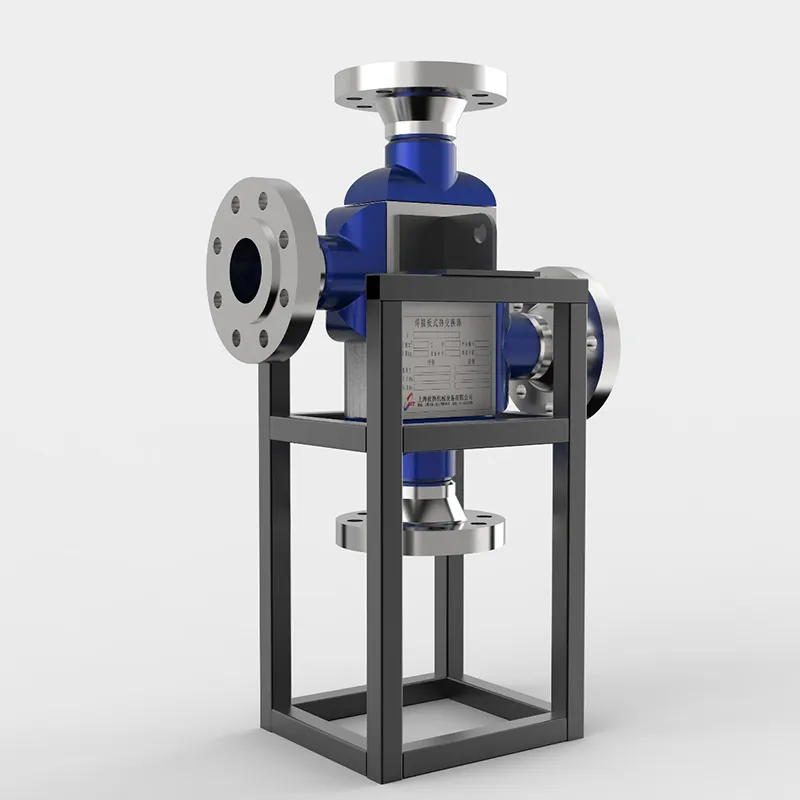
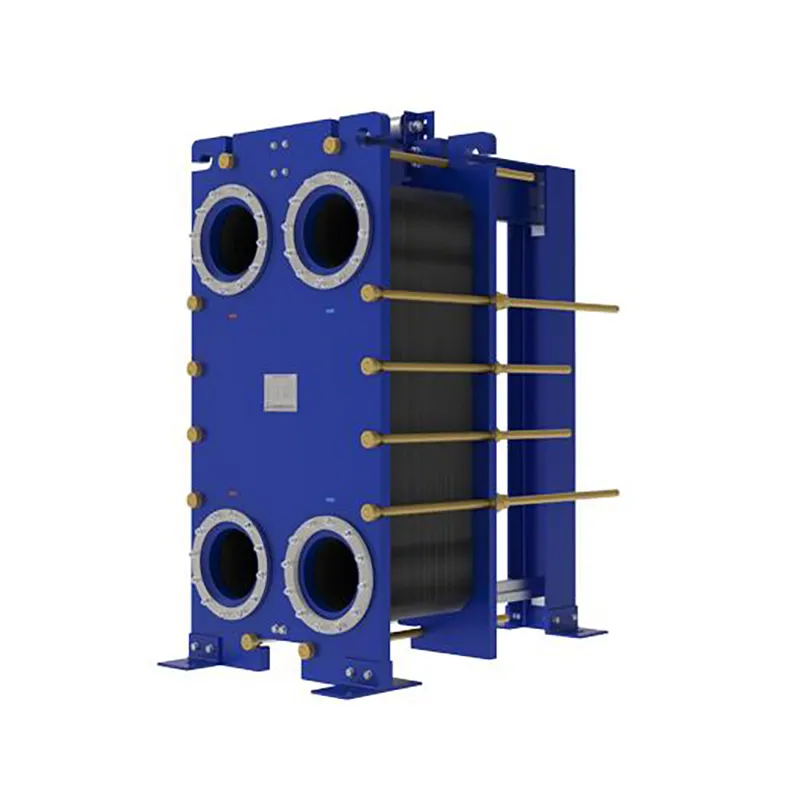
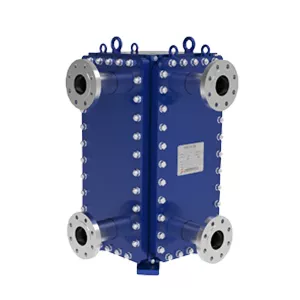
A plate heat exchanger consists of a stack of corrugated metal plates that create separate channels for two fluids to flow in opposite directions. Heat transfers through the thin plates without mixing the fluids. The corrugation pattern increases turbulence, which significantly boosts heat transfer coefficients compared to shell-and-tube designs. Typical plate materials include stainless steel 304/316L, titanium, and Hastelloy, depending on the fluid corrosiveness. Gasketed plate heat exchangers use elastomer seals to prevent leakage, while welded variants (like the HT-Bloc or TP series) eliminate gaskets for high-temperature or high-pressure applications. The compact plate stack allows for easy capacity adjustments by adding or removing plates.
What Are the Main Advantages of Plate Heat Exchangers?
Plate heat exchangers offer several distinct benefits that make them a preferred choice in many industries:
- High thermal efficiency: Turbulent flow across corrugated plates yields heat transfer coefficients 3–5 times higher than shell-and-tube units, reducing required surface area.
- Compact footprint: A plate heat exchanger can occupy 30–50% less space than a comparable shell-and-tube design, saving valuable floor area in plants.
- Easy maintenance and expansion: Gasketed models allow plate removal for cleaning or replacement; adding or removing plates adjusts capacity without replacing the entire unit.
- Low fouling tendency: High turbulence minimizes deposit buildup, extending intervals between cleaning cycles.
- Close temperature approach: Countercurrent flow enables temperature differences as low as 1–2°C, ideal for heat recovery applications.
- Versatile material options: Plates can be made from various alloys to handle aggressive fluids, and gaskets are available in NBR, EPDM, Viton, or PTFE.
What Are the Key Disadvantages to Consider?
Despite their strengths, plate heat exchangers have limitations that must be weighed during selection:
- Pressure limitations: Gasketed plate heat exchangers typically handle up to 25–30 bar; welded designs can go higher but still below shell-and-tube limits (often 100+ bar).
- Temperature constraints: Gasket materials limit operating temperatures to around 180–200°C; welded or brazed units can reach 300–400°C but with reduced flexibility.
- Leakage risk with gaskets: Gasket degradation over time can cause inter-plate leakage, requiring periodic replacement and inspection.
- Fouling in certain fluids: Fluids with high solids content or fibrous materials can clog narrow plate gaps (typically 2–5 mm), making wide-gap designs necessary.
- Higher initial cost for exotic materials: Titanium or Hastelloy plates increase upfront investment, though long-term savings may offset this.
- Vibration and stress sensitivity: Thin plates can be damaged by pressure surges or thermal shocks if not properly designed.
Typical Parameter Ranges for Plate Heat Exchangers
Understanding common operating ranges helps in initial feasibility checks. The table below summarizes typical values for industrial plate heat exchangers:
| Parameter |
Typical Range |
Notes |
| Operating pressure |
Up to 30 bar (gasketed); up to 100 bar (welded) |
Higher pressures require special designs |
| Operating temperature |
-40°C to 200°C (gasketed); up to 400°C (welded) |
Gasket material is the limiting factor |
| Heat transfer coefficient |
3,000–7,000 W/m²K (water-to-water) |
Depends on fluid properties and flow |
| Plate gap |
2–5 mm (standard); 5–15 mm (wide gap) |
Wide gap for viscous or fibrous fluids |
| Flow rate |
1–1,000 m³/h per unit |
Multiple units can be paralleled |
Common Applications and Recommended Solutions
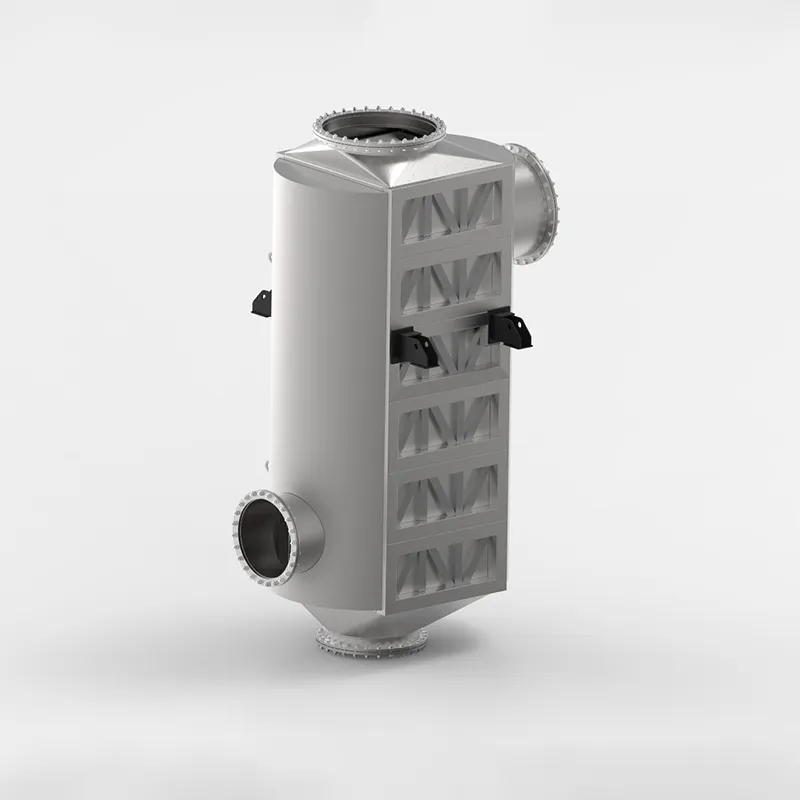
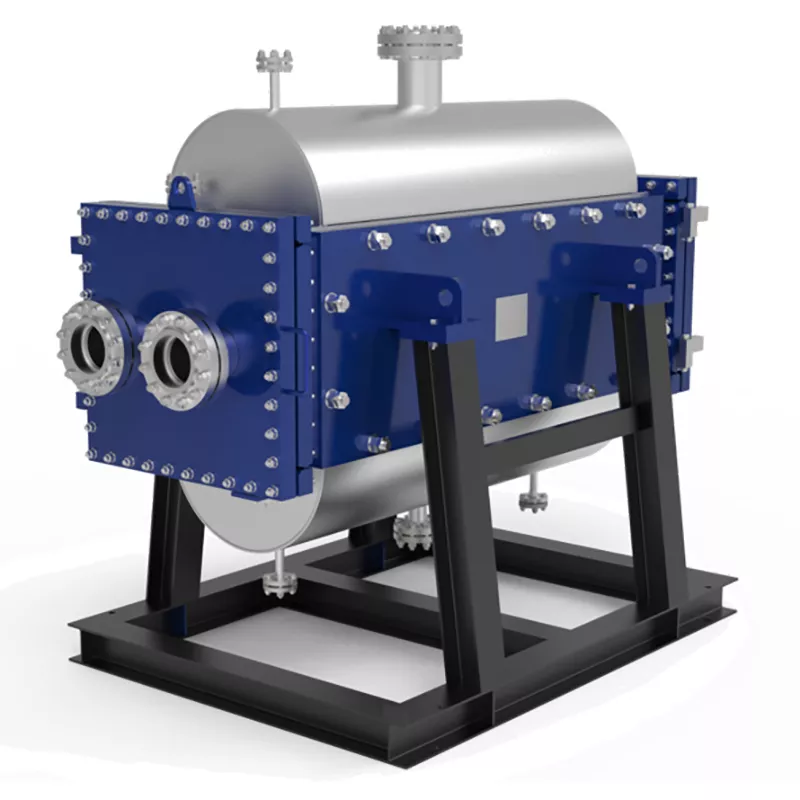
Plate heat exchangers are used across diverse sectors. For HVAC systems, gasketed plate heat exchangers provide efficient water-to-water heat transfer for district heating or cooling. In chemical processing, welded plate heat exchangers (like the HT-Bloc welded plate heat exchanger) handle aggressive chemicals without gasket degradation. For food and beverage applications, wide-gap designs prevent clogging from pulps or slurries. The wide gap welded plate heat exchanger is ideal for fluids with particles up to 10 mm. In oil and gas, printed circuit heat exchangers (PCHE) offer compact solutions for high-pressure gas cooling. For preheating combustion air, plate air preheaters recover waste heat from flue gases, improving boiler efficiency by 5–10%. Additionally, pillow plates are used in tank heating or cooling due to their robust, easy-to-clean surface.
Why Choose SHPHE for Your Plate Heat Exchanger Needs?
SHPHE, founded in 2005 in Shanghai, has grown into a trusted plate heat exchanger manufacturer serving over 20 countries. We hold ISO9001 and ASME U certifications, ensuring quality and compliance with international standards. Our product portfolio includes gasketed plate heat exchangers, HT-Bloc and TP welded plate heat exchangers, wide gap welded plate heat exchangers, PCHE, plate air preheaters, and pillow plates. We offer free thermal design and selection services, helping you match the right unit to your process conditions. Unlike generic suppliers, we provide detailed performance curves and material recommendations based on your fluid data. Our team has extensive experience with applications compatible with Alfa Laval or Compabloc designs, offering cost-effective alternatives without compromising performance. For projects requiring high-temperature or high-pressure handling, our welded plate heat exchangers deliver reliable operation up to 400°C and 100 bar.
Frequently Asked Questions
1. How do I decide between a gasketed and a welded plate heat exchanger?
Choose gasketed if you need regular cleaning or capacity changes, and if temperatures stay below 200°C and pressures under 30 bar. Welded units are better for high temperatures (up to 400°C), high pressures (up to 100 bar), or when gasket compatibility with the fluid is a concern. Welded designs also reduce maintenance frequency but are harder to modify later.
2. Can a plate heat exchanger handle viscous fluids like heavy oils?
Yes, but you need a wide-gap design with larger plate spacing (5–15 mm) to prevent clogging. Standard plate gaps of 2–5 mm may cause excessive pressure drop or fouling. SHPHE offers wide gap welded plate heat exchangers specifically engineered for viscous or fibrous fluids, with free thermal sizing to confirm feasibility.
3. What is the typical lifespan of a plate heat exchanger?
With proper maintenance, gasketed plate heat exchangers last 15–25 years; gaskets require replacement every 3–5 years depending on temperature and chemical exposure. Welded units can last 20–30 years with minimal maintenance. Regular inspection for corrosion or scaling extends service life significantly.
4. How do I calculate the required heat transfer area for my process?
You need flow rate, inlet/outlet temperatures, and fluid properties (specific heat, density, viscosity). Use the formula Q = U × A × LMTD, where LMTD is the log mean temperature difference. SHPHE provides free thermal design software and engineering support to calculate the exact area and plate count for your conditions.
5. Are plate heat exchangers suitable for steam heating applications?
Yes, but steam condensation requires careful design to handle two-phase flow and prevent water hammer. Welded plate heat exchangers are often preferred for steam service due to higher temperature and pressure capabilities. SHPHE has experience with steam-to-liquid and steam-to-gas applications, including plate air preheaters for waste heat recovery.
6. What maintenance is required for a plate heat exchanger?
Routine maintenance includes checking gasket condition, tightening bolts to specified torque, cleaning plates with appropriate solvents or high-pressure water, and inspecting for pitting or cracking. For gasketed units, replace gaskets every 3–5 years. Welded units need less frequent attention but should be checked for weld integrity and fouling annually.
Request a Quote for Your Plate Heat Exchanger Project
To get an accurate plate heat exchanger recommendation, please provide your process parameters: flow rate (m³/h or kg/s), inlet and outlet temperatures for both hot and cold sides, operating pressure, and media type (including any solids or corrosive components). Our engineering team will perform free thermal design and selection, delivering a customized solution that balances efficiency, cost, and reliability. Contact SHPHE today to discuss your requirements and receive a detailed proposal.

 English EN





User Comments
Service Experience Sharing from Real Customers
Mike
Maintenance SupervisorWe switched to plate heat exchangers in our dairy pasteurization line six months ago. The thermal efficiency is insane—we cut steam usage by nearly 20% compared to the old shell-and-tube units. Cleaning is a breeze too, since you can just pop the plates open. Only downside is gasket wear if you run aggressive CIP chemicals too hot, but for the energy savings alone, it's a no-brainer.
Sarah
Chemical Process EngineerFor our solvent recovery system, the compact footprint of the plate heat exchanger freed up a ton of floor space in an already crowded plant. Heat transfer rates are excellent, and the modular design lets us add plates when throughput increases. My only gripe is that pressure drop can get high if you don't size it right—we had to swap in a bigger pump after installation. Worth it though.
Tom
HVAC TechnicianInstalled a brazed plate exchanger for a geothermal loop on a residential retrofit. It's tiny and transfers heat like a champ, but man, if it ever clogs with debris, you're basically throwing the whole unit away because you can't take it apart. For clean closed-loop systems it's perfect, but I wouldn't use one on a dirty open loop without serious filtration.
Jake
Lead Refrigeration EngineerWe've been using plate heat exchangers as oil coolers on ammonia screw compressors for years. They handle high pressure and temperature swings better than I expected, and the compact size lets us fit more capacity into the same skid. Leaks can be a pain if a gasket goes bad, but we keep a spare plate pack on hand and swap it out in under an hour. No regrets.