Why Choose a Sanitary Plate Heat Exchanger for Your Processing Line
A sanitary plate heat exchanger is a critical component in modern food, dairy, beverage, and pharmaceutical processing lines. It delivers precise temperature control while meeting strict hygiene standards. This article explains how these heat exchangers work, their key features, typical applications, and why choosing a reliable manufacturer like SHPHE (founded in 2005, ISO9001 and ASME U certified) can improve your process efficiency and product safety.
What Is a Sanitary Plate Heat Exchanger and How Does It Work?
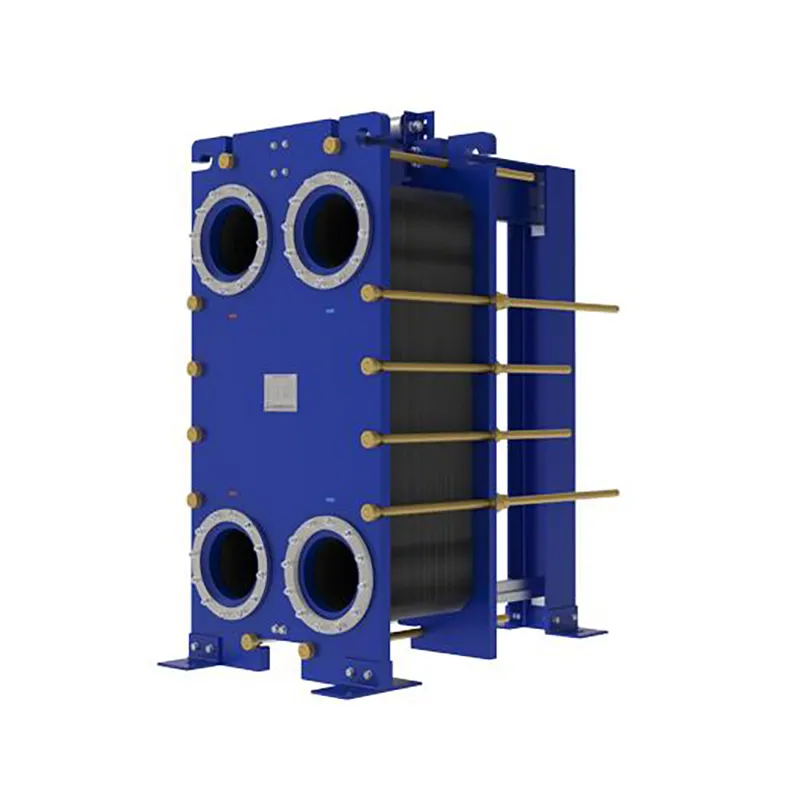
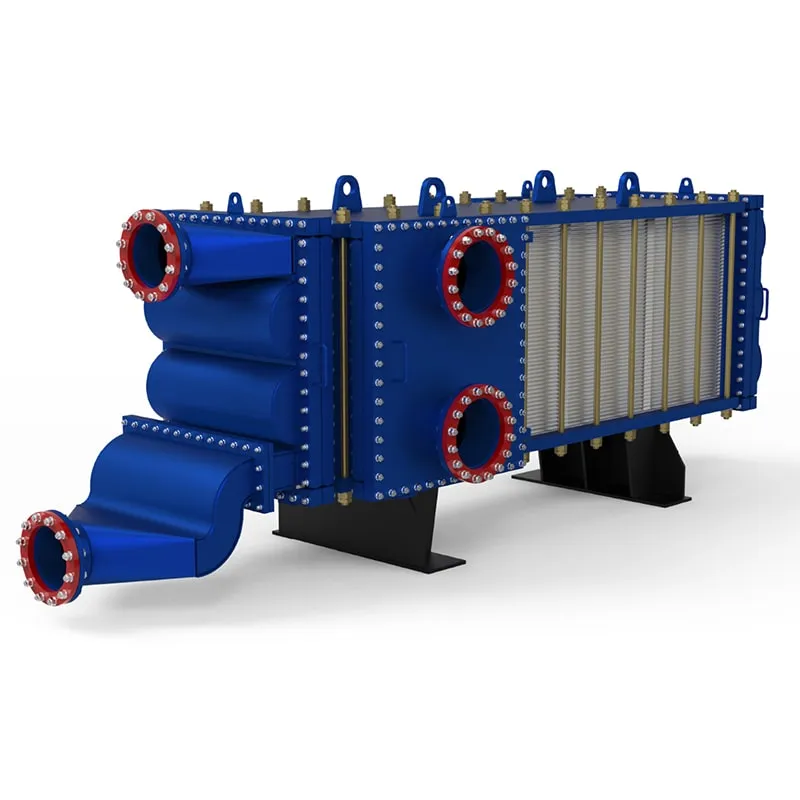
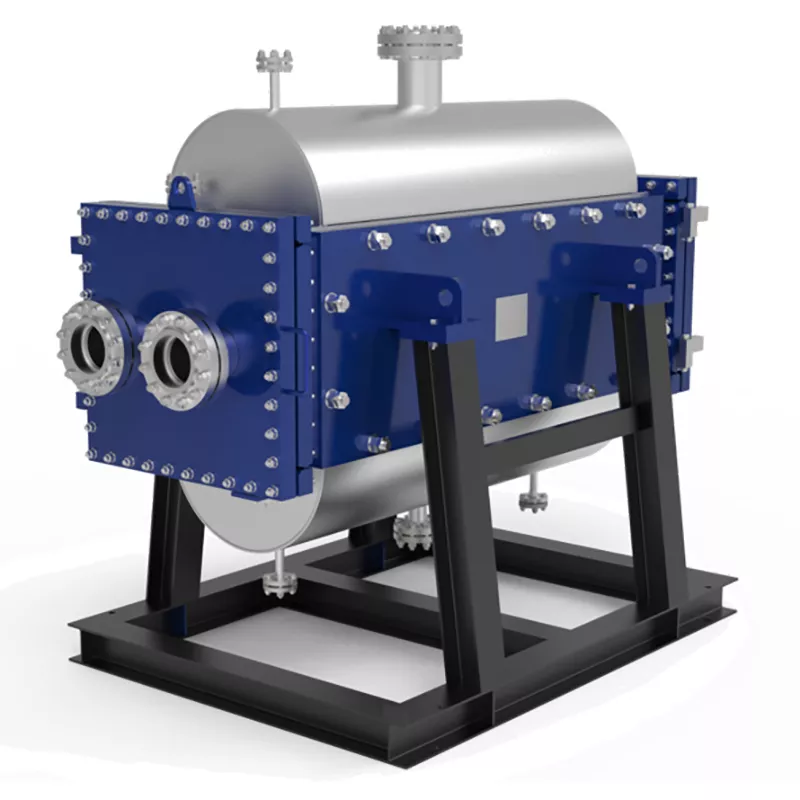
A sanitary plate heat exchanger transfers heat between two fluids through a series of corrugated stainless steel plates. The plates are designed with gaskets or welded seals to prevent cross-contamination. In a typical processing line, one fluid flows through the hot side while the other flows through the cold side, allowing efficient heating or cooling. The plates create turbulent flow, which enhances heat transfer and reduces fouling. This design is especially important for products like milk, juice, sauces, and pharmaceutical solutions where cleanliness is non-negotiable.
Key Features of a Sanitary Plate Heat Exchanger
Sanitary plate heat exchangers are built to meet the highest hygiene standards. Here are the main features you can expect:
- Hygienic design: All wetted parts are made from 304 or 316L stainless steel with Ra ≤ 0.8 µm surface finish to prevent bacterial growth.
- Easy cleaning: CIP (Clean-in-Place) capable, with no dead zones where product can accumulate.
- High thermal efficiency: Corrugated plates create turbulent flow, achieving heat transfer coefficients up to 6000 W/m²·K.
- Compact footprint: Requires up to 50% less space compared to shell-and-tube designs for the same duty.
- Flexible configuration: Available in gasketed, fully welded, or semi-welded versions to suit different pressures and temperatures.
What Are the Typical Parameter Ranges for Sanitary Plate Heat Exchangers?
Understanding the operating limits helps you select the right unit. Below are commonly accepted ranges for sanitary plate heat exchangers:
| Parameter |
Typical Range |
| Operating temperature |
-20°C to 180°C (gasketed); up to 350°C (welded) |
| Operating pressure |
Up to 25 bar (gasketed); up to 40 bar (welded) |
| Flow rate |
0.5 to 500 m³/h per unit |
| Plate material |
304 SS, 316L SS, titanium, Hastelloy |
| Gasket material |
EPDM, NBR, Viton, silicone (FDA compliant) |
Applications of Sanitary Plate Heat Exchangers in Processing Lines
Sanitary plate heat exchangers are widely used in industries where product purity is critical. Common applications include:
- Dairy processing: Pasteurization of milk, cream, and yogurt; cooling of cheese whey.
- Beverage production: Heating and cooling of fruit juices, beer, wine, and soft drinks.
- Food processing: Temperature control for sauces, soups, edible oils, and liquid eggs.
- Pharmaceutical and biotech: Sterile heating/cooling of buffer solutions, vaccines, and injectables.
- Chemical and cosmetic: Gentle heating of lotions, creams, and sensitive emulsions.
Why Choose SHPHE for Your Sanitary Plate Heat Exchanger?
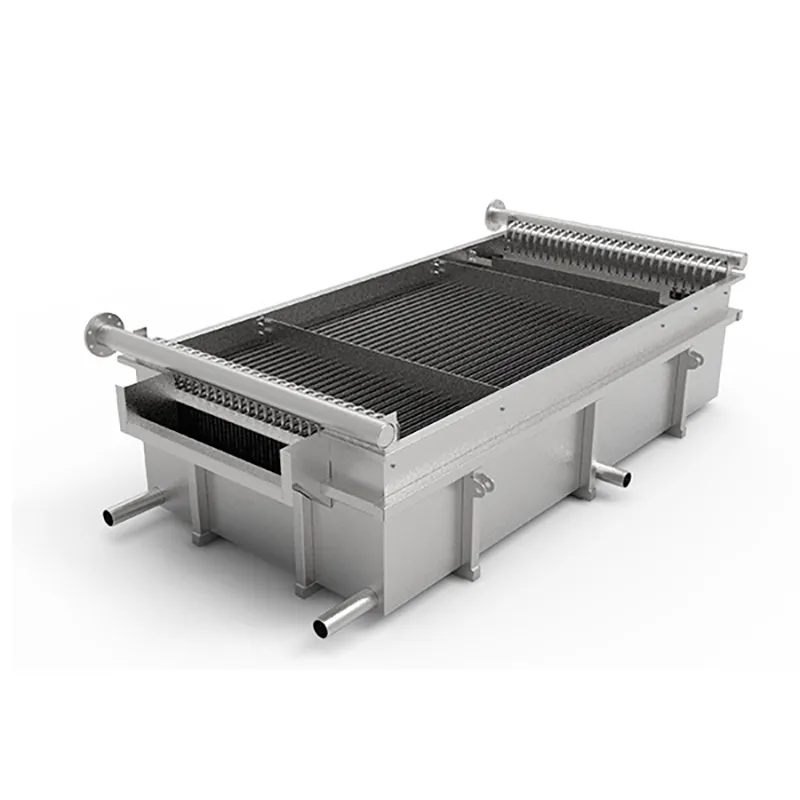
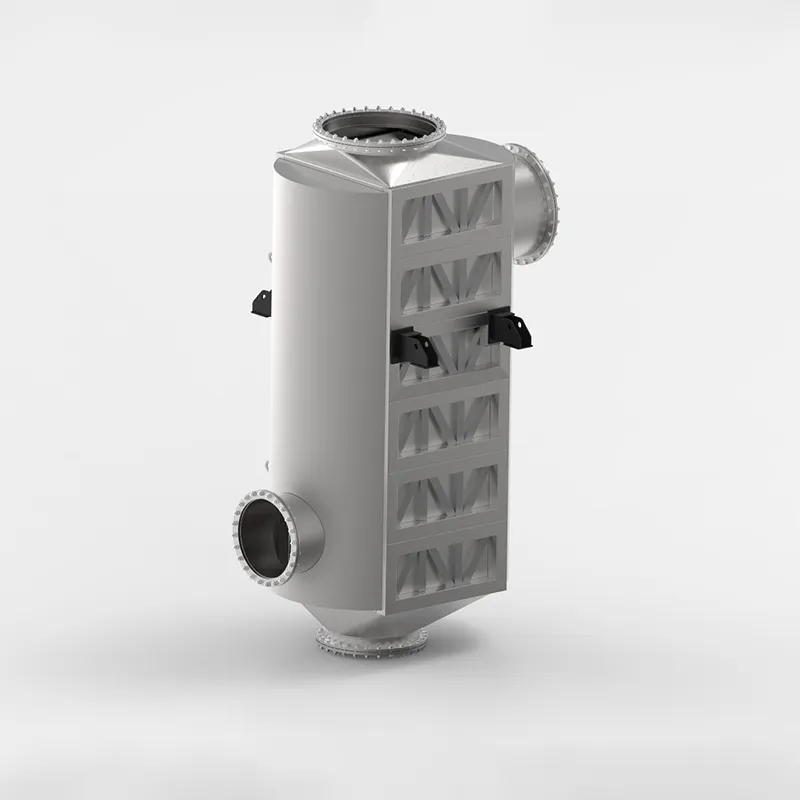
SHPHE is a Shanghai-based manufacturer with over 18 years of experience in plate heat exchanger design and production. Since 2005, we have exported to more than 20 countries and hold ISO9001 and ASME U certifications. Our product range includes HT-Bloc/TP Welded Plate Heat Exchangers, Wide Gap Welded Plate Heat Exchangers, Gasketed Plate Heat Exchangers, PCHE, Plate Air Preheaters, and Pillow Plates. We offer free thermal design and selection service to ensure your sanitary plate heat exchanger matches your exact process requirements. Our units are compatible with major brands such as Alfa Laval, Compabloc, and GEA, providing a reliable alternative at competitive pricing.
Frequently Asked Questions About Sanitary Plate Heat Exchangers
How do I clean a sanitary plate heat exchanger?
Most sanitary plate heat exchangers are designed for CIP cleaning. Use a caustic solution followed by an acid rinse at recommended temperatures and flow rates. Always check the gasket compatibility with cleaning chemicals.
Can a sanitary plate heat exchanger handle viscous products?
Yes, but you may need a wide-gap or welded plate design to prevent clogging. For products like purees or slurries, consult the manufacturer for plate gap and port size recommendations.
What is the typical lifespan of a sanitary plate heat exchanger?
With proper maintenance, plates can last 10–15 years. Gaskets typically need replacement every 3–5 years depending on temperature and chemical exposure. Regular inspection extends overall life.
Is a sanitary plate heat exchanger suitable for high-pressure applications?
Gasketed designs handle up to 25 bar, while fully welded versions can go to 40 bar. For pressures above that, consider a printed circuit heat exchanger (PCHE) from SHPHE.
How do I select the right plate material for my product?
316L stainless steel is standard for most food and pharmaceutical applications. For corrosive fluids or high chloride content, titanium or Hastelloy plates may be required. SHPHE provides free material selection support.
Can I use a sanitary plate heat exchanger as a direct replacement for a shell-and-tube unit?
In most cases, yes. Plate heat exchangers offer higher efficiency and a smaller footprint. However, you need to verify flow rates, pressure drops, and temperature profiles. SHPHE can help with a retrofit analysis.
Request a Quote for Your Sanitary Plate Heat Exchanger
Choosing the right sanitary plate heat exchanger for your processing line is essential for product quality and operational efficiency. To get an accurate recommendation, please provide the following details: flow rate, inlet and outlet temperatures, operating pressure, and the type of media (product and service fluid). SHPHE offers free thermal design and selection service to ensure your system performs optimally. Contact our engineering team today to discuss your project requirements.

 English EN





User Comments
Service Experience Sharing from Real Customers
Mike
Maintenance SupervisorWe swapped out our old gasketed units for these sanitary plate heat exchangers last quarter. The CIP capability is a game-changer—cuts our downtime by almost two hours per cycle. No more wrestling with leaky gaskets. Solid build quality.
Sarah
Process EngineerI've specified these for a few pharma skids now. The surface finish is consistent and the weld seams look clean. Only reason I'm not giving 5 stars is the initial pressure drop was a bit higher than our simulation predicted, but we tuned the flow and it's fine now.
Tom
BrewmasterFinally a plate heat exchanger that doesn't harbor hop residue in every crevice. We run 20-barrel batches and this thing handles the wort chilling like a champ. The plates are easy to pull and inspect. My whole team agrees—worth every penny.
Elena
Quality Assurance ManagerWe use these for pasteurizing fruit purees. The thermal performance is stable and the drainability is excellent—no pooling zones. I'd like to see slightly thicker frame bolts for heavy-duty cycles, but overall it meets our 3-A standards without hassle.