How Does Heat Exchanger Gasket Material Affect Performance and Longevity?
John A. Thompson, Maria K. Lindström, Robert C. Huang
Jul-06-2026
The selection of gasket material in heat exchangers is a critical factor that directly governs operational performance and service life across a wide range of industrial applications. Material compatibility with operating fluids and temperature ranges determines the gasket's ability to resist swelling, leaching, or embrittlement when exposed to aggressive media such as hydrocarbons, acids, steam, or refrigerants at elevated or cryogenic temperatures. Compression set resistance is equally vital, as it defines the gasket's capacity to maintain elastic recovery and sustained sealing force under prolonged bolt load, preventing leakage over time due to creep or relaxation. Chemical resistance and degradation under harsh process conditions, including exposure to oxidizing agents, chlorine, or caustic solutions, dictate the rate of material breakdown and the onset of cracks or pitting that compromise seal integrity. Thermal conductivity of the gasket material influences heat transfer efficiency by either facilitating or impeding thermal flow between plates, with higher conductivity materials reducing thermal resistance and improving overall exchanger performance. Furthermore, mechanical properties such as tensile strength, elongation, and hardness, combined with fatigue life under cyclic pressure and thermal stress, determine the gasket's ability to withstand repeated start-up and shutdown cycles without permanent deformation or failure. Together, these material characteristics form a complex interplay that ultimately defines the reliability, maintenance interval, and total cost of ownership for heat exchanger systems in demanding process environments.
Material Compatibility with Operating Fluids and Temperature Ranges
The selection of gasket material directly governs resistance to chemical attack and thermal degradation. Incompatible materials may swell, harden, or dissolve when exposed to specific fluids, leading to leakage and reduced heat transfer efficiency.
Temperature extremes impose additional constraints. Elastomers like EPDM and NBR offer flexibility within moderate ranges, while PTFE and compressed fiber withstand higher temperatures but require higher seating stress. Matching material limits to process conditions is essential for long-term sealing integrity.
Common materials include:
Proper evaluation of fluid composition, pH, and operating temperature ensures that the chosen gasket material maintains its mechanical properties over the equipment lifecycle, preventing premature failure and downtime.
Compression Set Resistance and Its Impact on Sealing Integrity Over Time
Compression set resistance is a critical property of heat exchanger gasket materials, determining how well a gasket can maintain its original shape and sealing force after prolonged exposure to compressive loads and thermal cycling. A material with low compression set resistance will gradually deform, leading to reduced bolt load and potential leakage paths.
Over time, gaskets with poor compression set resistance experience permanent deformation, causing a loss of sealing stress at the flange interface. This degradation directly compromises sealing integrity, increasing the risk of fluid bypass, cross-contamination, and energy inefficiency in heat exchanger systems.
High-quality gasket materials such as compressed fiber, PTFE, or elastomeric compounds with optimized fillers exhibit superior compression set resistance, ensuring long-term sealing performance. Regular monitoring of gasket hardness and thickness recovery can help predict replacement intervals and prevent unplanned downtime.
Selecting a gasket material with proven compression set resistance is essential for maintaining leak-free operation over the lifespan of the heat exchanger, particularly in applications involving temperature fluctuations and cyclic pressure loads.
Chemical Resistance and Degradation Under Harsh Process Conditions
The selection of gasket material directly determines the heat exchanger's ability to withstand aggressive chemicals, high temperatures, and pressure fluctuations. Inadequate chemical resistance leads to swelling, embrittlement, or dissolution, causing leakage and premature failure.
Below is a comparison of common gasket materials and their performance under typical harsh conditions:
| Material |
Max Temp (°C) |
Acid Resistance |
Alkali Resistance |
Hydrocarbon Resistance |
Degradation Risk |
| EPDM |
150 |
Good |
Excellent |
Poor |
Swelling in oils |
| NBR (Buna-N) |
120 |
Fair |
Good |
Excellent |
Embrittlement at high temp |
| FKM (Viton) |
200 |
Excellent |
Fair |
Excellent |
Degradation in steam |
| PTFE (Teflon) |
260 |
Excellent |
Excellent |
Excellent |
Cold flow / creep |
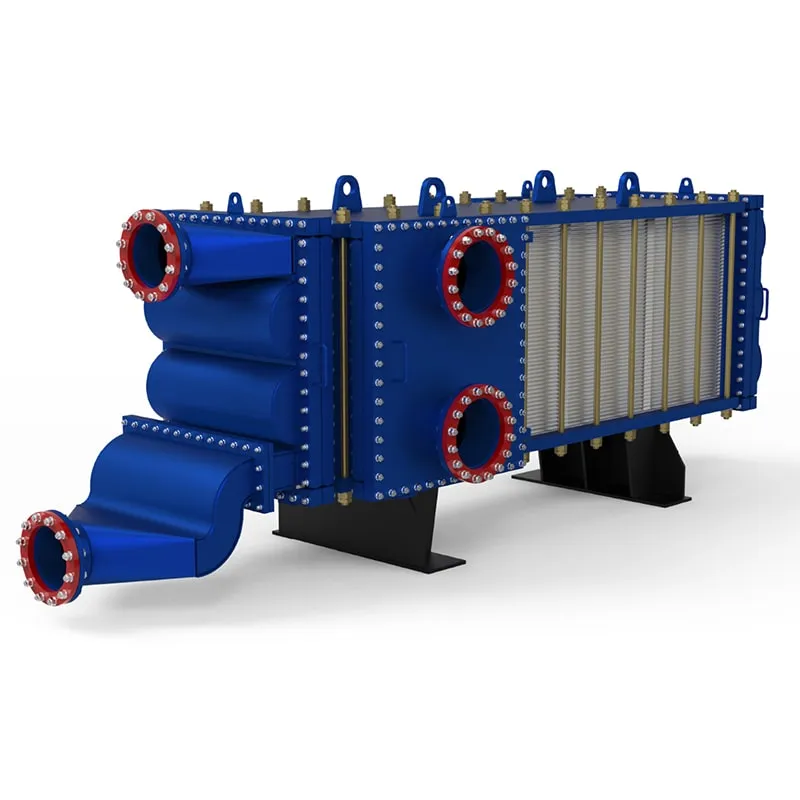
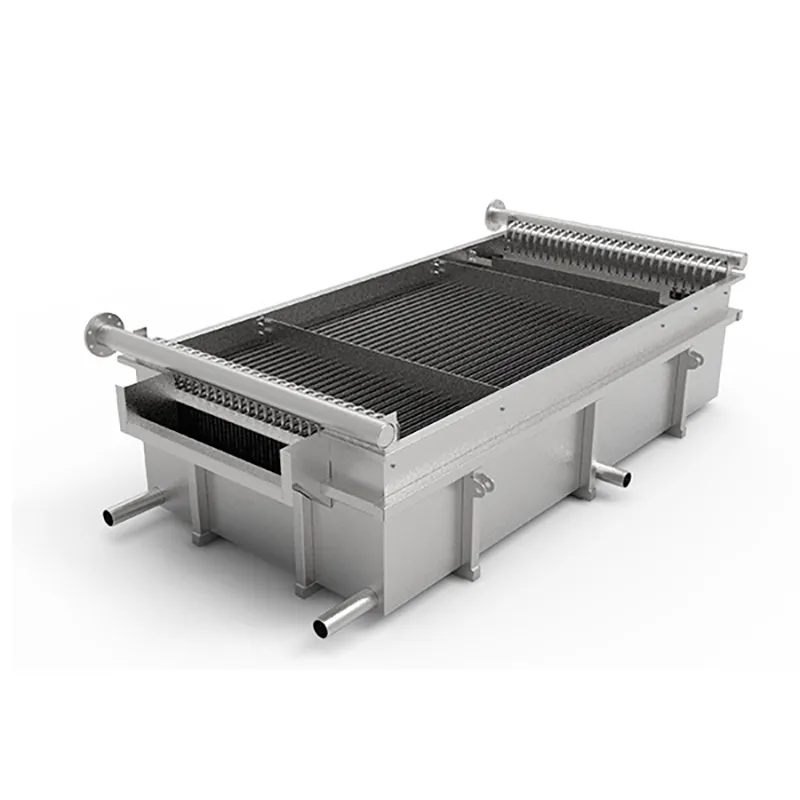
For processes involving strong oxidizing acids or high-temperature steam, PTFE or FKM are preferred despite higher cost. In alkaline or water-based environments, EPDM offers excellent longevity. Regular inspection for signs of swelling, cracking, or hardening is essential to prevent unplanned downtime. For more detailed engineering guidance, refer to specific product data sheets: Gasketed Plate Heat Exchangers, HT Bloc Welded Plate Heat Exchanger, or Wide Gap Welded Plate Heat Exchanger.
Thermal Conductivity and Its Effect on Heat Transfer Efficiency
Thermal conductivity of gasket materials directly influences the rate of heat transfer across the exchanger plates. Materials with higher thermal conductivity, such as metallic composites or graphite-based gaskets, facilitate faster heat exchange, improving overall system efficiency.
In contrast, gaskets with low thermal conductivity, like certain elastomers, can act as insulators, reducing heat transfer efficiency and potentially increasing energy consumption. Selecting the right gasket material ensures optimal thermal performance and minimizes thermal losses.
The balance between thermal conductivity and other properties, such as compression set and chemical resistance, is critical for maintaining long-term heat transfer efficiency and preventing premature failure.
Mechanical Properties and Fatigue Life Under Cyclic Pressure and Thermal Stress
The mechanical properties of heat exchanger gasket materials directly influence their ability to withstand cyclic pressure and thermal stress during operation. Key parameters include tensile strength, elongation at break, hardness, and compression set. These properties determine how well the gasket maintains a seal under fluctuating loads and temperature variations.
Under cyclic pressure conditions, gasket materials experience repeated expansion and contraction. Materials with high tensile strength and low compression set, such as compressed non-asbestos fiber (CNAF) or expanded polytetrafluoroethylene (ePTFE), exhibit superior resistance to permanent deformation. This reduces the risk of leakage over time and extends the service life of the heat exchanger.
Thermal stress arises from temperature gradients during startup, shutdown, and load changes. Gasket materials must accommodate differential thermal expansion between the plate pack and the gasket itself. Elastomeric materials like nitrile rubber (NBR) and ethylene propylene diene monomer (EPDM) offer good thermal stability within their rated temperature ranges, while graphite-based gaskets perform well under extreme thermal cycling.
Fatigue life testing simulates real-world operating conditions by applying combined cyclic pressure and thermal loads. Materials that exhibit low hysteresis and high resilience tend to have longer fatigue life. For example, silicone-based gaskets show excellent recovery after compression, making them suitable for applications with frequent thermal cycling. In contrast, materials prone to creep or stress relaxation may fail prematurely, leading to increased maintenance costs and unplanned downtime.
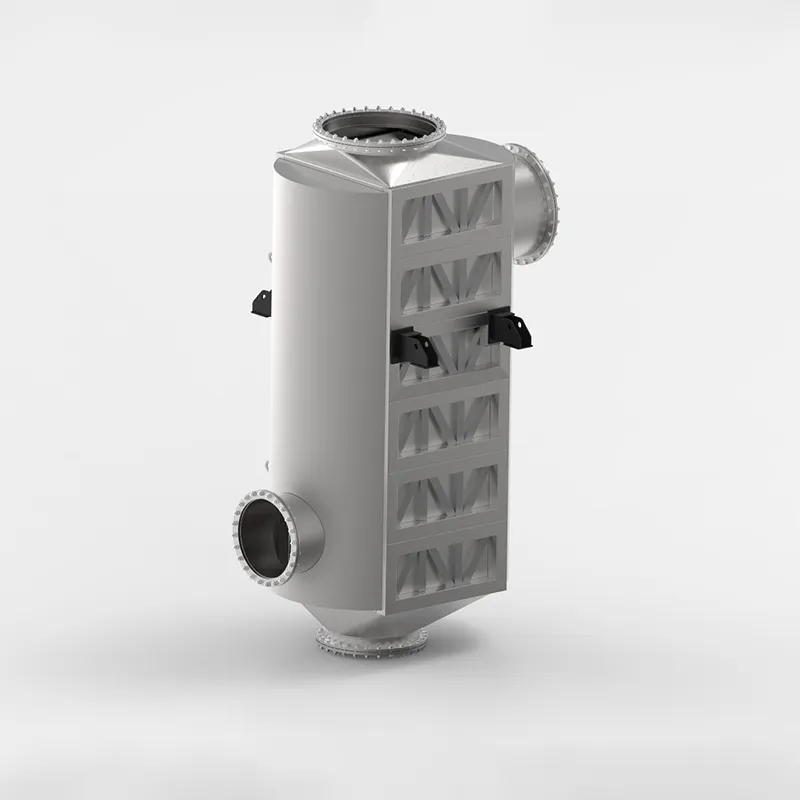
To optimize performance and longevity, engineers must select gasket materials based on the specific pressure and temperature profiles of the application. Proper material selection reduces the risk of gasket extrusion, blowout, or embrittlement. For more detailed information on gasket material selection for plate heat exchangers, please refer to the gasketed plate heat exchangers product page or explore custom engineered plate air preheaters for high-temperature applications.
In summary, understanding the mechanical properties and fatigue behavior of gasket materials under cyclic pressure and thermal stress is essential for ensuring reliable heat exchanger operation. Advanced materials and proper design considerations can significantly enhance the durability and efficiency of the sealing system.
Summary
The performance and longevity of heat exchanger gaskets are directly governed by the material's compatibility with operating fluids and temperature ranges. Proper material selection ensures resistance to chemical degradation under harsh process conditions, preventing premature failure and maintaining sealing integrity over time.
Compression set resistance is critical for sustained sealing force; materials with low compression set maintain their elasticity, reducing the risk of leaks during thermal cycling. Additionally, thermal conductivity influences heat transfer efficiency, where optimal conductivity balances effective heat exchange with minimal energy loss.
Mechanical properties, including tensile strength and flexibility, determine fatigue life under cyclic pressure and thermal stress. A gasket material that combines robust chemical resistance, stable thermal behavior, and strong mechanical resilience delivers extended service life and reliable performance in demanding industrial applications.
In conclusion, selecting the appropriate gasket material based on these factors is essential for optimizing heat exchanger efficiency, minimizing downtime, and ensuring long-term operational reliability.
How Does Heat Exchanger Gasket Material Affect Performance and Longevity?
The choice of gasket material directly influences sealing effectiveness, heat transfer efficiency, and operational lifespan under varying thermal and chemical conditions.
Material Compatibility with Operating Fluids and Temperature Ranges
Gasket materials must resist swelling, softening, or embrittlement when exposed to specific fluids (e.g., acids, oils, steam) and maintain stability across the process temperature range. Incompatibility leads to leakage and premature failure.
Compression Set Resistance and Its Impact on Sealing Integrity Over Time
Low compression set ensures the gasket retains its thickness and sealing force after prolonged clamping. High compression set causes loss of bolt load, resulting in leaks during thermal cycling or pressure fluctuations.
Chemical Resistance and Degradation Under Harsh Process Conditions
Exposure to aggressive chemicals can cause swelling, cracking, or dissolution of the gasket matrix. Materials with high chemical resistance (e.g., PTFE, EPDM) maintain dimensional stability and sealing performance in corrosive environments.
Thermal Conductivity and Its Effect on Heat Transfer Efficiency
Higher thermal conductivity in gasket materials reduces thermal resistance across the joint, improving overall heat exchanger efficiency. Materials like graphite offer superior conductivity compared to elastomeric alternatives.
Mechanical Properties and Fatigue Life Under Cyclic Pressure and Thermal Stress
Gaskets must withstand repeated pressure and temperature cycles without cracking or permanent deformation. Materials with high tensile strength and flexibility exhibit longer fatigue life, reducing maintenance frequency.

 English EN





User Comments
Service Experience Sharing from Real Customers
Liam Chen
Maintenance SupervisorWe switched to this gasket material six months ago in our cooling towers, and the difference is night and day. No more weeping joints after thermal cycling, and it handles the chlorinated water without swelling. Saved us a ton of downtime.
Sophie Torres
Process EngineerI was skeptical at first because it's pricier than the standard compressed fiber, but after three months in a crude oil preheat train, the seals are still intact. The only reason I'm not giving 5 stars is that the surface finish on the flange needs to be really clean for it to seat perfectly.
Ethan Brooks
HVAC TechnicianFinally a gasket that doesn't turn into a brittle mess after a few steam cycles. Installed these on a shell-and-tube exchanger in a hospital boiler room. Held pressure like a champ during the last inspection. Will definitely reorder.
Maya Johansson
Shift ManagerIt works fine for moderate temps, but we pushed it to 220°C in a food-grade heat exchanger and got some slight extrusion on the inner edge. For most applications it's solid, but if you're running near the upper limit, double-check the spec sheet first.