Why Choose an EPDM Gasket Plate Heat Exchanger for Your Thermal Management Needs
When selecting a heat exchanger for demanding thermal management tasks, the choice of gasket material directly impacts system reliability and maintenance costs. EPDM gasket plate heat exchangers offer exceptional resistance to hot water, steam, and a wide range of chemicals, making them a preferred solution for process engineers and plant managers. This article explores the working principles, performance parameters, and application scenarios of EPDM gasketed plate heat exchangers, with practical guidance on selecting the right unit for your facility.
Plate heat exchangers (PHEs) are compact, efficient devices that transfer heat between two fluids using corrugated plates. The gasket material seals the plate pack and prevents leakage between fluid channels. EPDM (ethylene propylene diene monomer) rubber is widely used for its excellent heat resistance, ozone resistance, and compatibility with many industrial fluids. For process engineers and purchasing managers evaluating thermal management solutions, understanding the benefits and limitations of EPDM gasket plate heat exchangers is essential for making cost-effective decisions.
How Does an EPDM Gasket Plate Heat Exchanger Work?
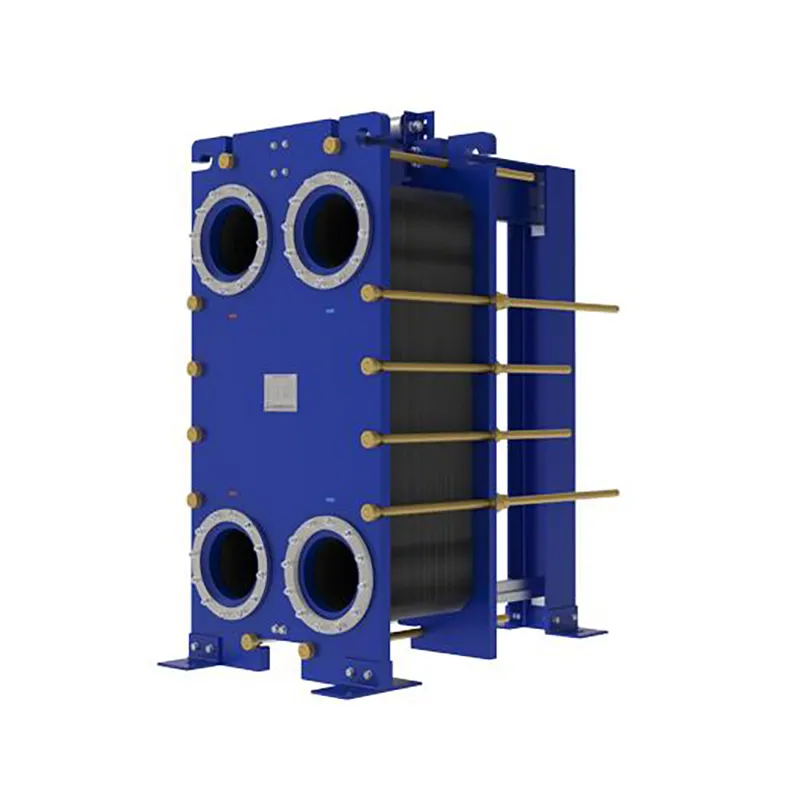
A gasketed plate heat exchanger consists of a series of corrugated metal plates held together in a frame. Each plate has a gasket that seals the perimeter and directs fluids into alternating channels. Hot and cold fluids flow counter-currently through these channels, transferring heat through the thin metal plates. The corrugation pattern creates turbulence, which enhances heat transfer efficiency while minimizing fouling. EPDM gaskets provide a tight seal that withstands temperatures up to 150°C (302°F) and pressures up to 25 bar, depending on the design.
In a typical process scenario, an EPDM gasket plate heat exchanger might be used to recover heat from a hot water stream in a district heating system. The hot water enters the unit at 90°C, while the cold return water enters at 40°C. Within the plate pack, heat transfers efficiently, raising the cold water temperature to 70°C and cooling the hot water to 60°C. This simple yet effective mechanism reduces energy consumption and operational costs.
What Are the Key Features and Typical Parameter Ranges of EPDM Gasket Plate Heat Exchangers?
EPDM gasket plate heat exchangers offer several advantages that make them suitable for a wide range of industrial applications:
- High thermal efficiency: Plate corrugation creates turbulent flow, achieving heat transfer coefficients up to 7,000 W/m²·K for water-to-water applications.
- Compact footprint: A gasketed plate heat exchanger requires up to 80% less space than a shell-and-tube unit for the same duty.
- Easy maintenance: The plate pack can be opened for cleaning, inspection, or gasket replacement without special tools.
- Flexible capacity: Adding or removing plates allows capacity adjustment to match changing process requirements.
- EPDM gasket compatibility: Suitable for hot water, steam condensate, dilute acids, alkalis, and many organic chemicals.
Typical parameter ranges for EPDM gasket plate heat exchangers include:
| Parameter |
Typical Range |
| Operating temperature |
-20°C to 150°C (-4°F to 302°F) |
| Operating pressure |
Up to 25 bar (362 psi) |
| Flow rate per unit |
1 to 2,000 m³/h (4.4 to 8,800 GPM) |
| Heat transfer area |
0.1 to 2,500 m² (1.1 to 26,900 ft²) |
| Plate material |
SS304, SS316L, titanium, Hastelloy |
Applications and Recommended Solutions for EPDM Gasket Plate Heat Exchangers
EPDM gasket plate heat exchangers are used across multiple industries where reliable thermal management is critical. Common applications include:
- HVAC and district heating: Heating and cooling of water in commercial buildings and residential complexes.
- Food and beverage processing: Pasteurization, sterilization, and cooling of liquid products.
- Chemical processing: Heating or cooling of process streams containing dilute acids or alkalis.
- Pharmaceutical manufacturing: Temperature control of purified water and buffer solutions.
- Oil and gas: Heat recovery from produced water and cooling of hydraulic systems.
For example, in a dairy plant, an EPDM gasket plate heat exchanger can be used to cool pasteurized milk from 72°C to 4°C using chilled water. The compact design allows installation in tight spaces, and the easy-open frame simplifies daily cleaning. For higher-temperature applications above 150°C, consider a HT-Bloc welded plate heat exchanger that can handle temperatures up to 350°C without gaskets.
Why Choose SHPHE for Your EPDM Gasket Plate Heat Exchanger?
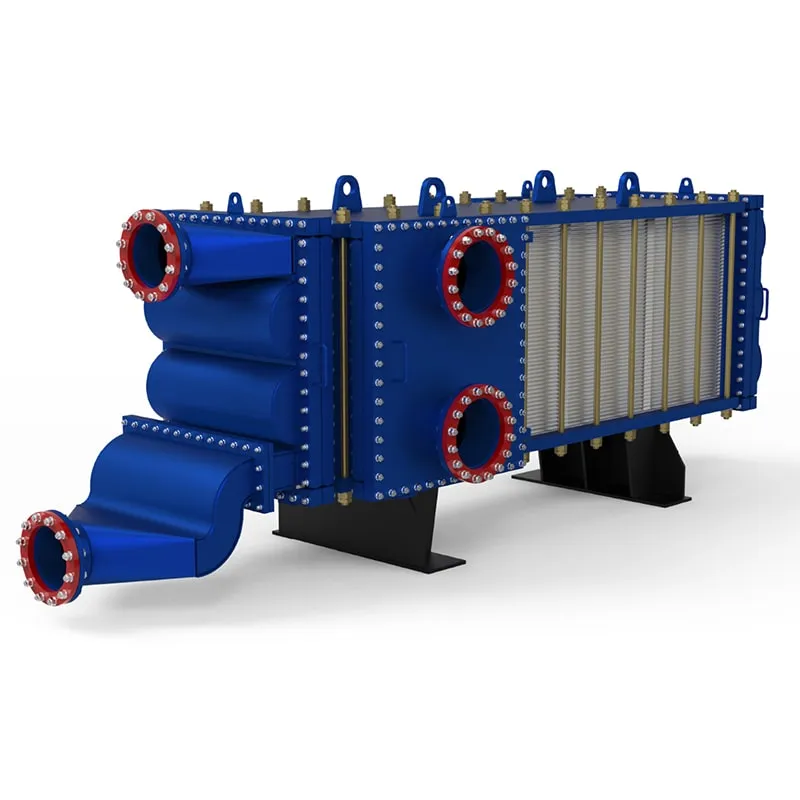
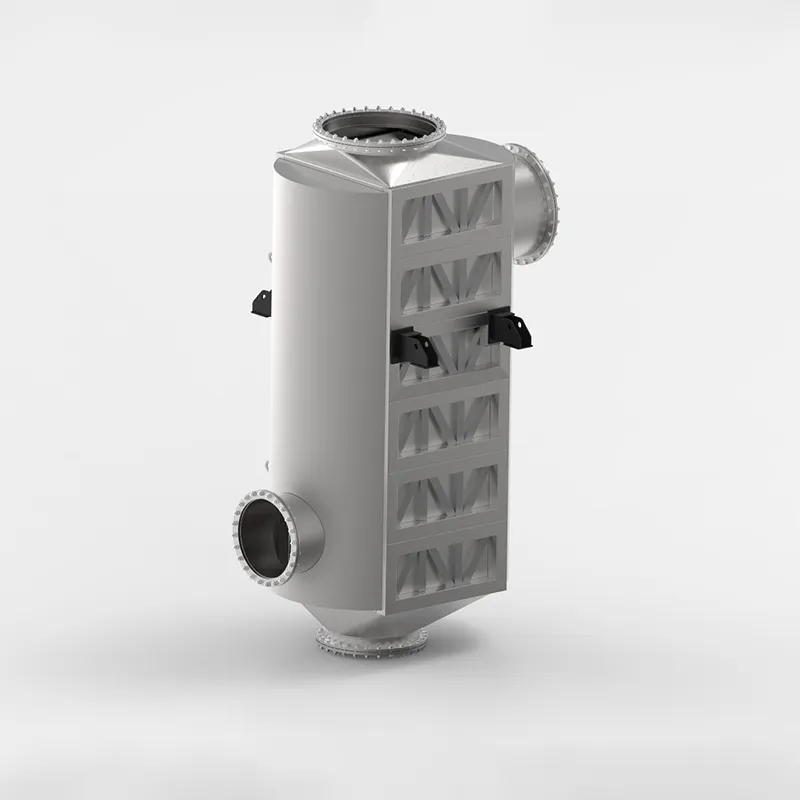
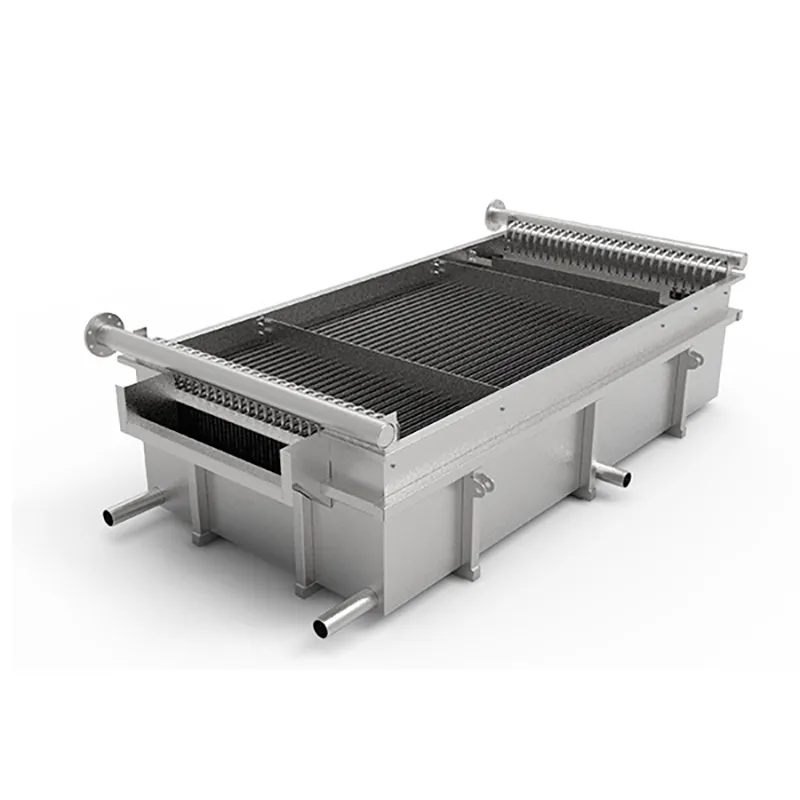
SHPHE is a Shanghai-based plate heat exchanger manufacturer founded in 2005, exporting to over 20 countries with ISO9001 and ASME U certifications. Our product lines include gasketed plate heat exchangers, wide gap welded plate heat exchangers, TP welded plate heat exchangers, PCHE, plate air preheaters, and pillow plates. We offer free thermal design and selection services to help you find the optimal solution for your application.
Our EPDM gasket plate heat exchangers are designed to be compatible with major brands such as Alfa Laval and GEA, providing a cost-effective alternative without compromising performance. Whether you need a standard unit for a simple water-to-water duty or a custom-engineered solution for aggressive chemical media, our team can deliver. For applications requiring higher temperature or pressure, explore our TP welded plate heat exchanger series, which eliminates gaskets entirely.
Frequently Asked Questions About EPDM Gasket Plate Heat Exchangers
What is the maximum temperature for EPDM gaskets in a plate heat exchanger?
The maximum continuous operating temperature for EPDM gaskets is typically 150°C (302°F). For short-term exposure, some grades can withstand up to 160°C. Above this range, the gasket may degrade, leading to leakage. For higher-temperature applications, consider a welded plate heat exchanger or a gasket made from alternative materials like Viton or PTFE.
Can EPDM gasket plate heat exchangers be used with steam?
Yes, EPDM gaskets are suitable for low-pressure steam applications, typically up to 5 bar saturated steam. The gasket material resists steam condensate and maintains a good seal. For higher steam pressures, a welded plate heat exchanger or a specially designed gasketed unit with reinforced gaskets is recommended.
How often should EPDM gaskets be replaced?
Gasket replacement intervals depend on operating conditions. In normal water-to-water service, EPDM gaskets can last 5–8 years. In more aggressive chemical or high-temperature environments, replacement may be needed every 2–4 years. Regular inspection for cracks, hardening, or compression set is recommended during annual maintenance.
Are EPDM gasket plate heat exchangers compatible with Alfa Laval or GEA frames?
Yes, SHPHE manufactures EPDM gasket plate heat exchangers that are compatible with many standard frames from Alfa Laval, GEA, and other major brands. Our plates and gaskets are designed as direct replacements, allowing you to upgrade or expand existing systems without replacing the entire unit. Always verify plate geometry and port sizes before ordering.
What fluids are not suitable for EPDM gaskets?
EPDM gaskets are not recommended for use with oils, hydrocarbons, strong oxidizing acids, or chlorinated solvents. These fluids can cause swelling, cracking, or chemical degradation of the gasket material. For such applications, consider NBR (nitrile) gaskets for oil service or Viton for high-temperature chemical service.
How do I select the right size of EPDM gasket plate heat exchanger?
Selection requires knowing your process parameters: flow rate, inlet and outlet temperatures, allowable pressure drop, and fluid properties. SHPHE offers free thermal design services. Provide these details, and our engineers will calculate the required heat transfer area, number of plates, and frame size. For complex duties, we may recommend a printed circuit heat exchanger (PCHE) for extreme conditions.
Request a Quote for Your EPDM Gasket Plate Heat Exchanger
Choosing the right EPDM gasket plate heat exchanger for your thermal management needs requires careful consideration of operating conditions and performance requirements. To get a tailored recommendation, please provide the following details in your inquiry:
- Flow rate for both hot and cold sides (in m³/h or GPM)
- Inlet and outlet temperatures (in °C or °F)
- Operating pressure (in bar or psi)
- Fluid media and any chemical composition
- Allowable pressure drop (if specified)
With this information, SHPHE can provide a free thermal design and a competitive quotation. Our EPDM gasket plate heat exchangers are built to ISO9001 and ASME U standards, ensuring reliable performance for years to come. For applications requiring higher temperatures or pressures, explore our wide gap welded plate heat exchanger or custom-engineered pillow plates for specialized duties.
An EPDM gasket plate heat exchanger remains a versatile and cost-effective choice for many thermal management applications. By partnering with an experienced manufacturer like SHPHE, you can ensure your system operates efficiently and reliably, reducing downtime and energy costs over the long term.

 English EN





User Comments
Service Experience Sharing from Real Customers
Mike Torres
Maintenance SupervisorWe swapped out the old gaskets on our plate heat exchangers for these EPDM ones six months ago. The difference in durability is night and day—no leaks even with aggressive cleaning cycles. Our downtime has dropped significantly.
Sarah Chen
Process EngineerThese gaskets handle the temperature swings in our pasteurization line really well. Only reason I’m not giving 5 stars is that the fit is a tiny bit tight on older plates, but once they’re seated, they seal perfectly. Worth the extra effort.
Dave Kowalski
Facilities ManagerI’ve tried three different brands for our HVAC heat exchangers, and these EPDM gaskets are the only ones that haven’t cracked after a year of constant hot water cycling. Installation was straightforward too. Highly recommend for anyone dealing with high-temp loops.
Linda O'Brien
Shift TechnicianWe use these in our chemical blending skid where we have occasional exposure to mild acids. The EPDM holds up way better than the previous rubber we had. I wish the packaging was a bit more protective to prevent edge damage during shipping, but the product itself is solid.