What Makes APV Plate Heat Exchanger Gaskets Critical?
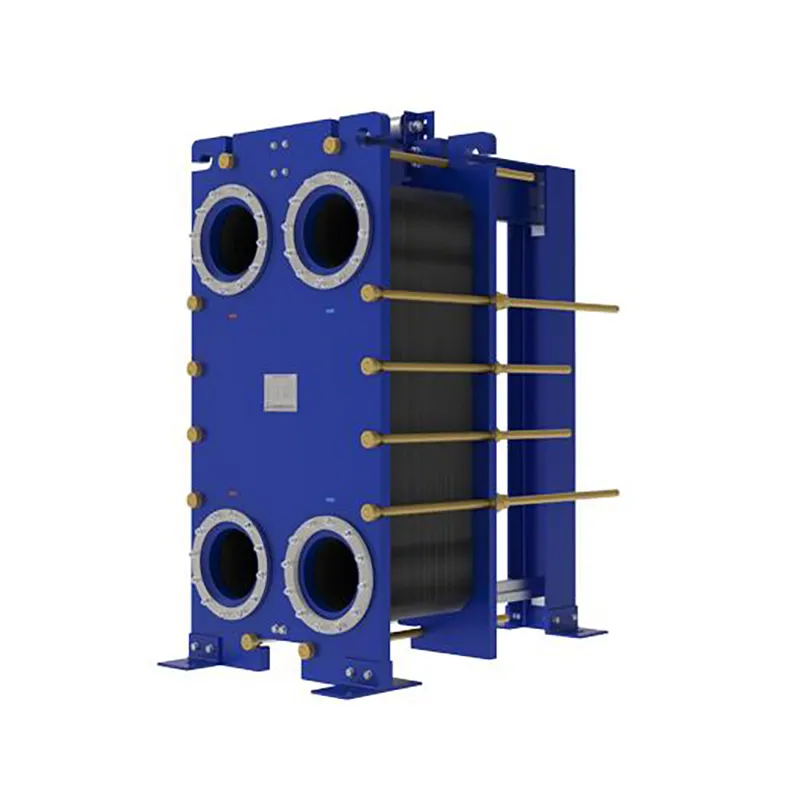
In any gasketed plate heat exchanger, the gasket is the component that seals the gap between plates, preventing fluid mixing and leaks. Without a high-quality gasket, even the best-designed plate pack will underperform. APV plate heat exchanger gaskets are engineered to withstand specific temperature and pressure ranges while resisting chemical attack from process fluids. A failed gasket can lead to cross-contamination, unplanned downtime, and higher maintenance costs. That is why selecting the right gasket material and design is not just a detail — it is a core operational decision.
How Do Premium Gaskets Improve Heat Exchanger Performance?
The primary function of a gasket is to maintain a leak-tight seal under varying thermal and mechanical loads. Premium gaskets, such as those compatible with APV models, are molded with precise dimensions to fit plate grooves perfectly. This eliminates micro-leakage paths and ensures uniform compression across the plate pack. As a result, the heat transfer coefficient remains stable, and the equipment operates at its designed efficiency. For process engineers, this translates into lower energy consumption and more consistent outlet temperatures.
Key Features of Premium APV Plate Heat Exchanger Gaskets
- Material options: NBR, EPDM, Viton, and HNBR for different chemical compatibility and temperature limits.
- Precision molding: Gaskets are manufactured using compression or injection molding to ensure consistent dimensions.
- Clip-on or glue-on design: Depending on the plate type, gaskets can be snapped into place or bonded for extra security.
- Temperature range: Typically from -20°C to 180°C, with some materials reaching 200°C for short periods.
- Pressure rating: Designed to match the heat exchanger’s design pressure, commonly up to 25 bar.
What Are the Typical Parameter Ranges for These Gaskets?
While exact specifications depend on the model and application, industry-standard APV plate heat exchanger gaskets generally cover the following ranges:
| Parameter |
Typical Range |
| Operating temperature |
-20°C to 180°C |
| Operating pressure |
Up to 25 bar |
| Gasket thickness |
2 mm to 6 mm |
| Hardness (Shore A) |
60 to 80 |
These values are common across many manufacturers, but always verify with your equipment datasheet before ordering.
Applications Where APV-Compatible Gaskets Excel
Premium gaskets are used in a wide range of industries. In the food and beverage sector, EPDM gaskets are preferred for their resistance to CIP chemicals and steam. In chemical processing, Viton gaskets handle aggressive acids and solvents. For HVAC and district energy systems, NBR gaskets offer a cost-effective solution for water and glycol mixtures. If you are retrofitting an existing unit, choosing a compatible gasket from a reliable supplier like SHPHE can restore performance without replacing the entire heat exchanger.
Why SHPHE Is a Trusted Source for Gasket Replacements
SHPHE, a Shanghai-based manufacturer founded in 2005, specializes in plate heat exchanger solutions and exports to over 20 countries. The company holds ISO9001 and ASME U certifications, ensuring that every gasket meets strict quality standards. SHPHE offers free thermal design and selection services, helping you choose the right material and profile for your specific process conditions. Whether you need a direct replacement for an existing APV unit or a custom-engineered solution, SHPHE provides alternatives that are compatible with major brands like Alfa Laval, Compabloc, and GEA. You can explore their full range of gasketed plate heat exchangers and related products.
Frequently Asked Questions About APV Plate Heat Exchanger Gaskets
Q: How do I know if my gasket needs replacement?
A: Visible signs include fluid leakage at the plate pack edges, reduced heat transfer efficiency, or increased pressure drop. Regular inspection every 6 to 12 months is recommended.
Q: Can I use a generic gasket on my APV heat exchanger?
A: It is not advisable. Generic gaskets may not match the groove geometry, leading to poor sealing and premature failure. Always choose a gasket designed for your specific plate model.
Q: What is the typical lifespan of a premium gasket?
A: With proper operation and maintenance, premium gaskets last 3 to 5 years. Factors like temperature spikes, chemical exposure, and mechanical stress can shorten this period.
Q: Are SHPHE gaskets compatible with Alfa Laval or GEA plates?
A: Yes, SHPHE manufactures gaskets that are compatible with many major brands, including Alfa Laval and GEA. They use precise molds to ensure a proper fit.
Q: What information do I need to order the correct gasket?
A: You should provide the plate model number, gasket material preference, and operating conditions such as temperature, pressure, and fluid type. SHPHE offers free technical support to help you.
Q: Can I install the gasket myself?
A: Yes, with proper training and tools. However, incorrect installation can cause leaks. Many users prefer to have the gasket fitted by a service technician, especially for large units.
Request a Quote for Your Gasket Needs
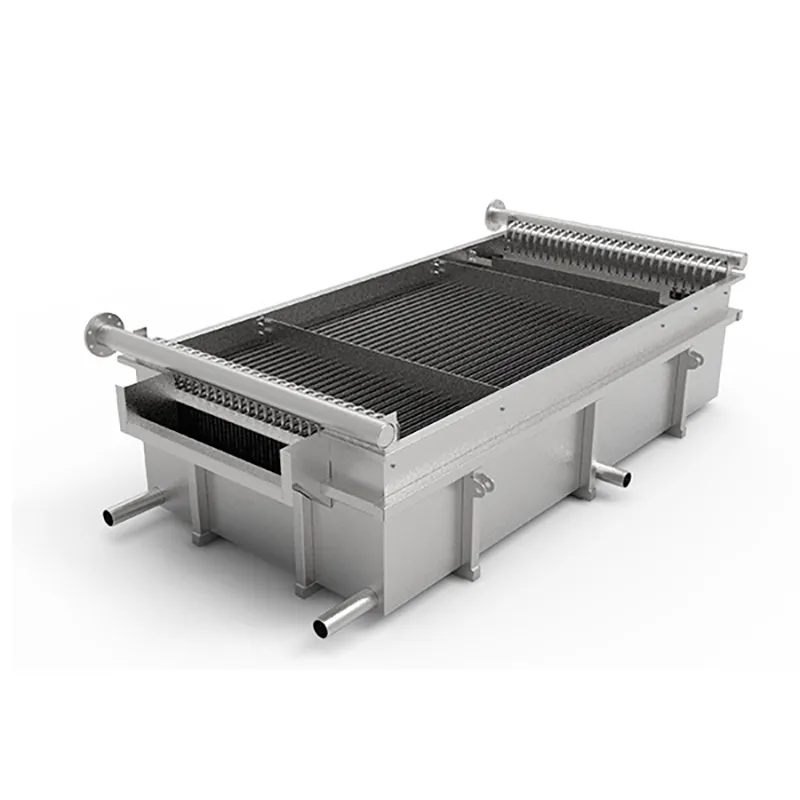
To get the right APV plate heat exchanger gaskets for your equipment, please provide the following details when contacting SHPHE: flow rate, operating temperature, pressure, and media type. This information allows their engineers to recommend the optimal material and design. With a free thermal design and selection service, SHPHE ensures you receive a solution that fits your process perfectly. Whether you need a standard replacement or a custom-engineered gasket, their team is ready to assist. For more specialized applications, you can also explore their HT-Bloc welded plate heat exchangers and wide gap welded plate heat exchangers.
Choosing premium APV plate heat exchanger gaskets is a straightforward way to extend equipment life and maintain process reliability. By working with a certified manufacturer like SHPHE, you gain access to quality products backed by decades of engineering experience. Do not wait for a leak to disrupt your operations — evaluate your gasket condition today and upgrade to a solution that delivers consistent performance.

 English EN





User Comments
Service Experience Sharing from Real Customers
Mike Torres
Maintenance SupervisorWe’ve been using these APV gaskets for about six months now in our dairy pasteurizers, and they’ve held up way better than the generic knockoffs we tried before. No leaks, no swelling even with daily CIP cycles. Snapped right into the plate frames without any wrestling. Solid buy.
Emma Chen
Process EngineerGot a batch for an old APV heat exchanger that was giving us intermittent leakage. These gaskets fit perfectly—no trimming needed. Only reason I’m not giving 5 stars is the adhesive backing could be a bit stickier on the first attempt, but once you press it down firmly it holds fine. Good value for the price.
Dave Kowalski
Plant ManagerOrdered these as a quick replacement during a shutdown. They arrived earlier than expected and the material feels exactly like the OEM ones. We run our plates at 85°C for hours and haven’t seen any deformation or hardening. Will definitely reorder when the next PM cycle comes around.
Rachel Okafor
HVAC TechnicianI work on industrial chillers and these APV gaskets have been my go-to for rebuilding plate packs. The rubber compresses nicely without cracking, and the fit is consistent across multiple frames. Saved us a ton of downtime compared to waiting for factory parts. Highly recommend for anyone doing their own rebuilds.