What Causes Plate Heat Exchanger Gaskets to Fail and How to Prevent It?
Plate heat exchanger gaskets are the unsung heroes of thermal transfer systems—they keep fluids contained, maintain pressure integrity, and ensure efficient heat exchange. But when they fail, the consequences range from minor leaks to complete system shutdowns. This article breaks down the real-world causes behind gasket deterioration, from chemical incompatibility and thermal stress to improper installation and aging, and offers practical, field-tested prevention strategies that can extend the service life of your heat exchanger and keep your operations running smoothly.
If you work with gasketed plate heat exchangers on a regular basis, you already know that gasket failure isn't a matter of if—it's a matter of when. But understanding the specific reasons why gaskets break down can help you dramatically extend their lifespan and avoid costly downtime. Let's walk through the most common culprits and what you can do about them.
The Chemistry of Gasket Materials: Why Compatibility Matters
The most frequent reason gaskets fail is chemical incompatibility. Every gasket material—whether it's NBR (nitrile), EPDM, Viton, or PTFE—has a specific chemical resistance profile. When the process fluid reacts with the gasket material, it causes swelling, softening, hardening, or cracking.
For instance, NBR gaskets handle mineral oils and petroleum-based fluids well, but they degrade quickly when exposed to ketones or certain acids. EPDM, on the other hand, excels with hot water, steam, and many acids, but it's not suitable for petroleum products. The key is to match the gasket elastomer precisely to your process fluid composition, including any trace contaminants or cleaning agents used in CIP (clean-in-place) cycles.
One often-overlooked factor is the concentration and temperature of the chemical. A fluid that's harmless at 20°C can become aggressive at 80°C. Always check the compatibility chart for the worst-case operating conditions, not just the average.
Thermal Stress: The Silent Killer of Gasket Integrity
Temperature fluctuations cause gasket materials to expand and contract at different rates than the metal plates. Over time, this differential movement creates internal stresses that lead to compression set—a permanent deformation where the gasket loses its ability to spring back to its original shape.
Rapid temperature swings are particularly damaging. If you're running a process that cycles between 20°C and 120°C multiple times a day, the gasket is constantly being squeezed and released. This fatigue accelerates cracking and loss of sealing force. For applications with wide temperature variations, consider gasket materials specifically formulated for thermal cycling resistance, such as high-temperature EPDM or specialty compounds.
Also pay attention to the maximum operating temperature rating of your gaskets. Running a system even 10°C above the rated limit can cut gasket life in half. It's not just about the fluid temperature either—steam sterilization cycles, hot water flushing, and even ambient temperature in the plant all contribute to the thermal load on your gaskets.
Pressure and Mechanical Stress: When the Squeeze Is Too Much
Every gasket has a maximum working pressure rating, and exceeding it—even briefly—can cause extrusion, where the gasket material is forced out of the gasket groove. This is especially common with softer elastomers or when the gasket has already lost some of its hardness due to age or chemical exposure.
Pressure surges, water hammer, and improper tightening of the plate pack are all mechanical stressors that can damage gaskets. When the plate pack is over-tightened, the gasket gets crushed beyond its designed compression range. When it's under-tightened, the seal isn't sufficient and the gasket can shift or vibrate, causing wear at the contact points.
The correct tightening procedure involves following the manufacturer's torque specifications and tightening the plates in a specific sequence, usually starting from the fixed end and working toward the movable end. Using a torque wrench is non-negotiable—guessing by feel is how gaskets get damaged.
Aging and Natural Deterioration: The Inevitable Timeline
Even with perfect operating conditions, gaskets age. Elastomers naturally degrade over time due to oxidation, ozone exposure, and UV light (if the unit is installed outdoors). The material becomes harder, loses elasticity, and eventually develops micro-cracks that turn into leaks.
The typical service life of a quality gasket ranges from 3 to 8 years, depending on the material and operating conditions. But here's the thing—gaskets don't fail uniformly. You might have one gasket that's perfectly fine while the one next to it is already leaking. That's why most maintenance professionals recommend replacing all gaskets in a plate pack at the same time, rather than doing piecemeal replacements.
Regular inspection is essential. Look for signs of hardening, cracking, or compression set. If you can press your fingernail into the gasket and it doesn't spring back, it's time for replacement. Also check for any signs of chemical attack, such as blistering, discoloration, or a sticky surface.
Installation Errors: The Human Factor
A significant percentage of premature gasket failures trace back to installation mistakes. One of the most common errors is using the wrong adhesive or applying it incorrectly. Some gaskets are designed to be glued into the plate grooves, and using the wrong adhesive can cause the gasket to detach or degrade.
Another frequent issue is improper alignment. If a gasket is twisted, folded, or not seated properly in its groove, it will create a leak path from day one. The gasket must sit flat and square in the groove, with no gaps or bulges.
Contamination during installation is also a problem. Dirt, grease, or old gasket residue on the plate surface can prevent proper sealing. Always clean the gasket grooves thoroughly before installing new gaskets, and handle the gaskets with clean gloves to avoid transferring oils from your skin.
How to Prevent Gasket Failure: A Practical Checklist
Now that we've covered the causes, let's talk about prevention. Here's a practical checklist that can help you get the maximum life out of your gaskets:
1. Choose the right material from the start. Work with your gasket supplier to match the elastomer to your exact process conditions—fluid composition, temperature range, pressure, and any cleaning chemicals. Don't compromise on material quality to save a few dollars upfront; the cost of downtime will far outweigh any savings.
2. Monitor operating conditions. Keep an eye on temperature and pressure readings. If you notice fluctuations outside the normal range, investigate immediately. A small issue can quickly escalate into a gasket failure.
3. Follow proper tightening procedures. Use a torque wrench and follow the manufacturer's specifications. Tighten in the correct sequence and check the torque after the unit has been in service for a few hours, as gaskets can relax slightly after initial compression.
4. Implement a regular inspection schedule. Inspect gaskets at least every six months for signs of wear, hardening, or chemical attack. For critical applications, consider more frequent inspections.
5. Replace gaskets proactively. Don't wait for a leak to appear. If your gaskets are approaching the end of their expected service life, schedule a replacement during planned maintenance downtime.
6. Store spare gaskets properly. Keep them in a cool, dark, dry place away from ozone sources like electric motors or UV light. Check the shelf life of your gaskets—they do expire even in storage.
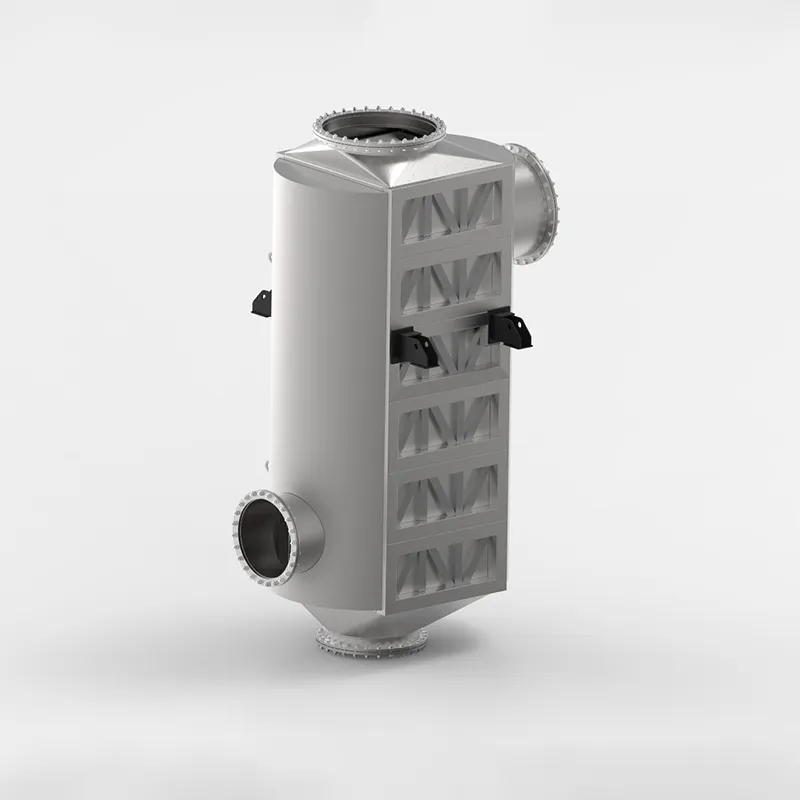
For specialized applications like custom engineered plate air preheaters or wide gap welded plate heat exchangers, the gasket requirements can be quite different from standard units. Always consult with the equipment manufacturer for specific recommendations.
The Cost of Ignoring Gasket Health
Let's put this in perspective. A single gasket might cost anywhere from $20 to $200, depending on the material and size. But when a gasket fails, you're not just replacing a piece of rubber—you're dealing with:
• Lost production time while the unit is down
• The cost of draining and refilling the system
• Potential contamination of the process fluid
• Safety risks if the leaking fluid is hazardous
• Damage to the plates themselves, which can be far more expensive to replace than gaskets
When you factor in all these costs, proactive gasket maintenance is one of the most cost-effective investments you can make in your heat exchange system.
Final Thoughts on Gasket Longevity
Gasket failure isn't a matter of luck—it's a matter of management. By understanding the causes and implementing a proactive maintenance program, you can significantly extend the life of your gaskets and avoid the headaches of unexpected downtime.
Remember that every heat exchanger is different, and what works for one application may not work for another. Take the time to understand your specific operating conditions, work with knowledgeable suppliers, and don't cut corners on gasket quality or installation procedures. Your process—and your bottom line—will thank you.
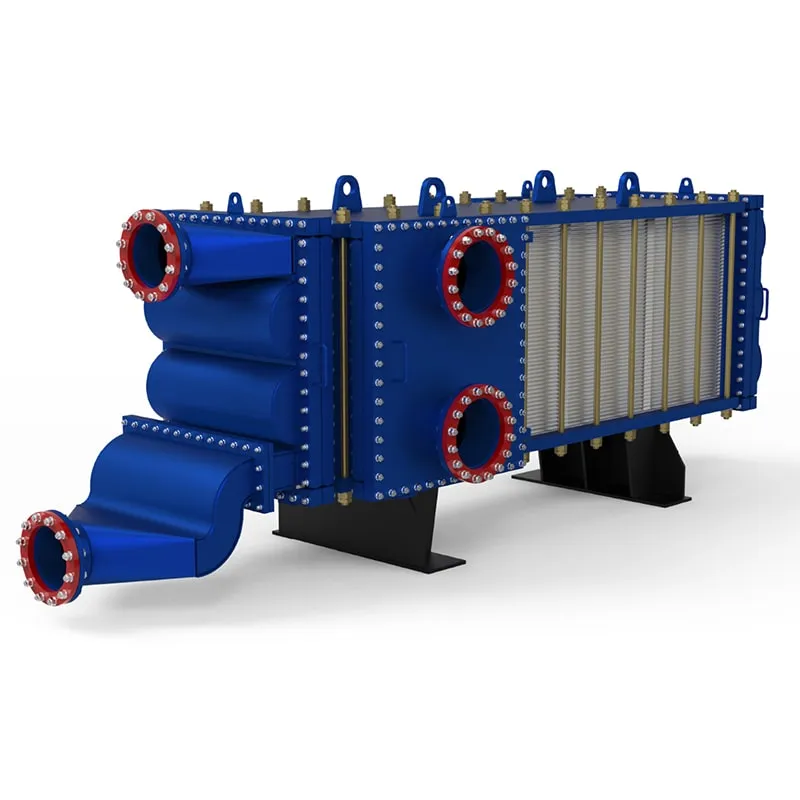
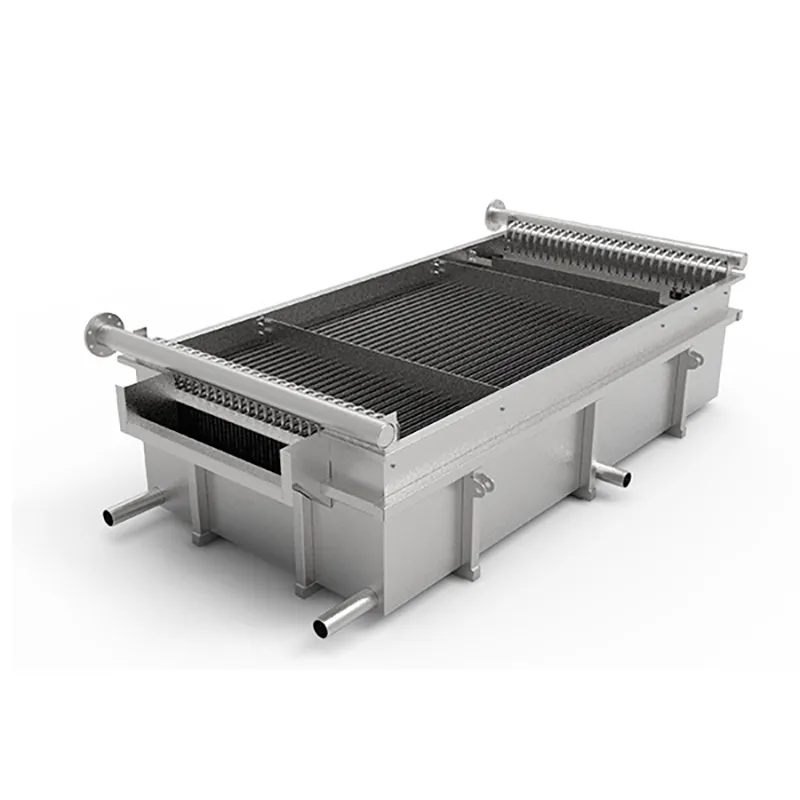
If you're dealing with recurring gasket failures, it might be worth looking into alternative heat exchanger designs that reduce or eliminate gasket dependency. For example, TP welded plate heat exchangers or HT Bloc welded plate heat exchangers offer gasket-free solutions for certain applications. Similarly, custom engineered printed circuit heat exchangers and custom engineered pillow plates provide alternative approaches that might better suit your needs.
At the end of the day, the goal is reliable, efficient heat transfer with minimal interruptions. Understanding your gaskets is a big step toward achieving that goal.

 English EN





User Comments
Service Experience Sharing from Real Customers
Tom Harris
Maintenance SupervisorWe swapped out the old rubber seals on our PHE with these gaskets last month. Fit perfectly on the Alfa Laval M15, no leaks even under full pressure. Saved us a ton compared to OEM parts. Highly recommend for any food processing plant running 24/7.
Sarah Blake
Chemical Process EngineerOrdered a batch for a pilot plant trial. The material held up against dilute sulfuric acid at 85°C for three weeks without swelling. Only gave 4 stars because the adhesive backing was a bit tricky to align on the first try—once you get the hang of it, it’s fine. Good value for the money.
Mike Dawson
HVAC TechnicianBeen using these gaskets for retrofit jobs on commercial HVAC units. They seal tight and the NBR compound handles the glycol mixture well. No more callbacks for weeping joints. Delivery was quick too. Definitely my go-to for plate heat exchanger repairs.
Elena Rossi
Shift EngineerWe run a dairy pasteurizer and go through gaskets like crazy. These lasted about 20% longer than the cheap imports we tried before. Only minor issue: the color coding faded after a few CIP cycles, but performance stayed solid. Would order again.