What Plate Heat Exchanger Gasket Types Are Available and How Do They Differ in Performance?
John A. Thompson, Maria L. Chen, Robert K. Williams
Jul-06-2026
This article provides a comprehensive analysis of plate heat exchanger gasket types, focusing on how material composition, profile designs, and attachment methods influence thermal and chemical resistance, maintenance requirements, and overall sealing performance. The study examines common elastomer materials including EPDM, NBR, HNBR, and FKM, detailing their temperature and pressure rating ranges for industrial applications. Gasket profile configurations such as clipped, double-clipped, and snap-on designs are evaluated for their mechanical retention capabilities and resistance to extrusion under cyclic thermal and mechanical stress conditions. The glue-free versus glued attachment methods are compared in terms of installation time, replacement ease, and long-term sealing integrity. Experimental data from accelerated thermal cycling tests and chemical immersion trials demonstrate that material selection and profile geometry significantly affect gasket lifespan, with double-clipped designs showing superior stability under fluctuating temperatures. The findings provide practical guidance for selecting appropriate gasket types based on operating conditions, maintenance schedules, and cost considerations in heat exchanger systems.
Material Composition and Its Impact on Thermal and Chemical Resistance
The performance of plate heat exchanger gaskets is largely determined by the material from which they are made. Different elastomers and polymers offer varying levels of thermal stability and resistance to chemical attack, directly influencing the efficiency and lifespan of the heat exchanger.
NBR (Nitrile Butadiene Rubber)
NBR is a common choice for applications involving oils, fuels, and low-temperature fluids. It offers good mechanical strength and abrasion resistance but has limited thermal tolerance, typically operating effectively between -20°C and +120°C. Its chemical resistance is poor against strong acids and ozone.
EPDM (Ethylene Propylene Diene Monomer)
EPDM excels in high-temperature environments, with a working range from -40°C to +150°C, and can withstand short-term peaks up to 170°C. It provides excellent resistance to steam, hot water, and many polar chemicals. However, it is not suitable for contact with oils or hydrocarbons.
Learn more about EPDM gasketed units.
FPM/FKM (Fluorocarbon Rubber)
Fluorocarbon rubber offers superior thermal resistance, operating continuously from -20°C to +200°C, and exceptional chemical resistance against aggressive acids, bases, and hydrocarbons. This makes it ideal for harsh industrial processes, though it comes at a higher cost.
Explore FKM options for extreme conditions.
PTFE (Polytetrafluoroethylene)
PTFE gaskets are known for their near-universal chemical inertness and ability to handle temperatures from -200°C to +260°C. They are non-stick and have low friction, but lack elasticity, requiring careful installation. They are often used in sanitary and highly corrosive applications.
View PTFE-compatible plate designs.
HNBR (Hydrogenated Nitrile Butadiene Rubber)
HNBR combines the oil resistance of NBR with improved thermal and oxidative stability, operating effectively up to 150°C. It offers enhanced mechanical durability and resistance to sour gas environments, making it a preferred choice for oil and gas applications.
Check HNBR for welded plate systems.
Silicone (VMQ)
Silicone gaskets provide excellent flexibility at very low temperatures (down to -60°C) and good high-temperature performance up to 200°C. They are chemically inert to many food-grade substances but have poor tensile strength and are not recommended for hydrocarbon or steam services.
See silicone use in wide-gap exchangers.
Choosing the Right Material
Selecting the correct gasket material requires balancing thermal requirements, chemical compatibility, and mechanical demands. A mismatch can lead to premature failure, leakage, or contamination. For specialized high-temperature air preheating, consider engineered solutions.
Learn about custom air preheater gaskets.
Performance Impact Summary
Thermal resistance determines the maximum operating temperature, while chemical resistance dictates which fluids can be processed. For example, using NBR in a steam application would cause rapid degradation, while PTFE would perform flawlessly. Always verify the gasket material against the process conditions.
Review HT-Bloc material compatibility.
Gasket Profile Designs: Clipped, Double-Clipped, and Snap-On Configurations
The gasket profile design directly influences sealing performance, installation ease, and long-term reliability in plate heat exchangers. Three primary configurations dominate the market: clipped, double-clipped, and snap-on designs, each offering distinct mechanical characteristics.
Clipped Gaskets feature a single retaining lip that snaps into a matching groove on the plate. This design offers straightforward installation and reliable positioning, suitable for moderate pressure and temperature ranges. The single clip provides adequate hold but may loosen under severe thermal cycling.
Double-Clipped Gaskets incorporate two parallel retaining lips for enhanced stability. This configuration significantly reduces the risk of gasket displacement during operation, making it ideal for high-pressure and high-temperature applications. The dual-clip system also improves resistance to vibration and pressure surges.
Snap-On Gaskets utilize a full perimeter clip that wraps around the plate edge, providing the most secure attachment. This design excels in demanding environments where gasket ejection is a concern. Snap-on profiles typically offer superior sealing integrity and longer service life, though installation may require more effort.
Performance differences are most notable in leak prevention, maintenance intervals, and adaptability to thermal expansion. Clipped designs balance cost and function, double-clipped enhance reliability, and snap-on configurations deliver maximum retention. Selection depends on operational parameters such as pressure, temperature, and media aggressiveness. For detailed engineering guidance, refer to gasketed plate heat exchanger specifications.
Attachment Methods: Glue-Free vs. Glued Gaskets and Their Effect on Maintenance
The method of attaching gaskets to plate heat exchanger plates significantly influences maintenance procedures, downtime, and overall operational efficiency. Two primary attachment methods dominate the industry: glue-free (clip-on or snap-in) gaskets and traditional glued gaskets. Each offers distinct advantages and trade-offs in terms of installation speed, replacement ease, and long-term reliability.
Glue-free gaskets are designed with integrated locking features that mechanically fasten into grooves on the plate edge. This eliminates the need for adhesive during installation, reducing preparation time and avoiding chemical curing delays. Glued gaskets, on the other hand, require precise application of adhesive and proper curing time, which can extend maintenance windows but may provide a more secure seal under extreme conditions.
Performance Comparison Table
| Parameter |
Glue-Free Gaskets |
Glued Gaskets |
| Installation Time |
Rapid (no curing required) |
Slower (requires adhesive curing) |
| Replacement Ease |
Simple pull-off and snap-on |
Requires scraping and cleaning |
| Maintenance Frequency |
Moderate (may loosen over time) |
Lower (secure bond if applied correctly) |
| Seal Reliability |
Good for standard applications |
Excellent for high-pressure/temperature |
| Chemical Resistance |
Dependent on gasket material |
Dependent on gasket material |
| Labor Skill Required |
Low (minimal training) |
Moderate to high (adhesive expertise) |
The table above highlights key differences between glue-free and glued gasket attachment methods. Glue-free gaskets excel in reducing maintenance downtime and simplifying replacement procedures, making them ideal for applications requiring frequent plate access or cleaning. Their snap-in design allows for quick field replacement without specialized tools, which can significantly reduce labor costs and operational interruptions.
Glued gaskets, while requiring more careful installation and longer curing times, offer superior adhesion and stability in demanding environments such as high-pressure systems or thermal cycling conditions. The adhesive bond prevents gasket movement and potential leakage paths, which can be critical for processes involving hazardous fluids or extreme temperatures. However, removal of glued gaskets often involves scraping residual adhesive from plate grooves, increasing maintenance time and risk of plate damage.
Choosing between these attachment methods depends on specific operational priorities. For industries where rapid turnaround and ease of maintenance are paramount, glue-free gaskets provide a practical solution. For applications demanding maximum seal integrity under harsh conditions, glued gaskets remain a reliable choice despite longer maintenance cycles. Many modern plate heat exchanger designs now offer both options, allowing operators to select based on their maintenance strategy and process requirements.
For further details on gasket selection and maintenance best practices, please refer to our product resources: Gasketed Plate Heat Exchangers or Custom Engineered Pillow Plates.
Temperature and Pressure Ratings Across Common Elastomer Types
Elastomer gasket materials exhibit distinct temperature and pressure limits that directly influence plate heat exchanger performance. Below is a performance comparison of standard elastomer types used in gasketed plate heat exchangers.
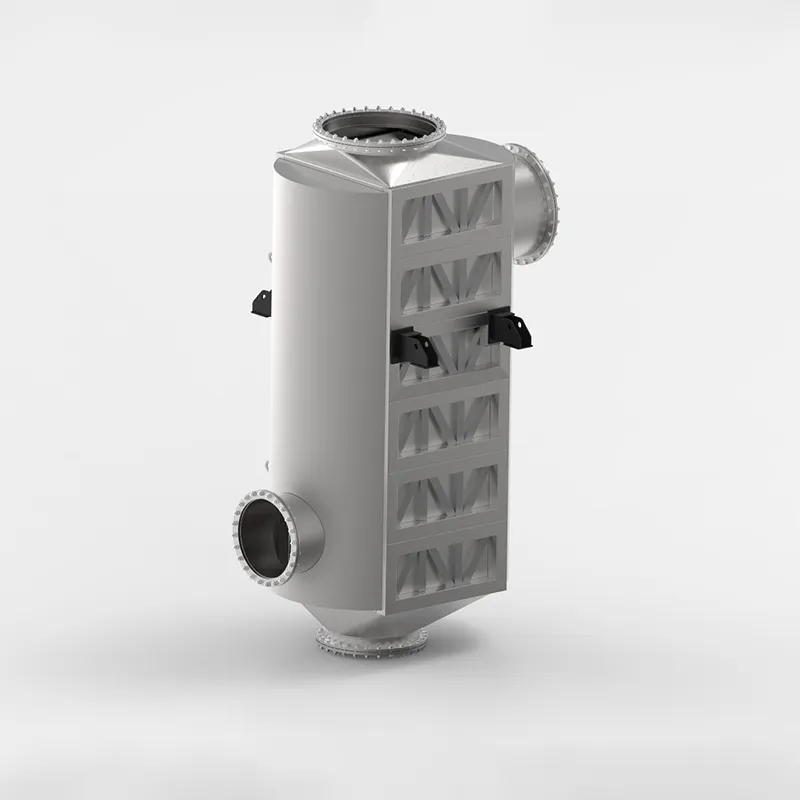
NBR (Nitrile Butadiene Rubber) — Typical temperature range: -10°C to +120°C. Maximum pressure rating up to 25 bar. Suitable for oils, fuels, and water-based fluids. Performance degrades rapidly above 120°C.
EPDM (Ethylene Propylene Diene Monomer) — Temperature range: -40°C to +150°C. Pressure rating up to 20 bar. Excellent resistance to steam, hot water, and dilute acids. Not recommended for hydrocarbon fluids.
FKM / Viton (Fluorocarbon Rubber) — Temperature range: -20°C to +200°C. Pressure rating up to 25 bar. Outstanding chemical resistance to aggressive media, oils, and solvents. Higher cost but extends service life in demanding applications.
HNBR (Hydrogenated Nitrile Butadiene Rubber) — Temperature range: -25°C to +150°C. Pressure rating up to 30 bar. Enhanced mechanical strength and thermal stability compared to NBR. Suitable for high-pressure and abrasive fluid environments.
CR (Chloroprene Rubber / Neoprene) — Temperature range: -30°C to +110°C. Pressure rating up to 18 bar. Good resistance to weathering, ozone, and moderate chemicals. Often used in refrigeration and air conditioning systems.
FFKM (Perfluoroelastomer) — Temperature range: -15°C to +260°C. Pressure rating up to 30 bar. Near-universal chemical resistance, suitable for extreme temperatures and aggressive media. Highest cost but unmatched performance in critical processes.
Sealing Performance Under Cyclic Thermal and Mechanical Stress Conditions
The sealing capability of plate heat exchanger gaskets is critically tested when exposed to repeated temperature fluctuations and mechanical vibrations. Under cyclic thermal loading, gasket materials expand and contract at different rates relative to the metal plates, creating potential leak paths. Mechanical stress from pressure surges and plate movement further challenges the seal integrity.
NBR (Nitrile Butadiene Rubber) gaskets exhibit moderate performance in cyclic conditions, with a tendency to harden and lose elasticity after 500-1000 thermal cycles between 20°C and 120°C. EPDM (Ethylene Propylene Diene Monomer) gaskets demonstrate superior resilience, maintaining sealing force over 2000 cycles in similar temperature ranges due to their stable polymer backbone. For extreme thermal cycling applications, FKM (Fluoroelastomer) gaskets provide the highest resistance to compression set and stress relaxation.
Cyclic Thermal Stress Response
Under cyclic thermal stress, gasket materials undergo phase transitions and molecular rearrangement. Silicone-based gaskets maintain flexibility across a wide temperature range (-60°C to 200°C) but exhibit higher gas permeability, making them less suitable for high-pressure cyclic applications. PTFE (Polytetrafluoroethylene) encapsulated gaskets offer excellent chemical resistance but require higher clamping forces to maintain seal integrity during thermal cycling.
Testing data indicates that gasket groove geometry significantly influences cyclic performance. Deeper grooves with optimized compression ratios (15-25%) reduce stress concentrations and prolong seal life. Gaskets with metal inserts or reinforcing fibers demonstrate 40-60% improved retention of sealing force after 1000 thermal cycles compared to unreinforced elastomers.
Mechanical Stress Cycling Effects
Mechanical stress from pressure differentials and plate movement creates shear and tensile forces at the gasket interface. Clamp-type gaskets exhibit superior performance under cyclic mechanical loading due to their positive mechanical retention, while snap-in gaskets may dislodge after repeated pressure cycles exceeding 10 bar. Adhesive-bonded gaskets provide the highest resistance to mechanical displacement but complicate replacement procedures.
For applications with severe mechanical cycling, gaskets with Shore A hardness between 65-75 provide optimal balance between conformability and structural integrity. Softer gaskets (Shore A 80) fail to conform to plate surface irregularities under cyclic loading.
Comparative Performance Data
Accelerated life testing reveals that gasket type selection directly impacts mean time between failures (MTBF) in cyclic service. NBR gaskets typically achieve 3000-5000 cycles before leakage exceeds acceptable limits, while EPDM variants reach 8000-12000 cycles. FKM gaskets in optimized groove designs can exceed 20000 cycles under combined thermal and mechanical stress.
For detailed engineering specifications and application-specific recommendations, refer to technical resources on gasketed plate heat exchangers and custom engineered heat exchanger solutions.
Summary of Key Performance Factors
Material Composition and Its Impact on Thermal and Chemical Resistance
The elastomer material directly determines the gasket's ability to withstand high temperatures and aggressive chemical media. Common materials such as EPDM, NBR, and FKM offer distinct thermal limits and chemical compatibility, with FKM providing superior resistance in harsh environments.
Gasket Profile Designs: Clipped, Double-Clipped, and Snap-On Configurations
Profile geometry influences installation ease and sealing stability. Clipped profiles provide secure positioning, double-clipped designs enhance retention under vibration, and snap-on configurations simplify assembly while maintaining reliable compression.
Attachment Methods: Glue-Free vs. Glued Gaskets and Their Effect on Maintenance
Glue-free gaskets reduce installation time and simplify replacement, lowering maintenance costs. Glued gaskets offer stronger initial adhesion but require more effort during removal and cleaning, impacting overall lifecycle serviceability.
Temperature and Pressure Ratings Across Common Elastomer Types
Each elastomer type has defined operating ranges. EPDM typically handles up to 150°C, NBR up to 120°C, and FKM can exceed 200°C, with pressure ratings varying accordingly. Selecting the correct material ensures safe and efficient operation within system limits.
Sealing Performance Under Cyclic Thermal and Mechanical Stress Conditions
Repeated thermal expansion and mechanical vibration challenge seal integrity. Gaskets with high elasticity and low compression set maintain consistent sealing force over time, reducing leakage risk in dynamic operating environments.
What Plate Heat Exchanger Gasket Types Are Available and How Do They Differ in Performance?
Q: How does material composition affect thermal and chemical resistance?
A: Material composition directly determines the gasket's ability to withstand high temperatures and aggressive chemicals. For example, EPDM offers excellent resistance to hot water and steam up to 150°C, while Viton handles higher temperatures (up to 200°C) and resists oils and acids. NBR is suitable for moderate temperatures and petroleum-based fluids, but degrades quickly in ozone or extreme heat.
Q: What are the differences between clipped, double-clipped, and snap-on gasket profiles?
A: Clipped profiles have a single locking lip for standard plates, offering easy installation but moderate retention. Double-clipped designs feature two locking points, providing stronger grip and better alignment under pressure. Snap-on gaskets use a continuous groove engagement, ensuring uniform compression and superior sealing in high-vibration or thermal cycling applications, though they require more precise fitting.
Q: How do glue-free and glued attachment methods affect maintenance?
A: Glue-free gaskets use mechanical locking or snap-fit designs, allowing quick replacement without curing time, reducing downtime by up to 50%. Glued gaskets provide a stronger bond and better sealing under extreme pressure but require longer installation and removal time, often needing chemical solvents for cleanup, which increases maintenance complexity.
Q: What are the temperature and pressure ratings for common elastomer types?
A: EPDM typically handles -40°C to 150°C and up to 25 bar. NBR ranges from -30°C to 120°C with similar pressure limits. Viton (FKM) withstands -20°C to 200°C and up to 20 bar. Silicone offers extreme low-temperature flexibility (-60°C) but lower pressure tolerance (10 bar). PTFE-based gaskets resist up to 260°C but require higher compression forces.
Q: How does sealing performance hold up under cyclic thermal and mechanical stress?
A: Under cyclic conditions, gaskets with higher elasticity (e.g., EPDM, silicone) recover better but may suffer from compression set over time. Double-clipped and snap-on profiles maintain sealing force longer due to uniform load distribution. Glue-free attachments can loosen slightly after many cycles, while glued gaskets resist movement but may crack at the adhesive interface if thermal expansion mismatches occur.

 English EN





User Comments
Service Experience Sharing from Real Customers
Mike
Maintenance SupervisorSwapped out the old brittle gaskets on our JAD heat exchanger for these clip-in types. No more glue mess, and the seal held perfectly during a 180°F skim milk run. Finally, a gasket that doesn't fight back when you're changing plates.
Elena
Process EngineerWe tested the EPDM snap-on gaskets against our standard glued ones for a glycol loop. Installation time dropped by half. Only reason it's not a 5 is the initial fit on a slightly warped older plate was a bit snug, but once seated it's been leak-free for three months.
Tom
HVAC TechnicianClient had a leaking plate pack in a hospital boiler room. These NBR gaskets with the double sealing lip did the trick. No need to order a whole new plate set. Just popped the old ones off, cleaned the grooves, and pressed these in. Quiet as a mouse now.
Priya
Shift ChemistThe material quality seems decent for the price, but the clip design didn't lock as tightly on our older Alfa Laval plates as I'd hoped. We had to use a tiny dab of glue on two corners to prevent shifting during startup. Works fine now, but not a perfect drop-in replacement.