
 English EN


TL;DR — The quick answer
What it is: two metal sheets laser-welded and inflated into a dimpled "pillow" full of flow channels.
Why it's used: zero-leak, hygienic, lightweight thermal surface that conforms to tanks, reactors and vessels.
Made by: automated CNC fiber-laser welding with customised spot pitch and inflation.
Best for: food, pharmaceutical, chemical and bulk-solids cooling — immersion, jackets and banks.
Advantages: high performance, hygienic surfaces, mechanical strength and design flexibility.
The pillow plate heat exchanger — also called a dimple or embossed plate — is one of the most flexible thermal surfaces in industry. Two sheets are laser-welded in a pattern and inflated to form internal flow channels, creating a strong, hygienic, leak-free heat-transfer panel that can be shaped to almost any duty. This guide explains how pillow plates work, how they are made, and where they excel.
Originally developed to overcome the weight and manufacturing limits of traditional jacketed vessels, the pillow plate has become a core building block for bespoke heat-transfer integration. SHPHE elevates the technology with automated CNC fiber-laser welding, customising the inflation profile and spot-weld grid to match each fluid, pressure and vessel — turning a simple concept into a precision-engineered solution across food, pharmaceutical, chemical and bulk-solids sectors.
What is a pillow plate heat exchanger?
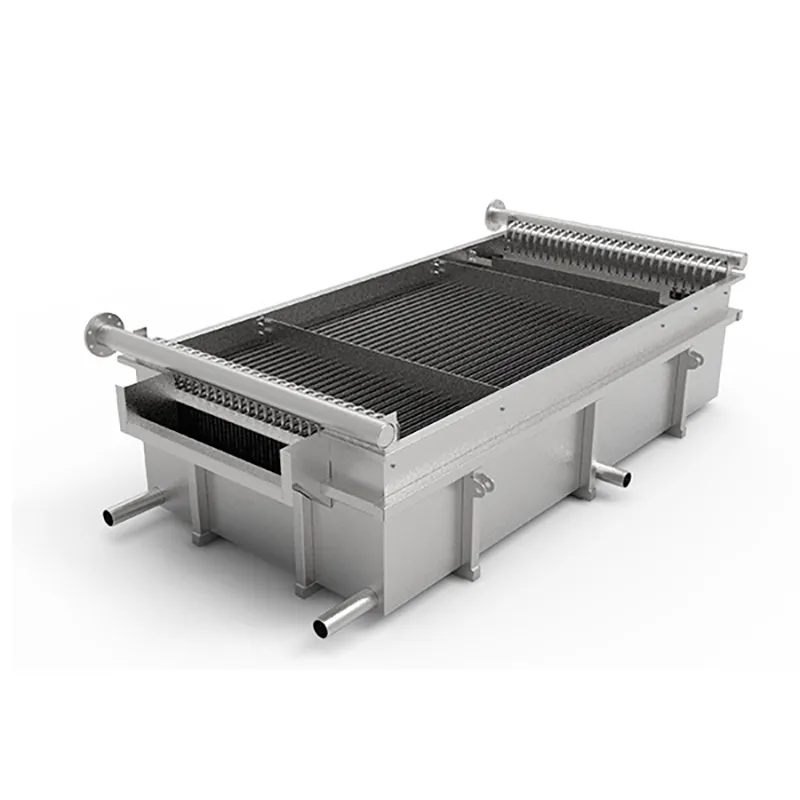
A pillow plate is made from two metal sheets welded together in a regular pattern of spot or seam welds, then hydraulically inflated so the unwelded areas bulge outward — giving the characteristic dimpled, "pillow" surface. The inflation creates a network of internal channels through which a heat-transfer fluid flows, while the outer surface exchanges heat with the product it contacts. Because the plate is fully welded, it is leak-free; because it can be made flat, curved or wrapped, it is flexible; and because it is thin sheet, it is light compared with a traditional jacket. These qualities make it ideal for integrating heat transfer directly into tanks, reactors and vessels.
How are pillow plates made?
Manufacturing quality is what separates a good pillow plate from a mediocre one, and it starts with the weld. SHPHE uses automated CNC fiber-laser welding to place the spot or seam welds with precision, then controls the inflation to form the exact channel profile. The spot pitch (the spacing of the welds) and the inflation height are the key design levers: a tighter pitch gives a flatter, stronger plate with fine channels; a wider pitch gives deeper channels and more flow. By customising these to the fluid dynamics, pressure limits and vessel configuration, the engineer tunes the plate's thermal performance and mechanical strength to the specific duty rather than using a generic panel.
What are the advantages of pillow plates?
| Advantage | Why it matters |
|---|---|
| Zero-leak safety | Fully welded — no gaskets to fail, protects product purity |
| Hygienic surface | Smooth, cleanable — suits food & pharma |
| Lightweight | Thin sheet vs heavy traditional jackets |
| Design flexibility | Flat, curved or wrapped to fit the vessel |
| Mechanical strength | Inflated structure resists pressure & load |
Where are pillow plates used?
Pillow plates suit any duty where heat transfer must be integrated into a vessel or where hygiene and leak-free operation are critical:
Food & beverage: tank heating/cooling, hygienic process vessels, crystallisers.
Pharmaceutical: reactor jackets and vessels needing clean, leak-free thermal control.
Chemical: reactor cooling, condensation and immersion duties.
Bulk solids: cooling of powders, granules and pellets on plate banks.
Pillow plate vs traditional jacket vs plate exchanger
| Option | Best for |
|---|---|
| Pillow plate | Integrating heat transfer into vessels; hygienic, leak-free, light |
| Traditional jacket | Simple vessels where weight and efficiency aren't critical |
| Gasketed plate exchanger | Standalone fluid-to-fluid duties needing open-frame cleaning |
Compared with a traditional dimple jacket, the pillow plate offers better heat transfer for less weight and greater design freedom; compared with a standalone plate exchanger, it excels when the heat transfer must be built into a tank or reactor rather than piped separately. Choosing between them comes down to whether you are heating a vessel or exchanging between two piped streams.
Why did pillow plates replace traditional jackets?
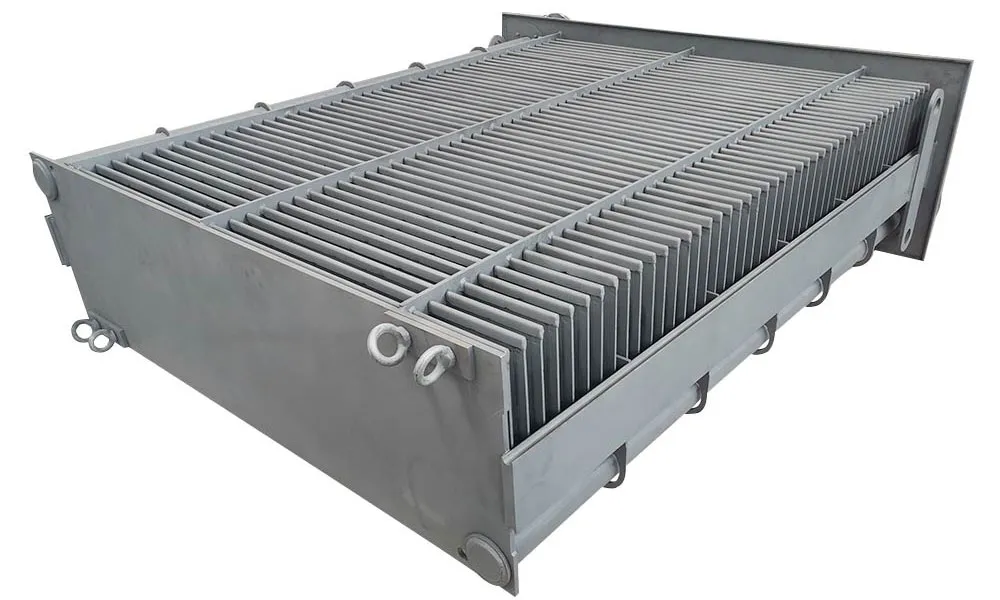
Pillow plates emerged specifically to overcome the limitations of the traditional jacketed vessel, and understanding why explains their popularity. A conventional half-pipe or dimple jacket is heavy, uses a lot of material, and gives relatively poor, uneven heat transfer because the fluid flows through a few large passages. A pillow plate, by contrast, spreads the flow across a dense network of small channels created by the weld pattern, giving more uniform, higher-performance heat transfer from a thin, light sheet. It also uses far less metal for the same thermal duty, cutting weight and cost, and its fully welded construction eliminates the leak paths that jackets can develop. For modern processing plants prioritising efficiency, hygiene and weight, these advantages made the pillow plate the natural successor to the heavy traditional jacket across a wide range of vessel-heating and cooling duties.
How do you clean and maintain pillow plates?
Because the fluid side of a pillow plate is fully welded and sealed, it needs no internal maintenance — there are no gaskets to replace and no channels to open. The product-contact surface is smooth and cleanable, which is precisely why pillow plates suit food and pharmaceutical duties: they can be washed down or cleaned-in-place to hygienic standards without harbouring residue. For immersion plates and jackets, cleaning simply follows the vessel's own cleaning regime. This low-maintenance, hygienic character is a major reason engineers choose pillow plates for clean processes — the thermal surface effectively becomes a durable, sealed part of the vessel rather than a separate component needing its own service schedule. Combined with the zero-leak welded construction that protects product purity, it makes the pillow plate a fit-and-forget solution for demanding hygienic and chemical applications.
Custom-engineered pillow plates for hygienic & bulk-solids duties
SHPHE turns the pillow plate into a precision component. Using state-of-the-art automated CNC fiber-laser welding, its engineers customise the mechanical inflation profiles and spot-pitch grids to match each customer's fluid dynamics, pressure limits and vessel configuration — delivering advanced thermal performance with zero-leak safety and hygienic processing. This makes SHPHE pillow plates indispensable across food, pharmaceutical, chemical and bulk-solids cooling, whether wrapped around a reactor, immersed in a tank, or arranged as plate banks for cooling powders and granules. Certified to ASME, NB, CE, BV and SGS with 30+ patents since 2005, each pillow plate is engineered to the exact integration rather than supplied as a generic panel.
Source: SHPHE product information. See the pillow plate page.
How do you specify a pillow plate?
Specifying a pillow plate starts with the integration: is it an immersion plate in a tank, a jacket wrapped on a vessel, or a bank cooling bulk solids? From there the engineer needs the heat-transfer fluid and its pressure/temperature, the product being heated or cooled and any hygiene requirement, and the vessel geometry the plate must fit. These set the material (often stainless for hygiene), the spot pitch and inflation for the required performance and strength, and the shape. Because SHPHE custom-builds each plate, the result conforms precisely to the vessel and duty — which is exactly why pillow plates have displaced heavier, less efficient traditional jackets in so many modern processing plants.
As a specialist plate-heat-exchanger manufacturer, SHPHE (Shanghai Heat Transfer Equipment Co., Ltd.) laser-welds custom pillow plates for hygienic, chemical and bulk-solids duties, backed by ASME/NB/CE/BV/SGS certification and 30+ patents.
What materials are pillow plates made from?
Material choice follows the product and the duty. Stainless steel (304/316L) is the default for food, pharmaceutical and general chemical duties, offering hygiene, corrosion resistance and easy cleaning. For more aggressive chemicals or chlorides, higher alloys and titanium can be used, matching the plate's corrosion resistance to the process fluid on one side and the product on the other. Because the plate is laser-welded, the weld metallurgy is matched to the sheet so the joints share its corrosion resistance — critical for a component that must stay leak-free for its whole life. SHPHE selects the sheet and weld material to both the heat-transfer fluid and the product, ensuring the pillow plate delivers its hygienic, zero-leak performance without a corrosion weak point. This attention to metallurgy, combined with the customised weld pattern and inflation, is what turns a simple concept into a dependable, long-life thermal surface tailored to each vessel and process. In short, the pillow plate rewards a manufacturer who controls both the welding precision and the metallurgy, because those two factors together determine whether it performs and lasts. That is why sourcing pillow plates from a specialist with in-house laser-welding capability, rather than a general fabricator, makes a lasting difference to reliability and hygiene. For an integrated, leak-free thermal surface that will sit inside a process vessel for years, that engineering pedigree is worth insisting on from the outset, because replacing a failed thermal surface welded into a vessel is far more disruptive than specifying the right one to begin with.
Send SHPHE your vessel, fluid and duty for a custom laser-welded pillow plate.
Consult our engineers →For duties that involve heating or cooling the contents of tanks and vessels, the laser-welded pillow plate is frequently the most efficient, robust and cleanable solution available. Its made-to-order geometry lets it fit where a plate-and-frame unit cannot, and SHPHE engineers each panel to the specific fluid, temperature and vessel for durable, hygienic service.
Frequently asked questions
What is a pillow plate heat exchanger?
Two metal sheets laser-welded in a pattern and inflated into a dimpled surface with internal flow channels — a strong, hygienic, leak-free thermal panel that can be shaped to fit tanks and vessels.
How are pillow plates made?
By automated CNC fiber-laser welding of the two sheets, followed by controlled inflation. The spot pitch and inflation height are customised to the duty.
What are the advantages of pillow plates?
Zero-leak welded construction, hygienic cleanable surfaces, light weight versus traditional jackets, design flexibility (flat/curved/wrapped) and mechanical strength.
Where are pillow plates used?
Food, pharmaceutical and chemical vessel heating/cooling, reactor jackets, immersion duties, and bulk-solids cooling of powders and granules.
Pillow plate or plate heat exchanger — which do I need?
Use a pillow plate to integrate heat transfer into a tank or reactor; use a standalone plate exchanger for fluid-to-fluid duties between piped streams.
Sources & further reading: SHPHE product information; general pillow-plate practice. Design is customised to the vessel, fluid and duty — confirm with an engineered design.